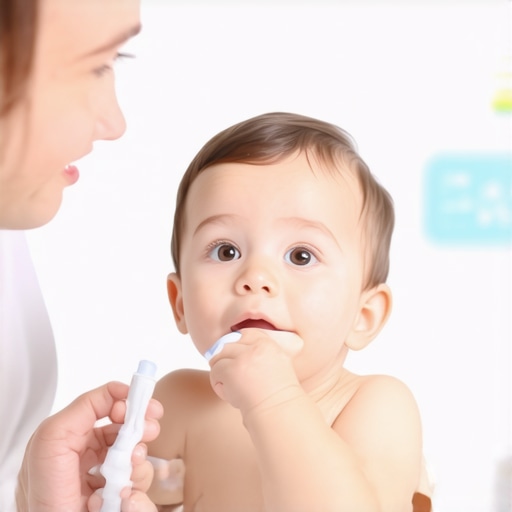
I remember the moment vividly—my child’s eyes wide with defiance as he clamped his mouth shut tight, refusing to spit out the toothpaste after brushing. It was a small act, but for me, it felt like a mountain of frustration. I had just finished a battle every parent dreads, questioning whether my efforts were enough or if I was inadvertently making things worse. That lightbulb moment made me realize that this common issue isn’t just about mess; it’s about the health of our little ones’ smiles.
Why Your Toddler’s Toothpaste Rebellion Matters More Than You Think
The truth is, managing your child’s oral hygiene routine isn’t just about keeping their teeth shiny. According to dental experts, improper practices like swallowing toothpaste can lead to fluoride ingestion, which, in excess, may cause dental fluorosis—a cosmetic condition that can stain and damage tooth enamel. Early habits set the stage for lifelong dental health, making it crucial for parents to find effective ways to encourage proper brushing and spitting techniques. Yet, many of us stumble right here, caught off guard by toddler resistance.
Are you tired of the endless struggle, feeling like every brush is a battle? Do you worry about your child’s safety and dental development? You’re not alone. Early on, I made the mistake of rushing through the process without considering my child’s comfort, which only amplified the fight. Over time, I discovered that patience, creativity, and understanding were my best tools—just like the tips shared in this comprehensive guide on effective home practices for family dental health. Now, I want to pass that knowledge to you, so your mornings become less stressful and your child’s oral health benefits.
But before diving into solutions, I wonder—have you ever faced this exact problem? If so, keep reading. The steps ahead are designed to turn your toddler’s toothpaste revolt into a cooperative, even fun, part of the routine. We’ll also explore common pitfalls, so you’re not left guessing or inadvertently reinforcing negative behaviors. Trust me, with some thoughtful adjustments, you can transform those tantrums into teeth-cleaning victories, paving the way for a lifetime of healthy smiles.
Implement a Consistent Brushing Routine
Establish a set time each day for brushing, preferably after meals or before bedtime, so your child knows what to expect. Use a visual schedule or a timer with fun colors to make it predictable. During my own experience, sticking to a routine helped my son anticipate and prepare mentally, reducing resistance and making the process smoother for both of us.
Make Brushing Fun and Engaging
Transform brushing into a game by incorporating a favorite song or using a toothbrush with your child’s favorite character. Demonstrate by brushing your teeth alongside them or using exaggerated motions that catch their attention. I once used a catchy song during brushing, which turned the session into a mini dance party, decreasing tantrums and encouraging cooperation.
Use a Child-Friendly Toothpaste
Select a fluoride-containing toothpaste designed for kids with a mild flavor. Only use a smear or pea-sized amount to prevent overwhelming the child with excessive taste or texture. When I introduced a milder, fruity-flavored toothpaste, my child’s willingness to brush increased significantly, and spitting became a natural step in the routine.
Practice the Spitting Technique Separately
Before brushing, demonstrate how to spit into the sink by doing it yourself. Encourage your child to imitate you with a small amount of water or foam from the toothbrush. During my attempt, I showed my son how to blow bubbles in water before brushing, which helped him associate spitting with a playful activity, making the transition easier.
Use Distraction and Rewards Strategically
Offer a small reward, like a sticker or a high-five, each time your child successfully spits after brushing. Alternatively, tell a favorite story or sing a song during the process to divert attention. I found that praising every successful spitting attempt reinforced positive behavior and motivated my son to cooperate voluntarily.
Introduce a Visual Cue for Spitting
Create a visual cue, such as a colorful picture or sticker near the sink, that signals when it’s time to spit. Point to it during brushing to establish a clear, visual reminder. In my routine, placing a bright sticker above the sink acted as a fun reminder, helping my child remember the step without fuss.
Be Patient and Consistent
Remember, mastering spitting takes time. Stay calm if your child resists or makes messes, and gently guide them back to the routine. Consistency is key—each day, reinforce the same steps and behaviors. After a few weeks, my persistence paid off; my son now brushes thoroughly and spits without hesitation, turning a challenging task into a manageable skill.
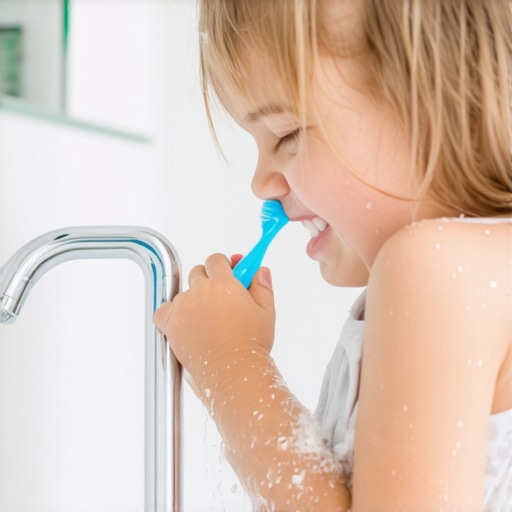 While many believe that a dental crown is just a simple restoration, in reality, there are subtle factors many overlook that can significantly impact longevity and oral health. For instance, common myths like ‘Crowns last forever’ can be misleading; in my experience, the lifespan of a crown heavily depends on proper maintenance and understanding the materials used. Some patients don’t realize that aggressive brushing or using abrasive toothpaste can wear down crowns prematurely, affecting their appearance and function. Expert studies highlight that choosing the right crown type and understanding the importance of regular check-ups ensures optimal results, which can be explored further in maintaining your dental crowns.
A significant trap is assuming that family dentistry is only about routine cleaning. However, advanced issues like hidden decay under fillings or early gum disease can be missed if not identified by an experienced dentist. Preventive measures involve more than just cleaning; they include detailed examinations and patient education on proper brushing techniques and diet, as outlined in family dentistry focus. Making this distinction can prevent costly repairs down the line.
Many underestimate the role of daily oral health routines beyond brushing, flossing, and visiting the dentist. For example, the nuances of selecting suitable oral hygiene products, like fluoride rinses or interdental brushes, can be game-changers. Neglecting these can lead to plaque buildup, tartar formation, and ultimately, periodontal issues. Regularly incorporating such practices, along with professional cleanings, significantly boosts overall health, as elaborated in daily oral routines.
A common mistake is dismissing warning signs due to lack of pain or visible symptoms. Tooth sensitivity, bleeding gums, or receding tissue are often ignored or misunderstood, but they can signify deeper problems. Early intervention is crucial, and understanding the complexities behind these signs can prevent serious complications. For an in-depth preventive approach, see professional cleaning insights.
Addressing these hidden nuances ensures your dental health isn’t just reactive but proactively safeguarded. Remember, each aspect, from choosing appropriate crowns to maintaining a comprehensive oral routine, plays an integral role in your long-term wellbeing. Don’t fall prey to oversimplified beliefs—your mouth deserves detailed attention. Have you ever fallen into this trap? Let me know in the comments.Maintaining optimal oral health requires more than just regular brushing and visiting the dentist; it involves utilizing the right tools to ensure longevity and effectiveness of your dental treatments. From specialized cleaning devices to software that tracks your habits, having high-quality equipment makes a significant difference in achieving and sustaining a healthy smile.
One of my top recommendations is the use of an electric toothbrush with a pressure sensor. I personally use the Philips Sonicare DiamondClean because it effectively disrupts plaque without causing damage to my gums, thanks to its gentle yet thorough cleaning action. The built-in pressure sensor alerts me when I’m brushing too hard, which is a common mistake that can wear down crowns and irritate gums. This feature aligns with the advice found in essential tips for crown longevity.
Additionally, incorporating interdental brushes like FlossAndClean can reach spaces traditional floss might miss, removing plaque and preventing the development of periodontal issues. Over time, these small improvements in daily routines can lead to significant long-term results, reducing the need for more invasive procedures and preserving your natural and restored teeth.
On the software front, apps like BrushDJ serve as a motivating reminder, ensuring you brush for the recommended two minutes and cover all quadrants of your mouth. These digital tools help instill disciplined habits—crucial for maintaining crowns, fillings, and overall oral health. Consistency is key; as many experts suggest, the regularity of your routine often outweighs the intensity.
Prediction indicates that dental maintenance tools will become increasingly intelligent, integrating AI to analyze brushing patterns and suggest personalized tips. This technological trend will enable us to proactively prevent issues before they arise, rather than solely reacting to problems.
How do I keep my dental tools effective over time?
Regularly replacing brush heads—about every three months—maintains cleaning efficiency, while sterilizing your interdental brushes weekly prevents bacteria buildup. Keeping electronic devices like sonic toothbrushes charged and clean ensures they operate at peak performance. Moreover, maintaining your dental environment by cleaning your toothbrush holder and sterilizing tools with UV sanitizers can further prevent bacterial contamination, supporting overall health.
In my experience, investing in quality tools and staying diligent with maintenance routines reduces the frequency and severity of dental issues, especially with crowns and restorations. Remember, your tools are an extension of your commitment to oral health—taking care of them is just as vital as caring for your teeth.
Interested in extending the life of your crowns? Check out tips for maintenance and best practices. I highly recommend trying the pressure-sensitive electric toothbrush, as it can be a game-changer in your daily routine, helping you avoid common mistakes like excessive brushing force which can compromise your restorations. Try one today and experience the difference firsthand!
What I Wish I Knew About Crowns Early On
One of the biggest lightbulb moments came when I realized that not all crowns are created equal—materials, design, and placement matter more than I initially thought. Proper maintenance extended their lifespan and kept my smile looking natural, reinforcing the importance of choosing the right crown type and understanding its unique needs. This insight made me more proactive about regular check-ups and avoiding habits that could wear them down.
The Hidden Power of Daily Habits for Oral Health
I learned that simple routines—like using interdental brushes and fluoride rinses—can drastically improve my family’s dental longevity. These habits prevent plaque buildup beneath crowns and around gums, which often go unnoticed. Incorporating small, consistent actions turned my routine into a shield against future dental issues, highlighting that everyday choices truly impact overall oral health.
Why Sometimes Less Is More in Tooth Hygiene
Initially, I believed scrubbing harder meant cleaner teeth, but I discovered that overbrushing can damage crowns and gums. Gentle, precise brushing combined with high-quality tools made a difference. This lesson taught me to listen to my body’s signals, emphasizing that effective oral care isn’t about force but about technique and consistency.
How Professional Guidance Transformed My Approach
Regular visits and trusting a skilled family dentist uncovered underlying issues like early gum recession or microscopic decay hiding beneath restorations. Personalized advice and tailored cleanings proved essential—they’re not just check-ups but investments in my family’s long-term dental health. This experience underscored that expert support is invaluable for interpreting subtle signs many of us overlook.
The Power of Educating Ourselves About Dental Myths
I used to believe that crowns last forever or that frequent teeth whitening wouldn’t affect them, but debunking these myths changed my perspective. Staying informed helped me make better decisions about diet, habits, and treatments. Learning from authoritative sources like experts’ advice has been a game-changer in maintaining my family’s oral health and confidence.