I still remember the Tuesday night I learned my lesson the hard way. There I was, staring down a fresh, bubbling slice of pepperoni pizza that smelled like heaven. I didn’t wait. I didn’t even blow on it. I took a massive bite, and the molten cheese stuck to the roof of my mouth like tactical-grade adhesive. We have all been there, right? That instant, searing realization that you have just scorched your palate and the next three days are going to be a miserable cycle of skin peeling and sensitivity. It’s more than just a minor annoyance; it’s a literal wound in a place that never gets a break from movement or moisture.
Get Immediate Relief When Your Palate Is On Fire
The first thing I did—and it was a huge mistake—was try to scrape the area with my tongue to see how bad it was. Pro tip: don’t do that. You are just irritating raw tissue. Instead, you need to cool the area down immediately without using ice cubes directly, which can actually cause a frostbite-like burn on top of the heat burn. I eventually learned that a gentle salt water trick that calms gum inflammation is actually one of the best ways to keep the area clean while it heals. Today, I want to show you exactly how to manage these burns so you aren’t suffering for a week straight. We are going to cover what to eat, what to avoid, and when you should actually be worried about that blister. Have you ever tried a home remedy for a mouth burn that actually made things worse?
Is a minor mouth burn really worth all this fuss?
You might think it’s just a little skin sloughing off, but your mouth is a gateway for bacteria. According to the Mayo Clinic, most oral burns are first-degree, but because the mouth is constantly home to microbes, an untreated burn can easily become an entry point for infection. I used to think I could just ignore it, but after one particularly nasty burn led to a secondary infection that felt like a sensitive tooth flare up, I changed my tune. Keeping your oral health routine consistent even when you’re in pain is the only way to ensure that pizza-night-fail doesn’t turn into a week-long medical saga.
[image_placeholder_1]
Stop the burn from deepening right now
The moment that heat hits, your goal is to stop the thermal transfer. Think of your palate like a delicate silk fabric—you wouldn’t scrub a burn on silk, and you shouldn’t scrub your mouth. I’ve found that sipping cold milk or a spoonful of plain yogurt is far more effective than water. The fats and proteins in dairy act like a biological “buffer” that coats the sensitive tissue. If you don’t have dairy, a slow rinse with room-temperature water is your next best bet. Avoid the urge to drink ice-cold soda; the carbonation and acidity will feel like tiny needles on the raw spot.
The soothing power of a honey coat
Nature actually provided a pretty great bandage for the mouth. After the initial cooling, a small dab of honey can work wonders. It’s naturally antimicrobial and sticks to the roof of your mouth better than any over-the-counter gel I’ve tried. Last winter, when I scorched my mouth on a hot toddy, I used honey every two hours. It didn’t just numb the pain; it created a physical barrier against my own tongue. This simple trick is part of the oral health tips every family should follow in 2025 because it’s safe for kids and adults alike.
#IMAGE_PLACE_HOLDER_B#
Ditch the chips and embrace soft textures
For the next 48 hours, your diet needs to be boring. I learned this the hard way at a Mexican restaurant two days after a major pizza burn. I thought I was fine, so I reached for a tortilla chip. One sharp edge of that chip hit the burn site and actually peeled back the healing layer of skin. It was a setback that added three days to my recovery. Stick to “mushy” foods: oatmeal, mashed potatoes, or lukewarm soup. You want to avoid anything with a sharp or crunchy edge that could act like a serrated knife against your palate. While you are at it, steer clear of spicy peppers and citrus. The acid in a lemon or the capsaicin in a jalapeno will cause a chemical burn on top of your heat burn, leading to a level of discomfort that feels like a sensitive tooth flare up but across your entire mouth.
Keep your mouth clean even when it hurts to brush
It is tempting to skip your routine because you don’t want to poke the “bear,” but a dirty mouth heals slower. Plaque doesn’t care that you’re in pain. In fact, it will migrate toward the wound. You need to adapt your teeth cleaning secrets for a sensitive environment. Use a soft-bristled brush and go slow. If the area is too tender for a brush, you can learn how to brush your teeth when you have a canker sore, as the technique is nearly identical: avoid direct contact with the wound but keep the surrounding teeth spotless. Using a gentle, non-alcohol mouthwash—or that salt water rinse I mentioned earlier—is essential. You’re essentially acting as a security guard, keeping bacteria away from the “construction zone” where your body is busy building new skin cells. This is how you prevent a simple burn from becoming a larger issue that requires a trip for family dentistry intervention.
Everyone tells you to just “give it time,” but as someone who looks at oral health through a clinical lens, I can tell you that passive waiting is a rookie mistake. The oral mucosa regenerates faster than almost any other tissue in the body—often within 7 to 14 days—but this process is highly dependent on your mouth’s pH and biofilm balance. One nuance most people miss is that a burn doesn’t just damage the surface; it temporarily alters the local environment, making it easier for plaque to colonize the wound site. When I talk to patients about family dentistry focus building a lifetime of healthy smiles, I emphasize that minor trauma like this is often where bigger issues start if the microbiome gets out of whack. Have you ever fallen into this trap? Let me know in the comments.
Stop treating your mouth like external skin
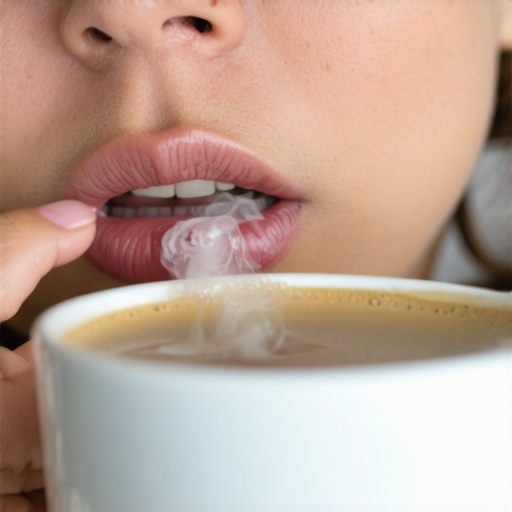
The biggest myth I encounter is that you should treat an oral burn with the same ointments or antiseptics you’d use on a scraped knee. Using over-the-counter creams not intended for mucosal use can actually trap bacteria against the wound or cause chemical irritation. According to research published in the International Journal of Molecular Sciences, saliva contains unique proteins like histatins that are specifically designed to accelerate wound closure, but they require a neutral pH to function. This is why I tell people to avoid coffee and soda entirely for 48 hours. The acidity doesn’t just sting; it literally deactivates your body’s natural healing enzymes.
Does a pizza burn actually threaten your expensive dental crowns?
It sounds dramatic, but it is a question I get often from patients who just invested in their smile. While the heat from a piece of food likely won’t melt the porcelain, it can cause the surrounding gum tissue to recede or become inflamed, which mimics the feeling of a failing restoration. If you notice why your dental crown might feel loose when you eat sticky candy or sensitive to heat, it might be the inflamed tissue around the base rather than the crown itself. Keeping that area clean is vital. You should follow the same maintaining your dental crowns dos and donts for best results even when you’re dealing with a palate burn to ensure the bacteria doesn’t seep under the margin of the tooth.
The hidden danger of whitening while you heal
Here is the “oops” factor I see most often: someone burns their mouth, but they don’t want to stop their cosmetic routine. If you are currently using whitening strips or abrasive pastes, stop immediately. Products like those mentioned in the truth about the charcoal whitening trend are incredibly abrasive. On healthy enamel, they might be okay, but on a raw, burned palate, those tiny particles act like sandpaper on an open wound. I’ve seen patients turn a simple first-degree burn into a painful, bleeding ulcer just because they didn’t want to skip their whitening routine for two days. Stick to a basic oral health routine using a non-whitening, fluoride toothpaste until the skin is completely smooth again.
Why your “natural” remedy might be delaying recovery
I’ve heard it all—from applying essential oils to using undiluted apple cider vinegar. These are often too harsh for the delicate tissue of the palate. If you want a more advanced approach than just salt water, look for a rinse containing hyaluronic acid, which is becoming a staple in oral health tips every family should follow in 2025. It helps maintain the moisture barrier and provides a “slip” that prevents your tongue from further irritating the area. Remember, the goal isn’t just to kill bacteria; it’s to protect the new, fragile cells as they reach the surface. By avoiding the common traps of acidity and abrasion, you can cut your recovery time in half and get back to enjoying your favorite foods without the fear of that familiar, searing sting.
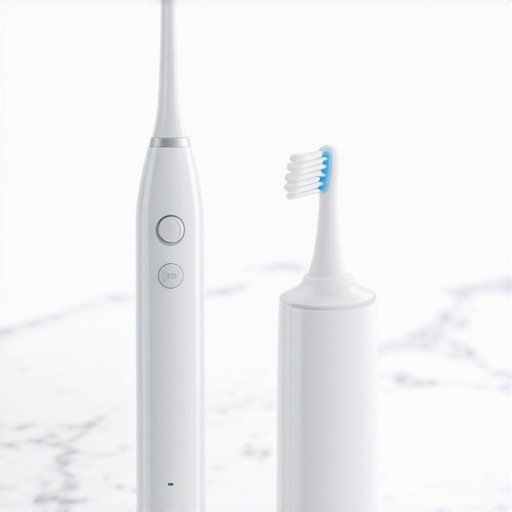
Once the initial sting of a palate burn subsides, the real work of maintenance begins. I personally swear by the combination of an ultrasonic toothbrush and a water flosser. Why? Because when your palate is tender, the high-frequency vibration of a quality electric brush cleans effectively without the aggressive mechanical scrubbing motion that can tear new skin. It is a total game-changer for anyone who has ever wondered why your gums bleed when you switch to an electric toothbrush, as the built-in pressure sensors prevent you from over-cleaning the sensitive areas. This specialized equipment is now a cornerstone of my own oral health routine strengthening your smile every day because it removes the manual guesswork that often leads to irritation.
How do I maintain my oral health routine during recovery?
The secret is consistency without the trauma. For those of us with dental work, following expert advice on crowns and teeth cleaning for lasting results often highlights the need for extreme soft-tissue care. I use a specific mucoadhesive gel that contains high-molecular-weight hyaluronic acid. A study published in the Journal of Oral Rehabilitation found that these gels provide a protective ‘film’ that remains stable for hours, which is far more effective than a liquid rinse that washes away in minutes. This extra layer is absolutely crucial when you are caring for crowns essential tips for longevity and shine, because it prevents bacteria from nesting in the inflamed margins while your palate heals.
The future belongs to bio-integrated sensors
I genuinely believe we are on the verge of a massive shift in how we handle home maintenance. In the next few years, I predict we will see bio-integrated sensors in our toothbrushes that can detect inflammatory markers in our saliva—basically flagging tissue distress before you even feel the heat of a burn. This technology will perfectly complement a family dentistry focus building a lifetime of healthy smiles by turning your morning routine into a diagnostic check-up. For now, the best thing you can do is master teeth cleaning secrets effective home practices for family dental health. If you are worried about the impact of regular teeth cleaning on overall oral wellness, remember that high-tech prevention is always cheaper than reactive treatments.
Protect the foundation of your smile
If you have already invested in your teeth, understanding the role of crowns in modern smile makeovers means knowing that the gum and palate health around those crowns is just as vital as the porcelain itself. Don’t let a minor pizza-night accident turn into a chronic inflammation issue. My big recommendation for you this week is to follow the latest oral health tips every family should follow in 2025: go buy the softest toothbrush available and use it for the next seven days to allow your mouth’s natural barrier to fully reset. Your gums—and your future dental bills—will thank you for the break.
The Hardest Lessons Learned From a Scorched Roof
I’ve spent years analyzing oral tissue, but I’ve also spent years being a guy who eats pizza too fast. Those dual perspectives taught me that we often treat our mouths like they are indestructible. One thing you must realize is that saliva is your best friend, but pH is the boss. If you keep drinking acidic coffee while your palate is raw, you are actively deactivating the enzymes that repair your skin. Another hard truth? Friction is the enemy. Every time you poke the burn with your tongue to see if it still hurts, you are literally scraping away the scaffolding your body just built. I also learned that a burned palate can sometimes mask or even trigger deeper nerve responses, which is why knowing how to stop a minor toothache from becoming a major emergency is a vital skill for anyone prone to these little accidents.
Gear That Speeds Up Your Recovery
When you are in the thick of a healing cycle, your standard toolkit needs a temporary upgrade. I personally rely on three specific things to get back to 100% in half the time. First, ditch the medium brush for a surgical-soft version; the reason why your dentist wants you to stop using hard bristles becomes painfully obvious when you have an open wound on your palate. Second, I swear by a simple salt water rinse used three times a day—it is the ultimate low-tech way to keep the area sterile without the burn of alcohol. Finally, if you usually whiten your teeth, pivot to how to maintain a bright smile without using abrasive strips during this week to avoid chemical irritation on your raw skin. This targeted approach is how you manage a sensitive mouth without sacrificing your progress.
[image_placeholder_final]
Start Strengthening Your Smile Today
Don’t wait for the next pepperoni-induced disaster to take your oral hygiene seriously. A resilient mouth heals faster, and that resilience is built through a consistent oral health routine strengthening your smile every day. Whether you are managing natural teeth or caring for crowns essential tips for longevity and shine, the goal is always the same: create an environment where your body can defend itself. Take a deep breath, let that next slice of pizza cool for two minutes, and treat your palate with the respect it deserves. What is the weirdest thing you have ever tried to soothe a burnt mouth? Let me know in the comments below!