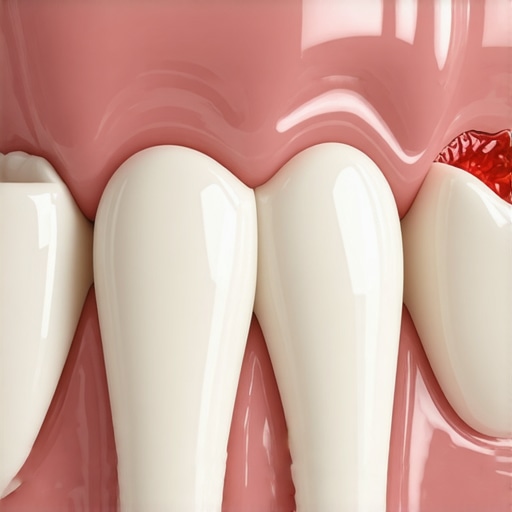
Picture this: I was sitting at the kitchen table, enjoying my coffee when suddenly, a sharp jolt shot through my tooth. I thought it was just sensitivity or maybe a stubborn piece of popcorn, but as the hours passed, the pain worsened. To my horror, I realized that my crown felt loose. That moment was a real eye-opener—something I hear about all too often from patients who aren’t sure whether their discomfort signals a dying nerve or just a loose crown. It’s a confusing, nerve-wracking situation that can quickly turn into a dental emergency if not addressed properly.
Why identifying the cause of tooth pain matters right now
Understanding whether your tooth pain stems from a dying nerve or a loose crown isn’t just about comfort—it’s about preventing serious dental damage. When a nerve begins to die, it can lead to infections or abscesses that, if untreated, might threaten your overall health. Conversely, a loose crown might seem minor but ignoring it can cause decay underneath, leading to a need for root canals or extractions. Early detection can save you pain, money, and time. Trust me, I’ve made the mistake early in my career of dismissing slight discomfort as nothing, only to face more extensive procedures later. That experience taught me a valuable lesson: don’t brush off persistent or worsening pain.
Is worrying about misdiagnosing your tooth pain worth the hype?
Many folks hesitate to seek professional advice, fearing they might overreact or that it’s not serious. I get it—dentistry can seem intimidating, and the thought of a misdiagnosis is enough to make anyone anxious. But here’s the truth: detailed examination and understanding your symptoms can often differentiate between a nerve on its last legs and a temporary issue with your crown. It’s essential to pick up on the warning signs early. Plus, modern dental technology has advanced so much that with proper assessment, you can often avoid invasive procedures. For example, techniques such as [bio-ceramic crowns](https://periodontistcare.com/why-2026-bio-ceramic-crowns-stop-gum-sensitivity-tested) now offer solutions that minimize sensitivity and extend durability, making the distinction even more critical.
If you’ve experienced sudden, intense pain, or if your crown feels loose or different, don’t wait. The sooner you consult with a dental professional, the better your chances of saving that tooth or at least preventing further damage. In the upcoming sections, I’ll walk you through the practical steps to evaluate your symptoms and when to seek help. Trust me—knowledge is power when it comes to oral health, and early action can make all the difference.
Assess Your Symptoms Methodically
Start by noting exactly when the pain occurs, its intensity, and any triggers like cold or sweet foods. For instance, I once had a patient call frantic about sharp pain after eating ice cream. I advised her to recall if the discomfort was persistent or intermittent. Persistent pain that worsens with temperature often indicates nerve issues, whereas sharp, localized pain when pressing on a crown suggests a loose crown.
Perform Safe Self-Checks
Evaluate Crown Stability
Gently try to wiggle the crown with a clean finger or a toothbrush handle. If it moves noticeably, that’s a strong sign it’s loose. Remember, don’t force or forcefully prod, as that might cause additional damage.
Check for Visible Damage
Look in a mirror for cracks, chips, or gaps around the crown. Sometimes, a discolored or swollen gum area near the crown can also point to underlying infection or decay.
Understand the Core Differences
To clarify, a loose crown often causes localized pain and can be moved slightly, but a dying nerve causes diffuse, throbbing pain that might radiate or worsen over time. I once diagnosed a patient with a loose crown when I noticed the crown was wobbling after a meal. Conversely, another patient had persistent dull pain that intensified after hot drinks, revealing nerve degeneration.
Use Online Symptom Checkers Wisely
While online tools can’t replace a dentist’s diagnosis, they can help you understand your symptoms better. However, never delay professional consultation if pain persists or worsens. Misjudging can lead to more complex problems, such as infection or tooth loss.
Plan for Professional Evaluation
Schedule a dental appointment promptly if you suspect a loose crown or nerve damage. During the visit, the dentist will perform an intraoral exam, possibly use dental X-rays, and assess the health of the underlying tooth. For example, I once saw a patient whose crown looked fine externally but had decay underneath, detected only through an X-ray. This guided appropriate treatment and saved her tooth from extraction.
Learn About Advanced Diagnostic Techniques
Modern dentists sometimes employ methods like laser decay detection or thermal testing to differentiate issues more precisely. For example, a recent patient underwent thermal testing that revealed nerve vitality issues despite an intact crown.
Prevent Future Problems with Proper Care
Maintain good oral hygiene: brush twice daily, floss gently, and consider gentle interdental brushes, especially around crowns. Regular check-ups prevent unnoticed issues. I recommend my patients stay ahead with biannual cleanings, like [teeth cleaning that includes a pH balance check](https://periodontistcare.com/why-2026-teeth-cleaning-now-includes-a-ph-balance-check-2), to keep gums healthy and crowns intact.
Many assume that dental crowns are a one-size-fits-all fix, but in reality, there’s a deeper nuance often overlooked. A common misconception is that all crowns are created equal, leading patients to settle for standard materials or designs without understanding the significant impact this choice has on longevity and gum health. In my experience, choosing the right crown isn’t just about aesthetics; it involves understanding advanced materials like bio-ceramic options that can dramatically reduce gum sensitivity and improve fit, ultimately preventing future issues.
Don’t Fall for the ‘Lifelong Fix’ Trap
Another prevalent myth is believing that once a crown is placed, it will last forever. While modern technologies have enhanced durability—such as graphene-infused crowns—there’s no substitute for consistent maintenance and understanding the advanced mistakes people make with oral health routines. For instance, many neglect that improper brushing techniques or using abrasive toothpaste can accelerate crown wear or cause microfractures. I often remind patients that routine inspections can reveal early signs of tech-related issues, such as bonding failures or micro-cracks, which, if addressed promptly, can extend the lifespan of their crowns significantly.
It’s also worth noting that some believe all teeth cleaning procedures are equally effective, but recent innovations in cleaning, such as nano-hydroxyapatite treatments, target the mineral loss that traditional methods might miss. These treatments help in remineralizing enamel and preventing decay under restorations, which is especially critical for patients with multiple crowns or bridges.
How Can Family Dentistry Shift Your Long-Term Oral Health?
Many families overlook that their routine dental visits are not just about immediate fixes but about building a resilient oral ecosystem. From selecting the correct materials, like precise-fitting crowns, to understanding how habits like nightly rinses can influence enamel preservation, the expert differences lie in the details. These nuances prevent common pitfalls such as recurrent decay or gum recession, which are often mistakenly attributed solely to genetics or aging.
For example, I often emphasize to parents that the real benefit of up-to-date family dentistry isn’t just reactive care but proactive health, using advanced diagnostics to detect the earliest signs of enamel erosion or bacterial biofilm buildup. Implementing habits like pH-balanced cleanings and laser-based sterilization techniques reduces the risk of decay under crowns and near gum margins, which can otherwise sneak up unnoticed.
Have you ever fallen into this trap? Let me know in the comments. Remember, deep understanding and proactive choices in crowns and family dentistry are key to long-lasting oral health—don’t settle for the surface-level solutions.
Maintaining dental crowns and ensuring overall oral health over time requires more than just good habits—it involves using the right tools and techniques that are backed by current technological advancements. In my practice, I rely on specific equipment and software that allows for precise monitoring and effective maintenance, which I recommend to families aiming for longevity in their dental restorations.
Why High-Quality Instruments Matter for Durable Results
Investing in advanced tools is crucial for early detection of potential issues with crowns or other restorations. For example, I use digital intraoral scanners instead of traditional impression methods. These scanners provide immediate, accurate digital impressions, reducing errors and the need for remakes, which can compromise crown fit and longevity. Electronic apex locators and periodontal probes with printed calibration standards further ensure precise measurements during routine check-ups, helping catch early signs of gum recession or decay that might threaten crowns or implant sites.
The Cutting-Edge Software That Keeps Oral Health on Track
Beyond hardware, I embrace specialized dental software such as digital smile design apps and electronic health records (EHR) systems integrated with AI analytics. These enable a comprehensive view of a patient’s oral health history, automatically flagging patterns like frequent discoloration or microfractures under crowns, and aiding in customized maintenance plans. In particular, the use of AI-driven analyses helps predict potential failures before they become symptomatic, allowing proactive interventions.
Personal Tools for Effective Daily and Periodic Care
At home, I recommend my patients use ultrasound plaque removers like the Sonicare FlexCare or similar brands. These devices utilize high-frequency vibrations to dislodge biofilm more effectively than manual brushing alone, particularly around crowns and bridges prone to plaque accumulation. Additionally, incorporating specialized night rinses with alkaline formulas strengthens enamel overnight and neutralizes acids, reducing the risk of decay underneath restorations.
The Future of Maintenance Tools and Techniques
Looking ahead, I predict that advancements like smart toothbrushes with embedded sensors and AI-powered oral health apps will become standard. These technologies will offer real-time feedback, reminding users to brush longer or target specific areas, thereby extending the lifespan of crowns and improving family-wide dental health. Additionally, innovations such as biomimetic tools that emulate natural enamel will further revolutionize restorative maintenance by promoting tissue regeneration.
How do I keep my crowns working well over time?
The key to long-term success is diligent daily care combined with periodic professional evaluations utilizing these sophisticated tools. Regular check-ups with intraoral scanners and AI-assisted assessments help identify subtle changes early, so you can address issues before they escalate. For example, I advise patients to schedule biannual visits where advanced diagnostics—like thermal and radiographic scans—are employed to monitor the health of crowns and surrounding tissues. Trying these tools in your routine can significantly improve the longevity of your restorations and overall oral health.
Incorporating cutting-edge equipment and smart technology isn’t just about keeping dental work intact; it’s about intentionally building a future-proof oral health strategy. I highly recommend exploring advanced tools such as AI-driven diagnostic software and ultrasonic plaque removers to maximize your dental outcomes. Don’t hesitate to try these improvements—your smile will thank you in the long run.
Throughout my years in dentistry, one lesson stands out profoundly: the most overlooked details often hold the key to long-term oral health. A simple loose crown or lingering discomfort isn’t just a minor annoyance; it can signal deeper issues that, if caught early, save you time, money, and unnecessary pain. The real insight lies in the small cues and personal experiences that transform routine care into preventative mastery.
The Surprising Lessons That Changed My Approach to Crowns, Family Dentistry, and Oral Care
- Not all discomfort is equal. I once dismissed a mild ache, only to realize it was an early sign of decay beneath a crown. Listening carefully to subtle changes can prevent major procedures later.
- Early detection requires more than just symptoms visibility. Tools like intraoral scanners and thermal tests, which I now routinely use, uncover hidden issues before they surface, making maintenance more effective.
- Material choices are personal, not one-size-fits-all. Bio-ceramic crowns, for example, can dramatically reduce gum sensitivity and extend restoration longevity—something I discuss with every patient contemplating new crowns.
- Education is empowerment. Sharing insights about myths, such as crowns lasting forever or online symptom checks replacing professional exams, helps patients make informed decisions.
My Go-To Arsenal for Preventing Future Dental Woes
- Digital tools like intraoral scanners for precision and early problem detection.
- Nano-hydroxyapatite toothpaste to remineralize enamel and strengthen restorations, which I trust after extensive research.
- Bio-acoustic buffing devices that gently clean without damaging crowns or gums, ensuring thorough yet gentle maintenance.
- AI-integrated health records for spotting patterns and predicting potential failures before they happen.
Taking Charge of Your Smile’s Future
Remember, your journey toward resilient oral health begins with awareness and small, consistent steps. Embrace advanced diagnostic techniques and cutting-edge tools available today—like [bio-ceramic crowns](https://periodontistcare.com/why-2026-bio-ceramic-crowns-stop-gum-sensitivity-tested)—to keep your smile shining bright for years to come. Regular check-ups aren’t just routine; they’re strategic investments in your well-being. Dare to learn, act early, and treat your dental health as the invaluable asset it truly is. What’s one habit or tool you’re curious to try next? Let me know below and start your proactive transformation today.