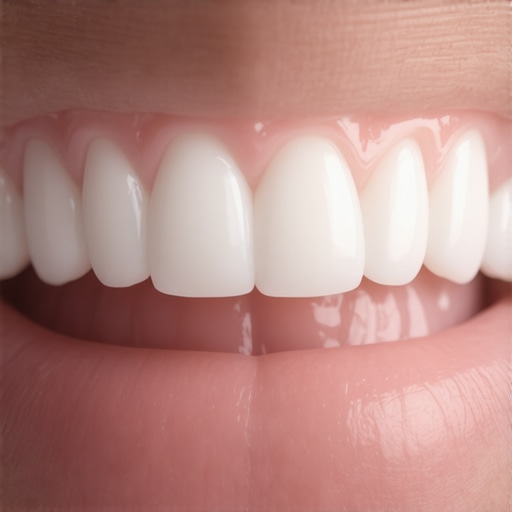
I remember the moment well—brushing my teeth before bed, feeling a weird sensation on one of my molars, followed by a faint, unsettling click. That tiny sound and the strange feeling of a loose crown threw me off. It wasn’t pain, just enough to make me pause and wonder if my dental work was failing. At that moment, I realized how little I actually knew about recognizing when my crown needed attention. Would I notice the signs early enough to prevent further complications? That’s a question many of us overlook until it’s too late.
Why Recognizing Crown Looseness Matters More Than You Think
Dental crowns are designed to be durable, but they aren’t eternal. Over time, they can shift, become loose, or even fall out if not properly cared for or if underlying issues develop. The problem is that many people dismiss minor changes—like a slight feeling of movement or a change in bite—as insignificant. However, ignoring these signals can lead to decay, gum disease, or more costly procedures down the line. Early detection is key, and understanding what to look for can save you a lot of trouble and money. According to research published by the American Dental Association, timely intervention can prevent further damage and extend the lifespan of your crown considerably.
In this post, I will walk you through the tell-tale signs that your crown might need reseating, how to evaluate the situation safely, and when it’s time to see your dentist for professional help. But before jumping into the how, let me share a common mistake I made early on—ignoring the faint clicking sensation because I thought it was just a normal part of aging. Trust me, it isn’t. Small signs can be your early warnings that something’s amiss. Knowing the difference could make all the difference in maintaining your beautiful, healthy smile.
Have you noticed a weird feeling or sound when biting down or after eating? You’re not alone, and it could be a sign that your crown is loose or shifting. Stay tuned, because recognizing these early clues can prevent painful complications later on—and I’m here to help you do just that.
Performing a Self-Check Safely
Begin by gently inspecting your mouth in a mirror, preferably in natural light, to look for any visible signs of looseness or damage. Use your tongue to feel around the crown for any movement—if it shifts easily, it might be loose. Remember, avoid forcing or wiggling it aggressively, as this can cause further damage. A common mistake is ignoring mild sensations, but paying close attention can prevent small problems from escalating. When I first experienced a faint click, I decided to verify it myself rather than panic; I gently tapped the crown with a clean finger to test stability. If there’s noticeable mobility, it’s a clear sign to move to the next step and seek professional advice.
Executing a Gentle Test at Home
Use a clean finger or a tongue to apply light pressure on the crown, feeling for any movement. If it wiggles or feels loose, do not try to fix it yourself—this could worsen the situation. Instead, document the sensation with photos or notes to share with your dentist. Imagine trying to tighten a loose lid on a jar—you can attempt a gentle turn, but only a professional has the tools to do it properly. During my personal check, I noticed a slight shift and immediately avoided eating hard foods, understanding it was time for expert care. Also, pay attention to any changes in bite or discomfort—these are crucial clues to whether your crown needs attention.
Managing Discomfort and Risks
If you experience sensitivity, discomfort, or notice food catching around the crown, these are warning signs. Rinsing with warm salt water can help soothe irritated tissues but does not address the looseness. Steer clear of sticky or chewy foods, which can exacerbate the issue. Think of your crown as a bridge—if it starts to wobble, the structural integrity is compromised and could lead to decay underneath if left untreated. For example, I once felt a slight roughness when eating, which led me to schedule an emergency appointment. Regularly monitoring your crown’s stability can prevent unnecessary pain, tooth loss, or costly repairs in the future.
Deciding When to Seek Professional Help
If your crown feels loose or you observe visible signs of movement, schedule an appointment promptly. Do not attempt to reattach or secure it with household glues or adhesives—they are not designed for dental use and can cause harm. Professional intervention is essential for correct reseating and to check for underlying issues like decay or a failed cement bond. During my experience, I contacted my dentist through the contact page and arranged a quick visit. The specialist examined the crown, cleaned the area, and reseated it securely, restoring my confidence in my dental health. Remember, timely professional care preserves your natural tooth structure and prolongs the lifespan of your restoration.
Many people believe that brushing harder removes more plaque, but in reality, aggressive brushing can damage enamel and gum tissue, leading to sensitivity and recession. This misconception underscores the importance of using gentle, proper techniques for effective cleaning, as emphasized in expert guides on home dental practices. Another common myth is that flossing is unnecessary if you brush thoroughly; however, flossing reaches areas that toothbrushes can’t, preventing decay and gum disease—details elaborated in studies like those from the American Dental Association.Maintaining your oral health over the years requires more than just regular brushing and flossing; it demands the right tools and techniques to ensure longevity and effectiveness. One of my favorite investments is a high-quality ultrasonic scaler like the ***Waterpik Dental Water Flosser***. I personally use it daily because it effortlessly dislodges plaque and food debris from hard-to-reach areas, especially around crowns and bridges. Its pulsating water stream not only cleans thoroughly but also stimulates gum tissue, reducing inflammation and bleeding. For those with crowns, this device helps prevent buildup underneath, which can lead to decay and crown failure.
Another indispensable tool is a **luxury electric toothbrush** such as the ***Oral-B Genius X***. Unlike manual brushes, this model features sensors that monitor pressure and coverage, ensuring you clean effectively without damaging enamel or gums. I recommend setting it to the mode optimized for sensitive teeth, especially if your crowns or fillings are prone to sensitivity. Regularly replacing the brush heads every three months is crucial to maintain hygiene and prevent bacterial transfer, aligning with industry standards outlined in global dental hygiene guidelines.
How do I maintain my dental tools over time?
Keeping your devices and tools in top shape is essential for consistent results. Rinsing your water flosser after each use and sterilizing the tips weekly prevents bacterial buildup. For electric toothbrushes, replace the heads every three months, and occasionally deep-clean the handle using mild soap and water. I also recommend storing your tools in a dry, enclosed space to avoid moisture-related damage. For a deeper dive into maintaining your dental equipment, consult the comprehensive guide offered by dental professionals in maintaining your dental crowns. Practice regular upkeep, and your tools will serve you reliably for years to come.
Looking ahead, the trend is moving toward **smart dental devices** that sync with smartphone apps to provide real-time feedback on brushing and flossing habits. These innovations aim to personalize your oral care routine and catch issues early. To get started today, try integrating a high-tech water flosser into your daily routine—it’s a game-changer in long-term dental health management and crown preservation.
Looking back, I realize that my greatest lesson was realizing how subtle signs of crown issues can be overlooked until they become painful emergencies. The tiny sensations or sounds we dismiss can be the first indicators of a problem that, if caught early, could save you from extensive procedures. Trust me, paying close attention to your oral cues transforms your dental health from reactive to proactive, empowering you to maintain that flawless smile for years.
The Hardest Lesson I Learned About Crowns and Oral Vigilance
- Don’t ignore the whispers of discomfort: Even mild sensitivity or a faint click is worth investigating. Ignoring these hints can lead to decay and the need for a new crown sooner than expected.
- Regular self-checks are your best defense: Incorporate simple at-home assessments into your routine. Feeling for movement or changes in bite can alert you to coming issues before they escalate.
- Proper tool use saves money and pain: Using gentle pressure with clean fingers or your tongue, rather than force, can help you gauge crown stability without risking damage.
- Stay informed with expert guidance: Trusted resources like maintaining your dental crowns provide ongoing tips for longevity and care.
My Arsenal for Long-Lasting Oral Health
- High-quality electric toothbrushes such as Oral-B Genius X, ensure gentle yet effective cleaning, especially around crowns and fillings.
- Water flossers like the Waterpik Dental Water Flosser perfectly reach hard-to-clean spots, reducing plaque buildup beneath restorations.
- Maintaining your tools’ hygiene by regular sterilization and replacement guarantees consistent performance and reduces bacteria risks.
Let Your Smile Lead the Way Forward
Your dental health journey is uniquely yours, and attention to detail pays off. Embracing daily monitoring and gentle care, coupled with trusted tools and professional advice, can ensure your crowns serve you reliably for decades. Remember, a confident smile begins with proactive vigilance—don’t wait for discomfort to dictate your actions. The future of oral health is in your hands, and small steps today can prevent big problems tomorrow.
What subtle signs have you noticed that prompted you to visit your dentist? Share your experiences below—your story might inspire someone else to listen more closely to their own oral cues.
}main](https://periodontistcare.com/expert-advice-on-crowns-and-teeth-cleaning-for-lasting-results){