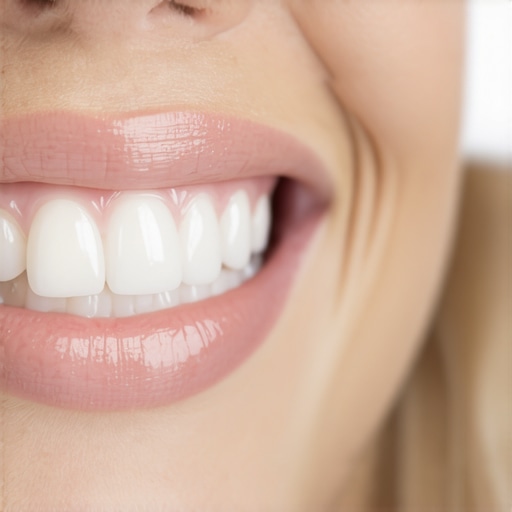
I remember the moment clearly—biting into an apple and feeling that sudden, unmistakable chip in my front tooth. It was a lightbulb moment that made me realize my dental choices could seriously impact my confidence and comfort. Like many, I underestimated the importance of a well-chosen dental crown until I faced that awkward, self-conscious feeling every time I smiled. That experience pushed me to dig deeper into options beyond traditional metals, and what I discovered changed my approach to dental care.
Embracing Aesthetic Excellence
When it comes to dental crowns, aesthetic appeal matters just as much as function. Ceramic crowns, in particular, offer a natural look that seamlessly blends with your existing teeth. Unlike metal crowns, which can cast a dark shadow and sometimes cause a gray line at the gum margin, ceramic crowns mimic the translucency and color of natural enamel. This means you don’t have to hide your smile anymore—something I personally struggled with early on, often covering my mouth during photos.
What truly sold me on ceramic options was their ability to restore confidence without sacrificing beauty. If you’re like I was, hesitant about visible dental work, ceramic crowns could be the game-changer you need.
Is the Cost Still a Concern?
Many people worry that ceramic crowns are prohibitively expensive or that they won’t last as long as their metal counterparts. Early in my reading, I made the mistake of dismissing ceramic as just a cosmetic fix—it’s far more durable than I initially believed. Advances in materials like zirconia have significantly increased their longevity, making them a worthwhile investment.
Supporting this, a study published in the Journal of Esthetic and Restorative Dentistry highlights that ceramic crowns can last over a decade with proper care, comparable to metal crowns but with far better aesthetic outcomes. So, if longevity and appearance are your concerns, ceramic crowns continue to prove their worth.
Ready to consider a change? If you’ve faced falling short in confidence due to flawed or damaged teeth, exploring ceramic crowns might be the step towards a brighter, more confident smile. Don’t forget—regular dental visits and good oral habits are essential for maintaining your crown’s shine and health. For personalized advice, consider scheduling a consultation at your local dental office.
Stay tuned as we dive into how ceramic crowns can be tailored to your unique dental needs and what you should know before making the switch.
Start with a Clear Diagnostic
Before you decide on a crown, schedule a comprehensive dental exam to determine the extent of damage or decay. During my own appointment, the dentist used specialized X-rays to assess the root and surrounding bone health, ensuring a stable foundation for the crown. This step prevents surprises down the road and sets the stage for successful restoration.
Choose the Right Material for Your Crown
Research your options—ceramic, zirconia, or porcelain-fused-to-metal—each has unique benefits. I opted for zirconia after learning about its durability and natural appearance, especially suited for molars where chewing force is high. Discuss with your dentist which material aligns with your aesthetic preferences and functional needs.
Consult Your Dentist
Set up an appointment at your local dental office to get professional advice tailored to your situation. Don’t skip this; a specialist can guide you through selecting the best type of crown and prepare your tooth properly for placement. It’s like hiring a craftsman to ensure the job is done right the first time.
Prepare Your Tooth for Crowning
In-office, the dentist will remove decay and shape your tooth to fit the crown perfectly. I remember a messy morning trying to mimic this step at home—filing down my own tooth was a bad idea. Always trust your professional to perform this safely and accurately. Proper preparation is essential for fit and longevity.
Take Accurate Impressions
Your dentist will take precise molds of your prepared tooth, often using digital scanners. These impressions guide the creation of your crown. Missteps here can lead to discomfort or misalignment, so confirm that the staff takes their time to ensure accuracy—think of it as capturing the blueprint for a new house.
Fabricate and Fit the Crown
The lab crafts your crown based on the impressions. While waiting, your dentist might fit a temporary crown to protect your tooth. During my visit, I opted for a temporary with a higher lip line for aesthetic reasons, which added a bit of a challenge when eating—so be cautious with sticky, hard foods during this period.
Seal the Permanent Crown in Place
Once ready, your dentist will verify fit, color, and bite. They will cement the crown with special dental adhesive, ensuring a strong bond. I learned that asking questions about the cementing process helps you understand how your new crown will hold up and what to do if problems arise, like sensitivity or looseness.
Maintain Your Crown Effectively
Proper oral hygiene is key. Brush and floss around your crown daily with gentle techniques. I recommend using effective home cleaning practices to prevent plaque buildup. Regular check-ups ensure your crown remains healthy and intact—think of it as routine maintenance for a high-performance vehicle.
Address Problems Quickly
If you notice any discomfort, looseness, or chipping, consult your dentist promptly. Ignoring issues can lead to more extensive problems. Remember, a well-maintained crown can last over a decade if properly cared for—more reason to be proactive.
Many people assume that dental crowns are a straightforward solution for damaged teeth, but in reality, there’s more complexity involved. One common misconception is that all crowns are equally durable; however, advanced materials like zirconia have significantly improved the lifespan and strength of crowns, making them suitable even for molars subjected to high biting forces.
Another frequently overlooked aspect is the importance of precise crown placement. Poorly fitted crowns can lead to issues like secondary decay or gum inflammation, which many overlook until symptoms become severe. Proper fit isn’t just about appearance—it’s crucial for long-term health and functionality. For an in-depth look into how crowns can enhance your smile’s confidence, check out this resource.
A hidden trap that patients often fall into involves neglecting surrounding gum health during crown placement. If the gum tissue isn’t properly managed, it can recede or become inflamed, compromising both aesthetics and longevity. Regular maintenance and professional guidance are vital—don’t rely solely on DIY techniques. For effective at-home practices, visit this guide.
For those considering crowns, many assume that once it’s placed, no further care is needed. In truth, maintaining oral health involves consistent hygiene, routine check-ups, and being vigilant about any discomfort or changes. Neglecting these can shorten the crown’s lifespan and lead to more costly interventions. To ensure your crowns last, explore this comprehensive advice.
Have you ever fallen into this trap? Let me know in the comments. Remember, understanding these nuances empowers you to make informed decisions about your dental health and avoid common pitfalls.Maintaining your dental crowns over time requires the right tools and consistent habits. Personally, I rely on a high-quality electric toothbrush with a fine, soft-bristled head, like the Oral-B Genius X. Its oscillating-rotating action efficiently removes plaque without damaging the surrounding gum tissue, which is crucial for the longevity of crowns. Additionally, using a water flosser such as the Waterpik Aquarius has transformed my oral hygiene routine. It reaches deep between teeth and around the crown margins, areas prone to plaque buildup where traditional floss often misses. As I’ve learned from expert advice, investing in quality tools is a proactive approach to preservation.
3 Unspoken Truths About Dental Crowns That Changed My Perspective
One of my biggest breakthroughs was realizing that selecting the right crown material can significantly influence both the lifespan and appearance of your restoration. I discovered that zirconia isn’t just durable but also aesthetically versatile, a game-changer for molar replacements. Additionally, understanding the importance of precise crown fit prevented future complications like gum inflammation or secondary decay. Lastly, I learned that maintaining a tailored oral hygiene routine around crowns—using tools like soft toothbrushes and water flossers—can double their longevity, highlighting that ongoing care is as vital as the procedure itself.
My Go-To Resources to Keep Your Smile Strong
I rely on a few trusted sources that help me navigate complex dental decisions. First, Expert Advice on Crowns and Teeth Cleaning offers insights grounded in real-world experience, making it invaluable for understanding how to care for crowns. I also consult books like Smile Bright, which demystifies cosmetic dentistry choices, and regularly check this resource on smile makeovers to stay inspired. Lastly, professional recommendations from my dentist always reinforce what tools and habits truly support long-term oral health.
What This Journey Has Taught Me About Confidence and Care
Taking charge of my dental health, especially after experiencing that chipped tooth, empowered me to pursue a brighter, healthier smile. I want you to know that investing time in understanding crowns and oral hygiene isn’t just about aesthetics—it’s about reclaiming confidence and comfort. Don’t wait for a crisis to consider your dental choices—start today. If you’re ready to explore options tailored specifically for your needs, reach out to a professional. Remember, your smile is your best accessory—nurture it well. What’s been your biggest learning about maintaining dental health? Share your story below and join the conversation.