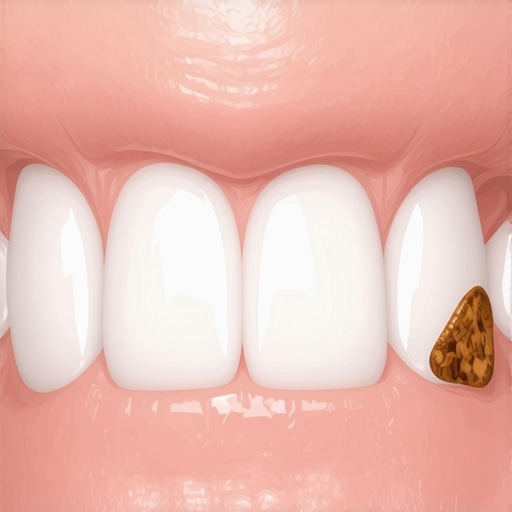
One evening, I looked in the mirror and noticed a dark spot on one of my molars. My heart sank—I started envisioning a costly dental visit or even losing a tooth. It was a wake-up call. For a moment, I froze, unsure whether that mysterious mark was just a stubborn stain or something more serious like a cavity. Turns out, many of us face this exact dilemma, and it can be downright confusing.
Why Recognizing the Difference Matters More Than You Think
Over the years, I’ve learned that understanding whether a discoloration is a stain or a cavity can save you from unnecessary anxiety—and potentially serious dental issues. A stain is usually just external, caused by foods, drinks, or habits like smoking. A cavity, however, goes deeper, damaging the tooth structure itself. Misidentifying one for the other might lead you to ignore a sign of decay or, worse, get unnecessary treatments. According to research by the American Dental Association, early detection of cavities can prevent bigger problems and save you money in the long run.
Is Your Concern Just a Stain, or Should You Worry About Cavities?
Early on, I made the mistake of dismissing all dark spots as stains—trust me, I’ve been there! But I learned that not all discolorations are equal. Some stains are easily removable with good oral hygiene and professional cleanings. Others—like spots that feel rough, are stubborn, or are accompanied by sensitivity—might be cavities in the making. Recognizing the difference can be tricky, but it’s worth the effort. If you’re unsure, visiting your dentist for an expert opinion is the best course of action. They can tell you if that suspicious mark is just a surface stain or an early sign of decay. For comprehensive tips on maintaining your oral health and preventing issues like cavities, check out oral health tips every family should follow in 2025.
So, have you ever been uncertain about a discoloration on your teeth? That’s a common experience, and you’re not alone. In the sections ahead, I’ll share practical steps I’ve used—and learned—to help you distinguish between stains and cavities, empowering you to take confident action for your smile’s health.
Assess the Discoloration Carefully
Start by observing the dark spot’s location, texture, and any associated symptoms like sensitivity or roughness. Use a small mirror in a well-lit area to examine whether the stain can be wiped away with a damp cloth, indicating superficial staining. If the spot feels rough or persists after brushing, it could be a sign of early decay. I remember the time I gently ran my finger over the mark and noticed it felt different from the surrounding enamel, prompting me to schedule a professional check.
Practice Effective Oral Hygiene Milestones
Brush twice daily with fluoride toothpaste, ensuring every surface gets cleaned. Floss daily to remove plaque and food particles from between your teeth, preventing stains and decay buildup. Incorporate mouthwash if recommended by your dentist. Consistent cleaning can prevent stains from becoming cavities. Implement a routine similar to mine—initially messy, but with perseverance, I noticed significant improvement in my oral health.
Utilize Specialized Cleaning Techniques
Consider professional cleanings, which involve scaling and polishing, removing extrinsic stains and tartar that regular brushing can’t. For stubborn stains, a dentist might suggest whitening treatments or specific dental products. During my last visit, my hygienist used a special polishing paste that noticeably brightened my teeth, illustrating the impact of expert care.
Monitor Changes and Symptoms
Keep track of any changes in the discoloration—does it lighten or darken? Is sensitivity increasing? Take notes or photos for comparison over time. If you notice deterioration or persistent concern, it’s time to consult your family dentist. I learned that keeping a journal of my dental changes helped me communicate effectively with my provider and avoid unnecessary treatments.
Schedule a Professional Evaluation
If doubts remain, book an appointment with a dental professional. They can use advanced tools like digital radiographs or inspection instruments to determine if the spot is superficial or if decay has penetrated deeper layers. A visit can also reveal if a crown or filling might be necessary to restore your tooth’s health. I remember feeling relieved after my dentist explained that my dark spot was harmless, thanks to their thorough assessment, underscoring the importance of expert evaluation.
Explore Restorative Options When Necessary
Should decay be present, discuss treatment options such as fillings, crowns, or other restorations to preserve tooth structure and function. For example, dental crowns (which can be seamlessly integrated with your smile) often serve as a durable solution when decay is extensive or damage is significant. Visit how crowns can transform your confidence for more insights on this topic. Proper aftercare, including maintenance and avoiding certain foods, will ensure longevity and shine of your restorations.
While many people think they understand dental crowns and general oral care, the reality is often more nuanced. A significant misconception is that once a crown is placed, no further maintenance is needed—this isn’t true. Proper care, including regular check-ups and diligent hygiene, is essential to ensure longevity. Another myth is that all crowns are permanent and bulletproof; in reality, some materials may chip or wear over time if not properly maintained. Many believe that family dentistry focuses only on children, but comprehensive family dentists handle all ages, emphasizing preventative care for everyone in your household.
How Do Advances in Crown Materials Impact Long-Term Durability?
Newer materials like zirconia offer both strength and aesthetic appeal, making them more resistant to chipping and wear, but they still require careful oral hygiene and regular dental visits for maintenance. According to a study published in the Journal of Prosthetic Dentistry, the choice of crown material can significantly influence its lifespan and performance, especially when combined with proper oral health habits. Overlooking the importance of professional teeth cleanings can be a costly mistake; professional cleanings remove tartar and plaque buildup that daily brushing might miss, especially around crowns and bridges. In fact, neglecting this can lead to decay beneath restorations or gum disease, undermining your overall oral health. For effective home practices, incorporating targeted tools and techniques can make a difference—check out these teeth cleaning secrets to enhance your routine. Remember, your dental health is a careful balance of proper tech, routine maintenance, and professional oversight. Avoid the trap of thinking that treatments like crowns are a quick fix—view them as part of a comprehensive, ongoing oral health strategy. Have you ever fallen into this trap? Let me know in the comments.
Invest in Reliable Tools for Long-Term Success
Keeping your dental crowns and overall oral health in prime condition requires more than just routine brushes; it demands specific tools that target the unique needs of restorations and natural teeth. I personally swear by ultrasonic toothbrushes. Their high-frequency vibrations make them far more effective at removing plaque from crowns and natural enamel alike, compared to manual brushing. I use the Sonicare DiamondClean because it combines advanced sonic technology with multiple brushing modes, ensuring I clean thoroughly without damaging my restorations. Regular use has significantly reduced plaque accumulation, extending the lifespan of my crowns, and improving my gum health.
Complement Your Routine with Specialized Accessories
Interdental brushes, such as the TePe Select, are game-changers. Unlike floss, they reach stubborn plaque around crowns and bridges more effectively, especially in hard-to-access areas. I keep a variety of sizes and use them daily after meals. As my dentist explained during my routine check-up, these tools help prevent decay beneath and around crowns and are vital for maintaining tissue health around restorations. Additionally, water flossers like Waterpik make gum therapy easier and more effective, especially for those with sensitive gums or implant-supported restorations. The pulsating water breaks down debris deep in periodontal pockets, which regular flossing sometimes misses. This proactive approach has helped me avoid many common issues like gum recession and staining.
Utilize Cutting-Edge Software for Tracking Oral Health
Modern technology also offers innovative solutions to monitor and improve your dental health over time. I started using the Dental Monitoring app, which allows me to perform self-assessments through smartphone photos and share updates directly with my dentist. This real-time feedback enables early detection of issues with crowns, new discoloration, or gum problems, making professional interventions more timely and less invasive. As I look ahead, I believe AI-powered diagnostic tools will become even more sophisticated, offering personalized care plans based on our unique oral health data, possibly integrating saliva analysis or 3D imaging for unparalleled accuracy.
How do I maintain my crowns and overall oral health over time? We recommend keeping regular appointments, using specialized tools like ultrasonic toothbrushes and interdental brushes, and leveraging smart technology for ongoing monitoring. Don’t forget, consistent professional cleanings are essential; they remove tartar and address hidden issues before they escalate. For more tips on effective maintenance, check out maintaining your dental crowns. As an example, a recent study published in the Journal of Prosthetic Dentistry notes that combining daily targeted cleaning with professional oversight can extend the lifespan of crowns by several years. So why not try incorporating an ultrasonic toothbrush or a smart monitoring app into your routine today? small changes can yield big results for your smile’s longevity and health.
Reflecting on my journey, I realized that one of the most overlooked aspects of dental health is the deeper understanding of preventive care and the nuanced differences between stains and cavities. Learning these lessons transformed my approach from reactive to proactive, ensuring I preserved my natural teeth and maintained confidence in my smile.
Lessons That Changed How I View Dental Wellness
- Not all discolorations require the same response: Recognizing whether a dark spot is a superficial stain or an early cavity can prevent unnecessary treatments and anxiety. Paying attention to texture, location, and symptoms like sensitivity can make a significant difference.
- Professional evaluations are invaluable: Even a vigilant home routine isn’t enough. Regular check-ups allow dentists to catch the subtle signs of decay beneath restorations or in hard-to-see areas, saving you from future discomfort and cost.
- Quality tools extend the life of crowns and natural teeth: Using ultrasonic toothbrushes and interdental brushes isn’t just about cleanliness—it’s about protecting your investment and ensuring longevity. The right tools, combined with smart technology, empower you to take control of your oral health.
- Education fuels confidence: Staying informed through trusted resources like this insightful guide on crowns helps demystify procedures and sets realistic expectations. Knowledge is a powerful ally in maintaining your smile’s health and appearance.
Equip Yourself with Top Resources for Dental Success
- Digital Monitoring Apps: Tools like the Dental Monitoring app enable real-time updates and early detection of issues, fostering a partnership with your dentist and preventing small problems from becoming big ones.
- High-Quality Dental Tools: Investing in ultrasonic toothbrushes such as the Sonicare DiamondClean boosts cleaning efficiency, especially around crowns and restorations. Complementing these with interdental brushes intensifies your daily care.
- Authoritative Literature: Books like “The Art of Dental Restoration” provide comprehensive insights into modern crown techniques and ongoing maintenance tips, empowering you to participate actively in your dental journey.
Seize the Moment: Your Smile Deserves Care That Lasts
Every smile tells a story, and you hold the pen. By applying these personalized lessons and leveraging trusted resources, you can enjoy a healthier, more confident smile for years to come. Remember, your commitment today is the foundation for a brighter tomorrow—so don’t wait to take action. What small change will you make today to protect your dental health? Share your plan below, and let’s support each other in achieving lasting smiles.