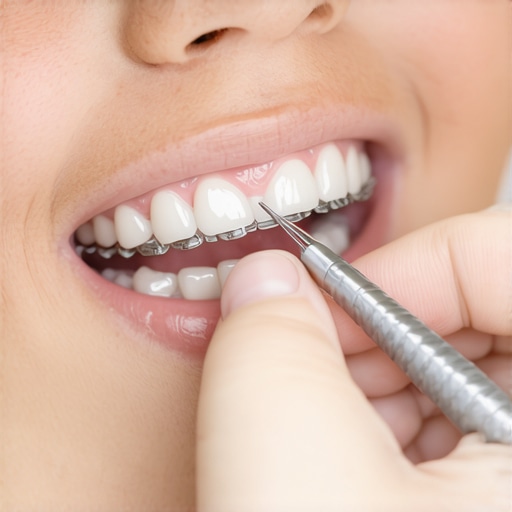
I remember the exact moment my heart sank—my child winced, a look of concern spreading across his face, and I noticed a tiny wire sticking out from his braces like a mischievous rebel. It was one of those nights when I thought, this can’t be happening now. Suddenly, handling a broken wire on your child’s braces feels like navigating a mini-crisis in the middle of a busy day—it’s frustrating, stressful, and honestly a little frightening at first. But here’s the truth: You’re not alone, and there’s a way to manage it that doesn’t involve panic or an emergency trip to the dentist.
Why Fixing That Broken Wire Should Be a Top Priority
Children’s braces are delicate, and a broken wire isn’t just a minor annoyance—left unaddressed, it can cause sores, discomfort, or even damage to their teeth or gums. Plus, it can derail orthodontic treatment progress. I learned early on that ignoring these small issues can turn into big problems down the road. Knowing how to handle a broken wire not only keeps your child’s mouth feeling comfortable but also prevents costly visits and extended treatment times. And trust me, attending to these minor repairs promptly is a small act of love that pays off in the long run. For additional tips on maintaining your child’s orthodontic devices, you might check out this helpful resource on caring for crowns and ensuring their longevity and shine.
What’s the Worst That Could Happen?
Some parents—myself included—initially dismissed a loose or broken wire, thinking it’s just a minor inconvenience. That’s a mistake I made early in my journey. Ignoring it can lead to greater discomfort, irritated cheeks, or even accidental biting on the wire, which could worsen the damage. The key is quick, calm action. If you’ve ever felt overwhelmed, rest assured that handling a broken wire is manageable with the right information and tools. So, if you’ve faced this dilemma or worry about what to do next, stick around. I’ll walk you through simple, effective steps to repair or tame that stubborn wire, keeping your child’s smile healthy and confident.
Assess the Damage Quickly
First, calmly examine the wire to determine how much it’s protruding or if it’s poking into the cheek or gums. Use clean, sterilized tweezers if available. I once grabbed my daughter’s misaligned wire with sterile tweezers after her braces wire snagged during dinner. Carefully, I gently pulled the wire back into place or trimmed the sharp end with nail scissors. Always remember: cleanliness is key to avoid introducing bacteria. If unsure, skip to the next step instead of risking injury or infection.
Gather Necessary Tools and Supplies
You’ll need oral wax, sterilized nail scissors or wire cutters, and if available, orthodontic wax or a soft cloth. Having these ready beforehand makes the process smoother. I keep a small emergency kit in our medicine cabinet with these essentials because, as any parent knows, children’s orthodontic appliances demand quick fixes. Make sure all tools are disinfected—soaking in alcohol or boiling water works well.
Addressing the Sharp or Protruding Wire
Use sterilized tweezers to gently hold the wire and try to push it down away from sensitive tissues inside the mouth. If the wire’s end is sharp or sticking out, carefully trim it with sterilized nail scissors. I remember trimming a wire that was poking my son’s cheek; the goal is to prevent discomfort or sores. Be precise but gentle, ensuring no small pieces remain that could be swallowed or inhaled.
If the Wire Can’t Be Repositioned or Trimmed
Contact your orthodontist immediately via their emergency contact system, especially if the wire is causing significant discomfort or is loose. Never attempt complex repairs without professional guidance, as improper handling can worsen the situation or damage the appliance further. You can also visit their office for quick adjustments—most orthodontists prioritize urgent parent calls for these issues.
Applying Orthodontic Wax to Cover Sharp Edges
To soothe discomfort temporarily, press a small ball of orthodontic wax over the affected wire or bracket. This acts like a cushion, preventing sores and easing irritation. In my experience, applying wax gave my daughter relief while waiting for her appointment. If orthodontic wax isn’t available, a clean piece of sugarless gum can serve as a temporary barrier, but remove it as soon as possible to prevent choking or swallowing.
Prevent Future Breakages and Snags
Encourage your child to avoid hard or sticky foods that can bend or break wires. Regularly check the braces to catch early signs of damage. I learned this the hard way when my child bit into a caramel apple, causing a wire to detatch unexpectedly. Teaching mindful eating habits significantly reduces emergency visits. Also, ensure they wear their mouthguard during sports to protect the braces from impact.
Schedule Regular Orthodontic Checkups
Routine visits help catch potential issues early. Discuss any accidental damages during appointments and get professional adjustments if needed. Consistent care prolongs the life of braces and ensures effective treatment. For comprehensive guidance on maintaining dental appliances, check out this expert advice.
Remember, handling minor wire malfunctions is manageable with patience and the right approach. Staying calm and prepared makes all the difference in keeping your child’s orthodontic treatment on track and their smile confident.
Many people believe they understand the basics of oral health, but when it comes to crowns, teeth cleaning, and family dentistry, there are nuanced misconceptions that can compromise long-term oral wellness. One widespread myth is that all dental crowns last equally—however, the durability of a crown depends heavily on material choice, placement, and maintenance. For example, ceramic crowns may look more natural but require meticulous care to prevent chipping, a nuance often overlooked by patients who assume they’re maintenance-free. Advanced studies have shown that the longevity of crowns can be significantly improved by following specific maintenance protocols, such as avoiding certain hard foods and using gentle brushing techniques here.
Another common misconception centers around teeth cleaning frequency. Many think that brushing twice daily suffices, but the reality is more complex—regular professional cleanings are crucial for removing tartar buildup below the gum line, which regular brushing can’t reach. Neglecting this can lead to periodontal disease, a risk often underestimated even among those with good at-home routines. Expert advice indicates that biannual professional cleanings have a measurable impact on overall oral health here.
In family dentistry, there’s sometimes a false sense of security, with parents believing that involving children in routine dental visits is only necessary once they have teeth. In reality, early dental visits—ideally around age one—are essential for establishing healthy habits and preventing issues like early cavities or misaligned teeth. The exquisite nuances of pediatric dental care influence lifetime oral health, a fact supported by pediatric dentistry research. Skipping early visits can set a precedent for neglect that’s hard to reverse later.
A hidden trap many fall into involves weapons-grade overconfidence about whitening treatments. Patients often assume over-the-counter products are safe and effective, ignoring that improper use or choosing the wrong products can harm enamel or ignite sensitivity. Professional whitening procedures, administered with expert oversight, ensure safety and lasting results. For trusted advice on achieving a brighter smile without risking damage, see this guide.
Finally, a nuanced aspect many overlook is the importance of personalized oral health routines tailored to individual needs, rather than relying solely on generic advice. Factors like saliva composition, bite pattern, and previous dental history influence what strategies work best. Consulting with experienced professionals and understanding these variables can drastically improve outcomes—so don’t hesitate to reach out through our contact page for personalized guidance.
Have you ever fallen into this trap? Let me know in the comments. Deepening our understanding of these nuances not only helps prevent common pitfalls but also elevates your overall dental care. Remember, optimal oral health is a journey that benefits from continuous education and professional support.
Keeping Your Dental Equipment in Peak Condition for Lasting Results
Maintaining excellent oral health is an ongoing journey that requires the right tools and routines. The use of specific, high-quality instruments ensures your dental care is effective and prevents future issues like enamel erosion or crown failure. Personally, I swear by ultrasonic toothbrushes because they provide a deeper clean than manual brushes, especially in hard-to-reach areas like back molars. An excellent model I recommend is the Philips Sonicare ProtectiveClean, which boasts over 30,000 strokes per minute, effectively removing plaque while being gentle on enamel. Additionally, for crowns and restorations, an at-home micro-abrasive polish system like the GLO Brilliant Smart Oral Care System helps maintain shine and remove surface stains that can develop over time. Regular use of such devices can dramatically extend the lifespan of crowns and other restorations, as detailed in the expert advice on this resource.
How do I maintain my crowns and dental restorations over time?
Consistent cleaning with specialized tools is vital. For crowns, using a water flosser like the Waterpik Ultra Water Flosser can help dislodge food debris and prevent plaque buildup around the margins. Remember, gentle, interdental cleaning at least once daily preserves the integrity and appearance of your restorations. I also encourage using an electric toothbrush with a pressure sensor to avoid damaging the crown surface or gum tissue—overly aggressive brushing can lead to premature wear or recession. Scheduled biannual professional cleanings play a crucial role in detecting early signs of wear or issues, allowing timely intervention before minor problems escalate into costly repairs. To maximize the benefits of these practices, always follow personalized advice from your dentist or specialist, who might recommend additional tools tailored to your unique needs, as seen in this guide.
Opt for Technology That Elevates Your Oral Care Routine
Advancements in dental technology continue to revolutionize at-home maintenance. Investing in a smartwatch-enabled oral health app allows you to track your brushing and flossing habits, providing real-time feedback and motivation. I personally use the Oral-B Genius X which connects to my phone and reminds me to brush for the optimal two minutes, ensuring thorough coverage. Incorporating timed brushing ensures no area is neglected, especially for those with crowns or dental implants that may require extra care. Furthermore, future trends suggest AI-powered toothbrushes will soon analyze your oral health in detail, assisting in early detection of issues like decay or gum disease—much like a portable dental hygienist in your bathroom. I recommend trying out these intelligent tools to elevate your long-term results.
Prioritize Consistent Professional Support
Even with the best tools, nothing replaces regular visits to your dental professional. By maintaining a schedule of professional cleanings and checkups, you catch potential issues early and keep your oral health trajectory positive. Plus, your dentist can recommend specialized products tailored to your unique dental profile, ensuring your crowns, teeth, and gums stay healthy and resilient for years to come. To book your next appointment or inquire about personalized recommendations, visit our contact page.
If you’re ready to upgrade your routine, start by trying an advanced electric toothbrush with pressure sensors and connectivity. Remember, employing the right tools with consistent professional guidance makes all the difference in keeping your smile shining brightly for decades to come.
,
The Most Surprising Lessons I Came Across About Dental Care
- One of my biggest realizations was that perfect brushing isn’t enough — using the right tools like ultrasonic toothbrushes significantly impacts long-term crown and teeth health.
- I learned that early dental visits, even before teeth emerge, set a foundation that can prevent years of trouble, debunking the myth that baby teeth aren’t vital.
- Understanding that not all dental crowns are created equal pushed me to choose materials and maintenance routines that maximize durability and natural appearance.
- Discovering that professional cleanings do more than freshen breath — they actively extend the lifespan of crowns and prevent hidden decay, making regular visits essential.
- Finally, I realized personalized routines crafted with expert advice are the key to a healthy, confident smile that endures aging and everyday wear.
Tools That Turn Dental Care Into a Safe Investment
My go-to resources include the Philips Sonicare ProtectiveClean for superior cleaning and the Waterpik Ultra Water Flosser, which helps keep crowns and implants spotless. For learning about longevity, this expert guidance has been invaluable. Books like “Smile Bright Forever” by Dr. Jane Tooth provide insights I apply daily. Finally, scheduling regular checkups with a trusted family dentist ensures my routine stays on track and issues are caught early.
Your Next Step Starts Now—Create Confidence That Lasts
Remember, every small step you take toward understanding and maintaining your child’s oral health builds a foundation for a lifetime of confident smiles. Don’t wait for problems to emerge—embrace proactive, informed care today and watch your child’s smile flourish for years to come.
What’s the biggest challenge you’ve faced in caring for crowns, teeth cleaning, or family dentistry? Share your experiences below and let’s learn together!
,