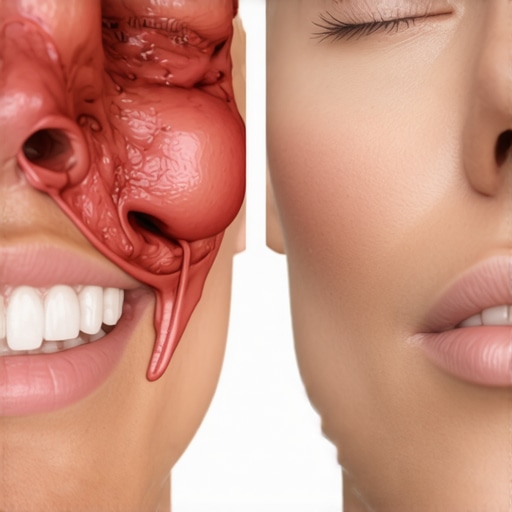
One morning, I was flossing in front of the mirror, feeling pretty good about my oral hygiene routine—until I took a sip of cold water and a sharp jolt of pain shot through my teeth. Turns out, I was battling a sinus infection, and my teeth were caught in the crossfire. That moment was a real lightbulb—realizing that sinus issues and dental discomfort are more intertwined than most people think. If you’ve ever experienced a sudden aching pain in your teeth alongside a terrible sinus headache, you know exactly what I mean. It’s confusing, even alarming, and it can make you wonder if your dental health is somehow to blame.
The Sinus and Tooth Connection: Why It Matters
Could Your Sinus Infection Be Causing Your Dental Pain?
It’s easy to assume that tooth pain always signals a cavity or gum disease. But sometimes, the culprit is a sinus infection. Your maxillary sinuses are located just above your upper jaw, nestled close to your upper molars. When these sinuses become inflamed or infected, they can put pressure on your roots, causing pain that feels identical to a toothache. Interestingly, this pain isn’t caused by dental decay but by sinus pressure radiating through your facial nerves, tricking you into thinking your teeth are the problem. I had made the mistake early on of rushing to the dentist for an urgent check-up, only to find out that my issue was sinus-related. This taught me a valuable lesson: understanding the origin of pain is crucial for proper treatment and relief.
Recent studies show that sinus infections can mimic dental problems quite convincingly. According to the American Dental Association, about 20% of toothaches are actually caused by sinus infections, not dental decay. This means that a significant chunk of dental pain may be nothing to do with your teeth at all—yet, if overlooked, it can lead to unnecessary dental procedures or persistent discomfort.
So, if your sinuses are acting up—feeling congested, pressure, or infection signs—and you’re experiencing tooth pain, it’s essential to differentiate the cause before heading to the dentist. Not only will this save you the expense and stress of unwarranted treatments, but it can also lead to quicker relief. Now, I’ll walk you through the key signs that distinguish sinus-related dental pain from genuine dental issues—and how to address this common yet often misunderstood problem.
Have you ever faced this confusing overlap between sinus infections and tooth pain? Stay tuned, because understanding the nuances can make all the difference in getting the right treatment and alleviating your discomfort fast.
Pinpoint the Cause Before Acting
First, assess your symptoms thoroughly. If your sinus pressure is accompanied by congestion, nasal discharge, or facial tenderness, it’s likely sinus-related. I remember a time when I ignored these signs and rushed to the dentist, only to realize my pain was from sinus inflammation. Recognizing this early helped me avoid unnecessary dental procedures and focus on treating my sinus infection first.
Use Home Remedies to Reduce Sinus Pressure
Apply Nasal Irrigation
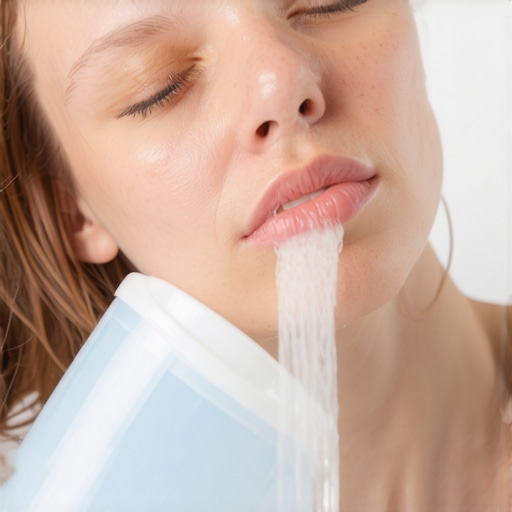
Start with saline nasal sprays or a neti pot to flush out mucus and relieve sinus congestion. I tried this method during my last sinus flare-up, and within a day, the pressure in my upper jaw started easing. Ensure you use sterile water and clean equipment to prevent infection. This simple step can significantly decrease the radiating pain that mimics dental issues.
Inhale Steam for Instant Relief
Boil water and inhale the vapors, adding essential oils like eucalyptus for added benefit. An analogy I find helpful is treating sinus pressure like opening a blocked drain; steam helps loosen the mucus and clear the pathway, reducing the pressure exerted on your teeth roots. I noticed my discomfort lessened after 10-15 minutes of steam inhalation, making it a quick, effective remedy.
Address Congestion with Over-the-Counter Medications
Decongestants such as pseudoephedrine or combination antihistamines can shrink swollen sinus tissues. When I faced a stubborn sinus infection, I used these medications as directed, which provided relief within hours. Be cautious to follow dosage instructions, and consult your healthcare provider if you have underlying conditions or are on other medications.
Incorporate Supportive Lifestyle Changes
Hydration is key—drink plenty of water to thin mucus. I found that staying well-hydrated prevented my sinuses from becoming overly inflamed, thus reducing the likelihood of pain radiating to my teeth. Additionally, avoid irritants like cigarette smoke and allergens, which can exacerbate sinus inflammation. Maintaining these habits accelerates recovery and minimizes discomfort.
Seek Professional Help When Needed
If symptoms persist longer than 10 days, worsen, or involve high fever, consult an ENT specialist. During one episode, home remedies didn’t suffice, and antibiotics were necessary. An expert diagnosis ensures proper treatment, preventing complications and relieving tooth-like pain promptly.
Implementing these actionable steps can help distinguish sinus pain from dental problems and manage your discomfort effectively. Remember, a proactive approach shortening the duration and intensity of sinus-related dental pain, allowing you to return to your routine faster.
 Many believe that daily brushing and occasional flossing are sufficient to maintain optimal oral health, but this is a misconception that can lead to overlooked issues and long-term damage. For example, the emphasis on brushing twice a day often ignores the importance of professional cleanings, which play a crucial role in removing stubborn plaque and tartar buildup that at-home care may miss. Research indicates that regular professional cleanings significantly reduce the risk of periodontal disease and improve overall health. One common myth is that DIY methods, like using baking soda or charcoal, are equally effective as professional procedures. In reality, improper use of abrasive substances can damage enamel and gums, leading to sensitivity and recession. It’s vital to recognize that expert cleaning techniques ensure the removal of biofilm without harming your teeth. When it comes to crowns, many think they’re a permanent fix that requires no maintenance; however, neglected care can result in failure or decay at the margin, especially if the crown’s supporting structure isn’t properly maintained. Proper hygiene around crowns, including gentle cleaning and regular check-ups, is essential for longevity. Family dentistry often gets oversimplified as just routine checkups, but it encompasses personalized guidance on nutrition, habits, and preventive care—elements that can greatly influence lifelong oral health. For instance, early intervention in children can prevent misalignment and decay, saving costly procedures later. Recognize that comprehensive family care involves a proactive approach, not just reactive treatments. An advanced nuance many overlook is how systemic health impacts oral health and vice versa. Conditions like diabetes or vitamin deficiencies can accelerate periodontal issues if not managed appropriately, reinforcing the importance of integrated care. Missing this interconnectedness can lead to incomplete treatment and persistent problems. Are you aware of how these hidden factors might be affecting your oral health? Let’s dig deeper and question what conventional wisdom might be missing.
To truly optimize your dental health, consider consulting with a specialist who understands these nuances—such as an expert in crowns or periodontal therapy. Regular visits, tailored advice, and awareness of advanced issues are the key to lasting results. Remember, true oral health isn’t just about avoiding cavities; it’s about understanding and addressing the complex, interconnected factors at play. For more detailed insights into maintaining your dental crowns and ensuring that your family’s smiles stay healthy, check out this guide. Have you ever fallen into this trap? Let me know in the comments.
Investing in the right tools and establishing effective routines are essential for keeping your teeth and gums healthy over time. One device I personally swear by is the Waterpik Sonic-Fusion. This innovative hybrid combines a toothbrush and water flosser, providing an efficient way to remove plaque and debris, especially around crowns and hard-to-reach areas. Its pulsating water jets effectively disrupt biofilm buildup, ultimately prolonging the lifespan of dental restorations and preventing periodontal issues. Additionally, I use a high-quality electric toothbrush with a oscillating-rotating motion, like the Oral-B Genius X, which ensures a thorough cleaning, especially for individuals with sensitive gums or porcelain crowns.
Beyond hardware, software plays a crucial role. I rely on dental tracking apps that sync with my devices, reminding me to replace my toothbrush every three months and tracking my flossing habits. These apps motivate me to maintain consistency and identify patterns, such as frequent late nights or high sugar days, that could compromise oral health. Regularly scheduled professional cleanings, backed by evidence from research on professional cleanings, are non-negotiable. They remove hardened tartar and detect early signs of issues, which I schedule biannually with my dentist.
Long-term results depend on consistent routines. I’ve adopted a routine of rinsing with a fluoride mouthwash after brushing, especially before bed, to strengthen enamel and reduce acid erosion. As I age, addressing systemic factors like vitamin D deficiency and dehydration becomes vital—regular supplementation and hydration can significantly enhance the effectiveness of your oral hygiene efforts. In fact, studies show that nutritional status directly impacts periodontal health, highlighting the importance of a holistic approach.
Looking ahead, advancements in oral care technology are promising. AI-powered diagnostics and personalized oral health plans are becoming more accessible, which will help tailor maintenance strategies for individual needs. It’s exciting to think that soon, real-time monitoring via smart sensors embedded in dentistry devices could alert you to early signs of decay or gum disease, making preventative care more proactive than ever.
How do I keep my dental tools and routines functioning effectively over time?
To maintain optimal effectiveness, I recommend regularly replacing toothbrush heads and water flosser tips—set reminders using your phone or an app. Cleaning your dental devices thoroughly after each use prevents bacterial buildup (be sure to follow manufacturer instructions). Scheduling regular check-ins with your dental professional ensures your tools evolve with your needs—and keeps your smile shining. Don’t forget the power of education: stay informed about the latest research, like the tips on crown maintenance, so your restorations last longer. Try incorporating a weekly deep-cleaning routine for your electric toothbrush and water flosser, using mild disinfectants approved for dental devices. These small but impactful steps safeguard your investment in oral health and help ensure long-term success.
Throughout my journey with dental health, I realized that there are unseen truths and overlooked practices that can dramatically influence the longevity of your smile. Embracing these deeper insights transformed my approach from routine to genuinely effective, ensuring that every effort counts toward real, lasting oral wellness.
The Hidden Lessons that Changed My Dental Perspective
- Not all plaque is created equal: I discovered that the biofilm lurking beneath the surface can stubbornly resist regular brushing, emphasizing the importance of advanced tools like water flossers to reach those tricky areas.
- Material matters more than I thought: Understanding the nuances between different crown materials and their maintenance needs helped me prioritize tailored care, prolonging their shine and function.
- Holistic health impacts dental longevity: Recognizing how systemic conditions like vitamin deficiencies or dehydration accelerate dental issues motivated me to adopt a comprehensive wellness routine, not just oral hygiene.
Tools and Resources That Elevated My Routine
- Professional cleanings: The backbone of preventive care, these sessions prevent tartar buildup and early decay, maintaining a healthy foundation.
- Expert guidance on crowns: Knowing how to care for restorations prevents premature failure and preserves your natural smile’s beauty.
- Crowns maintenance tips: Regular at-home practices tailored to crowns ensure they remain seamless and durable over time.
- Daily health routines: Simple habits like fluoride rinses and hydration backed by evidence ensure your enamel stays strong against daily stresses.
Keep Your Smile Bright—A Future Worth Investing In
Your dental health isn’t just about avoiding cavities—it’s about empowering yourself with knowledge, tools, and habits that serve your unique needs. Stepping beyond the surface and embracing a comprehensive, informed approach can lead to a lifetime of confident smiles and healthier living. Are you ready to take your oral wellness to the next level or to re-evaluate your current routine? The decision is yours—start today and watch your smile flourish.