Ever woken up to a wet night guard in a tangled, sometimes stained mess, feeling like you’ve just performed a miniature science experiment in your mouth? I remember the first time I tried cleaning mine and inadvertently scrubbed too hard with the wrong brush. The material started to wear out faster than I expected, and I felt a pang of regret. It’s a common story—and honestly, a frustrating one. But here’s the thing: maintaining your night guard doesn’t have to be a battle of delicate balance and guesswork.
Why Proper Cleaning Matters More Than You Think
Your night guard is more than just a tray you toss on the counter after use. It’s an investment in your oral health, a shield against grinding damage, and a keeper of your nightly peace. Dirty, poorly cleaned guards can harbor bacteria, leading to bad breath, irritation, and even infections. Plus, neglecting proper hygiene can shorten the lifespan of your night guard, making it a costly mistake over time. According to the American Dental Association, regular cleaning extends the longevity of dental appliances and keeps your mouth healthy (source: here).
But the real challenge lies in how to clean without damaging the material—especially since many commercial cleaners are too harsh or not suitable for the delicate surfaces of most night guards. Early in my journey, I made the mistake of using abrasive toothpaste and abrasive brushes, thinking more scrubbing would make it sparkle. Instead, I damaged the material, and that led to costly replacements. If you’ve experienced this, you’re not alone.
Is Your Cleaning Routine Actually Doing More Harm Than Good?
It’s easy to fall into the trap of thinking that scrubbing harder equals cleaner—even though that’s often not true. Many people overlook the importance of gentle, appropriate cleaning methods which preserve the integrity of the night guard while keeping it hygienic. Think of your night guard as a delicate piece of art; it requires gentle handling, not rough scrubbing.
Now that I’ve shared my story and how I learned the hard way, let’s explore how to properly clean your night guard to maximize its lifespan and keep your mouth fresh and healthy. Ready? Let’s dive into the practical steps that will change the way you care for your dental night protector.
.
Start with a Gentle Rinse
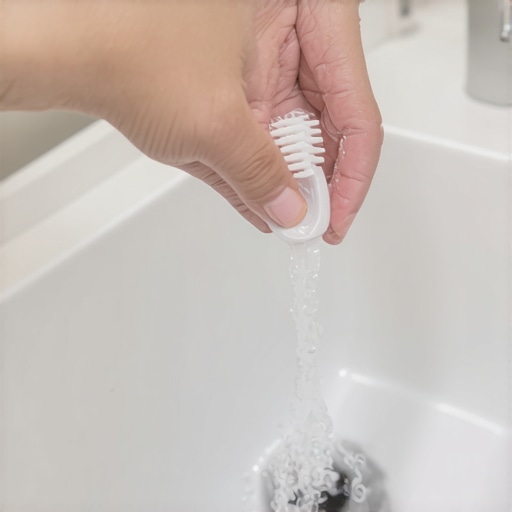
After removing your night guard, rinse it thoroughly under lukewarm water to wash away saliva and loose debris. Remember, avoid hot water, which can warp the material. I once made this mistake during a rushed morning, and the warped guard didn’t fit snugly afterward—lesson learned the hard way.
Use a Soft, Non-Abrasive Brush and Mild Soap
Select a soft-bristled toothbrush or a dedicated appliance brush. Apply a small amount of mild, unscented dish soap or denture cleaner. Gently scrub all surfaces of the guard—especially areas prone to plaque buildup. I once tried scrubbing with a regular toothpaste, but it left fine scratches and reduced the guard’s lifespan. Proper maintenance keeps your device in prime condition.
Avoid Harsh Chemicals
Commercial bleaching agents or alcohol-based cleaners may seem effective but can damage the material. Instead, opt for natural solutions like a vinegar and water soak or a hydrogen peroxide mixture for sanitizing—these are gentle yet effective. I remember soaking mine in a diluted vinegar solution for 15 minutes, which eliminated odors without harm.
Consider a Soak for Deep Cleaning
Once a week, soak your night guard in a cleaning solution. Mix equal parts water and white vinegar or use a specialized cleaner from your dentist. Soaking helps dissolve mineral deposits and kill bacteria. During my routine, a 10-minute vinegar soak made a noticeable difference in freshness.
Rinse and Dry Properly
After cleaning or soaking, rinse your guard thoroughly to remove any residue. Pat dry with a soft towel, ensuring no moisture remains—moisture promotes bacterial growth. I always let mine air dry on a clean cloth overnight, which prevents any mold formation.
Store Correctly to Preserve Material
Store your night guard in a ventilated case, away from direct sunlight. Regularly clean the storage case to prevent bacterial buildup. I keep mine in a breathable container that allows airflow, extending its usability.
Incorporate Into Your Oral Hygiene Routine
Remember, cleaning your night guard should be part of a comprehensive oral health routine. Brushing and flossing daily, along with regular dental check-ups, ensure your entire mouth remains healthy. For more insights on maintaining crowns and dental appliances, check out this guide.
Many assume that basic brushing and flossing are enough to maintain optimal oral health, but in my experience, this is a significant misconception. A common myth is that professional dental cleanings are merely cosmetic, rather than essential for preventing serious issues like periodontal disease. In reality, studies demonstrate that regular dental visits—to the tune of twice yearly—are crucial in catching early signs of decay and gum problems before they escalate here. However, I’ve noticed that some patients delay or skip these visits, believing their at-home routine suffices.
Another nuance often overlooked is the differential impact of certain dental procedures, such as crowns. Many patients think of crowns solely as restorative tools, but they also play a pivotal role in preserving tooth structure and preventing further decay. More importantly, not all crowns are created equal—materials vary, and choosing the right type can influence long-term success. For example, porcelain-fused-to-metal crowns are durable but may pose aesthetic concerns, whereas fully ceramic variants offer a more natural look but require precise placement here.
Let’s address a common mistake: believing that teeth cleaning is a one-time effort. In truth, consistent maintenance—such as daily flossing, proper brushing, and periodic professional cleanings—is vital for long-term health. Skipping routine care can lead to plaque accumulation, tartar buildup, and eventually gum disease, which is often silent until advanced stages. Studies reinforce that ongoing, comprehensive oral hygiene significantly reduces risks of cavities and periodontal issues here.
From a professional standpoint, advanced mistakes include neglecting the importance of correct technique. For example, brushing too hard can erode enamel and damage gums, while using abrasive toothpaste can create micro-scratches on dental restorations. It’s a delicate balance—aggressive cleaning doesn’t equate to effectiveness. Employing gentle, circular motions with a soft-bristled brush and fluoride toothpaste is the gold standard. If you’re unsure about your routine, consider consulting your dentist for tailored advice.
Moreover, many people underestimate the impact of lifestyle choices such as diet, smoking, or medication on oral health. Certain foods, like sugary snacks, fuel bacteria that cause decay, while smoking impairs blood flow and hampers healing. Recognizing these nuances allows for a holistic approach—integrating nutrition guidance and behavioral changes—to optimize oral health outcomes.
In the realm of family dentistry, emphasizing education about these subtleties can prevent common pitfalls. For example, parents often overlook the importance of early dental visits for children, which are vital in establishing good habits and preventing future problems. Recognizing that early intervention is key, as highlighted in this resource, can set the foundation for lifelong oral health.
Remember, oral health is a complex, dynamic interplay of routine, technique, materials, and lifestyle. The more knowledge you accumulate about these nuances, the better equipped you’ll be to make informed decisions. Have you ever fallen into this trap? Let me know in the comments, and share your experiences. For tailored advice, don’t hesitate to contact your dental professional.
Maintaining optimal oral health extends beyond daily habits; it requires the right tools and a strategic approach to ensure long-term success. As someone deeply invested in family dentistry and teeth preservation, I recommend leveraging specific equipment and methods that have proven effective in my practice and personal experience.
Invest in a Quality Electric Toothbrush
For thorough cleaning, I personally use a sonic electric toothbrush because of its high-frequency vibrations that dislodge plaque more efficiently than manual brushes. Brands like Oral-B and Philips Sonicare offer models with customizable settings, timers, and pressure sensors, which help prevent gum damage from brushing too hard. This technology ensures each session is both gentle and effective, especially important for patients with crowns or sensitive gums. Regularly replacing brush heads—every three months—maintains optimal cleaning performance and minimizes bacteria buildup.
Utilize a Water Flosser for Deep Interdental Cleaning
To complement brushing, I advocate for the use of a water flosser, such as the Waterpik, particularly for patients with crowns or braces. The pulsating stream effectively removes debris and bacteria from hard-to-reach areas. I incorporate it into my routine to maintain gum health and prevent plaque accumulation around restorations. With advances in pressure settings and tips designed for different needs, water flossers have become indispensable for long-term periodontal maintenance and overall oral hygiene.
Adopt Advanced Disinfection Solutions
Proper device hygiene is critical. I recommend daily soaking of appliances in a hydrogen peroxide solution (diluted to 3%) or a dedicated denture cleaner, which can eradicate bacteria more effectively than rinsing alone. For crowns and veneers, professional-grade disinfectants used periodically help preserve their lifespan, preventing staining and material degradation. I also suggest cleaning storage cases weekly to prevent bacterial growth, which could otherwise compromise your entire routine.
Smart Monitoring with Dental Apps and Software
Technology is shaping future oral health strategies. I personally use dental tracking apps that connect to my toothbrush and flosser, providing feedback on brushing duration, coverage, and frequency. These digital tools help identify neglected areas and motivate consistent routines, especially important for busy families managing multiple schedules. Some apps also remind users to replace brush heads or schedule professional cleanings, empowering patients to take control of their oral health.
Predictively, advancements like AI-powered dental diagnostics and personalized treatment plans will become mainstream, making maintenance even more precise and accessible. Embracing these innovations now allows you to stay ahead in preserving your smile.
How do I maintain my dental tools over time?
Regularly inspecting your toothbrush and flosser for wear, replacing parts as recommended, and disinfecting devices after each use are vital. Store equipment in dry, clean environments, and adhere to manufacturer instructions for cleaning and maintenance. Following these practices ensures your tools stay effective and safe for long-term use. For comprehensive guidance, check out this resource.
By integrating high-quality equipment and smart routines into your daily habits, you set the stage for better long-term outcomes. For example, I challenge you to start using a water flosser consistently for a week and observe the differences in your gum health. Remember, the future of oral care lies in combining technology with diligent maintenance—an approach that benefits entire families and sustains confidence in your smile.
Lessons That Changed My Approach to Dental Care
- One of the most eye-opening lessons I learned is that even the tiniest chip in a crown can be a gateway for bacteria if not addressed promptly, emphasizing the importance of regular check-ups to catch issues early.
- I’ve realized that over-using aggressive cleaning products can do more harm than good, damaging restorations and enamel alike, which taught me to favor gentle, consistent routines over harsh shortcuts.
- The value of personalized advice from dental professionals cannot be overstated—what works for one person might not suit another, making tailored strategies essential for long-term health.
- Patience in building good habits, such as daily flossing with quality tools, significantly reduces the risk of future cavities and gum disease, proving that consistency beats sporadic efforts.
My Go-To Resources for Family Dental Well-being
- Caring for Crowns: This guide offers practical tips I rely on for maintaining crowns, ensuring they stay functional and beautiful for years.
- Family Dentistry Insights: I trust this resource to stay informed about strategies for building healthy routines across all ages, fostering lifetime oral health.
- Smile Makeover Education: Understanding the aesthetics and durability of crowns helps me make better decisions about restorations for myself and loved ones.
- Daily Oral Routine: This resource underscores simple, effective habits I practice daily to keep teeth and gums in top shape.
Embrace the Future of Oral Health Now
Taking control of your dental journey means committing to informed routines and embracing innovations that protect your family’s smiles. The path to lasting oral wellness is a continuous adventure—armed with the right knowledge and tools, you’re well on your way. Remember, every small step today builds the foundation for a healthier, happier tomorrow with your family. How will you start incorporating these insights into your routine? Share your plans below and let’s grow together in mastering family dentistry and oral health.