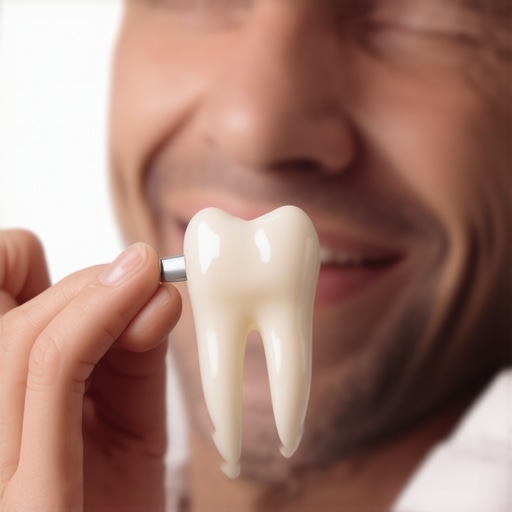
It happened unexpectedly—one morning, I noticed wobbly teeth in my reflection. That sinking feeling of panic hit hard, especially when you’re an adult dealing with something that seemed so childlike. But let’s be honest, a loose adult tooth isn’t just a cosmetic issue; it can be downright frightening, sparking worries about gum disease, injury, or worse. I vividly remember staring at my mirror, thinking, “Am I losing my mind or my teeth?” That moment of panic fueled my quest to find a calm, effective way to handle a loose adult tooth without spiraling into anxiety.
Why a Loose Adult Tooth Needs Your Attention, Not Your Panic
Choosing how to respond when a tooth feels unstable can be confusing—should you see your dentist immediately or just wait it out? The truth is, a loose adult tooth is a sign that something’s amiss, often related to gum health, injury, or bite issues. Ignoring it can lead to further damage, infection, or even tooth loss. Recognizing the seriousness means understanding when to act and how to keep calm. The good news? Most cases are manageable with proper care and professional guidance.
Is It Really Worth Worrying About a Loose Tooth?
Early on, I made the mistake of brushing off my symptoms, assuming it was just a minor annoyance. That was a mistake. I learned that ignoring a loosened tooth can lead to larger problems, including infection and the need for more invasive treatments later. A relaxed yet proactive approach, backed by expert advice, is crucial. For comprehensive guidance, you might want to visit [this resource](https://periodontistcare.com/expert-advice-on-crowns-and-teeth-cleaning-for-lasting-results) to understand how professional care can help protect your smile.
Have you ever faced a loose adult tooth yourself? Sharing experiences can make this journey less lonely. Now, with that understanding in mind, let’s explore the practical steps you can take now to handle this situation effectively.
Secure the Area Immediately
When you first notice a loose tooth, gently avoid wiggling or poking it, which can worsen the injury. Rinse your mouth with warm salt water to reduce bacteria and inflammation, mimicking the cleaning process used after family dental procedures here. Applying a cold compress to the cheek can reduce swelling and numb pain, giving you immediate relief while you prepare for further actions.
Assess the Damage Carefully
Identify the Root Cause
Determine if the loose tooth is due to trauma, gum disease, or bite misalignment. Like assessing a crown that has come loose, inspecting the surrounding gums and neighboring teeth helps decide whether it’s a minor injury or a sign of something more serious. Avoid trying to fix it yourself to prevent further damage.
Determine Urgency
If bleeding persists or there’s significant pain, seek emergency dental care. For minor looseness without bleeding, you can follow initial home steps but must see your dentist promptly for effective treatment. Remember, quick action prevents complications and preserves your natural smile.
Manage Pain and Protect the Tooth
Use over-the-counter pain relievers as directed to manage discomfort. To prevent the tooth from moving further or causing injury, avoid hard, sticky foods—think of it as protecting a fragile crown during a family cleaning. Soft foods, warm salt water rinses, and gentle brushing keep the area clean without aggravating the condition.
Plan to See Your Dentist
Schedule an appointment within 24 hours to evaluate the injury. During the visit, your dentist may need to stabilize the tooth, perform periodontal treatments, or discuss options like crowns to rebuild structural stability here. Early intervention can save your tooth from extraction or further damage.
Follow Up with Dedicated Oral Care
After treatment, refine your daily oral hygiene routine. Proper flossing and brushing, especially around the affected area, prevent plaque buildup that can complicate healing. Consider using an electric toothbrush—comparable to professional cleaning tools—to ensure thorough removal of debris, similar to the benefits discussed here. Consistency and gentle care promote long-term recovery.
Monitor and Prevent Future Issues
Regular dental checkups are crucial to spot potential problems early. Investing in a professional cleaning here can remove tartar and calculus that threaten gum support. Additionally, avoid habits like teeth grinding and clenching, which exert stress on your teeth, similar to avoiding excessive force during sports—protecting your smile for the long haul.
Many assume that routine visits and superficial cleaning suffice for maintaining optimal oral health. However, this misconception often leads to overlooked issues that can escalate into more serious problems. For instance, a common myth is that professional teeth cleaning alone can prevent cavities and gum disease indefinitely. In reality, expert guidance emphasizes that daily oral hygiene routines, like proper flossing techniques and targeted brushing, are equally critical for longevity here.
Another frequently underestimated aspect is the role of dental crowns. Many believe crowns are purely cosmetic fixes; yet, their true benefit lies in restoring functionality and protecting vulnerable teeth from further damage here. Misusing or neglecting crown maintenance, such as avoiding proper cleaning around the margins, can drastically reduce their lifespan and compromise oral health.
A notable advanced mistake involves neglecting occlusion and bite issues, which can subtly erode dental structures over time. Many overlook how malaligned bites contribute to uneven wear, TMJ pain, and even fractures. An expert-level approach integrates regular occlusal assessments into family dental visits to catch these nuances early. According to a recent study, addressing bite discrepancies promptly can extend the durability of restorations and reduce the risk of tooth loss here.
What about the impact of patient habits? Brushing too hard or using stiff-bristled brushes can cause gum recession and enamel abrasion, the subtle ‘oops’ errors that many dismiss. Educating patients on proper technique and gentle pressure is vital—because small mistakes here can invite long-term problems, like increased sensitivity or bedridden periodontal issues. For instance, switching to an electric toothbrush and learning correct usage can make a significant difference here.
Lastly, a common oversight is ignoring the significance of maintenance after restorative procedures. Many think crowns or fillings are ‘set and forget.’ However, regular checkups to monitor and maintain restorations ensure that they perform their protective role effectively. Skipping these appointments often results in unnoticed decay or crown failure, which could have been prevented with timely adjustments or replacement here.
Have you ever fallen into this trap? Let me know in the comments. Let’s uncover these hidden nuances to keep our smiles healthy and resilient.
Staying on top of your oral health requires more than just regular brushing and visits to the dentist. Investing in the right tools can make a significant difference in maintaining your smile’s health and longevity. One of my top recommendations is a high-quality electric toothbrush. Not only does it provide consistent, gentle cleaning, but it also features timers and pressure sensors that help prevent gum recession caused by over-brushing, a common mistake among many families. I personally swear by models with sonic technology, as they have proven effective in reducing plaque and whitening teeth over time. For deep cleaning and to reach difficult areas, I recommend using interdental brushes—small, tapered tools that help clean between teeth and around crowns, ensuring plaque doesn’t accumulate where your regular brush can’t reach. Incorporating a water flosser into your routine can also enhance gum health by safely removing debris and bacteria, especially for those with crowns or sensitive gums. Regularly replacing your toothbrush head every three months ensures optimal cleaning efficiency and prevents bacterial buildup. Moreover, consider using a tongue scraper daily to reduce bacteria responsible for bad breath and improve overall oral health. Looking ahead, advancements in AI-driven monitoring devices are promising; I predict that in the near future, smart toothbrushes paired with smartphone apps will provide personalized feedback and track your oral hygiene habits, helping you stay motivated and consistent. To maintain your dental tools’ effectiveness over time, proper cleaning and storage are vital. Rinse brushes thoroughly after each use, dry them upright, and keep them in a clean, dry place. For crowns and restorations, specialized cleaning tips and gentle tools are crucial—they help prolong their lifespan and keep your smile shining. For example, using a soft dental pick and avoiding abrasive cleaners can preserve the integrity of crowns, as detailed in expert guidelines here. Do you want to see real benefits? Try incorporating a water flosser into your nightly routine this week—it’s an easy upgrade that can dramatically improve gum health and prevent future issues. Just remember, consistent use combined with professional guidance ensures your smile remains healthy and strong for years to come.
My Deepest Wisdom About Family Dentistry and Smile Preservation
One of the most powerful lessons I’ve learned is that consistent, proactive care beats reactive treatments every time. Early identification of issues like a loose tooth can prevent complex procedures and preserve your confidence. I discovered that regular family checkups, paired with personalized home routines, are essential—sometimes even life-changing—investments in your long-term oral health.
Another insight is how undervaluing small signs—like slight gum tenderness or early looseness—can lead to bigger problems. Listening to your body’s whispers and acting promptly saves not just teeth, but also stress and money. That lesson taught me to prioritize education, asking questions at each visit, and staying curious about my oral health journey.
Perhaps most unexpectedly, I found that understanding the role of crowns and restorations isn’t just about aesthetics; it’s about function, protection, and mental peace. Knowing how to care for them correctly, and recognizing their signals, can dramatically extend their lifespan and keep your smile shining bright.
The Tools That Made a Difference in My Family’s Dental Life
My go-to resources are a mix of trusted professional brands and educational portals. For instance, I trust [expert advice on crowns and teeth cleaning](https://periodontistcare.com/expert-advice-on-crowns-and-teeth-cleaning-for-lasting-results) because it offers practical, accessible guidance tailored for families. My electric toothbrush, from a reputable manufacturer, has transformed our morning routine—delivering consistent cleanliness without damaging delicate gums. Additionally, [a water flosser](https://periodontistcare.com/the-impact-of-regular-teeth-cleaning-on-overall-oral-wellness) became an indispensable part of our nightly ritual, making flossing easier and more effective for busy family members.
Beyond tools, I’ve found inspiration in books like Healthy Smiles, Happy Kids—fostering a mindset that oral health is a lifelong family value. Connecting with trusted dental professionals who focus on gentle, comprehensive care helps me stay motivated and informed, avoiding the pitfalls of superficial or outdated practices.
Smile, Because There’s Always a New Way Forward
Your journey towards a resilient, radiant smile isn’t just about fixing problems—it’s about embracing each step as an opportunity to learn and grow. The future of family dentistry is exciting, with innovations in diagnostic tools, personalized care, and education empowering us to protect our loved ones’ smiles like never before.
Remember, every small effort counts. Whether it’s mastering proper brushing techniques or scheduling timely checkups, your proactive spirit makes all the difference. Keep moving forward—your healthiest, happiest smile awaits.
What’s one change you’re excited to try in your family’s oral health routine? Share below—I’d love to hear your plans and experiences!