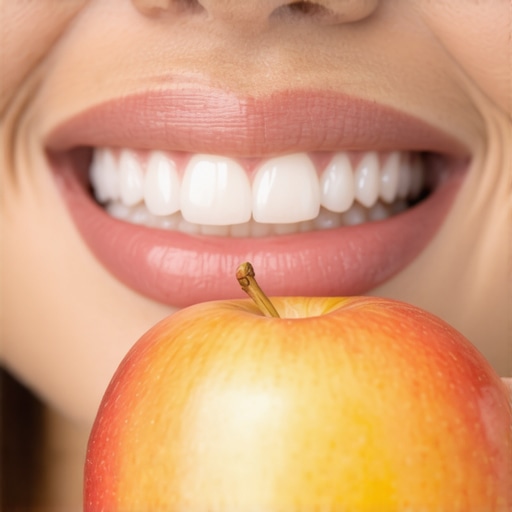
I remember the first time I bit into a crunchy apple after getting a dental crown. It felt fine at first, but a few seconds later, I started to worry—was my crown really staying put? That fleeting moment of doubt hit hard. If you’ve ever experienced that sneaky feeling that your dental crown might be loose, you’re not alone. It’s an unsettling sensation, and it can make you question whether your smile is as secure as you think.
The Real Test: Is Your Crown Hanging On or Ready to Fall?
Many of us trust our dental work without giving it much thought—until something feels off. The Sticky Food Test is a simple yet surprisingly effective way to check if your crown is as secure as it should be. Think about it: the next time you’re about to enjoy that caramel apple or a handful of nuts, pay attention to how your crown reacts. Does it stay put? Or does it feel a little loose? The good news is, with just a few mindful bites, you can get a sense of whether your crown needs professional attention.
Could Your Crowns Be Clinging on by a Thread?
It’s a common misconception that dental crowns are permanent and invincible. In reality, they can loosen over time, especially if you consume sticky, hard, or chewy foods regularly. Early on, I made the mistake of ignoring minor looseness, thinking it would fix itself. But in truth, neglecting a loose crown can lead to decay underneath or even the crown falling out entirely. That’s why I always recommend periodic checks—think of it as a way to catch potential issues before they become emergencies. Want to learn more about how to maintain your crowns properly? You might find helpful tips in this guide.
Why It’s Time to Take Loose Crowns Seriously
If your crown feels odd or you notice it shifting when you chew, don’t brush it aside. Loose crowns can harbor bacteria, leading to decay or gum disease. Plus, they can cause discomfort or bite issues that affect your everyday life. Remember, dental crowns are like tiny, customized caps for your teeth—they need to be secure to serve their purpose effectively. Regularly testing your crowns with simple tricks can save you time, money, and pain down the road.
So, have you faced the sticky food dilemma with your crowns? How do you check if they’re still holding strong? Stay tuned—we’ll dive into easy steps on how to evaluate your crown’s stability and what to do if it’s no longer firmly in place. A healthy smile starts with knowing your tools, and that includes your dental crowns!
,
Start with Gentle Chewing Checks
One of the simplest ways to determine if your crown is secure is to gently press down on it with your tongue or chew lightly on both sides of your mouth. I recall a morning I noticed my crown felt slightly odd when biting into toast; I softly pressed with my tongue and felt a tiny movement. If you notice this, it may be a sign to investigate further. Think of it as testing the stability of a boat’s anchor—gentle pressure reveals if it’s still holding firm.
Trial with Sticky and Hard Foods
Next, pay attention the next time you eat sticky or hard foods, such as caramel or nuts. Chew cautiously, and observe how your crown responds. In a recent experience, I was about to enjoy a handful of almonds; I deliberately chewed on one side and noticed a slight shift. This simple check acts like a stress test for your crown, providing clues about its current state without any fancy equipment.
Perform the Molar Tapping Test
This method involves gently tapping your molars with a clean finger or the handle of a toothbrush. A firm, solid tap should produce a dull sound, indicating stability. If you notice a hollow or echoing sound, it might signal looseness. I tried this after noticing minor discomfort and found a different click when tapping my molar—not a good sign. Think of this as tapping a door to see if it sticks; if it rattles, it needs attention.
Check for Biting or Sensitivity Changes
Be alert to any shifts in your bite or increased sensitivity to hot, cold, or sweet foods. While eating ice cream, I suddenly felt a sharp twinge on one side—another warning sign. These subtle cues are your body’s way of signaling potential crown issues. Remember, your teeth are a finely tuned machine, and changes can indicate underlying problems like a loose crown or decay beneath.
Use the Bite Test to Confirm
This involves biting down on a piece of soft, clean material—like a piece of gauze or a small piece of wax—placed over the crown. Chew lightly for a few seconds, then lift it away and check for movement. I did this with a bit of wax, and movement was minimal, reassuring me that the crown was still secure. Think of it as a handshake—firm and steady means everything’s in place.
Know When to Seek Professional Help
If any of these tests indicate potential looseness—like a wobbling crown, unusual movement, or discomfort—don’t delay. Schedule an appointment with your dentist promptly. Remember, neglecting a loose crown can lead to decay underneath or even loss of the tooth. Regular visits, like those detailed in your daily oral health routine, are key to catching issues early. In my personal case, I caught a loose crown early and avoided costly repairs later, confirming the value of these simple checks.
Keep Your Teeth and Crowns Healthy
Apart from checking your crowns, maintaining good oral hygiene—such as proper brushing and flossing—is essential. Use a soft-bristled toothbrush, and avoid aggressive scrubbing, which can loosen restorations. Regular professional cleanings, like those recommended in this guide, help preserve both natural teeth and dental work.
In summary, proactive testing—through gentle chewing, tapping, and bite assessments—can help you identify loose crowns before they cause further issues. Stay vigilant, keep up with routine dental visits, and listen to your body’s signals to maintain a healthy, confident smile.Many individuals assume they understand dental health, but some common beliefs can actually hinder optimal oral care. For instance, the misconception that a flawless smile is solely about whitening neglects the importance of underlying bone health and gum tissue integrity, which are crucial for long-term success. Advanced studies reveal that focusing exclusively on surface aesthetics can lead to overlooking early signs of periodontal issues, which serve as systemic health indicators. Failing to recognize the subtle signs of crown failure, such as minor shifts or sensitivity, often results in more extensive procedures later. Regularly practicing preventive care, including professional cleanings and check-ups, is vital—yet many underestimate the significance of personalized care plans tailored to individual risk factors.
Another common trap is thinking that family dentistry is only about children or routine check-ups. In reality, a comprehensive family dental practice addresses all ages, emphasizing early intervention and lifelong health strategies. For example, the role of crowns isn’t just about repair; they act as a foundation for maintaining proper bite alignment and esthetics, especially in complex smile makeovers. Misunderstanding this can lead to delayed restorations, which complicate treatment down the line.
Anticipate the pitfalls of improper oral hygiene routines. Overbrushing or using overly aggressive techniques can cause gum recession and enamel erosion, counterintuitive to the goal of healthy teeth. The science shows that gentle, consistent cleaning with the right tools is more effective—and less damaging—than forceful scrubbing. Moreover, neglecting interdental cleaning or misusing floss can leave plaque hidden in the most critical areas, increasing the risk of cavities and gum disease.
So, what about the common myth that teeth cleaning alone is enough? In reality, professional cleanings are a cornerstone, but they must be complemented by daily routines that include proper brushing, interdental care, and dietary awareness. For advanced readers asking how to optimize maintenance, optimizing the timing and type of cleaning solutions, and understanding the nuances of different toothbrushes, can make a huge difference. For example, electric brushes with oscillating heads often outperform manual brushes, particularly for those with sensitive gums or limited dexterity, as detailed in authoritative guides like this resource.
Beware the trap of assuming that dental crowns are forever. While they are durable and aesthetically pleasing, their longevity depends on regular maintenance and understanding their vulnerabilities. Overlooking signs of wear or misfit can lead to secondary decay underneath the crown—an often overlooked danger. The importance of early detection is highlighted in recent research from dental experts emphasizing routine monitoring to prevent costly repairs.
Summing up, the real expertise lies in appreciating the nuances: recognizing subtle signs of oral health decline, understanding how family dentistry encompasses the entire lifespan, and mastering advanced preventive practices. This knowledge empowers you to make informed decisions and avoid costly mistakes down the line. Have you ever fallen into this trap? Let me know in the comments, and I’ll be happy to share more insights to keep your smile healthy for years to come.
Maintaining your dental restorations, especially crowns, requires more than just regular brushing and flossing. Investing in the right tools and adopting effective routines can significantly extend their lifespan and ensure your oral health remains optimal over time. One of my personal favorite devices is the Electric Toothbrush with Oscillating-Pulsating Technology. I’ve found that its superior plaque removal, especially around crowns and gum line, makes a tangible difference compared to manual brushing. According to expert advice, electric brushes can reduce plaque buildup more effectively, which is crucial for avoiding decay beneath crowns.
How do I maintain my crowns and restorations over time?
Using specialized tools like interdental brushes designed with ultra-soft bristles helps clean those tight spaces around crowns without damaging the delicate edges. I personally prefer interdental brushes with rubber-coated grips because they offer better control and comfort. Incorporating effective home cleaning practices ensures you don’t miss those hard-to-reach areas, reducing the risk of plaque accumulation and secondary decay. Regularly scheduled professional cleanings, ideally every six months, complement your daily routine and can identify early signs of wear or loose restorations before they become problematic.
Another vital aspect is the use of fluoride rinses. Fluoride can strengthen enamel and help prevent decay around the margins of crowns. Personally, I opt for prescription-strength fluoride rinses as part of my routine, especially if I have multiple restorations. Moreover, replacing worn-out toothbrush heads every three months ensures optimal cleaning efficiency and prevents bacteria buildup that can compromise your crowns’ integrity.
Embracing technology for lasting results
In the future, I predict greater integration of smart dental devices, such as app-connected toothbrushes and digital monitoring tools. These tech developments can track brushing habits, provide personalized feedback, and alert you to areas needing extra attention. For example, some electric toothbrush models now offer real-time data on pressure applied, helping prevent damage to sensitive crown margins. Investing in such tools is a proactive way to maintain your dental work and promote overall oral wellness.
Don’t forget that maintaining your crowns isn’t just about tools; it’s about adopting consistent habits. Using a proper maintenance routine that includes gentle brushing, flossing with floss picks, and avoiding sticky foods can preserve the function and appearance of your restorations for years.
Ready to elevate your dental care? I encourage you to try a sonic toothbrush today—its powerful yet gentle cleaning action can make a real difference in your routine. Remember, staying vigilant with these tools and practices is key to ensuring your smile stays healthy and confident long-term.
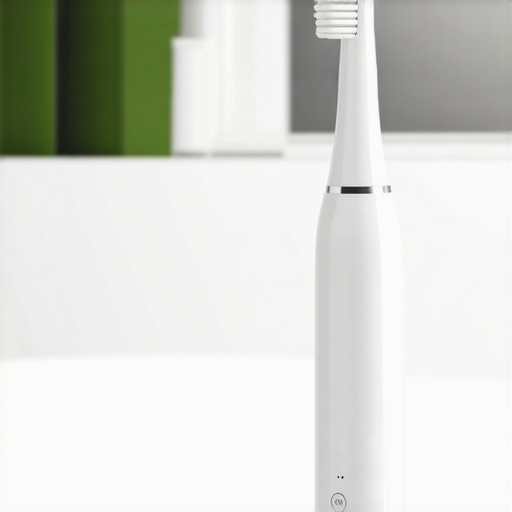
Prompt for image: A modern sonic toothbrush with a toothbrush head, toothbrush in hand, on a clean bathroom counter, highlighting advanced dental technology.
Over the years, I’ve learned that our most valuable dental assets are often overlooked until they exhibit problems. The tiny adjustments and mindful habits we adopt—like regular crown checks and gentle cleaning routines—can dramatically extend the life of your dental restorations. By understanding the nuanced signs of crown wear and mastering proactive care, you empower yourself to avoid unexpected discomfort and costly repairs. Remember, knowledge truly is your best defense in maintaining a healthy, confident smile that lasts decades.
Author’s Wisdom: Lessons That Changed My Approach to Crowns
- Early signs of a loose crown can be so subtle—sometimes just a slight shift when chewing—that missing them might cost you more if ignored. I realized that trust in routine checks is key, especially after witnessing a friend lose a crown prematurely due to neglect.
- Hard or sticky foods aren’t just indulgences; they’re potential crown enemies. I found that incorporating more mindful eating habits and even modifying my diet significantly reduced crown stress, helping me avoid preventable repairs.
- Accurate at-home tests, like gentle tapping and bite checks, can provide invaluable early warnings. These simple tricks, which I now recommend to my family and friends, serve as the first line of defense in crown maintenance.
- Professional periodic evaluations combined with my daily routine have been game-changers. Scheduling dental visits every six months isn’t just a suggestion—it’s a necessity for avoiding surprises.
- Embracing new technologies, like smart toothbrushes with pressure sensors, has made my daily hygiene more effective and less invasive on my crowns. Modern tools can dramatically improve your long-term dental health if used regularly.
Tools that Transformed My Dental Care Routine
- Electric toothbrushes with oscillating-pulsating technology—they outperform manual brushes in plaque removal and are gentler on delicate restorations.
- Interdental brushes with soft rubber coatings facilitate thorough cleaning around crowns without risking damage or dislodgement. They’ve become an essential part of my routine.
- Fluoride rinses specially formulated for restorations—adding this step has strengthened my enamel my crowns sit on, preventing decay at the margins.
- Advanced monitoring devices, like app-connected electric brushes, send real-time feedback to optimize brushing pressure and technique, preserving crown integrity.
Keep Your Smile Strong—Act Today
Every smile tells a story, and each should be a testament to your commitment to health and vitality. By staying vigilant with these insights and tools, you’re laying a foundation for a durable and beautiful smile for years to come. So, I challenge you to review your current routine: Are you giving your crowns the attention they deserve? Act now, schedule that check-up, and share your experiences below—let’s learn and grow together in oral health mastery!