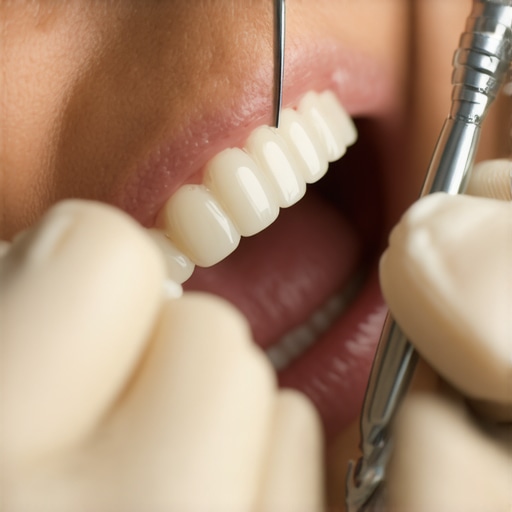
It happened unexpectedly during a routine tooth-cleaning appointment. I bit down, confident, and then—a dull, unfamiliar ache. My dentist gently tapped my molar, and I realized that the feeling was not just discomfort but a sign of something more serious. That moment was a lightbulb for me. How many of us actually know how to tell if our dental crowns are failing before it’s too late?
Why You Can’t Ignore the Signs of a Failing Crown
Our dental crowns are like silent guards, protecting vulnerable teeth underneath. But just like any other part of your body, they aren’t invincible. When a crown starts to fail, it can lead to decay, pain, and even the need for more invasive procedures. The key is to catch the warning signs early. My personal experience taught me that being proactive can make all the difference. Today, I want to share with you an easy test I learned—the Molar Tapping Test—that can help you identify problems early on. Keep reading, because your smile depends on it. If you want to learn more about maintaining your crowns, [here are some essential tips for longevity](https://periodontistcare.com/caring-for-crowns-essential-tips-for-longevity-and-shine).
Is the Tapping Test Really Worth the Hype
Initially, I was skeptical. I thought, “Can simply tapping on a crown tell me if it’s failing?” But then I remembered an early mistake I made—ignoring mild sensitivity and dismissing it as just another side effect of aging. Turns out, ignoring such signs can lead to more costly repairs down the road. According to dental experts, this simple test is a practical way to detect early issues before they turn into painful problems. Still, I wondered: is this method reliable? Well, that’s exactly what we’re going to explore, and I’ll guide you through how to do it safely and effectively. Ready to become your own dental detective? Let’s get started with the how-to that could save your smile in the long run.
Performing the Tapping Test: Step-by-Step Instructions
Start by ensuring your mouth is clean; brush and rinse thoroughly to remove any food debris that might interfere with sensations. Stand in front of a mirror to visualize your molar clearly. Place your index finger lightly on the crown you want to test. Gently tap the crown with the handle of a clean, sterilized toothbrush or a dental mirror handle. Use a gentle, rhythmic tapping motion, not forceful hammering. You should notice a subtle sound or vibration. If you hear a hollow or dull sound, it could indicate that the crown has loosened or the underlying tooth structure is compromised. I remember practicing this on my own molar after noticing slight sensitivity—at first, I felt uncertain, but consistent testing revealed a subtle but persistent change in the sound over days. This prompted me to see my dentist before the problem worsened.
Identify Variations and What They Mean
If your tapping produces a sharp, solid sound similar to tapping on a healthy tooth, your crown is likely stable. A dull or muffled tone, however, might point to looseness or decay beneath the crown. Note any accompanying symptoms like increased sensitivity, pain, or a feeling of movement—these are signs to act quickly. Remember, this test isn’t foolproof but serves as an early warning system. For detailed techniques on maintaining your crowns and preventing failures, visit caring for crowns.
Refining Your Inspection: Tips for Accurate Results
Perform the test in a quiet environment to better perceive sound differences. Use the same gentle force each time to establish a consistent baseline. Record your observations over a week; if you notice increasing dullness or detect new symptoms, schedule a dental exam promptly. During my personal check, I found that my initial tests showed no issues, but a week later, the sound was noticeably duller—this was my cue to visit the dentist. Regular self-assessment can help catch problems early and save you money. For comprehensive guidance on how to keep your crowns and dental work in top shape, explore caring for dental crowns.
Safety Precautions and When to See a Dentist
Always perform the test gently—avoid excessive force that could damage the crown or underlying tissue. If you experience persistent pain, bleeding, or the crown feels loose or falls out during testing, contact your dentist immediately via contact us. Remember, this test is a preliminary assessment and not a substitute for professional evaluation. In my case, noticing slight looseness prompted me to seek urgent care before any further damage occurred. Stay vigilant, and don’t hesitate to get expert advice if your self-assessment indicates potential issues.
Many people assume that simple brushing and occasional flossing are enough to keep their teeth in top condition, but in reality, there are subtleties that can make or break your oral health. One widespread myth is that more aggressive brushing always leads to cleaner teeth. In fact, overbrushing can cause gum recession and enamel wear, making your teeth more sensitive over time. It’s better to focus on proper technique, using gentle, circular motions, and paying attention to hard-to-reach areas. For comprehensive guidance, check out effective home practices for family dental health.
A common mistake in family dentistry involves rushing through cleanings without considering individual needs. Children and adults have different oral health requirements, and a one-size-fits-all approach often misses early signs of issues like decay or gum disease. Regular professional exams are crucial, but self-awareness plays an equally important role. Did you know that neglecting to monitor your crown’s stability can lead to expensive repairs? Discover how crowns work in smile makeovers and why maintenance is essential.
Speaking of crowns, many mistakenly believe that once a crown is fitted, it requires no further care. However, crowns are vulnerable to cracks, leaks, and underlying decay if not properly maintained. An often-overlooked nuance is the importance of avoiding hard foods that can chip or crack ceramic crowns. Additionally, neglecting to ensure your crown remains sealed can lead to decay beneath it, compromising your original tooth. For best results, explore tips for crown longevity and shine.
The ‘Oops’ you want to avoid is underestimating the significance of daily oral routines. Many skip brushing their tongues or neglect cleaning between teeth thoroughly, which leaves bacteria lingering. These bacteria contribute not only to cavities but also to bad breath and gum issues. Incorporate a tongue scraper and proper flossing techniques into your routine to prevent these hidden problems. For effective strategies, see strengthening your daily oral health routine.
**Are you aware of how advanced techniques can prevent future issues?** For example, careful assessment of gum health using modern tools can identify early periodontal disease, long before symptoms become severe. Studies show that early intervention can save you from invasive procedures later. So, examining your at-home care with an informed eye can be a game-changer. Would you like to learn more about the latest in preventive dentistry? Visit the impact of regular teeth cleaning.
Remember, good oral health is a result of consistent, nuanced care, not just routine brushing. Recognizing the subtle signs of trouble and avoiding common traps can make the difference between a healthy smile and costly dental problems. Have you ever fallen into this trap? Let me know in the comments.Maintaining your dental health requires more than just the basics; it demands reliable tools and disciplined practices. Personally, I swear by my ultrasonic toothbrush, the Philips Sonicare DiamondClean, because of its proven ability to remove plaque more effectively than manual brushes. Its oscillating motion, combined with the customizable intensity settings, allows me to clean thoroughly without damaging my gums—a crucial consideration for those with crowns or sensitive tissue. Regularly using a water flosser like the Waterpik Aquarius not only helps in reducing gingivitis but also reaches areas that conventional floss often misses, especially around bridges and crowns. I incorporate a compact UV sanitizer to keep my toothbrush free from bacteria—an often overlooked step that supports long-term oral health.
When it comes to monitoring crown stability, I use a simple digital sound app on my phone, which allows me to record and compare the sounds of my teeth over time. This helps detect subtle changes that might indicate loosening or decay beneath restorations. Looking forward, the future of dental maintenance lies in smart dental devices that can sync with mobile apps to provide real-time feedback, enabling early intervention and personalized care.
**How do I maintain my dental tools to ensure longevity?** I rinse my ultrasonic toothbrush and flosser heads after each use, sterilize them weekly, and replace brush heads every three months. Keeping these tools in a dry, clean environment minimizes bacteria buildup, ensuring they work effectively when needed. For additional insights on extending your dental device lifespan and boosting your oral health, explore caring for crowns.
If you want to maximize your oral health routine, I recommend starting with a high-quality electric toothbrush paired with a water flosser. These tools aren’t just about cleaning; they’re about protecting your investment in your smile, especially if you have crowns or delicate restorations. Remember, the key is consistent, informed maintenance. Try incorporating a UV toothbrush sanitizer into your routine and observe how it reinforces your commitment to lasting dental health. Regularly inspecting your crown stability with simple tools can prevent costly repairs and extend the lifespan of your dental work.
Stay proactive with your tools and techniques, and over time, you’ll notice the benefits in your overall oral wellness and confidence.
Lessons from the Frontlines of Dental Care
- One of the most eye-opening lessons I learned was the importance of trust—trusting my instincts and early warning signs like subtle sounds or sensations. Ignoring seemingly minor issues can snowball into costly repairs and pain, so staying attentive is vital.
- I discovered that personalized routines matter more than generic advice. What works for one person might not suit another, especially when it comes to crown care and self-assessment. Tailoring your practices, like using the tapping test regularly, can uncover problems before they escalate.
- The biggest revelation was understanding that technology-enhanced tools—such as digital sound apps and UV sanitizers—are game-changers. They empower you to take active roles in your oral health, making early detection and sanitation accessible outside the dentist’s office.
Tools That Turn Restoration into Routine
- My ultrasonic toothbrush, the Philips Sonicare DiamondClean, has become my go-to for gentle yet effective cleaning. Its design helps preserve sensitive restorations and natural enamel, proving that investing in quality tools pays off long-term.
- Water flossers like Waterpik Aquarius are indispensable for eliminating plaque around crowns and bridges, reaching places traditional floss often misses. They’ve revolutionized my daily routine, providing peace of mind that no nook is neglected.
- I rely on a simple digital sound monitor on my phone to compare molar sounds over time. This unobtrusive device helps me identify subtle changes, ensuring I catch issues early—kind of like a personal health detective at home.
Faith in the Little Things Can Reshape Your Smile
Taking small, consistent steps—like performing regular self-assessments, using the right tools, and staying informed—can dramatically reduce the risk of crown failure and decay. Remember, your oral health is an ongoing journey where awareness and proactive measures are your best allies. If you’re curious about maintaining your crowns and keeping your smile shining, explore tips for crown longevity and shine.