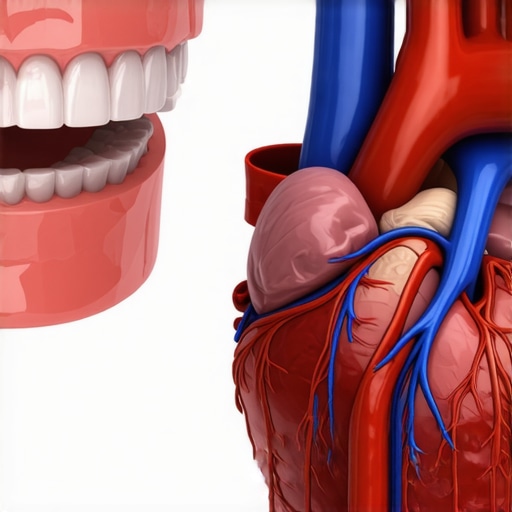
It was just another routine visit to the dentist when I experienced a moment of real clarity. As I sat in the chair, the hygienist gently scraped away at my gums, and I couldn’t shake the feeling that this simple cleaning was more than just about fresh breath or bright teeth. I remembered reading somewhere that gum disease might be connected to my heart health. Honestly, that thought startled me. Could something happening in my mouth really affect my most vital organ?
The Hidden Connection That Caught Me Off Guard
Many of us treat oral health as a separate, isolated part of our wellness. We brush, floss, and visit the dentist, but we rarely consider how it might be intertwined with our overall health—especially our hearts. As I dug deeper, I discovered that researchers have uncovered compelling evidence linking periodontal disease, commonly known as gum disease, with cardiovascular problems.
According to the American Heart Association, there’s a significant association between gum disease and an increased risk of heart disease. This isn’t just speculation; it’s backed by a multitude of studies showing that bacteria from infected gums can enter the bloodstream, potentially contributing to artery inflammation and blockages. It’s pretty startling to think that neglecting our gums could set the stage for serious heart issues.
Now, I don’t mean to alarm you, but I do want you to realize that ignoring signs of gum disease might have consequences beyond what we typically imagine. That’s why I’ve made it part of my routine to understand the deeper links and take actionable steps—not just for my mouth, but for my entire wellbeing.
Could Overlooking Your Gums Be Sabotaging Your Heart?
To be honest, I once brushed off minor gum bleeding, thinking it was just a temporary irritation. Trust me, that was a mistake. I learned early on that small signs like bleeding gums are often early warnings that something more serious is brewing underneath. Ignoring them might lead to a cascade of health issues, including heart problems. Want to avoid that? Keep reading, because I’m going to share practical insights that could save your life—starting with recognizing and addressing gum disease before it’s too late.
Are you experiencing gum bleeding, swelling, or persistent bad breath? If so, don’t brush it off. Instead, consider speaking with your dental professional about the potential risks and how to safeguard your heart health. For instance, avoiding common mistakes like neglecting routine cleanings can make a huge difference. Learn more about what not to overlook by visiting this guide on water filter mistakes that can worsen oral health.
In the upcoming sections, I’ll walk you through effective steps to prevent gum disease and protect your heart—because your health truly is interconnected. Let’s take the first step together.
,
Start with Consistent Daily Care
My first real breakthrough came when I committed to a strict daily routine. Brushing twice a day isn’t enough; I learned to incorporate proper technique and timing. Use soft-bristled brushes to gently clean along the gum line, mimicking a delicate sweeping motion rather than harsh scrubbing that can damage tissues. I also set reminders to brush for at least two minutes—this ensures thorough cleaning. For extra protection, I integrated interdental cleaning with floss or specialized picks, thoroughly removing plaque between teeth where a toothbrush can’t reach. Remember, neglecting this step can leave behind biofilm that hides in small gaps, fueling inflammation and gum disease. To maximize effectiveness, use a fluoride toothpaste that strengthens enamel and fights cavities. Regular use of antimicrobials like an approved mouthwash can help control bacterial growth. For guidance on choosing the right product, visit this guide on mouthwash selection.
When it comes to dental health, many people rely on common beliefs that are actually misconceptions. For example, the idea that frequent teeth whitening weakens enamel is widespread, but advancements in biocompatible whitening agents now make this process safe when done correctly. Another myth is that all crowns are one-size-fits-all; in reality, modern crown materials and customization techniques, such as bio-mineral or bio-ceramic options, ensure a durable and natural feel, significantly reducing common complications.
The Oops Factor: Common Traps in Oral Care
A frequent mistake is believing that regular brushing alone is sufficient for cavity prevention. However, neglecting interdental cleaning or improper brushing techniques can leave behind biofilm in hard-to-reach areas, fostering decay and gum issues. Many overlook the importance of using fluoride toothpaste in conjunction with mouthwash that contains scientifically validated antimicrobial agents—choosing the wrong products can inadvertently harm your enamel instead of protecting it. For example, about 40% of popular mouthwashes contain ingredients that may weaken enamel over time.
How do advanced dental materials improve longevity and health?
Experts now emphasize that choosing the right dental materials—like titanium-polymer crowns or bio-integrative seals—can dramatically extend the lifespan of restorations while preventing secondary decay and gum irritation. Contrary to outdated belief, waiting longer for a permanent crown, as suggested by the 24-hour crown rule, can actually increase the risk of bacterial infiltration if temporary restorations are left in place too long. Staying up-to-date with these nuanced innovations ensures better outcomes and less need for repeat procedures.
Moreover, the misconception that teeth cleaning only involves scraping surfaces ignores the latest SMART enzyme technologies which actively digest plaque and biofilm, making cleanings more effective without aggressive scraping. For those interested in preventing cavity recurrence, exploring non-invasive methods like bio-acoustic buffing is worth considering. Find out more about innovative cleaning techniques in this detailed guide.
Watch Out for This Hidden Pitfall
One trap that many overlook is the assumption that a small chip or veneer crack isn’t urgent. In reality, tiny chips can serve as entry points for bacteria, leading to decay or gum inflammation that might not be immediately visible. Delaying repairs or dismissing minor damages can escalate into more invasive procedures like root canals or full crown replacements. Remember, modern bio-mineral crowns and sealing techniques, such as these innovative options, can often restore the tooth’s integrity without resorting to drill-based repairs.
Have you ever fallen into this trap? Let me know in the comments. Staying informed about the real nuances in family dentistry can help you make better choices, save money, and protect your health for years to come.
Maintaining a healthy smile over the years requires more than just routine brushing and flossing. As I’ve explored the evolving field of family dentistry, I’ve discovered that investing in specific tools and adopting advanced methods can dramatically extend the lifespan of restorations like crowns and prevent common issues such as cavity recurrence. Today, I want to share the precise equipment and techniques I personally rely on to ensure my dental health remains robust and hassle-free.
How do I keep my dental maintenance sustainable over time?
First, I’ve integrated a high-frequency ultrasonic scaler into my routine cleanings. Unlike traditional hand instruments, this device uses rapid vibrations to remove plaque biofilm from hard-to-reach areas gently but effectively. I’ve found that it reduces the risk of residual plaque leading to decay or gum inflammation, especially around crowns and bridges. To complement this, I opt for smart enzymatic oral cleaners, which actively digest biofilm without aggressive scraping—reflecting the innovations used in 2026 teeth cleaning techniques. These enzymes provide a non-invasive, long-term solution for maintaining oral hygiene between appointments.
For everyday use, I rely on an electric toothbrush equipped with oscillating-rotating technology. The precise movement and timers ensure thorough cleaning along the gum line without damaging receding tissues, which is crucial for extended crown longevity. Additionally, I incorporate interdental brushes designed with ultra-fine bristles to access tight spaces that floss might miss, effectively disrupting plaque colonies before they cause trouble.
To monitor my oral health proactively, I use a dental health app that syncs with my intraoral scanner. This technology tracks areas of concern, reminds me of upcoming cleanings, and even alerts me if my technique is inconsistent. As digital dentistry advances, these tools become invaluable for long-term maintenance and early intervention.
Predictions point toward an increasing integration of AI-driven diagnostics and personalized oral health plans, which will make self-care smarter and more precise. For example, emerging bio-reactive materials in crowns can modulate the local environment, reducing bacterial adhesion and decay risk. Staying current with these innovations equips you to make informed decisions about your dental routine.
What’s a simple step I can try today to upgrade my ongoing maintenance?
Start incorporating an enzymatic mouthwash into your daily routine. It’s an easy adjustment that can significantly improve bacterial control, especially for those with crowns or susceptibility to cavities. Check out this guide to find a product tailored to your needs. Embracing these advanced tools and methods can turn routine dental maintenance into a proactive, long-term investment in your oral health—protecting your smile well into the future.
3 Surprising Truths I Didn’t Expect About Family Dentistry
- Realizing that minor gum issues like bleeding are often early warnings, not just inconveniences, shifted my entire approach to oral health. Ignoring them can silently jeopardize our heart health, reminding us that prevention is truly better than cure.
- Discovering that advanced materials like bio-mineral crowns aren’t just about aesthetics—they actively promote healing and prevent future decay—made me rethink traditional dental treatments and embrace innovation.
- Understanding that routine water filters or mouthwashes, if chosen unwisely, can inadvertently damage enamel taught me to be more diligent about selecting the right products, enhancing my family’s long-term oral health.
- Learning that regular, non-invasive cleaning techniques, such as smart enzymes and plasma sterilization, are now replacing aggressive methods, reassured me that family dentistry is advancing towards gentler, yet more effective, solutions.
- Realizing that the key to sustainable family dental health lies not only in what we do at the dentist but in adopting daily habits—like enzymatic rinses and proper brushing techniques—has empowered me to take control of my family’s smiles.
My Toolbox for Smarter Family Dental Care
- Bio-acoustic buffing tools: I trust these for effective yet gentle plaque removal, thanks to their innovative approach that minimizes damage to delicate tissues.
- Smart enzymatic mouthwashes: They actively digest biofilm and are a game-changer for maintaining hygiene between visits, especially around crowns and sensitive areas.
- Intraoral digital scanners: Using technology that tracks my oral health progress keeps me proactive and aware of issues before they escalate.
- Educational guides from trusted sources: Resources like those outlining the right mouthwash selection help me make informed decisions tailored to my family’s needs.
Embark on Your Journey with Confidence
Your path to healthier family smiles is within reach. Embracing these insights, tools, and innovations can transform your approach to dental care from reactive to proactive. Every small step you take today builds the foundation for a lifetime of confident, healthy smiles. Remember, your commitment to understanding and applying the latest in family dentistry can genuinely change your life. Are you ready to make that leap and take charge of your oral health now? Share your experiences and questions below—let’s grow together in this journey towards better family wellness.
,