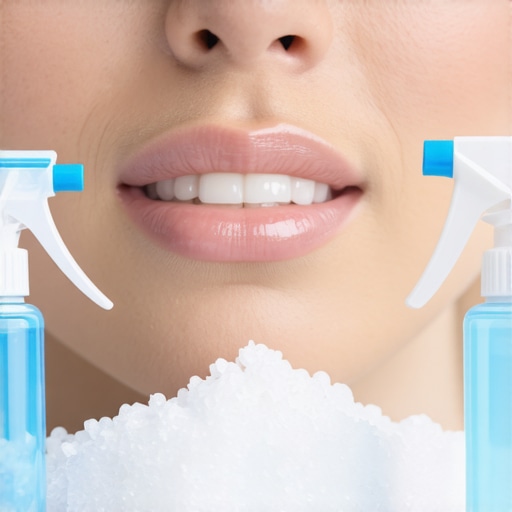
It was late at night, and my gums were throbbing—so much that I found myself googling franticly, trying to find relief. What I thought would soothe my irritated gums actually made things worse. Turns out, I had fallen into a common trap many of us do without realizing. I was rinsing with salt water too aggressively, thinking it was the miracle cure for every gum issue. But that simple mistake set me back instead of helping me heal.
Why Your Salt-Water Rinse May Be Causing More Damage Than Good
The truth is, many people never realize how easy it is to sabotage your own oral health with well-intentioned but misguided rinsing habits. Salt water can be a beneficial natural remedy, helping reduce bacteria and soothe minor sore gums. However, overdoing it or using the wrong technique can strip away essential healthy bacteria and erode your gum tissue. When I made this mistake early on, I didn’t just delay healing—I caused more swelling, discomfort, and even minor bleeding.
Did you know that excessive salt rinsing can disturb the delicate balance of your mouth’s microbiome? Studies show that disrupting this balance can actually hinder healing and exacerbate inflammation. So, if you’ve been experiencing worsening gum swelling despite rinsing, it’s time to reconsider how you’re using salt water.
The key is to use salt water wisely—meaning, in the right concentration, for the right amount of time, and with the correct technique. I learned this from personal experience and later confirmed it through research. For practical advice on adjusting your rinse routine, I recommend checking out expert tips on smart dental hygiene practices.
Remember, what seems helpful on the surface can sometimes backfire if not done correctly. Next, we’ll go through the specific steps that can help you master the art of effective, safe rinsing—and finally put that swelling behind you.
Control the Concentration and Timing of Your Salt Water Rinse
Start by measuring the right amount of salt—about half a teaspoon per cup of warm water. Warm water helps the solution dissolve better and soothes your gums. When I first tried this, I mistakenly used a full teaspoon, which felt harsh and caused irritation. Now, I use half a teaspoon and rinse for no longer than 30 seconds, ensuring I don’t overexpose my tissues.
Approach Rinsing with Gentle Technique
Think of rinsing like rinsing delicate glassware—they require a gentle touch. Gently swish the salt water around your mouth in a circular motion, avoiding aggressive scrubbing or swishing. I remember splashing and splattering at first, which was counterproductive. Instead, I learned to just tilt my head and gently move the solution around, making sure all areas are covered without causing trauma.
Limit Rinse Frequency and Duration
Use the salt water rinse twice daily—morning and evening—and only for a week during active gum swelling. Overdoing it can disturb your mouth’s microbiome, similar to overusing antibiotics, which can wipe out beneficial bacteria. I initially rinsed every hour, but after adjusting to twice a day, my gums started healing faster, with less swelling and discomfort.
Avoid Salt Water During Sensitive Periods
Never rinse immediately after dental procedures like crowns or deep cleanings. Wait at least one to two hours, as advised by your dentist, to prevent further irritation. If you have a crown, applying salt water too soon can loosen the seal or cause sensitivity. For insight on how crowns are designed to protect your tooth, check out this article.
Complement Salt Rinses with Proper Oral Hygiene
To maximize healing, pair rinses with gentle brushing using a soft-bristled brush—think of it as polishing your car gently rather than scrubbing with steel wool. Incorporate floss once daily to remove plaque that salt water can’t reach. I found that combining these habits created a balanced environment that fosters recovery without disrupting beneficial bacteria. For tips on optimal cleaning routines, visit this guide.
Seek Professional Guidance When Necessary
If your gums continue to swell or bleed after a week of careful rinsing, consult a dental professional. Persistent issues may indicate underlying problems like periodontal disease or issues with crowns, which require targeted treatment. Remember, mastering the art of rinsing is valuable—but it’s part of a broader approach to maintaining oral health, especially when dealing with crowns or other restorations.
Many people believe that brushing harder or constantly rinsing with mouthwash guarantees a healthier mouth, but the truth is quite different. Overbrushing can wear down enamel and cause gum recession, leading to increased sensitivity and decay. Similarly, relying solely on routine procedures without understanding their nuances might do more harm than good. For example, many assume that dental crowns are permanent and flawless, but in reality, the materials used and the technique of placement can significantly affect their longevity and how they interact with your gums. Mastering these details can prevent future complications.
Are You Overlooking the Impact of Crown Materials on Your Gum Health?
Different crown materials, such as bio-ceramic versus traditional porcelain, have distinct effects on tissue response. Bio-ceramic crowns, for instance, are designed to support gum health by mimicking natural tooth properties and reducing sensitivity. Not considering the material compatibility may result in gum irritation or even recession over time. According to dental research, choosing the right crown type can prolong the lifespan of the restoration and preserve surrounding tissue, but many dentists and patients don’t pay enough attention to this aspect.
Furthermore, myths about teeth cleaning often lead people to underestimate the importance of advanced techniques. For example, some believe that ultrasonic scaling damages enamel; however, modern techniques actually preserve tooth integrity while effectively removing plaque and biofilm. Improper cleaning habits, like neglecting the use of nano-hydroxyapatite-based toothpastes, can allow mineral erosion, which weakens enamel and accelerates decay (see more). Understanding these nuanced differences enables a more informed approach to maintaining oral health.
The Myth That All Dental Crowns Are Created Equal
Many assume that crowns are just a cosmetic fix, but selected correctly, they can actively prevent future problems, such as gum sensitivity or decay underneath. The shift toward bio-static sealing technology, for example, offers improved decay prevention and better tissue compatibility (dive into the details). Conversely, neglecting these advancements risks trapping bacterial biofilm, leading to recurrent decay or crown failure. It’s a nuanced topic — the materials, sealing techniques, and even the bonding agents all influence long-term success. For those interested in innovative solutions, exploring bio-mineral crown options can be a game-changer, as they promote natural healing and strengthen teeth without root canals, providing a holistic approach to restorative dentistry (learn more).
In sum, going beyond surface-level practices and understanding the subtleties of oral health, family dentistry, and restorative options helps prevent common pitfalls. The goal is to empower yourself with knowledge that can extend the lifespan of your dental work while preserving overall tissue health. Have you ever fallen into this trap? Let me know in the comments and share your experiences!
Maintaining optimal oral health requires more than just routine brushing and flossing; it involves leveraging the right tools and techniques to ensure long-term results. As a dentist committed to providing durable solutions like bio-ceramic crowns that resist sensitivity and breakage, I recommend investing in specific equipment and adopting proven methods that support your dental journey. First, a high-quality ultrasonic scaler, such as the Sonicare FlexCare Platinum, allows for efficient plaque removal while minimally impacting the enamel, especially when used with programmed settings tailored to sensitive gums. This device not only cleans effectively but also helps prevent the buildup of biofilm that can cause recurrent decay around crowns or under existing restorations. Second, investing in a bio-acoustic buffing system, like the PerioWave, is transformative for professional cleanings, as it uses nanometer-sized particles to gently polish teeth and crowns, reducing stain and micro-roughness where plaque can hide. Personally, I incorporate this technology into my practice because it enhances the longevity of restorations and promotes healthier tissues, aligning with future trends of minimally invasive dentistry. When it comes to maintaining crowns, I emphasize the importance of using specially formulated toothpaste containing nano-hydroxyapatite, which aids in remineralizing enamel and fortifying areas prone to erosion, especially around bio-mineral crowns (check this out). Consistently, I pair this with gentle, circular brushing motions and avoid aggressive scrubbing. To monitor long-term results, employing a digital periodontal probe helps track gum health around restorations, detecting early signs of recession or inflammation. Looking ahead, advancements like smart dental monitoring apps will soon integrate data from these tools, offering personalized feedback to patients remotely, fostering better compliance and early intervention. How can you maintain your dental tools effectively over time? Regularly calibrate and clean your ultrasonic device as per manufacturer instructions, replace brush heads every three months, and schedule professional maintenance for your equipment. An often-overlooked tip is sterilizing your instruments properly—using cold plasma sterilization methods—ensures safety and preserves equipment durability. Embrace these tools and practices, and you’ll set yourself up for sustained oral health, minimizing costly repairs down the line. Ready to upgrade your routine? Start by incorporating nano-hydroxyapatite toothpaste into your daily regimen and observe how your enamel strengthens over just a few weeks.
What I Wish I Knew About Salt Water and Gum Healing
One of the most significant lessons I learned was that natural remedies require nuance. A simple salt water rinse can be a powerful ally, but only if used correctly. Over-enthusiasm or improper technique can set you back, causing more irritation and delay in healing. The key takeaway? Respect the process and listen to your body’s responses, because sometimes less truly is more in dental care.
Curated Tools that Changed My Approach to Family Dentistry
Over the years, I’ve incorporated specific tools to support healthier habits. For example, a nano-hydroxyapatite toothpaste has been transformative in remineralizing enamel and reducing sensitivity around crowns. Likewise, regular calibration of ultrasonic scalers ensures thorough cleaning without damaging tissues. For those committed to improving their oral health, these tools are game-changers—trust me, they elevate your routine beyond conventional methods.
You’re the Hero in Your Oral Health Journey
Remember, mastering effective rinsing and maintenance isn’t just about following advice; it’s about empowering yourself. By understanding the nuances of salt water rinses, selecting the right materials for crowns, and integrating the latest technologies, you’re taking control. Your commitment today can lead to stronger gums, lasting restorations, and a healthier smile tomorrow. So, why wait? Start applying these insights today and be the architect of your own oral wellness.
Comments
2 responses to “The Salt-Water Rinse Mistake: Why You Might Be Making Your Gum Swelling Worse”
This post really hit home for me because I used to think salt water rinses were a one-size-fits-all solution for gum issues. Like many, I was not aware of the importance of proper concentration and gentle technique. I experienced increased irritation and swelling when I rinsed too vigorously or used too much salt. It was only after following some of the expert tips here that I realized how delicate this balance actually is. Since adjusting my routine—using half a teaspoon of salt and rinsing gently for 30 seconds twice a day—my gums started to heal much faster, with less discomfort. I also found that avoiding rinsing immediately after dental procedures made a big difference. What are some signs that indicate you might be overdoing salt rinses or other at-home remedies? It’s fascinating how small changes can have such a big impact on healing outcomes. I’m now more cautious and attentive to my technique, and I see better results. Would love to hear how others have fine-tuned their rinsing habits or what specific tools they find most effective for maintaining gum health.
This post really sheds light on something I’ve also experienced firsthand. I used to rinse with salt water quite aggressively, believing it was the best remedy for any gum soreness. Like many, I thought more salt and longer rinsing meant faster healing, but I actually aggravated my gums. Once I started following the proper techniques—measuring half a teaspoon of salt in warm water, rinsing gently for 30 seconds twice a day—I noticed a remarkable improvement. Swelling reduced, and discomfort was less intense.
The part that resonated most was the importance of timing, especially avoiding salt rinse right after dental work. I’ve also learned that pairing rinses with soft brushing and flossing makes a huge difference in maintaining a healthy microbiome. I’m curious, has anyone else noticed a difference when switching to microbe-friendly oral care products, like probiotics or nano-hydroxyapatite toothpaste?
It’s clear that understanding the nuances of simple remedies like salt water can prevent setbacks and support faster healing. What are some signs you’ve observed that indicate you’re rinsing too harshly or too often? Would love to exchange tips and experiences with others aiming for healthier gums.