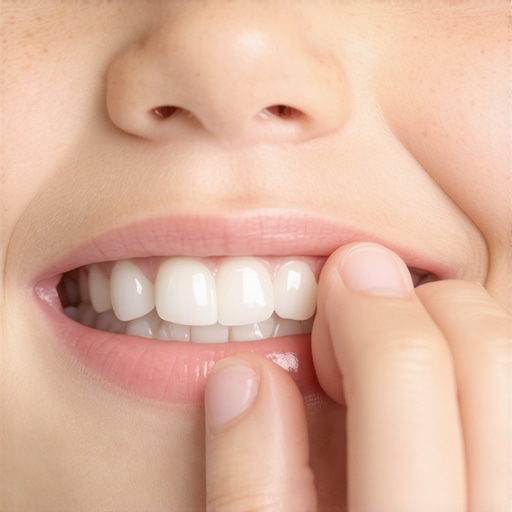
My heart stopped when I heard that sickening thud followed by a high-pitched wail from the living room. My youngest had just discovered that the edge of our hardwood coffee table isn’t as soft as a pillow. When I saw the blood, my mind went straight to expensive emergency rooms and permanent damage. I made a huge mistake that day: I tried to “test” how loose it was by wiggling it with my own shaky fingers, which only made the poor kid cry harder and potentially risked more damage to the gum tissue. We’ve all been there, hovering over a small mouth with a flashlight, wondering if this is a natural milestone or a dental disaster. Today, I want to walk you through how to differentiate between a tooth that’s ready for the Tooth Fairy and one that’s actually fractured. We’re going to look at the signs I wish I knew back then, so you can stay calm and act fast. [image_placeholder]
Stop the Panic and Check the Calendar
Before you call every family dentistry clinic in a three-mile radius, take a breath. Timing is everything. If your child is six or seven, a loose front tooth is usually a rite of passage. But if they’re three and that tooth is suddenly swinging like a saloon door after a fall, we have a different story. You need to know if you’re dealing with a natural transition or a trauma that needs an expert eye. Often, the reason your child’s gums are red where a tooth is coming in is just normal inflammation, but a sudden impact changes the rules. Dealing with a primary tooth that is truly broken requires more than just luck; it requires knowing when to seek professional help for your peace of mind.
Is a tiny wiggle actually worth the hype?
You might think a little movement isn’t a big deal, but it really depends on the type of movement. A broken tooth often feels sharp to the child’s tongue or looks slightly gray compared to its neighbors. According to the American Association of Endodontists, dental trauma in children can often lead to “luxation” or “intrusion,” where the tooth is displaced or pushed into the socket, which requires immediate attention to protect the developing permanent teeth underneath.
Look for the Jagged Edges and Gray Tints
A naturally loose tooth usually wiggles without much pain and the surrounding gums look relatively healthy, maybe a bit pink. In contrast, a broken tooth often comes with swelling or a distinct line you can see if you look closely. If you see a dark spot or a jagged edge, it’s time to check your oral health routine and call the professional. I once ignored a slight grayish tint on a front tooth, thinking it would just fall out, only to find out later it was an internal bruise that needed a pro to check it out. Since then, I’ve learned that knowing teeth cleaning secrets for kids isn’t enough; you have to be a bit of a dental detective to catch these things early. Have you ever had that “oh no” moment where your child’s tooth looked a little… off? Drop a comment below; I’d love to hear how you handled it! Even if you have to learn how to get your toddler to sit still for a quick checkup, it is always better than waiting until a minor chip becomes a major problem.Start by clearing the area so you can actually see the damage. Grab a clean, damp cloth and gently wipe away any blood. This is where I usually use the salt water trick that calms gum inflammation in minutes to soothe the area and make the child more comfortable. Once you can see the tooth clearly, look at its position. A naturally loose tooth stays in the same ‘track’ as its neighbors, whereas a traumatized tooth might look like it’s leaning at a weird angle or, worse, looks shorter than the others. This ‘shorter’ look often means it has been pushed into the socket, a condition called intrusion, which requires an immediate visit to a family dentistry expert to ensure the permanent tooth underneath isn’t being crushed.
The Flashlight Test for Hidden Fractures
If the tooth isn’t obviously out of place, you need to check for structural integrity. Use a small flashlight—the one on your phone works perfectly—and shine it from behind the tooth while looking at the front. This is how I caught a hairline fracture in my daughter’s incisor after a tumble at the park. If you see a dark line that doesn’t let the light through, you’re likely looking at a crack rather than a natural loose spot. If it’s just a surface ding, you can often breathe easier knowing how to fix a small chip in your front tooth without a full crown is a common and relatively easy procedure. 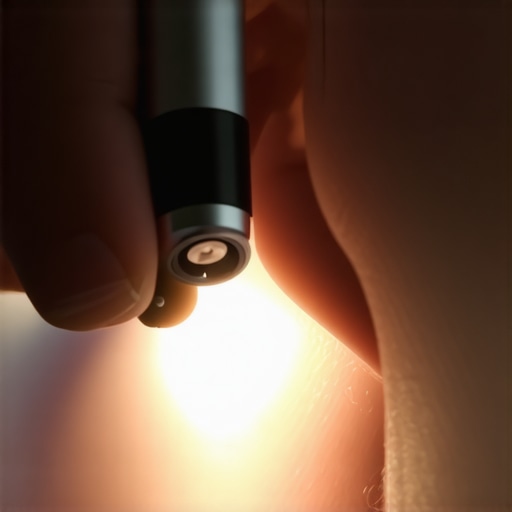
Differentiate Between Normal Wiggles and Injury Movement
A tooth ready to fall out usually wiggles in all directions—front to back and side to side—like a loose button on a shirt. An injured tooth, however, often feels ‘stuck’ in one direction but moves excessively in another. If the tooth feels firm but there is a lot of bleeding from the gum line, the root might be fractured below the surface. If you are handling a chipped front tooth during a weekend or holiday trip, don’t wait for the pain to start. Cold compresses are your best friend here to keep the swelling down until you can get a professional X-ray.
Why Gums Tell the Real Story
Pay close attention to the color of the gum tissue immediately above the tooth. In a natural shedding process, the gums might look slightly recessed or red where the new tooth is pushing through. In a trauma situation, the gums often turn a bruised purple or deep crimson almost instantly. Following oral health tips every family should follow in 2025 means understanding that the soft tissue is the support system for the tooth. If that support system is damaged, the tooth might survive, but it will need help. I remember when my youngest hit her tooth on the bathtub rim; it didn’t even look loose, but the gums turned dark within ten minutes. That was my signal that the impact was harder than it looked, and we needed to move fast.Most parents assume that because baby teeth are temporary, they are essentially disposable. However, one of the biggest mistakes you can make is forcing a loose tooth out before it is naturally ready, especially after an injury. While it might seem like you are just helping the process along, you could be risking the alignment of their future adult smile. The American Academy of Pediatric Dentistry (AAPD) notes that primary teeth act as essential space maintainers; losing one prematurely can cause the surrounding teeth to drift, leading to severe crowding. This is where family dentistry becomes less about simple checkups and more about strategic long-term planning.
Stop Trying to Pull That Tooth Early
The common belief that you should ‘just get it over with’ is a trap that often leads to gum damage or even infection. If a tooth is loose because of a fall rather than natural shedding, the root may have fractured in a way that isn’t visible to the naked eye. Trying to wiggle it free yourself can cause a jagged root fragment to stay lodged in the gum. Instead of DIY dentistry, focus on oral health tips every family should follow in 2025, which emphasize monitoring over intervention. Have you ever fallen into this trap of trying to speed up the Tooth Fairy’s visit? Let me know in the comments!
Does a Darkening Tooth Always Mean the Root Is Dead?
One of the most nuanced situations I’ve encountered is the ‘gray tooth’ phenomenon. Just like a bruised knee, a tooth can change color after a bump. Many people panic and assume the tooth is dead and must be extracted immediately. However, according to the American Association of Endodontists, a discolored primary tooth can actually recover or remain functional until its natural fallout date without harming the permanent tooth underneath. This is a perfect example of why expert advice on crowns and teeth cleaning for lasting results is vital even for children. Sometimes, a protective crown is better for maintaining that space than an extraction, even if it feels ‘overkill’ for a baby tooth. 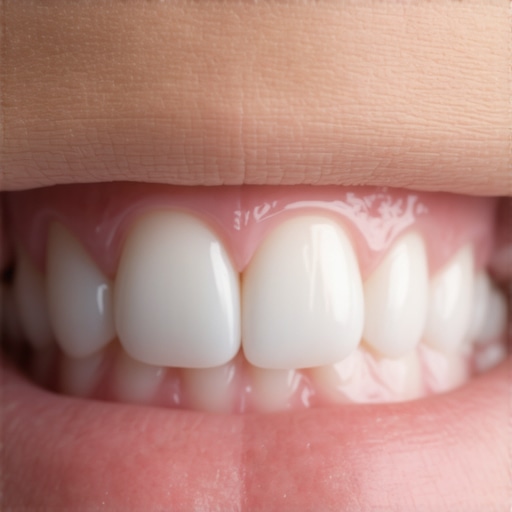
Why Professional Cleanings Save More Than Just Enamel
We often think of cleanings as just a way to keep things white, but when a tooth is compromised, a professional touch is about preventing systemic issues. If you are dealing with a fractured tooth, the tiny cracks are magnets for bacteria. Understanding the impact of regular teeth cleaning on overall oral wellness helps you realize that keeping that injured area pristine is what prevents a minor chip from turning into a painful abscess. Don’t fall for the ‘it doesn’t hurt, so it’s fine’ myth. Pain is often the last symptom to appear in dental trauma. Ensuring you understand why some crowns look like real teeth while others have a dark line can also help you make informed decisions if your child needs a restoration after a significant break. Being a dental detective isn’t just about spotting the problem; it’s about knowing when to let the experts take the lead to protect your child’s future smile.Once the immediate panic of a potential fracture or trauma subsides, the real work begins: the long-term maintenance of that dental work. Whether your child ended up needing a minor repair or you are just keeping a close eye on a ‘bruised’ tooth, the tools you use at home make or break the outcome. I personally moved away from traditional string floss for my kids’ more sensitive areas and switched to the Waterpik Aquarius Professional water flosser. The reason is simple: it allows for high-pressure cleaning around the gum line without the mechanical tugging that can aggravate a healing tooth. This is especially critical when caring for crowns, as keeping the margins clean prevents the bacteria buildup that leads to secondary decay.
Why I Swapped My Manual Brush for Sonic Tech
Moving from a manual brush to a high-quality electric one, like the Philips Sonicare ProtectiveClean, was a game-changer for our family. The pressure sensors are the specific feature I recommend; it’s too easy for a nervous parent (or a hurried kid) to scrub too hard, which actually wears down the enamel and irritates traumatized gums. If you are trying to understand teeth cleaning secrets for a post-injury mouth, gentle vibration beats manual scrubbing every time. I’ve found that this shift significantly improves the impact of regular teeth cleaning on overall oral wellness by ensuring we aren’t creating new problems while trying to solve old ones. 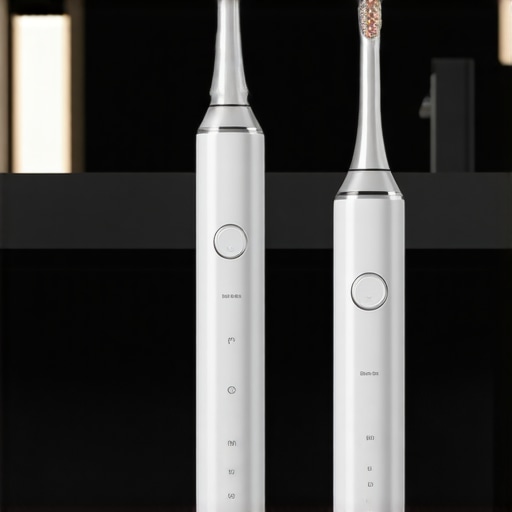
How do I maintain my family’s dental work over time?
The secret isn’t just brushing; it’s the consistency of professional intervention. Even with the best home routine, microscopic plaque can harden into tartar that you simply cannot remove. This is why I advocate for expert advice on crowns and teeth cleaning for lasting results. According to the FDI World Dental Federation’s ‘Vision 2030’ guidelines, the shift toward ‘minimal intervention dentistry’ relies heavily on frequent professional cleanings to catch structural issues before they require invasive surgery. This means that staying on top of maintaining your dental crowns and natural teeth through ultrasonic cleaning is the most cost-effective way to avoid the ’emergency’ cycle.
The Future of Home Dental Monitoring
Looking ahead, I predict we will soon see smart toothbrushes equipped with basic intraoral cameras or AI sensors that can detect hairline fractures at home. We are already seeing the beginnings of this with apps that track brushing coverage, but the next step is diagnostic support. Until then, you have to be the primary observer. Follow oral health tips every family should follow in 2025 by performing a ‘flashlight check’ once a week. My specific challenge for you this week: grab your phone’s flashlight tonight and do a 30-second sweep of your child’s (or your own!) teeth. Look for those tiny shadows or changes in translucency we talked about. Catching a small leak in a seal or a tiny chip now is the difference between a quick polish and a full dental crown later.
What I Finally Realized After Three Emergency Visits
Experience is a brutal teacher, and the biggest lesson I’ve learned is that pain is often a latecomer to the party. Just because my daughter wasn’t crying didn’t mean there wasn’t a micro-fracture lurking beneath the surface. I also realized that why some children get cavities despite never eating candy often boils down to how we handle these tiny structural compromises early on. Another “lightbulb moment” was learning that the reason your child’s gums are red isn’t always natural teething; sometimes it is the body’s way of flagging a recent impact. Lastly, never underestimate the power of professional eyes—prioritizing family dentistry is more about preventing future disasters than just fixing what is currently broken. [image_placeholder]
My Go-To Toolkit for a Worry-Free Smile
I don’t leave my kids’ oral health to chance anymore. Here are the three things that live in our bathroom cabinet: 1. The Waterpik Aquarius: It is non-negotiable for caring for crowns and preventing gum inflammation around loose teeth. 2. A High-Quality Electric Brush: Making the switch was easy once I learned how to transition your child to an electric toothbrush without a fight. 3. Alcohol-Free Mouthwash: It is much gentler for sensitive spots, and there is a real benefit of using an alcohol-free mouthwash for overall gum comfort. Following oral health tips every family should follow in 2025 means investing in these simple but effective tools today.
Secure Their Forever Smile Today
At the end of the day, your job as a parent isn’t to be a surgeon; it is to be a detective and an advocate. By knowing how to stop a minor toothache from becoming a major emergency, you are giving your child the gift of a lifelong, healthy relationship with their smile. Don’t let the fear of a possible fracture keep you from acting quickly. Whether you need expert advice on crowns and teeth cleaning for lasting results or just a simple checkup to ease your mind, the best time to start was yesterday—the second best time is right now. Have you ever been surprised by a dental emergency during a vacation or a holiday trip? Let me know your experience in the comments!