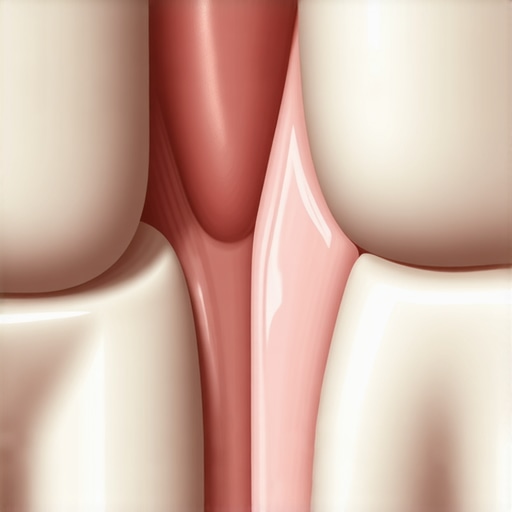
I remember the exact Tuesday morning when I leaned into my bathroom mirror to check for rogue spinach and froze. Instead of that healthy, coral-pink glow I usually saw, my gums looked like they’d seen a ghost. They were washed out, almost white in some spots. My first instinct? I blamed the new LED bulbs I’d just installed. I spent way too long tilting my head and squinting, hoping a different angle would bring back the color. But it didn’t. I learned the hard way that when your mouth changes colors, it’s usually trying to tell you a secret about your overall health. I’ve spent half my life helping friends and family navigate the confusing world of dentistry, and if there’s one thing I’ve learned, it’s that our mouths are the ultimate early-warning system. Today, I’m going to help you figure out what that secret is and how to get your vibrant smile back without the panic. [image placeholder]
Why Your Gums Are Trading Pink for Pale
It’s easy to dismiss a slight color change as “just one of those things,” but your gums are actually incredibly vascular. That pink hue comes from a rich supply of blood flowing right beneath the surface. When that color fades, it’s often a sign that something is interfering with that flow. Early on in my journey to better oral health, I made the classic mistake of thinking I could just “brush the life” back into them. I bought the firmest toothbrush I could find—the kind that feels like a floor scrubber—and went to town until my mouth throbbed. Spoiler alert: it didn’t help one bit. In fact, it probably accelerated the irritation and made me a candidate for more intensive care. It turns out, pale gums can be linked to everything from simple vitamin deficiencies to the connection between your heart health and your last dental cleaning. According to the Mayo Clinic, pale or white gums are a frequent clinical indicator of anemia, which happens when your blood lacks enough healthy red blood cells to carry oxygen to your tissues. It’s a systemic issue, not just a dental one, and it’s your body’s way of asking for a little more attention. Have you noticed your gums looking a bit more like a dusty rose lately instead of a bright pink, or have you found yourself wondering if you’re just overanalyzing your reflection? I’d love to hear your story in the comments.
Is a Pale Gum Line Actually a Reason to Panic?
I get it. The second we see something “off,” our brains jump straight to the worst-case scenario. You start Googling and suddenly you’re convinced you need a gum therapy session or that your teeth are about to fall out by next Thursday. Take a breath. While paleness isn’t exactly the “gold standard” for health, it’s often a very treatable signal. Sometimes, it’s as simple as your body asking for more iron or a slight tweak to your oral health routine. However, if you ignore it, you might find yourself dealing with more annoying symptoms down the road, like the real reason your gums itch or even unexpected sensitivity when you drink your morning coffee. We aren’t just looking for “white” teeth; we’re looking for the healthy foundation that holds them in place. Let’s dive into what’s actually happening behind the scenes so you can stop worrying and start taking action to get that healthy glow back.
Fix Your Daily Routine Before You Buy New Products
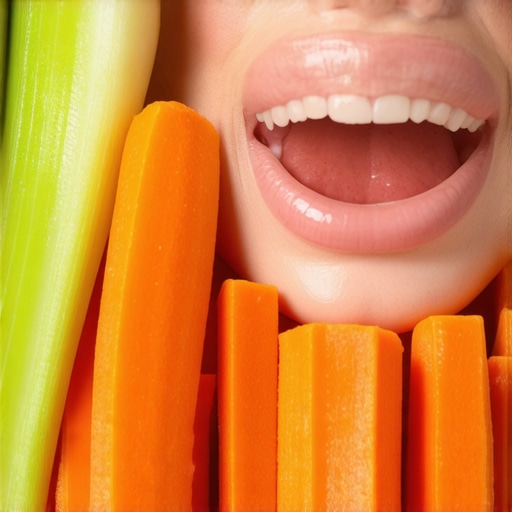
I once spent three weeks drinking nearly a gallon of beet juice every day because a self-proclaimed wellness guru on a forum swore the pigment would turn my gums back to a healthy pink overnight. All I got for my effort was a stained kitchen counter, a very purple tongue, and a confused dentist. The reality is that gum circulation doesn’t work through topical staining or magical juices. Instead of chasing gimmicks, focus on the 5 foods that act as natural toothbrushes for your family. Crunchy, fibrous vegetables like celery and carrots physically stimulate the gum tissue as you chew, which encourages blood to flow into those tiny capillaries. This natural massage is far more effective than any ‘hack’ I’ve ever tried.
Swap That Hard Brush for Something Gentler
If you are scrubbing your mouth like you’re trying to remove a rust stain from a car bumper, you are doing more harm than good. I’ve seen so many people—myself included—think that ‘harder is better.’ It isn’t. You need to know why your dentist wants you to stop using hard bristles immediately. Hard bristles can actually traumatize the delicate tissue, causing it to blanch and eventually recede. When I finally switched to a soft-bristle brush, it took about ten days for that ghostly, pale look to start fading. For the rest of your household, teeth cleaning secrets effective home practices for family dental health usually start with the simple realization that a gentle, circular motion is the only way to clean without cutting off the blood supply to your gums.
Spotting the Difference Between Anemia and Localized Paleness
If your entire mouth looks washed out, it is often a systemic issue like anemia. But if the paleness is concentrated in just one area, the cause is usually local. For instance, many people panic when they notice why your gums turn white around a new dental crown. In many cases, this is just temporary pressure from the restoration itself. However, if that pale ring doesn’t go away, you need to be able to how to tell if your dental crown has a small leak. A leak can allow bacteria to colonize under the gum line, causing the tissue to react by losing its healthy, vibrant color as it tries to shield itself from infection. I once ignored a pale spot around an old molar for months, only to find out the crown cement had failed long ago.
Get a Professional to Reset Your Foundation
Sometimes, no amount of home care can fix the issue because there is deep-seated tartar hiding where your brush can’t reach. You need to understand how often you actually need a professional scaling to prevent bone loss. If your hygienist mentions the difference between a standard cleaning and a gum therapy session, they aren’t just trying to upsell you. A standard cleaning only hits the surface, but gum therapy—or deep scaling—goes deep into the pockets to remove the debris that is physically blocking blood flow. This is especially vital in family dentistry focus building a lifetime of healthy smiles, as keeping the ‘soil’ of the mouth healthy ensures the ‘pearls’ stay firmly rooted for decades.
Stop Obsessing Over the Perfect White Shade
One of the biggest myths I encounter is the ‘Hollywood White’ trap. We’ve been conditioned to think that if our teeth aren’t the color of a refrigerator door, we’re failing at hygiene. But here’s the contrarian truth: dentin, the layer beneath your enamel, is naturally yellowish. If you over-whiten, you might actually be thinning your enamel, which makes the yellow dentin more visible—the exact opposite of what you wanted. This is why it’s so important to learn how to maintain a bright smile without using abrasive strips. A study published in the Journal of Dentistry highlights that aggressive use of abrasive whitening can lead to permanent tooth sensitivity and a significant loss of protective minerals, proving that ‘whiter’ isn’t always ‘healthier.’ Understanding the real reason some teeth are naturally yellower than others despite care can save you from damaging your smile in pursuit of an artificial standard.
Why Your Dental Crown Should Never Feel Like a Foreign Object
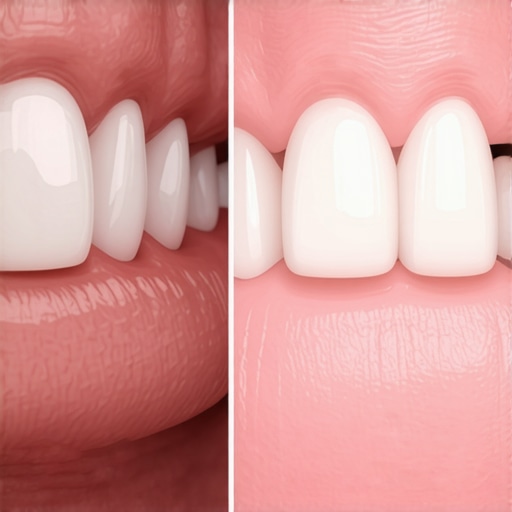
The biggest ‘oops’ factor I see with restorations is ignoring a crown that feels just slightly ‘high.’ If you feel a tiny click or if it feels like your teeth hit that crown first when you bite, don’t wait. That tiny misalignment creates a micro-gap. You need to understand how to tell if your dental crown has a small leak before bacteria set up a permanent residence underneath. When it comes to aesthetics, there is a specific reason why some crowns look like real teeth while others have a dark line. It’s often not the crown itself, but the health of the surrounding tissue and the material choice. For those looking for the most natural appearance, why ceramic crowns are the best choice for your front teeth usually boils down to how light passes through the material, mimicking real enamel.
Why do some crowns fail despite perfect brushing?
It’s incredibly frustrating when you do everything right—flossing, brushing, and rinsing—but still end up needing a replacement. Often, it comes down to the ‘seal’ and hidden structural stress. A crown is only as good as the cement and the margin. If you’ve been noticing the reason your crown feels loose when you wake up, it might be due to nocturnal grinding—a hidden factor that destroys even the most expensive dental work by stressing the bond. This is why caring for crowns essential tips for longevity and shine must include more than just a toothbrush; it requires protecting the bite alignment itself. Have you ever fallen into the trap of thinking a crown was indestructible? Let me know in the comments.
Your Kids Don’t Just Need Less Sugar
In the world of family dentistry focus building a lifetime of healthy smiles, we often blame candy for every cavity. But the nuance is often found in how we hydrate. You have to how to protect your family’s teeth from hidden sugars in sports drinks, which are often more acidic and damaging than a chocolate bar because they bathe the teeth in sugar for long periods. This is a common reason why some children get cavities despite never eating candy. Beyond diet, the physical way a child breathes can change their oral health. Understanding why your child might be a mouth breather and how it affects their jaw is a master-level insight that many parents miss until it impacts their child’s bite and gum health. Establishing a solid oral health routine strengthening your smile every day means looking at these functional habits as much as the brushing itself.
Keep Your Dental Investment from Falling Out
I used to think that once a crown was seated, my job was done. I treated it like a bionic tooth—indestructible and maintenance-free. I was wrong. The real work begins after you leave the chair. The single most important tool in my arsenal isn’t even a brush; it’s a custom night guard. I’ve seen people crack $1,500 restorations in their sleep because they didn’t believe they were grinders. You need to understand how a simple night guard can save you thousands in future dental work by absorbing that nocturnal pressure. If you wake up with a dull ache in your jaw or a clicking tooth, don’t ignore it.
How do I maintain my dental crowns and gum health over time?
Consistency beats intensity every time. While we focus on daily habits, the ‘heavy lifting’ happens during professional visits. There is a specific reason why your hygienist uses that high-pitched water tool on your gums. That ultrasonic scaler vibrates at a frequency that disrupts bacterial biofilms that your floss simply can’t reach. To keep things stable at home, I personally swear by a water flosser for cleaning the margins of my crowns. It is significantly more effective at flushing out debris from tight spots, which is maintaining your dental crowns dos and donts for best results 101. A study in the Journal of Clinical Dentistry found that water flossing was 29% more effective than traditional string floss for overall plaque removal, making it a non-negotiable for anyone with restorative work.
The Tool That Actually Changes the Game
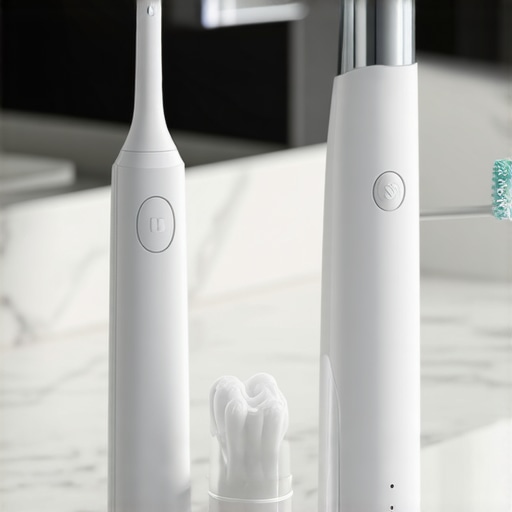
If you’re still using a manual brush because you think it’s ‘just as good,’ you’re missing out on the pressure-sensor revolution. I shifted to an electric model with a built-in sensor that flashes red when I press too hard. This is the ultimate way to prevent recession and ensure expert advice on crowns and teeth cleaning for lasting results actually sticks. For those with children, knowing how to transition your child to an electric toothbrush without a fight can save them from a lifetime of aggressive scrubbing habits. I predict that within the next five years, we will see ‘smart’ crowns equipped with micro-sensors that can alert your phone if the pH levels underneath the margin suggest a burgeoning leak, allowing us to fix problems before they even hurt.
Don’t Let Your Guard Down
Long-term success in family dentistry focus building a lifetime of healthy smiles isn’t about the expensive procedures; it’s about the boring, repetitive maintenance. Whether it’s using the benefit of using an alcohol-free mouthwash for dry mouth to keep your saliva flow healthy or simply replacing your brush head every 90 days, these small wins add up. My challenge for you this week: swap your standard mouthwash for an alcohol-free version and see if your mouth feels less ‘stripped’ and more hydrated by Friday. Your gums will thank you for the extra moisture.
The Hard Truths About My Own Dental Detours
Looking back at my years of dental trial and error, I’ve realized that the most expensive procedures usually started as a small, ignored sign like a pale gum line. Here is the wisdom I wish I had embraced sooner: First, your gums are a mirror of your internal systems; don’t just treat the surface. Second, the ‘squeaky clean’ feeling from a hard brush is actually the sound of your enamel and gums being damaged. Third, you cannot out-brush a bad diet or chronic mouth-breathing. Finally, a healthy oral health routine isn’t about perfection; it is about consistency. I learned that ignoring a minor color shift often leads to much bigger conversations about the impact of regular teeth cleaning on overall oral wellness later on.
My Personal Daily Defense Kit
I’m often asked what I actually use when I’m not testing new gadgets. I keep it simple but effective. I strictly use the benefit of using an alcohol-free mouthwash for dry mouth to keep my tissues hydrated rather than irritated. I also believe that why ceramic crowns are the best choice for your front teeth is a game-changer for anyone needing restorative work, as they blend seamlessly with natural tissue and don’t create that tell-tale dark line. For the kids, I focus on how to transition your child to an electric toothbrush without a fight to set them up for long-term success. These aren’t just products; they are investments in your confidence. [image placeholder]
Your Smile Deserves More Than Just ‘Good Enough’
It’s time to stop second-guessing what you see in the mirror. Whether you need a deep cleaning or just a better way to manage your daily care, taking that first step is what counts. Our goal in family dentistry focus building a lifetime of healthy smiles is to ensure you never feel that panic I felt on that Tuesday morning. Your vibrant, healthy smile is waiting to come back. Have you noticed your gum color changing lately, or are you struggling with a crown that just doesn’t feel right? Let me know in the comments so we can figure it out together.