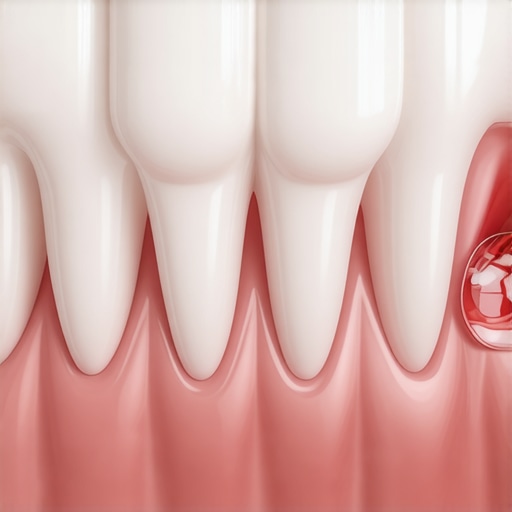
I remember staring into the bathroom sink about three years ago, watching a pink swirl of toothpaste circle the drain. It wasn’t a daily occurrence; it was always that specific Tuesday before my cycle started, like some sort of grim, monthly clockwork. As someone who is a bit of a stickler for my oral health routine, seeing that blood felt like a personal failure. I actually made a massive mistake early on: I assumed I wasn’t being aggressive enough. I went out, bought a firm-bristled toothbrush, and scrubbed my gum line until it was raw. I thought I was just being lazy with my teeth cleaning. In reality, I was just making a hormonal situation much, much worse. My gums didn’t need a beating; they needed a bit of grace and a better strategy. Today, I want to show you exactly why this happens and how you can manage the inflammation without reaching for the ‘extra-firm’ bristles.
Stop Blaming Your Toothbrush for Your Monthly Bleeding
If you only notice blood when you are reaching for the tampons, you aren’t losing your mind and you aren’t necessarily failing at flossing. It is actually a recognized condition called menstruation gingivitis. Right before your period, your body sees a massive surge in progesterone. This spike does more than just cause mood swings; it actually increases blood flow to your gum tissues. According to the American Academy of Periodontology, these hormonal shifts make your gums significantly more sensitive and reactive to even the smallest amounts of plaque. This is why a routine that feels fine on the 15th of the month might leave you bleeding on the 28th. I spent months worrying that my dental crowns were failing or that I had developed a sudden, catastrophic infection, but it was just my hormones playing tricks on my vascular system.
Is This Just an Excuse for More Dental Appointments?
You might be skeptical, thinking this is just a convenient way for dentists to suggest more frequent visits or expensive products. I thought the same thing until I learned that soft-bristled brushes are the only ones that can effectively navigate this sensitive window without causing micro-trauma to the tissue. When your progesterone is peaking, your gums are essentially in a state of high alert. Even if you are a pro at home cleaning practices, that monthly window requires a gentler touch. Have you ever noticed your gums feeling ‘puffy’ or tender a few days before your period starts? I’d love to hear if this is a recurring mystery for you too—leave a comment below and let’s compare notes. We’re going to dive into the salt water trick and other ways to calm things down so you can stop dreading your morning brush.
Treat Your Gums Like a Silk Shirt Not a Rug
Think of your gums during this hormonal peak as a delicate silk shirt. You wouldn’t take a wire brush to silk to get a stain out; you’d soak it gently. When your progesterone levels are high, your gums are essentially swollen with extra blood, making them incredibly fragile. This is the exact moment you need to swap out anything even remotely stiff. I remember one Tuesday morning, my gums were so tender I could feel my pulse in my front teeth every time I breathed. Instead of my usual vigorous scrub, I switched to the lightest touch possible. If you are still using a medium or firm brush, you’re basically sandpapering a wound. This is why soft-bristled brushes are the only ones that belong in your cabinet during your cycle. You want to use a technique that focuses on the gum line without digging in. Angle the brush at 45 degrees and use tiny, vibrating circles rather than long, horizontal strokes. This dislodges plaque without shredding the tissue that is already under stress from your hormones.
A Kitchen Staple That Calms the Fire
When the bleeding starts, your first instinct is probably to reach for an intense, alcohol-based mouthwash to ‘kill’ the problem. Stop right there. Alcohol dries out the mouth, which can actually irritate the tissue further and exacerbate the inflammatory response. Instead, I rely on the salt water trick to reduce the osmotic pressure in the gums. It’s not just an old wives’ tale; the salt draws out the excess fluid that’s causing that ‘puffy’ and tight feeling. One time, I had a flare-up right before a big presentation. My gums looked like angry red sausages, and I was terrified I’d start bleeding mid-sentence. I did a warm salt water rinse three times that day, and by the next morning, the redness had faded to a dull pink. It’s the simplest way to how to fix a sensitive tooth flare-up before your next appointment without over-medicating. #IMAGE_PLACE_HOLDER_B# Just a half-teaspoon of salt in a cup of warm water can change the trajectory of your entire week.
Stop Blasting Your Gums Into Submission
If you use a water flosser, this is the week to turn the dial way down. I used to think the ‘jet’ setting was the only way to get clean, but during my period, that high-pressure stream felt like a power washer hitting a fresh bruise. It actually caused more bleeding and made the sensitivity last for days. You need to find the lowest effective setting. This is the common mistake you are making with your water flosser—assuming more power equals a better clean when the tissue is already compromised. Your goal isn’t to blast the plaque away with force; it’s to gently rinse the bacteria out of the pockets. If you find your oral health routine is becoming a source of pain, your body is telling you to pivot to a gentler mode of care, not to push through the discomfort.
Why Your Crown Area Feels Extra Tender Right Now
If you have dental work, this inflammation can feel even more alarming than usual. I have a crown on my upper left molar, and during my ‘bleeding week,’ I used to get convinced it was failing because the gum around it would turn dark and tender. In reality, the margin where the crown meets the gum is just a natural shelf where plaque loves to hide, and the inflamed gum reacts even more strongly to those microscopic bits. You have to be meticulous but incredibly gentle around those specific areas. Check out these expert advice on crowns and teeth cleaning for lasting results to ensure you aren’t accidentally damaging the seal while trying to manage the swelling. Using a high-quality, soft electric brush can help here because it does the work without you needing to apply any manual pressure. Maintaining this balance is the hallmark of good family dentistry focus—it is about knowing when to be thorough and when to be soft. Just like you wouldn’t expect a toddler to brush with the same intensity as an adult, you shouldn’t expect your gums to handle the same intensity during different phases of your cycle.
Your Crown is Not a Bulletproof Vest
One of the biggest misconceptions I hear—and one I fell for myself—is the idea that once a tooth is crowned, it is basically ‘finished’ and protected from the world. We treat crowns like they are stainless steel shields, but the reality is much more fragile. If you have ever thought, ‘I do not need to floss that tooth, it is porcelain,’ you are falling into a dangerous trap. The porcelain itself will not decay, but the tooth structure underneath it certainly can. In fact, the margin where the crown meets your natural tooth is the most vulnerable square millimeter in your mouth. A study published in the Journal of Dentistry notes that marginal leakage is a primary contributor to secondary caries, which often remain hidden until the damage is significant. This is why how to tell if your dental crown has a small leak is such a critical skill to develop. If that seal is compromised, bacteria can sneak underneath and rot the remaining tooth while you think everything is fine because the porcelain looks perfect. I have seen people lose entire teeth because they neglected the basics of maintaining your dental crowns dos and donts for best results. Have you ever fallen into this trap of thinking your dental work was invincible? Let me know in the comments.
The Margin Trap That Ruins Perfect Smiles
Another nuance people miss is the ‘abrasion factor.’ In an effort to keep their expensive dental work looking white, many people reach for aggressive ‘whitening’ toothpastes. However, the truth about whitening toothpastes and whether they actually work is that they are often highly abrasive. For a crown, this can actually wear down the professional glaze over time, making the surface more porous and prone to staining—the exact opposite of what you want. Instead of scrubbing away the finish, lean into the impact of regular teeth cleaning on overall oral wellness by letting a professional hygienist handle the heavy lifting while you stay gentle at home.  By focusing on the health of the gum tissue rather than the brightness of the porcelain, you ensure the foundation stays strong enough to support that crown for decades.
Why does my crown feel cold when I drink iced coffee?
If you experience a sharp zing, it is usually not the crown itself reacting. Since porcelain and zirconia are excellent insulators, they do not conduct temperature the way natural enamel does. The culprit is almost always gingival recession or a slight gap at the margin that exposes the sensitive root surface of the tooth beneath. This is particularly common during hormonal shifts when gums are inflamed and pull back slightly from the crown edge. Recognizing why some dental crowns feel cold when you drink iced coffee can help you distinguish between a temporary ‘cycle flare-up’ and a real structural problem. If the cold sensitivity lingers for more than a few seconds after the drink is gone, that is your sign to get it checked out. It is these small, nuanced signals from your body that help you maintain a high standard of oral health without unnecessary panic.
I used to think my manual toothbrush gave me ‘control.’ In reality, I was just using that control to press way too hard, especially during those sensitive weeks. I finally made the switch to an electric toothbrush with a built-in pressure sensor, and it was a total game-changer for my gum health. If I press too hard, the handle literally flashes red at me like a tiny, plastic traffic cop. It’s the only way I’ve been able to stop the ‘scrubbing’ habit that was slowly eating away at my gum line. When you are looking at the truth about manual vs. electric toothbrushes for kids and adults alike, the tech isn’t just a gimmick—it is a protective barrier for your enamel. A landmark study published by the Cochrane Database of Systematic Reviews found that powered toothbrushes resulted in a 21% reduction in plaque and an 11% reduction in gingivitis after just three months of use compared to manual brushing. For those of us with expensive dental work, that 21% is the difference between a crown that lasts twenty years and one that fails in five.
The Secret Weapon for Tight Spaces
If you have a bridge or multiple crowns side-by-side, traditional floss can sometimes feel like trying to clean a skyscraper with a shoelace. I’ve started using interdental brushes—those tiny little ‘trees’—specifically for the gaps around my dental work. They reach the concave areas of the tooth that flat floss simply glides over. This is a core part of the oral health tips every family should follow in 2025. I also keep a dedicated container for my nightly protection; learning the proper way to clean a night guard so it doesn’t smell is just as important as the brushing itself. If you’re putting a bacteria-laden piece of plastic over your teeth every night, you’re basically marinating your crowns in acid. 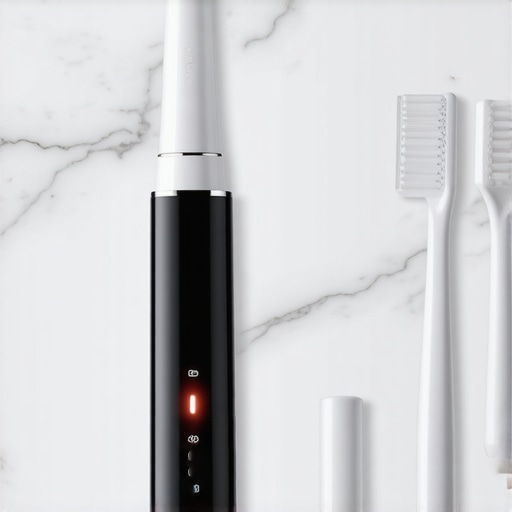 I predict that within the next few years, we’ll see ‘smart’ night guards that actually track your grinding intensity and sync with your phone to alert you to high-stress nights.
How do I maintain my dental work over a lifetime?
Longevity isn’t about one ‘deep clean’ a year; it’s about the cumulative effect of small, boring habits. You have to realize that what a professional prophy cleaning removes that your toothbrush can’t touch is the hardened tartar that acts like a crowbar against your crown’s seal. I schedule my cleanings every six months like clockwork, but I treat the weeks in between as a maintenance phase. This involves checking the ‘margins’ of my crowns in a high-magnification mirror once a week. If I see any new darkness or feel a ‘snag’ with my tongue, I don’t wait for my next appointment. Staying proactive is the only way to ensure expert advice on crowns and teeth cleaning for lasting results actually works in your favor. If you want to level up your routine today, I challenge you to try the ‘Two-Finger Grip’—hold your toothbrush with only your thumb and index finger. It’s physically impossible to apply too much pressure this way, forcing you to let the bristles do the work instead of your arm muscles.
Three Truths My Dentist Finally Admitted About Hormone-Driven Sensitivity
Over the years, I’ve realized that menstruation gingivitis isn’t a life sentence; it’s a signal. First, I learned that plaque is the true villain. Hormones just give the bacteria a louder megaphone. If you can learn how to stop a minor gum infection before it requires antibiotics during your ‘normal’ weeks, your ‘hormonal’ weeks will be 80% easier. Second, stress during your cycle often leads to clenching, which stresses the ligaments around your teeth and makes everything feel more inflamed. Finally, I realized that my gums weren’t just ‘sensitive’—they were actually thinner and more prone to recession during this window, making it the worst time to try a new, aggressive whitening paste.
The Survival Kit for Your Most Sensitive Weeks
If you’re serious about protecting your investment, you need more than just a standard brush. I swear by these four things: 1. A pressure-sensitive electric brush—it takes the guesswork out of being gentle. 2. A dedicated high-magnification mirror to check the margins of your dental work for debris. 3. The benefit of using an alcohol-free mouthwash for dry mouth; it keeps your tissues hydrated without the stinging burn. 4. Interdental brushes that can navigate the space under a bridge or around a crown without snagging. #IMAGE_PLACE_HOLDER_E# These tools are the backbone of the oral health tips every family should follow in 2025 to ensure longevity for their smiles.
You Don’t Have to Just Suffer Through It
Dealing with bleeding gums every month can feel like a losing battle, but it doesn’t have to be. By understanding that your body is simply more reactive for a few days, you can adjust your care to match your biology. Whether you are managing natural teeth or seeing how a dental crown can restore your bite alignment, the goal is consistent, gentle maintenance. Your oral health routine should be a source of confidence, not a source of monthly dread. Take the ‘Two-Finger Grip’ challenge this week and see how much your gums thank you. Have you ever noticed your gums getting more sensitive right before your period starts? Let me know in the comments below!