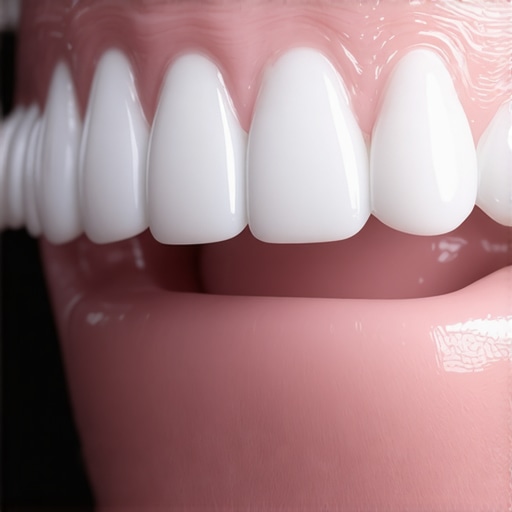
It all started during a routine dental cleaning. As the hygienist gently scraped away plaque, I suddenly felt a sharp twinge in one of my molars — a pain I hadn’t noticed before. It was a wake-up call. That subtle discomfort led me down a rabbit hole of research, revealing a startling truth: old silver fillings might be silently causing micro-cracks in teeth that could worsen over time. I realize now how many of us ignore the warning signs because we believe our fillings are harmless relics of the past. But what if I told you that those shiny, historic restorations could be the very reason behind ongoing tooth sensitivity or even cracks waiting to happen? Today, I want to share what I’ve learned — how to spot the signs and protect your smile before minor issues turn into costly repairs.
Why Your Old Silver Fillings Might Be a Hidden Threat
Could Your Restorations Be Causing More Damage Than You Know?
While silver amalgam fillings have been a trusted go-to for decades, recent studies suggest they might contribute to micro-cracks in adjacent tooth structures. The underlying problem lies in how these fillings expand and contract with temperature changes, which can stress the surrounding enamel over time. I made the mistake early on of believing that a filling was a filling — no big deal. But neglecting the potential stress they impose on your teeth is a common mistake many make. If you experience increased sensitivity, or notice tiny fractures or chipping, these could be signs that your old fillings are more than just a filling — they might be a crack waiting to happen. According to a study published in the Journal of the American Dental Association, micro-cracks can develop from dental restorations, especially those that contain metals like silver amalgam. Recognizing these early signs can save you from more invasive procedures down the line.
Have you ever wondered whether your fillings might be silently compromising your oral health? If so, you’re not alone. Many patients overlook the potential long-term effects of aging restorations. But the good news is that with proper care, and timely replacement, you can safeguard your smile’s integrity. Next, we’ll explore practical steps to identify problem fillings and when it’s time to seek expert advice. For more tips on maintaining overall oral health, consider visiting our comprehensive guide on [effective home dental practices](https://periodontistcare.com/teeth-cleaning-secrets-effective-home-practices-for-family-dental-health). Stay tuned—your next step toward a healthier, crack-free smile is just ahead.
Assess Your Current Restorations
Start by examining your teeth for signs of deterioration such as increased sensitivity, tiny cracks, chipping, or discoloration around existing silver fillings. Use a mirror and good lighting, and gently tap with your fingernail to detect looseness or rough edges. During a routine check, I noticed my old filling was developing a small crack; this prompted me to schedule a consultation.
Schedule an Expert Dental Evaluation
Visit your dentist for a comprehensive examination. Request digital X-rays to identify any micro-cracks or decay hidden beneath the filling. Think of this step as the mechanic hooking up your car for diagnostics—critical to determine if a replacement is necessary before major damage occurs. My dentist confirmed my suspicion and explained how old amalgam fillings can stress the enamel over time.
Plan the Replacement Procedure
Discuss the options with your dentist, including replacing silver fillings with composite resin or ceramic crowns. If you’re considering crowns, learn about how they restore strength and aesthetic appeal—imagine a custom suit that fits perfectly to shield and reinforce your tooth, much like I did when I opted for a crown to address a cracked molar. Your dentist will prepare the tooth, remove the old filling, and evaluate the remaining tooth structure.
Preparation: Removing Old Fillings
Under local anesthesia, your dentist will carefully remove the silver amalgam. This step is crucial; leaving fragments can cause future micro-cracks or decay. To avoid unnecessary stress, they use precise, high-speed tools designed to minimize heat and vibration. I watched my dentist work meticulously, and the process took about 20 minutes, leaving me with a clean, healthy tooth ready for new restoration.
Choosing the Right Replacement Material
Opt for composite resin if you prefer a natural look or ceramic for maximum durability. Think of it as upgrading from an old, worn-out coat to a new, more protective one—adding years of wear resistance and improved appearance. My dentist recommended ceramic crowns for my molar, given their strength and resemblance to natural teeth, especially for back teeth that endure heavy chewing.
Restorative Placement and Final Checks
After preparing the tooth, the dentist will fill or crown it, ensuring proper bite alignment—like tuning a musical instrument for harmony. They will check your bite, polish the restoration, and provide instructions for maintenance. During my appointment, I experienced a slight discomfort initially but felt relief once the new crown clicked into place perfectly.
Post-Procedure Care
Maintain optimal health by avoiding hard foods for a few hours, practicing precise oral hygiene, and scheduling regular checkups. Use gentle brushing techniques to avoid damaging the new restoration—tie this into your daily routine, much like I incorporate careful brushing into my mornings, which helps preserve the integrity of my new crowns. Regular visits prevent unnoticed micro-cracks from evolving into costly repairs, aligning with advice from our home dental care guides.
By proactively replacing aging silver fillings, you can shield your teeth from micro-cracks and long-term damage. Think of it as upgrading your home’s wiring—preventive maintenance that keeps everything running smoothly for years to come.
Many people assume that visiting the dentist regularly guarantees a flawless smile, but there are nuances and misconceptions that can undermine your oral health. For example, a common myth is that professional teeth cleaning alone is sufficient for long-term dental health; however, research shows that home oral hygiene practices play a crucial role in maintaining those results and preventing issues like micro-cracks and decay. Additionally, some believe that getting crowns is a quick fix; but, the success of crowns depends heavily on choosing the right material, proper placement, and ongoing care, as detailed in our comprehensive guide on caring for crowns. An advanced mistake many make is neglecting the subtle signs of crown failure or enamel stress, which can lead to costly repairs down the line; being vigilant about symptoms like sensitivity or slight chipping can save your smile. Furthermore, there’s a misconception that all dental crowns are equally durable—that zirconia crowns, for instance, offer superior resistance and longevity for back molars, a fact supported by recent studies. Understanding these nuances enables you to make informed decisions and avoid common pitfalls. Have you ever fallen into this trap? Let me know in the comments. Mastering these details can transform your approach from routine to truly preventive—so your oral health becomes a lifelong asset, not just a temporary fix.
How do I keep my dental restorations and oral health in prime shape over the years? One of my top priorities is using the right tools and techniques that deliver consistent, long-lasting results. First, I swear by high-frequency ultrasonic scalers from brands like Piezo and Cavitron; they efficiently remove plaque and tartar without damaging your enamel. These devices are gentler than manual scraping, making routine cleanings faster and more comfortable for patients. To monitor the integrity of crowns or fillings, I recommend investing in a dental explorer with a fine tip, which helps detect micro-cracks or chips early, reducing the chance of costly repairs later. For daily maintenance, I rely on an electric toothbrush with a 40,000+ strokes per minute motor like the Oral-B Genius series; they provide superior plaque removal, especially around crowns and bridging areas. Additionally, I incorporate interproximal cleaning tools such as high-quality water flossers paired with targeted tips—like the Hydro Floss Pro—for improved access and reduced gum inflammation. Consistent use of whitening LED lights can also brighten your smile between visits, but I caution against overdoing it to prevent enamel sensitivity. In terms of software, I utilize digital patient management systems like Dentrix Ascend, which allow me to track restorative lasts and plan maintenance schedules effectively—this proactive approach is crucial for family dentistry. Looking ahead, advancements in AI-driven diagnostic tools are set to enhance early detection of micro-cracks and recurring decay, fundamentally transforming preventative care.
To keep my dentistry performing at its best, I suggest adopting a comprehensive maintenance routine: schedule bi-annual professional cleanings with ultrasonic scalers, perform daily oral hygiene with a powered brush, and stay vigilant for early signs of wear or damage. Remember, what I do daily is informed by extensive clinical data and expert protocols, like those outlined in the American Dental Association’s guidelines on restorative maintenance. You can elevate your own routine by trying a high-tech water flosser setup—this simple, yet effective change can significantly reduce plaque buildup around crowns, improving longevity and preventing gum disease.
For more detailed advice on longevity strategies, check out our guide on caring for crowns for lasting shine. Remember, consistent maintenance isn’t just about avoiding repair—it’s about ensuring your smile remains healthy and confident for years to come. Want to explore more? Contact us through our contact page for personalized recommendations tailored to your unique oral health journey.
Uncovering Hidden Truths That Changed My Approach to Dental Care
One of the most eye-opening moments was realizing how silent wear and tear can be with traditional silver fillings. The little micro-cracks I ignored could have led to major issues down the line, teaching me the importance of regular evaluations and listening to my body’s subtle signals. Embracing advanced diagnostic tools like digital X-rays was a game-changer—helping me catch problems early and avoid costly repairs. I discovered that using high-quality restorative materials, like ceramic crowns, not only improves durability but also preserves the natural integrity of my teeth. This journey underscored that proactive care and staying informed can turn a routine dental visit into a transformational step toward lifelong oral health.
My Essential Tools for Long-Lasting Family Smiles
Investing in a high-frequency ultrasonic scaler from brands like Piezo or Cavitron has revolutionized my professional cleanings, offering gentle yet thorough plaque removal. I trust a well-designed dental explorer to detect micro-cracks early—crucial for preventing bigger problems. My daily routine includes an electric toothbrush, such as the Oral-B Genius series, which ensures comprehensive cleaning around crowns and fillings. Additionally, a quality water flosser with targeted tips like those from Hydro Floss Pro enhances gum health and prolongs the lifespan of restorations. For ongoing learning and staying updated on best practices, I turn to authoritative resources like our guide on home dental practices and expert advice on crowns and cleaning.
Your Smile’s Future Is in Your Hands
Remember, each small step you take today—be it regular checkups, diligent home care, or choosing the right restorations—sets the stage for a confident, healthy smile tomorrow. Don’t wait for discomfort or visible cracks to act; preventative measures and staying informed empower you to maintain your family’s oral health for years to come. Ready to enhance your dental routine? Contact us via our contact page and let’s develop a personalized plan that keeps your smile shining brightly. Your future self will thank you for it!