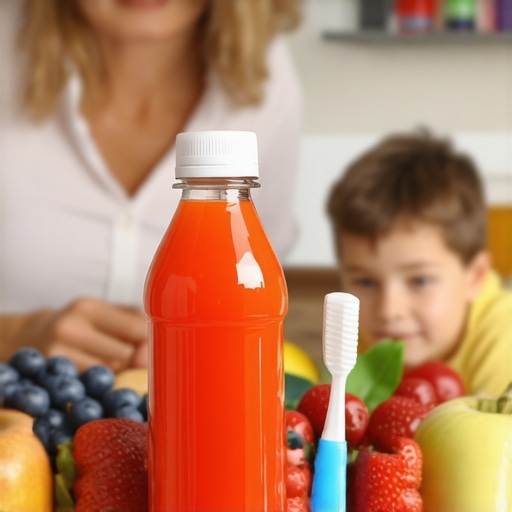
It hit me one morning during a routine teeth cleaning appointment—my child’s smile was covered in tiny specks of plaque that seemed stubborn no matter how diligently I brushed. That moment made me realize something important: I had been overlooking the sneaky sugars lurking in many drinks our family loves, especially sports beverages. These hidden sugars can silently undermine our efforts to keep our loved ones’ teeth healthy, leading to cavities and long-term damage.
Why Hidden Sugars in Sports Drinks Matter More Than You Think
Are you aware that many popular sports drinks contain as much sugar as a slice of cake? Surprising, isn’t it? These beverages often come with the promise of hydration and energy, but what they hide behind their vibrant colors and appealing flavors can be detrimental to your family’s dental health. When consumed frequently, especially by children, these sugars feed harmful bacteria in the mouth, producing acids that erode enamel and promote cavities.
I used to think offering sports drinks to my kids after soccer practice was harmless—until I learned about their hidden sugar content. Early on, I made the mistake of assuming that all drinks labeled as “healthy” or “sports” are safe for teeth. This misconception put my family at risk, and I didn’t even realize it until our dentist pointed out early signs of decay. That was a wake-up call.
Let’s be honest—it’s tough to avoid all the sugary temptations, especially when marketing makes these drinks seem essential for athletes and active children. But understanding what’s really inside these beverages can help us make smarter choices and protect our family’s smiles.
Is it Really Worth Stressing Over Hidden Sugars?
I know what you might be thinking—”Isn’t all this fuss just overreacting?” Trust me, I was skeptical at first too. The truth is, some of the early mistakes I made included just swapping out sugary sodas for flavored sports drinks without considering the consequences. It took a closer look at labels and reading up on the impact of sugar on oral health to change my approach. For instance, studies show that frequent exposure to sugars significantly increases the risk of cavities—an issue that’s entirely preventable with some simple knowledge and plant-based substitutions. Want to learn how to spot those sneaky sugars? Keep reading for practical steps to keep your loved ones’ teeth safe.
Now that I understand the risks, I’m committed to sharing what I’ve learned. Our next step is to identify the common culprits hiding in plain sight and how to keep your family’s teeth protected. Ready to turn the tide against hidden sugars? Let’s dive into practical strategies that work—because everyone deserves a healthy, confident smile.
Read Labels Like a Pro for Better Family Dental Care
Start by inspecting beverage labels thoroughly. Look beyond marketing claims—check the sugar content per serving. Aim for drinks with less than 5 grams of sugar. When I first began scrutinizing labels, I was shocked to find many sports drinks disguised with labels like “electrolyte-enhanced water” but containing high sugar levels. To manage this, I kept a small notebook noting brands and their sugar content, which made choosing healthier options easier. This simple habit empowered me to avoid hidden sugars and made a noticeable difference in our oral health.
Switch to Sugar-Free and Natural Alternatives
Replace high-sugar drinks with water, infused water, or unsweetened herbal teas. I started adding slices of cucumber, lemon, or berries to water to make it more appealing. My kid loved the flavored water, and I could see a reduction in sugar intake. Think of it like swapping out gas for electric—same purpose, cleaner and more efficient. Over time, this change helped reduce cavities and improved overall health.
Establish a Family Beverage Routine
Create a routine that encourages water consumption—make it accessible and fun. Use colorful bottles or special cups to entice kids. During our routine grocery runs, I involved my children in selecting their favorite reusable water bottles, which increased their enthusiasm for drinking water. By integrating these into daily habits, they naturally gravitated toward healthier choices, resulting in fewer sugary drinks in our home.
Educate Your Family About Sugar’s Impact
Use simple explanations—think of sugar as food for the bad bacteria in our mouths, causing them to produce acids that wear down enamel. I remember explaining this to my kids like a battle between good and bad guys in your mouth, with sugar fueling the bad guys. This visualization made them more mindful about what they drink and reinforced the importance of oral hygiene.
Practice Effective Oral Hygiene after Drinks
Encourage brushing or rinsing with water after consuming sugary beverages. I implemented a rule: if they drank sugary drinks at school or a sports event, they’d rinse their mouth with water before going to bed. In cases where brushing wasn’t possible immediately, rinsing helped neutralize acids and slow down enamel erosion. Think of it as knocking out the bad guys before they cause damage.
Schedule Regular Dental Check-Ups
Routine visits to the dentist are essential. During appointments, ask your dentist about how to further reduce sugar exposure and protect existing restorations like crowns. For example, I scheduled regular deep cleanings and discussed crown maintenance, referencing resources like [maintaining your dental crowns](https://periodontistcare.com/maintaining-your-dental-crowns-dos-and-donts-for-best-results). These visits allowed for early detection of any issues caused by dietary choices, giving my family a better chance at maintaining healthy teeth long-term.
Educate on Alternative Hydration Strategies
Promote foods that support oral health, such as crunchy vegetables and cheese, which help clean teeth naturally. I started incorporating carrot sticks, apples, and cheese into snacks, which not only satiated hunger but also benefited dental health. These foods act like natural toothbrushes, dislodging plaque and neutralizing acids, helping to keep the mouth clean between brushings.
Address Common Myths: Clarify the Truth About Sugars and Dental Health
Remember, not all sugars are equal—think of natural sugars in fruit as less harmful than processed sugars. But even natural sugars should be consumed in moderation and followed by proper oral hygiene. Clarifying these misconceptions helps your family make smarter decisions and reduces unnecessary fears about healthier foods.
 Many believe that visiting the dentist for a cleaning is purely about removing plaque, but in my experience, there’s much more beneath the surface. A common misconception is that once you’ve had a cavity filled or a crown placed, your dental care is complete. However, neglecting the long-term maintenance of restorations and understanding their intricacies can lead to avoidable complications. For instance, many assume crowns are permanent solutions that require no further attention, but they are susceptible to issues like micro-leakage if not properly cared for, which can result in secondary decay. Regular check-ups and proper at-home care are essential to prolong their lifespan, as detailed in https://periodontistcare.com/maintaining-your-dental-crowns-dos-and-donts-for-best-results.
What most people overlook is the importance of understanding the specific role and limitations of different restorative materials. For example, zirconia crowns are often praised for their durability, yet many don’t realize that improper cementation or neglecting the importance of occlusion can cause premature failure. Furthermore, advancing technologies like laser gum treatment have expanded our options, but patients sometimes underestimate the importance of targeted treatment plans tailored to individual needs.
Regarding teeth cleaning, there’s a myth that more frequent cleanings mean better oral health, but over-cleaning can sometimes damage gums, especially with aggressive brushing techniques. This is why understanding the correct method and frequency, as discussed in https://periodontistcare.com/oral-health-routine-strengthening-your-smile-every-day, is crucial.
From an expert’s perspective, one of the most overlooked nuances is the impact of systemic health on oral conditions. Conditions like diabetes, for example, significantly influence periodontal health, yet many patients are unaware of this connection. Proper management of systemic issues is as vital as local treatment. A 2021 study in the Journal of Periodontology highlights how controlled blood sugar levels improve periodontal outcomes, emphasizing the need for integrated care.
So, the next time you’re tempted to think that family dental visits are only about surface-level cleaning or quick fixes, consider the complex interplay of material science, systemic health, and advanced procedures involved in maintaining a healthy smile. Have you ever fallen into this trap? Let me know in the comments.Keeping your family’s dental health on track requires the right tools and routines. Personally, I rely on a high-quality ultrasonic scaler for professional cleanings; it effectively removes stubborn tartar without damaging enamel, ensuring long-term results. At home, I recommend an electric toothbrush with a pressure sensor. I use mine daily to prevent overbrushing, which can damage gums and wear down enamel. The **Oral-B Genius** line, with its Bluetooth connectivity and real-time feedback, helps my family brush correctly and consistently. To complement these, I suggest a water flosser like the **Waterpik**—that’s what I use after meals to eliminate plaque and prevent decay, especially around crowns or bridges. Regularly updating your toothbrush and accessories—like brush heads—ensures optimal cleaning effectiveness. Looking ahead, advancements in AI-powered dental appliances could further personalize and improve home care routines, making maintenance more efficient and tailored to individual needs.
How do I maintain my dental tools over time?
Proper sterilization of instruments like ultrasonic scalers, and replacing brush heads every three months, are critical for safety and effectiveness. I personally sterilize my tools using UV sanitizers designed for dental equipment, which I purchased after researching professional-grade sterilization methods. This not only prolongs their lifespan but also ensures that my family is protected from cross-contamination. Additionally, following manufacturer guidelines for each tool helps maintain their performance.
Investing in quality equipment pays off in the long run by reducing visits for restorations or treatments caused by poor maintenance. Remember, a well-maintained toolset makes routine dental care more effective and less stressful. For example, I regularly inspect my crown cleaning tools to prevent bacterial buildup that could compromise restorations.
In the future, I predict that smart dental devices integrated with apps—offering real-time feedback—will become more mainstream. These innovations can help identify issues early, guiding timely professional interventions. To implement these advancements, start by integrating a reliable water flosser into your daily routine, as it’s easy to use and significantly benefits oral health. Want to enhance your family’s dental maintenance? Try incorporating an electric toothbrush with a pressure sensor and see the difference in your routine.
Finally, never underestimate the value of routine professional cleanings and checkups. They complement your tool-based maintenance and help catch potential issues early, saving costs and preserving your smile’s health. Remember, consistency is key in long-term oral health—make maintenance a family habit today and enjoy the smiles of tomorrow.Throughout my journey into family dentistry, I uncovered profound lessons about preventive care and the misconceptions that often cloud our understanding of oral health. One of the most eye-opening realizations was how seemingly minor habits—like neglecting to rinse after a sugary drink—can set the stage for long-term damage. It’s not just about quick fixes but developing habits rooted in knowledge; for instance, replacing sugary beverages with infused water isn’t just a trend—it’s a simple yet powerful way to safeguard your family’s smiles. Moreover, I learned that investing in quality tools, like electric toothbrushes with pressure sensors, can make a tangible difference in daily routines, turning routine brushing into an effective shield against cavities. These insights reaffirm that true oral health success stems from informed choices and consistent practices, which I encourage every family to embrace.