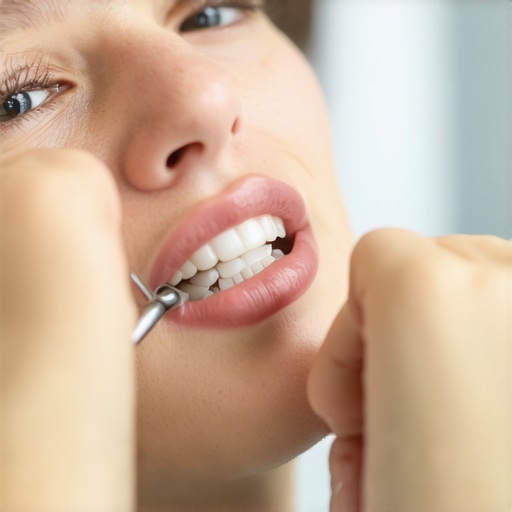
I vividly remember the moment I first sniffed that unusual, almost metallic smell while sipping my morning coffee. My heart sank—I suddenly worried that my dental crown might be leaking. It was a lightbulb moment for me, realizing how many tiny signs I’d ignored that could indicate a hidden problem in my mouth. As someone who values oral health, I knew I couldn’t just brush it off. Over time, I learned that not all issues with crowns are obvious; some leaks are sneaky, waiting to cause bigger problems if left undetected.
Why Your Small Crown Leak Could Be a Bigger Deal Than You Think
Dental crowns are like protectors for your teeth—covering and strengthening areas that are damaged or weak. But even the sturdiest crowns can develop tiny leaks over time. These leaks might not seem urgent at first, but they can lead to decay, sensitivity, or even infection if overlooked. Recognizing the signs early on can save you from costly repairs and discomfort down the line. Interestingly, a study published by the American Dental Association found that early detection of crown leakage significantly reduces the risk of further dental issues.
Is Checking for Leaks Really Necessary or Just Hypochondria?
I used to dismiss minor symptoms—like a slight sensitivity or a strange taste—as temporary quirks. My mistake early on was dismissing these signals instead of taking them seriously. If you’re wondering whether your crown might be leaking, you’re not alone. Many people shy away from dentist visits out of fear or skepticism. But trust me, catching a small leak early is crucial — it’s much easier to address small issues before they turn into big problems. For a more comprehensive guide on maintaining your crowns and oral health, check out expert advice on crowns and teeth cleaning.
In the next sections, I’ll walk you through practical steps to identify if your crown is leaking and how to address it confidently. Have you ever faced this problem? If so, don’t worry—help is on the way!
.
Inspect Your Crown Regularly for Signs of Leakage
Start by examining your dental crown during your routine brushing or at a convenient time. Look for any visible gaps, rough edges, or weakened areas. A helpful analogy is checking a window seal—if you see light or debris sneaking through, it’s time to act. I remember one morning when I noticed slight discoloration near my crown; after a quick check, I realized a tiny crack had formed. Catching it early prevented further damage.
Use a Mirror and Feel for Odd Sensations
Use a mirror to inspect your crown closely. Feel for any rough or sharp edges with your tongue or clean finger—these can indicate wear or leak points. Sensitivity to temperature changes or a metallic taste can also hint at leaks. Once, after noticing increased sensitivity when drinking cold beverages, I gently pressed around my crown and felt a small gap. Recognizing this early allowed me to schedule a dental appointment before decay set in.
Monitor for Common Symptoms
Pay attention to signs like persistent bad taste, food getting stuck, or ongoing sensitivity. These symptoms are red flags that your crown might have a leak. In my case, a lingering metallic taste was a clue that something was amiss with my crown’s seal. Don’t dismiss these indicators—acting on them helps avoid more complicated issues later.
Perform the Gentle Test at Home
Take a small piece of soft wax or even a clean piece of unflavored dental floss and gently press it around the edges of your crown. If you notice it dislodges easily or feels loose, this suggests a leak. This quick test is similar to checking the seal on a bottle cap—if it’s not tight, liquids can seep in unnoticed. Remember, this is a preliminary check, and a professional assessment is essential for confirmation.
Seek Professional Evaluation Confidently
Schedule an appointment with your dentist promptly if you suspect a leak. A dental professional will use tools like dental explorers, X-rays, or dye tests to accurately identify leaks. I once thought I could ignore a small gap, but my dentist’s thorough exam revealed a minor leak that was draining my crown’s seal. Addressing it early saved me from more costly repairs and discomfort.
Discuss Preventive Measures and Care Tips
After examination, ask your dentist about best practices to prolong crown life and prevent leaks. Regular checkups and proper oral hygiene are your best defenses. For instance, using a soft-bristled toothbrush and avoiding hard foods can minimize damage. For more guidance on extending crown durability, visit this resource.
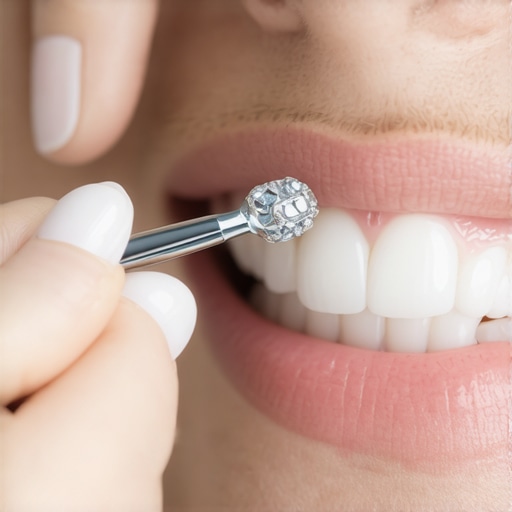 Many people believe that brushing harder cleans better, but in reality, aggressive brushing can damage gums and enamel, leading to sensitivity and recession. Another misconception is that dental floss isn’t necessary if you brush regularly—that’s false; flossing reaches tight spaces and removes plaque where brushes can’t. When it comes to crowns, some think they require no special care; however, neglecting proper hygiene can cause decay at the crown margins, risking earwigging into your investment. Family dentistry isn’t just about routine checkups; it’s about understanding how early interventions in children can prevent lifelong issues.
Why is ignoring minor oral discomfort more harmful than you think?
Often, small issues like slight sensitivity or a dull ache are dismissed. But these signs could mean early decay or crown leaks, which, if left unaddressed, become costly and painful problems. Research published in the Journal of Clinical Dentistry emphasizes that early detection of dental issues dramatically improves treatment outcomes, saving you money and discomfort in the long run.
Another nuance many overlook is the impact of saliva on oral health—it’s more than just moisture. Saliva contains enzymes that neutralize acids and remineralize teeth, acting as your natural defense system. Disruptions to salivary flow, whether from medications or health conditions, can accelerate decay and complicate treatments.
Are there advanced mistakes most people make with their dental routines?
Absolutely. For example, using a toothbrush with hard bristles can cause gum recession and enamel wear, undermining your dental health. Switching to a soft-bristled brush and incorporating interdental cleaning methods—like water flossers—can provide superior plaque removal with less damage. Neglecting regular professional cleanings underestimates their role; they do more than freshen breath—they eliminate tartar buildup that harbors bacteria, which brushing can’t remove effectively. This is especially critical for individuals with crowns or restorations, as plaque accumulation around these areas can lead to secondary decay. For insights on maintaining your crowns and ensuring longevity, visit this guide.
Remember, understanding the nuances of oral health isn’t just for dental professionals—empowering yourself with knowledge helps prevent common pitfalls and ensures your smile stays healthy and vibrant. Have you ever fallen into this trap? Let me know in the comments.
Maintaining optimal oral health, especially when you have crowns or are part of a family dental routine, requires more than just daily brushing. Investing in the right tools and adopting proven methods can make a significant difference over time. One of my personal favorites is the use of a **water flosser**—specifically, the Waterpik Ultra. I chose this device because it effectively reaches tight spaces between teeth and around crowns, where traditional floss might struggle. Regular use has helped me prevent plaque buildup and gum inflammation, which are common concerns in long-term dental maintenance.
Why I Recommend Choosing a Sonic Toothbrush
Of all the electric toothbrushes I’ve tried, the Sonicare DiamondClean stands out. Its high-frequency vibrations provide superior plaque removal compared to manual brushes, especially around crowns and restorations. I personally use this tool every morning and evening, feeling confident that I’m targeting plaque where toothbrushes with standard bristle motion might miss. Moreover, it encourages gentle but thorough brushing, protecting sensitive gum tissues—a crucial aspect for those with crowns or gum recession.
Leverage Dental Software to Track Your Oral Hygiene Progress
In an era of digital convenience, I find that using a dedicated app like Dental Monitoring helps me stay accountable. These apps can remind you about appointments, track your brushing habits, and even guide you through proper technique. This data-driven approach ensures consistent, effective care, which is vital for maintaining crowns and overall longevity of your oral health. For advice on integrating consistent routines, check out this family-friendly guide.
How do I maintain oral health tools over time?
Regular cleaning and replacing your tools are fundamental. For instance, I replace my toothbrush heads every three months and ensure my water flosser reservoirs are cleaned weekly, following the manufacturer’s instructions. Avoiding cross-contamination and equipment wear prolongs their effectiveness and prevents bacterial buildup. Additionally, calibrating electronic devices periodically ensures optimal performance. According to the American Dental Association, maintaining your tools is as vital as your daily routine itself, helping you get the most out of your investment while protecting restorations like crowns.
The Future of Dental Maintenance: Smarter, Safer, Simpler
Looking ahead, trends suggest a rise in AI-integrated toothbrushes that monitor brushing habits in real-time, providing instant feedback. These innovations promise to personalize oral care further, making it more effective and accessible. I believe that adopting these technologies early on—like trying out a smart toothbrush with built-in timers and pressure sensors—could help prevent common issues like crown leakage or gum recession. Ready to upgrade? Start by trying a high-tech toothbrush today!
Because long-term success depends not just on tools but on your commitment, I highly recommend trying a **water flosser** combined with a sonic toothbrush to elevate your daily routine. For comprehensive guidance on caring for your crowns over time, visit this trusted resource.
Remember, consistent use and proper maintenance of your tools are the backbone of lasting oral health. Don’t wait for problems to arise—be proactive and give your tools the attention they deserve. Your smile will thank you for it!
Over the years, I’ve learned that the journey to maintaining healthy teeth and crowns is filled with unexpected insights. One crucial lesson was realizing that even minor signs, like a fleeting metallic taste or slight sensitivity, shouldn’t be ignored—they often preview bigger issues lurking beneath the surface. The importance lies in observing your body’s signals meticulously, as early detection of crown leaks or decay can save you from complex, costly procedures later. Additionally, understanding that the tools and techniques you choose—like soft-bristled toothbrushes or water flossers—make a profound difference in the longevity of your dental work keeps me motivated to stay diligent in my routine.