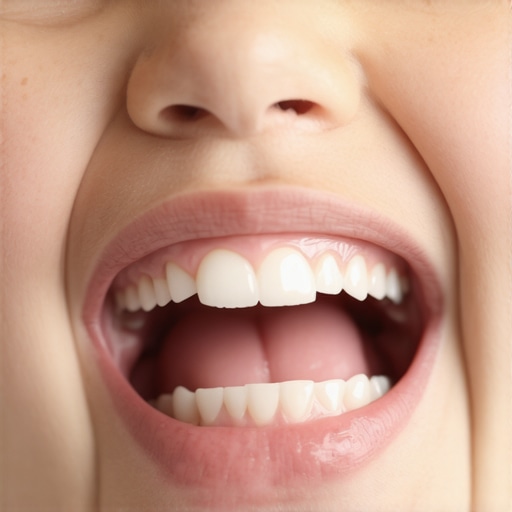
It was one of those nights when my child refused to open her mouth for a quick brushing, squealing at the slightest touch. That moment of panic hit me—how could something so small cause so much fear? As I watched her wriggle and squirm, I realized that despite all my efforts to keep her teeth healthy, there were hidden threats lurking, especially in those tiny grooves on her back molars. Those deep indentations, impossible to clean thoroughly, are prime spots for decay. That’s when I discovered sealants and how they could be a game-changer.
Protecting Tiny Teeth: The Power of Sealants on Molars
Sealants are thin coatings applied to the chewing surfaces of molars, creating a smooth barrier that keeps out bacteria and food particles. In my research, I learned that children’s molars have deep grooves and pits that are difficult to keep clean—making them vulnerable to cavities. Applying a sealant is a quick, painless process that can significantly reduce the risk of decay. Considering how much my family spends at the dentist for cavities, I wish I had leaned into sealants earlier. They’re particularly beneficial for kids because they form a defense that doesn’t come off easily, unlike brushing alone. For more tips on maintaining your family’s oral health, I recommend checking out this helpful guide.
Is Sealants Worth the Hype? My Biggest Skepticism
Initially, I was wary. I worried that sealants might be uncomfortable or unnecessary. I made a mistake early on by thinking they were only for kids with existing cavities. It’s a common misconception—sealants are preventive, not just remedial. My hesitation stemmed from my lack of understanding, which I quickly rectified by consulting with my dentist. I learned that the American Dental Association highlights sealants as an effective measure for cavity prevention in children. If you’re skeptical, you’re not alone—many parents wonder if sealants are worth the effort. But based on my experience, they are an easy, non-invasive way to give your child’s smile an extra layer of protection.
Are you concerned that your child’s molars might be more prone to cavities? If so, placing sealants could be one of the most straightforward steps you take today to safeguard their dental health and avoid costly dental repairs in the future. Let’s explore how you can decide if sealants are the right choice for your child and how to get started.
Preparing for Sealant Application
Start by scheduling a consultation with your child’s dentist to assess the readiness of their molars. Ensure their teeth are clean and free from decay. During the appointment, the dentist will first rinse and dry the teeth thoroughly, removing any plaque or food particles that could interfere with adhesion. Think of this step as preparing a smooth canvas before painting—clean, dry, and ready for the coating.
Applying the Sealant
Next, the dentist will apply an acid etch to the chewing surfaces of the molars to roughen the enamel, improving bonding. Allow this to sit for about 20-30 seconds, then rinse and dry. The sealant material is then brushed onto the grooves of the molars, filling in pits and fissures like sealing tiny caves to prevent bacteria from entering. This process takes just a few minutes per tooth and is painless—a bit like coating a surface to protect it from elements.
Ensure Proper Curing
To harden the sealant, a specialized curing light is used. This step is crucial, as it activates the resin and ensures the coating bonds firmly to the enamel. I remember vividly when I watched my child sit calmly under the curing light for a few seconds, like a mini spotlight, knowing that this small step provides big protection.
Final Checks and Tips
After curing, the dentist will check the sealants for proper coverage and smoothness. They might ask your child to bite down to ensure there’s no uneven surface. As a parent, I learned that maintaining good oral hygiene and regular check-ups reinforces the benefits of sealants. Pair this with effective home practices such as consistent brushing and flossing, which you can learn more about from this routine guide to strengthen your child’s smile.
Follow-Up and Maintenance
Sealants are durable but not permanent. Schedule regular dental visits to monitor their condition. If you notice chips or wear, your dentist can easily reapply or repair them. This proactive approach maintains the protective barrier, much like periodically checking and repairing a coat of paint to prevent rust.
Remember, applying sealants is an investment in long-term dental health, especially for molars with deep grooves where decay starts unnoticed. It’s a straightforward, minimally invasive step that can save your child from future cavities and extensive dental work. For detailed insights into the process and further preventive measures, consider consulting trusted resources like this guide on crowns and confidence.
Many people assume that regular teeth cleaning is just about fresh breath and a bright smile, but in reality, there’s more to it than meets the eye. A prevalent misconception is that brushing and flossing alone are sufficient to maintain optimal oral health. While these habits are fundamental, they often overlook the importance of professional examinations and understanding the nuances of dental materials like crowns or sealants. Overestimating the longevity of crowns without proper maintenance can lead to costly replacements, emphasizing why routine check-ups are crucial here’s what you should know.
Another myth is that cavities only occur in children or at the back of the mouth. In truth, adults are just as susceptible, especially to hidden decay beneath crowns or in hard-to-reach areas. Many assume that crowns are permanent fixes; however, they require proper care and regular inspection to prevent micro-leakage and potential failure learn more about crown maintenance.
Now, let’s talk about a common misconception concerning oral health routines. People often believe that natural remedies or DIY whitening are always safe. In some cases, aggressive whitening treatments can damage enamel, especially if done without professional guidance. It’s a trap to avoid since over-the-counter products may not be suitable for everyone and could cause sensitivity or erosion discover safer options here.
Why do most people overlook the complexity of family dentistry?
Maintaining your dental restorations and overall oral health requires the right tools and consistent routines. Over the years, I’ve tested various equipment and software to optimize my family’s dental care, and I can confidently recommend some essentials that make a real difference. First and foremost, investing in a high-quality electric toothbrush with a pressure sensor is crucial. I personally use the Philips Sonicare ExpertClean, which provides real-time feedback to prevent over-brushing—a common mistake I see many make, leading to gum recession and enamel wear. The built-in timers and customizable modes help ensure thorough cleaning of all tooth surfaces, especially around crowns and sealants where plaque tends to hide.Throughout this journey, I realized that establishing a solid foundation in family dental health isn’t just about quick fixes; it’s a lifelong commitment. My biggest takeaway has been understanding the importance of preventive measures like sealants, which serve as a strategic defense against cavities that often go unnoticed until it’s too late. I’ve learned that patience and consistent routines—both at home and with your dentist—are the real keys to preserving your loved ones’ radiant smiles. Moreover, embracing expert advice and trusted resources ensures that we’re making informed decisions rather than reactive ones. The most rewarding part? Watching my family’s confidence grow as we prioritize our oral health together. This experience has made me realize that each small step, from choosing the right toothbrush to scheduling routine checkups, accumulates into a future where dental emergencies are rare and smiles stay bright. I encourage every parent to see dental care as an ongoing journey, not a one-time task—because the smiles you nurture today will light up their lives for years to come.