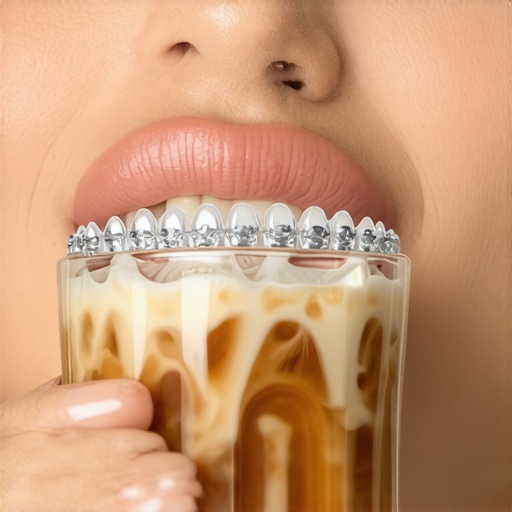
Ever had that uncomfortable shock when taking a sip of your iced coffee and feeling a sudden cold rush against a specific tooth? It’s quite an unsettling experience, especially when you’re just trying to enjoy your morning brew. I remember the first time it happened to me after getting a dental crown—my heart sank, wondering if my crown was coming loose or if something was seriously wrong. Turns out, it’s more common than you might think, and understanding why this happens can make all the difference in how you approach your dental health.
What Causes That Cold Sensation in Dental Crowns?
You might be surprised to learn that this phenomenon isn’t necessarily a sign of trouble. Typically, it’s related to the properties of the crowns themselves and their interaction with your natural teeth and nerves. Dental crowns, especially those made from porcelain or zirconia, are designed to imitate the look and feel of natural enamel. However, even with high-quality materials, there can be differences in how they conduct temperature.
When you consume something cold like iced coffee, the sensation travels through the parts of your tooth that are still connected to the nerves—usually the natural tooth structure or a tooth with a compromised or thin enamel layer. Since crowns are often bonded to teeth that may have experienced decay or nerve sensitivity, the underlying dentin layer underneath might respond differently than natural enamel. This can lead to that quick, chilling feeling, particularly if the crown doesn’t perfectly insulate the nerve because of small gaps or micro-leaks.
It’s also worth mentioning that early in my own journey with crowns, I made the mistake of ignoring minor sensitivity, thinking it was just a temporary glitch. But early action can prevent more severe discomfort or potential complications, such as micro-leaks or decay beneath the crown. Regular check-ups and proper crown maintenance play crucial roles in ensuring your smile stays comfortable. For comprehensive guidance on maintaining your dental crowns, check out [these essential tips for longevity and shine](https://periodontistcare.com/caring-for-crowns-essential-tips-for-longevity-and-shine).
Have you ever felt that blast of cold that seemed to come out of nowhere? If so, you’re not alone—and understanding the science behind it can help ease your worries. In the next part, we’ll explore exactly what you can do to manage and even prevent this sensitivity, so your iced coffee remains a pleasure, not a painful surprise.
Inspect Your Crown for Gaps and Micro-Leaks
Start by examining your crown for visible gaps or looseness. Micro-leaks often occur at the margins where the crown meets your tooth, allowing temperature changes to reach sensitive nerves. Gently tap the crown with your finger—if it feels loose or unsealed, schedule a visit with your dentist. I once noticed a tiny space during a routine check, which prompted my dentist to cement it properly, alleviating my sensitivity.
Maintain Optimal Oral Hygiene in Critical Areas
Proper cleaning around the crown minimizes plaque buildup that can cause micro-inflammation and sensitivity. Use a soft-bristled toothbrush and gentle circular motions, especially near the crown’s edges. Incorporate floss carefully to avoid dislodging the restoration. I learned this lesson the hard way when I ignored some stubborn plaque on my crown, resulting in increased sensitivity—attending to this promptly made a difference.
Manage Immediate Sensitivity with Desensitizing Products
Apply desensitizing toothpaste containing potassium nitrate or stannous fluoride. These products work by blocking exposed dentin tubules that transmit temperature signals to nerves. When I experienced sharp cold sensations, I started using desensitizing paste regularly, which significantly reduced my discomfort over a couple of weeks.
Adjust Your Diet and Drinking Habits
Limit consumption of extremely cold or hot foods and beverages temporarily. Sip iced drinks through a straw to reduce direct contact with the crown. Remember, sudden temperature shifts can trigger nerves—gradually reintroduce cold or hot items once the sensitivity diminishes. I once took this advice to heart during a hot summer, using a straw for my cold drinks, which helped lessen the immediate shock sensation.
Schedule Regular Dental Check-Ups
Routine visits ensure that your crown remains sealed and functional. Dentists can detect early micro-leaks and reseal or replace crowns as needed. I make it a point to see my dentist twice a year, especially after noticing increased sensitivity, because catching issues early prevents more complex problems later.
Consider Reinforcement or Replacement
If persistent sensitivity remains despite these measures, your dentist might recommend reinforcing the crown with a sealing agent or replacing it altogether. Some materials, like zirconia crowns, offer better insulation against temperature changes. I underwent such a replacement last year, and the new crown provided a much more comfortable experience with iced coffee—check out how crowns can transform your dental confidence.
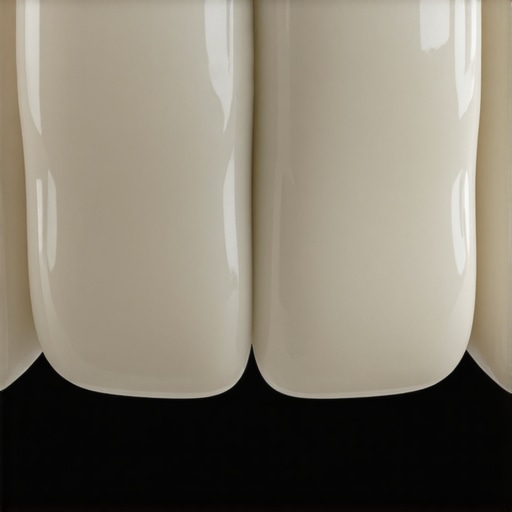 Many people assume that getting a dental crown is a straightforward fix and that maintaining oral health around crowns requires no special attention. However, mistakes like overlooking micro-leaks or believing your crown is completely maintenance-free can lead to significant problems. Contrary to popular belief, crowns aren’t a set-and-forget solution; they demand diligent care to prevent issues like secondary decay or sensitivity. For instance, some think that brushing aggressively around crowns strengthens them, but in reality, harsh brushing can damage the delicate margins and expose micro-gaps where bacteria can infiltrate. Moreover, a common myth is that flossing isn’t necessary with crowns—yet, meticulous interdental cleaning is essential to prevent plaque buildup that leads to gum inflammation and decay.
A critical nuance often missed is the impact of material choice on long-term comfort and durability. Zirconia crowns, while more resistant to chipping, might conduct temperature changes differently than porcelain. This can affect how your teeth respond to hot or cold stimuli over time. An advanced mistake is ignoring the subtle signs of micro-leaks, which can only be detected through a professional assessment. The early detection of these leaks can save you from costly repairs and preserve your natural tooth structure.
Research by the American Dental Association highlights that crowns placed with proper sealing techniques substantially reduce the risk of recurrent decay—yet, many patients neglect follow-up visits that are crucial for detecting these issues early. During these visits, your dentist can verify the integrity of the crown’s seal, clean around the margin, and address any emerging problems before they escalate.
Are you confident you’re doing enough to care for your crowns? The truth is, overlooking the importance of targeted maintenance and material considerations can undermine your investment in dental restoration. Remember, good oral habits extend beyond just brushing and include regular professional check-ups, especially for crowns. For a detailed guide on maintaining your crowns effectively, visit our tips for crowns maintenance. Ensuring you understand these nuances can improve not only the longevity of your restorations but also your overall oral health.
Have you ever fallen into this trap? Let me know in the comments, and stay tuned for more insights to keep your smile healthy and radiant.Maintaining your dental crowns over time requires specific tools and consistent routines to ensure longevity and optimal oral health. I personally rely on a combination of advanced electric toothbrushes and specialized interdental cleaning devices to reach tricky spots around crowns. My go-to electric toothbrush is the Philips Sonicare DiamondClean, as its sonic technology provides superior plaque removal and gentle gum stimulation, which is crucial for protecting crown margins. Its timer and pressure sensors help prevent over-brushing that could damage delicate restoration edges. For interdental cleaning, I prefer WaterPik’s Water Flosser, especially the Ultra model, because it effectively dislodges plaque and food particles from around crowns and bridges, areas that traditional floss can miss. While traditional flossing is essential, water flossers provide a deep clean without risking tension or damage to bonding areas. To complement these tools, I use a soft, plaque-identifying mirror to visually monitor my gum line and crown margins weekly. Regular professional cleanings, ideally every six months, are also vital—more frequent if you’re prone to plaque buildup or have numerous restorations. As dental technology advances, new tools like laser-based cleaning devices are emerging, promising even deeper sterilization and plaque removal without harsh abrasives, aligning with future trends predicted by the American Dental Association. To maximize results, incorporate these tools into your daily routine, paying close attention to the areas around your crowns. The key is consistency; neglecting these can lead to micro-leaks, decay, or gum inflammation, jeopardizing your investment in dental restorations. I encourage you to try integrating a water flosser into your regimen this month—see the difference it makes. For detailed guidance on long-term crown care, visit our recommended practices for crown longevity. With the right tools and habits, your crowns can remain functional and beautiful for years to come. Remember, preventive care today safeguards your smile tomorrow.
Lessons I Wish I Learned Before Getting Crowns
One eye-opening lesson was realizing that even the best crowns need vigilant care beyond just brushing. Micro-leaks can stealthily undermine a restoration, so regular check-ups are essential. I used to believe that once a crown was placed, I could forget about it—turns out, diligent maintenance is the secret to lasting comfort and confidence.
Another insight was understanding material choices—zirconia crowns, though more resistant, require specific cleaning routines. I also discovered that proactive use of desensitizing toothpastes can dramatically reduce cold sensitivity, making icy drinks enjoyable again. Lastly, I learned that early detection of sensitivity or looseness can prevent costly repairs and preserve your natural teeth.
Tools and Resources That Elevated My Crown Care Game
- Water Flosser by WaterPik: Its power to clean around crowns without damaging them made a huge difference in my oral hygiene routine. I trust it because it reaches tricky spots traditional floss can’t.
- Desensitizing Toothpaste: Potassium nitrate formula helped me tackle cold sensitivity head-on. It’s a simple step with powerful results for comfort and protection.
- Regular Dental Consultations: Scheduling bi-annual check-ups ensures that micro-leaks or early issues are caught before they escalate. My dentist’s expertise keeps my crowns and gums healthy.
- Educational Resources from PeriodontistCare: Articles like how crowns can transform your dental confidence provide insights that empower me to care for my smile proactively. Their expert advice on maintenance and material choices has been invaluable.
Embrace Your Power to Protect and Perfect Your Smile
Understanding the nuances of crown care, from choosing the right materials to maintaining impeccable oral hygiene, gives you the power to enjoy a confident, comfortable smile for years to come. Remember, every step you take today in caring for your crowns is an investment in your self-esteem and overall health. Don’t wait for discomfort to remind you—be proactive and enjoy the perks of a lasting, radiant smile.
Have you ever hesitated to schedule a check-up because of uncertainty about your crown’s condition? Share your experiences below and let’s empower each other to keep our smiles shining bright.