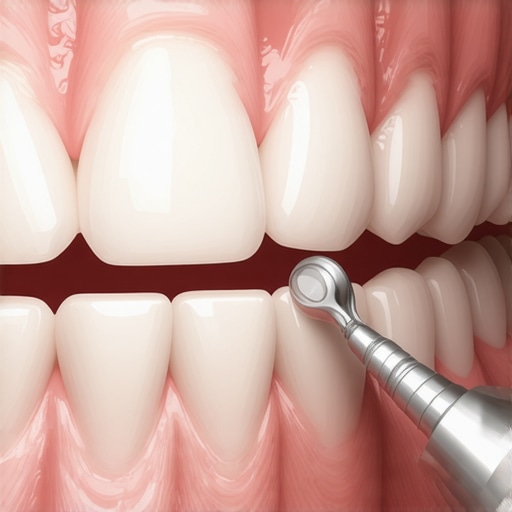
I’ll never forget that feeling—sitting in the dental chair, my gums numb, when suddenly, I felt a strange wobble in my teeth. It was unsettling, almost like my teeth were about to fall out! That lightbulb moment made me realize: something’s off, and I need to understand what’s happening during these deep cleanings.
Decoding the Looseness: Why Your Teeth Might Feel Unstable
Many folks, including myself early on, get caught off guard by this sensation. It turns out, during professional deep gum cleanings, certain gum conditions or underlying issues can temporarily make your teeth feel loose. This isn’t always a sign of disaster; sometimes, it’s part of the healing process or a reaction to the cleaning procedure itself.
Is It Actually Dangerous or Just a Temporary Sensation?
Initially, I made the mistake of panicking and assuming the worst. But after talking to my dentist and doing some research, I learned that mild looseness post-cleaning can occur due to gum inflammation or the removal of plaque and tartar near the gum line. These procedures can cause your gums to recede slightly, making teeth feel less secure temporarily. The key is understanding that this sensation often resolves quickly, especially when coupled with proper oral care.
However, if the looseness persists or worsens, it could indicate more significant periodontal issues that need professional attention. Regular check-ups and precise cleaning techniques play crucial roles here. To protect your teeth and gums, I recommend consulting with a trusted family dentist who can assess your unique situation.
What We’ll Cover Next
Now that we’ve unraveled the mystery behind that unsettling feeling, let’s dive into practical steps to maintain your oral health, especially if you’re experiencing gum sensitivity or looseness. From at-home care tips to knowing when to see your dentist, I’ve got you covered—because a healthy smile is worth every effort!
Brush Gently and Consistently
After experiencing looseness, it’s vital to adapt your brushing technique to avoid further irritation. I remember switching to a soft-bristled manual toothbrush, much like using gentle strokes to clean delicate glassware—firm but careful. Use gentle, circular motions, avoiding aggressive scrubbing that can worsen gum recession or damage supportive tissues. Regular brushing twice daily with proper technique helps reduce inflammation, promoting healing and gum reattachment.
Address Sensitive Areas with Proper Tools
I found that using an electric toothbrush with a pressure sensor prevented me from applying too much force, which can exacerbate looseness. For tricky spots around crowns or when gums feel tender, floss or interdental brushes should be used with finesse—patience over force. Proper interdental cleaning clears plaque buildup without irritating sensitive gums, safeguarding existing work like crowns and implants.
Implement Targeted Flossing and Oral Care Routines
Consistency is key. I started flossing gently once a day, focusing on the gum line where plaque accumulates. Flossing helps remove debris that can cause infection or inflammation, supporting tissue healing. Remember, harsh flossing can cause bleeding or recession; treat your gums gently as if massaging soft fabric—this encourages healthier tissue attachment.
Use Oral Rinses to Reduce Inflammation
I incorporated an antimicrobial rinse recommended by my dentist, which reduced bacterial load and eased discomfort. This simple step helps maintain oral hygiene without manual abrasion. Be cautious to select mouthwashes free of alcohol and harsh chemicals that might dry out sensitive areas, similar to choosing gentle skincare for delicate skin.
Maintain a Healthy Diet and Hydration
Eating soft, nutrient-rich foods like yogurt, smoothies, and cooked vegetables reduced biting pressure around sensitive gums. Staying hydrated kept my mouth moist, aiding healing. Avoid acidic or sugary foods that can irritate inflamed tissues—think of it as fueling your car with clean fuel for smoother operation.
Limit Tobacco and Alcohol
I cut back on smoking and alcohol consumption, as both can impair healing and worsen gum health. Quitting smoking is like removing a toxic agent from your environment—improving tissue repair and overall oral resilience.
Schedule Targeted Dental Follow-Ups
Regular visits to your dentist are essential. I booked an appointment with a family dentistry specialist, who examined my gums and adjusted my cleaning plan. Dentists can monitor healing, address persistent looseness, or tighten supportive tissues when needed. Don’t delay if discomfort persists—early intervention prevents minor issues from escalating into serious periodontal problems.
For optimal recovery, inquire about care strategies for crowns—like avoiding sticky foods that might loosen them—and consider protecting restored teeth during daily activities. Remember, proactive and gentle habits support long-term oral health, reducing the risk of ongoing instability or further tissue loss.
Stay Consistent and Patient
Healing takes time. By sticking to these meticulous care routines—brushing carefully, flossing gently, maintaining an inflammation-reducing routine, and visiting your dentist regularly—you support your gums and teeth in regaining strength. Like nurturing a delicate plant, patience and consistency are your best allies in restoring stability after a deep cleaning.
While most individuals understand some basics about teeth cleaning and oral hygiene, few appreciate the nuanced mistakes that can undermine long-term dental health. A common misconception is that brushing harder removes plaque more effectively; however, aggressive brushing can actually damage enamel and recede gums, leading to increased sensitivity and even exposing roots—undermining the very health we’re trying to protect. Experts emphasize using a soft-bristled brush and gentle, circular motions, as this approach cleans effectively without harm. In fact, the secrets to effective home cleaning reveal that technique matters more than force.
Another widespread myth revolves around dental crowns. Many believe that crowns are indestructible and require no special care, but neglecting proper maintenance can lead to premature failure. Proper hygiene around crowns, avoiding sticky or hard foods, and routine checkups prolong their lifespan—something I learned after a crown replacement, which could have been avoided with diligent care. For insights on maintaining your crowns, visit caring for crowns.
What Advanced Patients Should Know
If you’re considering family dentistry, understanding the subtle differences in oral health strategies is crucial. Many assume that once their teeth look clean, they’re in the clear. But microscopic plaque can cause inflammation and gum recession without obvious signs. Regular professional cleanings are vital, but even more important is personalized care that addresses specific issues like gum tissue resilience or the impact of restorations. Consulting with a specialist through services like family dentistry can customize your routine for lasting results.
Are You Overlooking the Role of Crown Placement in Overall Health?
Advanced practitioners recognize that improperly fitted crowns can harbor bacteria, leading to decay and gum disease. This unseen threat can silently cause damage or even systemic health issues over time. Proper crown fitting isn’t just about aesthetics but also about preserving underlying structures. To explore how crowns can impact your long-term health, see crown role in smile makeovers.
Moreover, myths can trap many into neglecting important details. Like assuming that whitening toothpastes can replace professional whitening, many miss the fact that superficial solutions don’t address underlying issues. Similarly, believing that flossing is optional if you don’t see plaque visually can be misleading; plaque is microscopic and can cause periodontal problems. Recognizing these subtleties underscores the importance of expert guidance and tailored oral care routines.
In all, mastering oral health involves more than following basic rules. It requires understanding the intricate balance of techniques, materials, and individual risks. Regularly updated knowledge and professional support turn routine care into a preventative powerhouse, safeguarding your smile for decades. Have you ever fallen into this trap? Let me know in the comments to share your experience or questions.
Keeping Your Smile in Top Shape with the Right Tools
To ensure your oral health stays in excellent condition over the years, investing in quality tools and adopting effective routines is essential. I personally swear by a few specialized items that have made a tangible difference in my maintenance regimen. Using a lightspeed electric toothbrush with a pressure sensor has significantly reduced gum irritation, especially after deep cleanings, by preventing aggressive brushing. The precise control helps me focus on gentle, thorough cleaning, aligning with the latest home cleaning secrets.
An often overlooked but crucial device is a water flosser with adjustable pressure settings. I choose models like the Waterpik for targeted interdental cleaning—particularly around crowns and implants—without disturbing sensitive tissues. Scientific literature underscores the importance of water flossers in reducing plaque buildup and supporting gum health, especially for those with periodontal issues.
For maintaining long-term crown integrity, I use a sonic scaler. This handheld tool gently removes calculus and biofilm at home between professional cleanings, extending the life of restorations and preventing bacterial invasion underneath crowns. Regular use complements professional visits, which I schedule every six months, aligning with expert advice for optimal outcomes.
How do I maintain these tools over time?
Proper maintenance of your dental tools is equally vital. I clean my electric toothbrush head weekly with antibacterial soap, replace it every three months, and store it upright to avoid bacterial growth. Water flossers should be descaled monthly using vinegar or specialized descaling solutions to prevent mineral deposits, as recommended in expert advice. Sonic scalers require careful cleaning of the tip after each use to avoid contamination and ensure longevity. Following these steps ensures your investment in good oral health remains effective and hygienic over the years.
The future of dental maintenance points toward smarter, connected devices that can provide real-time feedback on brushing and flossing techniques. Companies are developing AI-integrated toothbrushes and app-connected flossers that help track progress and suggest improvements. Embracing these innovations could make long-term maintenance more engaging and effective, aligning with trends in personalized healthcare.
If you’re serious about maintaining your dental work and oral health, I highly recommend trying out a water flosser with adjustable pressure settings. It’s a game-changer for those with crowns or sensitive gums. Remember, selecting the right tools and maintaining them properly ensures your smile lasts a lifetime. For personalized advice, consult your trusted family dentist.
What I Wish I Knew About Post-Cleaning Looseness
Realizing that teeth could feel unstable after cleaning was a shocking revelation for me. I discovered that mild looseness often indicates my gums are healing and regenerating, not that my teeth are failing. This insight helped me stay calm during future appointments and adopt a gentler, more effective oral care routine.
Tools That Transformed My Smile Maintenance
Investing in a quality electric toothbrush with a pressure sensor and a water flosser with adjustable settings made a significant difference. These tools ensure gentle yet thorough cleaning, especially around crowns and sensitive areas, and they have extended the longevity of my restorations. Trusting reputable brands and following expert advice has been a game-changer in my oral health habits.
Embracing the Journey of Dental Confidence
Maintaining healthy teeth and gums is an ongoing process, filled with learning and adjustments. By staying patient, consistent, and informed, I’ve transformed my approach to dental care from reactive to proactive. Remember, your smile is an investment—cherish it through mindful routines and regular professional check-ups.
Insider Wisdom for a Lifetime of Healthy Smiles
- Early in my journey, I underestimated the importance of gentle brushing; switching to soft-bristled brushes prevented unnecessary gum recession and sensitivity.
- I used to think crowns don’t require special care, but realizing that proper hygiene prolongs their lifespan was a pivotal lightbulb moment.
- Ignoring minor discomforts can lead to bigger problems; listening to your body’s signals and consulting your dentist early ensures better outcomes.
Tools and Resources That Kept Me on Track
- Caring for crowns: Knowledge that helps maintain restorations for years.
- Effective home cleaning tips: Secrets that maximize my routine efficiency.
- Family dentistry insights: Personalized strategies for every stage of life.
- Expert advice on crowns and cleaning: Trusted guidance to ensure my smile lasts a lifetime.
Keep Smiling with Confidence: Your Next Step
Taking control of your oral health is empowering. Embrace gentle techniques, invest in the right tools, and stay informed about your unique needs. Your healthiest smile is within reach—start today! If you’ve ever felt unsure about how to handle post-cleaning sensations or crown care, share your questions below. Let’s keep the conversation going and support each other’s journey to lasting dental wellness.