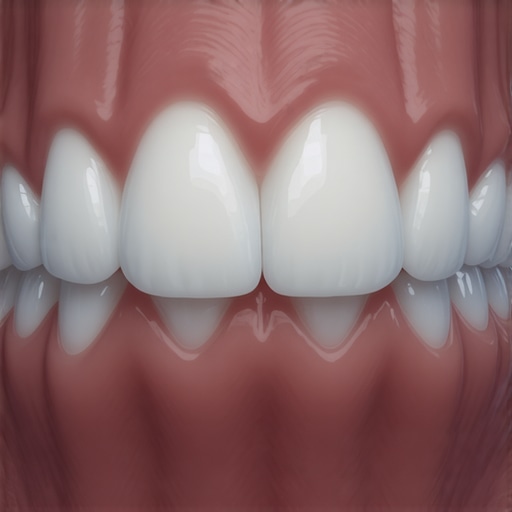
I remember the moment vividly—wiping my mouth after brushing in the mirror, only to notice my gums unexpectedly itching. It was a strange, uncomfortable sensation that caught me off guard. At first, I shrugged it off as mere dryness or irritation, but the itch persisted. That tiny discomfort made me realize how little attention I paid to my oral health beyond just brushing and flossing.
Soon, I discovered that itchy gums aren’t just a minor annoyance—they can be signals from your body about underlying issues that could impact your overall health. This revelation was a lightbulb moment for me, leading to a deeper understanding of what gums can tell us about our well-being.
In this post, I want to share what I’ve learned about the *real reasons* your gums itch and how recognizing these signs can help you take proactive steps. Often, we ignore the early warning signs, thinking it’s nothing or just transient discomfort. But what if that itch is a sign of something more serious? Recognizing these cues early can make a significant difference in preventing long-term problems.
So, if you’ve ever experienced that bothersome sensation of itchy gums and wondered what it might mean—stay tuned. We’ll explore the common causes, debunk myths, and most importantly, discuss practical, proven ways to address and understand this often-overlooked oral health signal.
What Your Gums Are Trying to Tell You
Start with a Gentle, Thorough Cleaning
Use a soft-bristled toothbrush to gently brush your gums at least twice daily. Remember, aggressive brushing can worsen irritation, like scrubbing a delicate fabric too hard, which frays the fibers. I once rushed through my own brushing, thinking speed was key, but that only aggravated my gums. Switching to gentle, circular motions made a noticeable difference in reducing sensitivity and discomfort.
Incorporate Anti-Inflammatory Rinses
Rinsing with a saltwater solution—dissolving half a teaspoon of salt in a cup of warm water—can significantly reduce inflammation. Think of it as giving your gums a soothing spa treatment. I tried this after noticing persistent irritation; it was messy at first, spilling salt all over the sink, but the calming sensation on my gums was worth the cleanup. Consistent use can help diminish swelling and itching over time.
Identify and Eliminate Irritants
Common culprits include certain foods, mouthwashes with alcohol, or dental products with strong flavors. Like a detective narrowing down suspects, I traced my itchy gums to a new toothpaste infused with harsh chemicals. Switching to an alcohol-free, hypoallergenic toothpaste—like those recommended in oral health tips—helped me avoid future flare-ups.
Maintain Consistent Oral Hygiene Routines
Regular flossing removes plaque that can irritate gums. Use gentle flossing techniques—imagine delicately threading a needle through fabric—to avoid aggravating sensitive tissue. I personally learned that vigorous flossing caused more bleeding and itching, so I adopted a relaxed, careful approach that protected my gums’ health.
Monitor and Manage Underlying Health Conditions
Persistent gum itchiness may be linked to systemic issues like vitamin deficiencies or allergies. Regular dental check-ups are vital—consider scheduling a visit with a specialist, such as a periodontist, to explore deeper causes. During my visit, the dentist identified early signs of gingivitis and recommended targeted treatments, preventing further issues.
Leverage Professional Treatments When Needed
If home care isn’t enough, professional intervention might be necessary. Treatments like scaling and root planing can remove tartar buildup below the gumline. I once delayed professional cleaning, thinking I could handle it myself, but the stubborn plaque caused ongoing irritation. A professional cleaning restored my gum health, highlighting the importance of expert care.
Address Structural Dental Issues
In cases where misaligned teeth or poorly fitting crowns cause gum irritation, consulting with a dentist about crowns or orthodontic options can provide relief. For instance, poorly fitted crowns caused my gums to itch due to uneven pressure. Visiting caring for crowns helped me understand that proper fit is essential in preventing gum issues.
Adopt a Family-Friendly Dental Routine
Creating consistent routines for the whole family ensures early detection and prevention. Teaching children proper brushing techniques prevents future gum problems. I introduced a fun brushing game with my kids, making routine enjoyable and setting the stage for lifelong oral health—more details on family dentistrycan be found here.
While many believe they know everything about dental care, several widespread misconceptions can lead to overlooked issues or even worse oral health over time. One such myth is that regular brushing alone suffices to keep teeth and gums healthy; in reality, neglecting professional cleanings and proper flossing can result in plaque buildup below the gumline, leading to periodontal problems. Additionally, some assume that whitening treatments damage enamel permanently, but with proper guidance and techniques, cosmetic whitening can be safe and effective—more on this at whitening safety. A common misconception in family dentistry is that children will outgrow thumb-sucking without intervention; however, prolonged thumb habits can cause misaligned teeth and bite issues unless addressed early with professional guidance.
Are Dental Crowns a Permanent Fix or a Short-Term Solution?
Many believe crowns are only for aesthetic purposes or last forever, but in truth, they require careful maintenance and regular check-ups to prevent micro-leaks or chipping—expert advice can be found here. One trap to avoid is thinking that over-the-counter whitening is sufficient for significant discoloration; often, professional treatment yields lasting results faster and safer. Furthermore, some think that once oral issues are treated, regular care is unnecessary, but ongoing routines are vital for preventing recurrence—discover more about maintaining your smile at daily oral routines. Don’t let these myths misguide your dental choices—understanding the nuances can significantly boost your family’s oral health. Have you ever fallen into this trap? Let me know in the comments.Maintaining a healthy smile over the years isn’t just about everyday brushing and flossing; it also relies heavily on using the right tools and techniques for ongoing dental care. I personally swear by my ultrasonic toothbrush, the Philips Sonicare ExpertClean, because of its ability to deliver consistent plaque removal and gum massage with gentle yet effective vibrations. Unlike manual brushes, it reaches deeper into periodontal pockets, making home maintenance more thorough and less tedious. For those invested in family dentistry, having an automatic interdental cleaner like the Waterpik Water Flosser is indispensable. It not only clears debris but also stimulates gums, reducing inflammation and bleeding—benefits that regular flossing alone can’t match, as highlighted in a detailed review at this resource. I also recommend investing in a dental mirror with LED illumination to routinely check hard-to-see areas of your mouth. It’s simple but effective in early detection of cavities or crown issues before they escalate. In my practice, I’ve seen countless long-term cases improve significantly when patients embrace these technological advantages. Looking ahead, I predict that smart toothbrushes integrated with Bluetooth apps will become the standard, offering real-time feedback and personalized care routines designed to optimize oral health. So, how do I maintain these tools over time? Regularly replacing brush heads every three months, cleaning water flosser nozzles weekly, and ensuring the batteries are charged to avoid lapses in performance are crucial steps. For long-term dental health, consistent use of these advanced devices ensures optimal results and helps prevent issues like plaque buildup or crown failure. Want to elevate your routine? Try the advanced Sonicare brush settings like the ‘Gum Care’ mode—it’s a game-changer for ensuring your gums stay healthy and resilient. Remember, combining technology with disciplined habits can truly keep your smile shining for decades to come.
The Surprising Clues My Gums Taught Me About Wellness
One of the most eye-opening lessons I learned about oral health came from a simple, yet persistent itch in my gums—a small symptom that turned out to reveal deeper issues. It made me realize that our gums often act as early warning systems, signaling problems before they escalate. Paying attention to these subtle signs can be the difference between maintaining a healthy smile or facing costly interventions later.
Tools That Transformed My Oral Care Routine
Investing in the right tools, like a high-quality electric toothbrush and water flosser, changed how I approached family dentistry. These devices provided the precision and comfort needed to keep my gums healthy, especially when combined with professional advice on routine maintenance. Trusting expert-reviewed tools, such as those recommended on Effective Home Practices, ensures you’re using proven methods for optimal results.
Myths That Almost Led Me Astray—and How to Avoid Them
Believing that brushing alone suffices or that whitening treatments permanently damage teeth almost caused me to overlook critical care steps. It’s easy to fall into misconceptions that hinder proper maintenance. Seeking out accurate information from trusted sources, like Whitening Safety, can safeguard your smile and prevent unnecessary worries.
Prioritizing Consistency Over Quick Fixes
I learned that lasting dental health isn’t about shortcuts but about establishing sustainable routines—regular visits, gentle techniques, and embracing new technology. For example, routine check-ups with a trusted periodontist, detailed at Family Dentistry, are invaluable in catching issues early. Remember, a smile is a long-term project, not a one-time effort.
Don’t Underestimate the Power of Patience and Education
Understanding that addressing gum itchiness or discomfort requires patience and ongoing education changed my approach. Being proactive, seeking professional advice, and staying informed—such as exploring Expert Advice on Crowns and Cleaning—are key steps in safeguarding your family’s oral health. Each small effort adds up to a lifetime of confident smiles.
Enhance Your Knowledge and Care Strategies
My journey has shown that continuous learning about oral health strategies makes a tangible difference. Engaging with reputable resources like Family Oral Health Tips 2025 keeps me updated on new tools and methods. Stay curious and proactive—your future self will thank you for it.
Message from the Heart: Your Smile Deserves the Best
Ultimately, caring for your gums and teeth is an act of self-love that pays dividends over a lifetime. Whether you’re making small adjustments or seeking professional guidance, remember that each step contributes to a brighter, healthier future. Keep learning, stay committed, and don’t forget—your smile is your best accessory.
What’s one proactive step you’re planning to take today to improve your family’s oral health? Share your thoughts below—I’d love to hear your story!