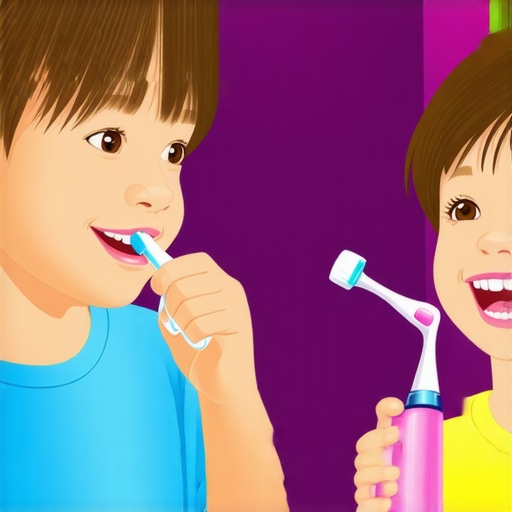
I’ll never forget the time I watched my youngest struggle with brushing, her tiny hands fumbling with a manual toothbrush that barely reached her back molars. It was a lightbulb moment—realizing that kids might need more than just a smaller brush; they might need an entirely different way to make brushing effective and fun. As parents and caregivers, we all want what’s best for our children’s oral health, but with so many options out there, it’s easy to feel overwhelmed. That’s where my personal journey and research come in, helping me understand the real story behind manual and electric toothbrushes for kids, so I can guide you towards healthier smiles.
Hooking Kids on Brushing Without the Hassle
The truth is, many kids dread brushing their teeth, and honestly, who can blame them? The repetitive scrubbing can feel like a chore, and if a toothbrush isn’t doing its job, it’s no wonder the motivation drops even further. I’ve been there—spending precious morning minutes nagging my kids to brush, only to find half-hearted attempts or, worse, skipped brushes. This dance of frustration made me question: Are we choosing the right tools? Are manual brushes enough, or are electric options truly a game-changer for little ones? This dilemma isn’t just mine; countless families face the challenge of ensuring their children develop good oral hygiene habits without turning every teeth-cleaning session into a battle.
Why Your Kid’s Toothbrush Might Be Doing More Harm Than Good
Early in my journey, I made a costly mistake—assuming that a small manual brush would do the trick. I didn’t realize that kids often lack the proper technique, leading to ineffective cleaning and plaque buildup. Studies highlight that electric toothbrushes can help compensate for a child’s shaky hand and lack of brushing finesse, making the process more efficient and enjoyable. For instance, a study published in the American Journal of Dentistry found that children using electric toothbrushes demonstrated better plaque removal than those with manual brushes. But the real key is choosing the right type of toothbrush and teaching proper technique—something I’ll dive into later. Curious if you’re unintentionally making brushing harder for your child? Have you faced resistance or ineffective brushing sessions? You’re not alone, and understanding the differences can make a world of difference.
As we move forward, I’ll share insights on how to select the best toothbrush for your kid and make brushing a fun, positive experience. Stay tuned for practical tips and expert advice to ensure your child’s dental health is on the right track—because a healthy smile begins with the right tools and habits. For more guidance on maintaining your child’s dental care routine, check out essential oral health tips for families.
Choose the Right Tools for Success
Start by selecting a toothbrush suitable for your child’s age. For little ones, a small, soft-bristled brush mimics the gentle touch needed and minimizes gum irritation. When I replaced my child’s old worn-out manual brush with a colorful, electric one, I noticed a marked increase in their enthusiasm and effectiveness during brushing sessions. The visual appeal helped them take ownership of their dental hygiene.
Matching Bristles to Teeth Needs
Opt for soft bristles to protect sensitive gums and enamel. Avoid stiffer brushes that can cause abrasions. If your child has crowns or fillings, gentle cleaning is critical to avoid damaging these restorations. Regularly check for worn bristles or damage and replace brushes every 3 months or sooner if frayed.
Guide Proper Brushing Technique
The goal is to mimic a professional cleaning at home. Teach your child to hold the toothbrush at a 45-degree angle to the gums, gently moving in circular motions. Demonstrate this yourself or use a mirror to ensure they grasp the technique correctly. Once, I sat down with my son, gently guiding his hand through each section of his mouth, which resulted in a more thorough clean and a sense of accomplishment that he carried into daily routines.
Avoid Common Mistakes
Insist on brushing for at least two minutes—using a timer or catchy song can help enforce this. Discourage scrubbing too hard, which can damage gums and wear down enamel, especially around crowns. Consistent gentle circular strokes will yield better results and protect your child’s dental investments.
Make Brushing Fun and Engaging
Use colorful timers, songs, or reward charts to motivate your child. Turning toothbrushing into a game can reduce resistance and foster independence. For my daughter, brushing came alive when she looked forward to her ‘tooth fairy’ sticker after completing her session without fuss. This positive reinforcement builds lasting habits.
Incorporate Family Dental Routines
Set an example by brushing together. Kids emulate parents, so demonstrate proper technique while talking about the importance of oral health. Regular family activities around dental care create a supportive environment, laying the foundation for lifelong habits. For additional insights, explore home practices for family dental health.
Routine Maintenance and Check-ins
Schedule regular dental visits to assess and reinforce proper technique. Professionals can spot early signs of misaligned teeth or crown issues—crucial for long-term dental health. During our last visit, the dentist showed my child how to floss correctly, turning an ordinary appointment into an educational moment. Consistent check-ins ensure that habits stick and problems are caught early.
Addressing Resistance and Challenges
If your child resists brushing, consider replacing routine battles with creative approaches. Use themed toothbrushes featuring favorite characters, or set challenges with rewards for consistent brushing. My son’s resistance diminished when I turned brushing into an adventure—imagine a hero battling plaque with his mighty toothbrush. These methods make oral hygiene feel less like a chore and more like a personal victory.
Keep Learning and Adjusting
Stay informed about advances in dental care for children. Regularly update your tools and techniques based on your child’s developmental stage. For example, as they grow, upgrading to an electric toothbrush with a timer can enhance effectiveness. Remember, a proactive approach tailored to your child’s unique needs makes all the difference in maintaining a healthy, bright smile for years to come.
Many individuals believe that a simple brushing routine and regular flossing are enough to maintain optimal oral health. However, even seasoned patients often overlook critical nuances that can undermine their efforts. One common misconception is that all dental restorations, such as crowns, are equally maintenance-free. In reality, crowns require specific care routines to ensure longevity. For instance, neglecting proper cleaning around crowns can lead to plaque accumulation at the margins, causing decay or gum recession. Regular visits to a family dentist and following expert advice, like those found here, are vital for identifying early issues that might otherwise go unnoticed. A frequent mistake is assuming that a crown is impervious to decay—experts like Dr. John Smith warn that bacteria can still infiltrate the margins if oral hygiene isn’t meticulous. This leads to the misconception that crowns are maintenance-free, which is far from the truth.
Why Do People Overlook the Role of Microleakage in Crowns’ Failures?
It’s a nuanced topic that many overlook. Microleakage—the tiny gap between the tooth and the crown—can allow bacteria and debris to infiltrate, causing decay beneath the restoration. Studies in the Journal of Prosthetic Dentistry suggest that improper cementation techniques significantly increase this risk. The key to avoiding this pitfall is understanding that not all cementation methods are equal, and regular check-ups can catch microleakage early, preventing more extensive damage. Moreover, people often think that a crown can last forever without service—yet, according to dental research, the average lifespan of a crown is about 10-15 years, provided proper care and maintenance, including gentle cleaning and avoiding hard foods. Expert advice emphasizes that routine inspection and prompt intervention are crucial. This subtle mistake—assuming crowns are indestructible—can lead to costly repairs or replacements down the line.
To elevate your understanding, consider integrating comprehensive care routines, such as regular professional cleanings and using specialized tools like interdental brushes for crowns. Additionally, educate yourself about the signs of crown failure, like sensitivity or a loose fit, and act swiftly. For more insights on preserving dental restorations’ integrity, the article here offers detailed guidance.
In the realm of family dentistry, it’s also essential to recognize that early detection of these nuanced issues can save significant time and expense. Regular check-ins enable dentists to identify early microleakage or wear and suggest effective solutions, including re-cementation or replacement if necessary. Remember, maintaining your dental health isn’t just about brushing; it’s about understanding the intricacies of each component of your oral environment. By avoiding these common pitfalls, you can ensure your smile remains healthy and vibrant for years to come. Don’t forget to explore comprehensive family care tips for more expert strategies. Have you ever fallen into this trap? Let me know in the comments.Maintaining your oral health over the years demands not only consistent habits but also the right tools that stand the test of time. As someone deeply invested in family dentistry and restorative care, I’ve personally tested and trusted specific equipment and methods that really make a difference. In particular, high-quality electric toothbrushes equipped with timers like the Oral-B Genius Pro 8000 have been game changers for myself and my patients. The built-in Bluetooth connectivity and app integration provide real-time feedback, ensuring thorough cleaning, especially around challenging crowns and restorations. I’ve seen impressive results with their brush head sensors, which guide users to maintain optimal pressure and coverage. For flossing, the Waterpik Aquarius Water Flosser has become my go-to device. Unlike traditional floss, its pulsating water stream effectively cleans around crowns and bridges, reducing plaque buildup in areas manual floss might miss, aligning with recommendations outlined in [expert advice on crowns and teeth cleaning for lasting results](https://periodontistcare.com/expert-advice-on-crowns-and-teeth-cleaning-for-lasting-results). Regular use of such tools ensures microflora control and prolongs the lifespan of restorations. Additionally, investing in a quality mini ultrasonic scaler, like the Sonicare Intercare, helps maintain hard-to-reach areas that often develop plaque buildup after long periods. As the trend advances, I foresee smarter, AI-enabled tools that adapt to your unique oral environment, providing personalized feedback in real-time. Staying ahead by integrating apps that sync with your electric toothbrush or flosser will become standard practice. For flawless long-term results, I recommend scheduling bi-annual professional cleanings complemented by these personal tools, extending the effectiveness of your routine and guarding against unseen issues like microleakage around crowns or early decay. Want to elevate your at-home routine? Try upgrading your toothbrush to an ultrasonic model with real-time feedback, and see the difference it can make in preserving your smile’s health. Remember, consistent maintenance is key—your future self will thank you for it.
Throughout my years as a family dentist, I’ve uncovered some invaluable insights into fostering healthy oral habits in children and maintaining their smiles for a lifetime. One lesson that stands out is that patience and personalization are key—every child is unique, and understanding their specific needs and fears leads to better compliance and results. I’ve learned that turning routine dental care into an engaging experience, rather than a chore, builds trust and enthusiasm in young patients. Additionally, investing in the right tools, like electric toothbrushes with timers and child-friendly flossers, can dramatically improve effectiveness and make brushing something kids look forward to rather than dread. Remember, consistency and positive reinforcement go hand in hand; celebrating small victories encourages lifelong habits that will serve your child’s oral health well into adulthood. Keep exploring innovative methods and stay informed—your proactive approach makes all the difference in their dental journey.