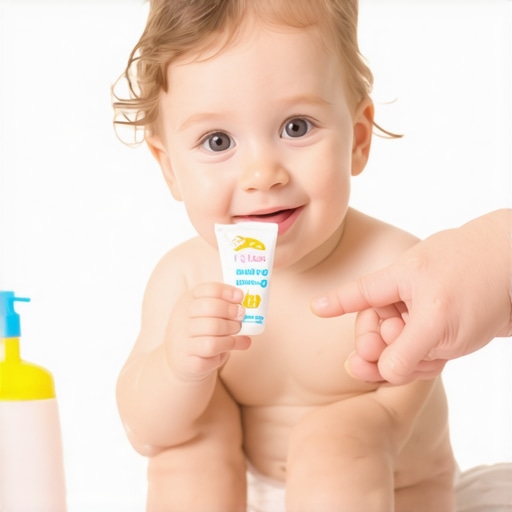
It was one of those mornings when I caught myself panicking over my toddler’s toothbrush. She was wiggling and crying, refusing to open her mouth, and I found myself questioning if I was doing more harm than good. That lightbulb moment hit me hard—how do I know when she’s actually ready for fluoride toothpaste? It seems like a simple question, but as parents, we’re often left guessing. And honestly, I remember making the mistake of rushing into using toothpaste that was too strong for her tiny teeth, leading to a few uncomfortable episodes. Since then, I’ve learned that understanding your child’s readiness isn’t just about age—it’s about observing specific signs that indicate the right time. Today, I want to share how you can confidently tell if your toddler is prepared to start benefiting from fluoride toothpaste, without the guesswork and unnecessary worries.
Why Knowing When Your Toddler is Ready Matters
Proper oral health habits built early can set your child on a path to a lifetime of healthy teeth. But starting fluoride toothpaste too early can cause challenges, like gagging or accidental ingestion, whereas waiting too long delays protection against cavities. Ensuring your toddler’s readiness helps you introduce this vital step smoothly and safely. Did you know that the American Dental Association recommends starting fluoride toothpaste when your child can spit it out reliably, typically around age three? Interestingly, recent research shows that early fluoride exposure significantly reduces the risk of dental cavities, which are among the most common chronic childhood conditions (source: [ADA](https://www.mouthhealthy.org/en/az-topics/f/fluoride)). This makes it all the more important to get it right from the start. So, how can you tell if your little one is ready for this next step in their oral health journey? Let’s explore the key signs and how to spot them, so you can feel confident in your decision.
Is Gagging or Fear a Sign to Wait?
One common worry I hear from parents is whether gagging or fear during brushing disqualifies a child from using fluoride toothpaste. Believe me, I’ve been there—seeing my child’s discomfort made me hesitate. But a little gagging doesn’t mean they’re not ready; it can just indicate they’re still adjusting. The trick is to start with a smear or a tiny dab of fluoride toothpaste, not a dollop, and make the experience fun and positive. If your child’s gag reflex is overly sensitive, waiting a bit longer while gradually introducing the toothpaste can help. It’s essential to avoid forcing the process, which may create lasting fears. If you want to learn more about the best practices for introducing toothpaste and managing gag reflexes, check out helpful tips on effective home practices for family dental health.
Have you noticed your child resisting or gagging during brushing? If so, you’re not alone, and with patience, this stage will pass.
Starting with gentle, positive reinforcement, and observing their reactions closely, can make all the difference. The key is to ensure they’re comfortable and willing, which sets the foundation for successful oral hygiene routines. Ready to take the next step confidently? Up next, we’ll go over the specific signs that tell you your toddler is truly ready to start using fluoride toothpaste regularly.
Starting Small with Toothpaste
First, opt for a pea-sized dab of fluoride toothpaste—think of it as a tiny scoop of ice cream; enough to do its job but not overwhelming. During my own experience, I placed a miniature smear on her toothbrush while making a game of it, turning brushing into a playful activity rather than a chore. This approach minimizes gagging and builds positive associations.
Make Brushing a Fun Routine
Transform brushing into a game by singing a favorite song or using colorful timers. This not only distracts from any discomfort but also encourages your toddler to cooperate. I remember wrapping her toothbrush in a cute band-aid sticker after a successful session, reinforcing good habits.
Observe Their Readiness Signs
Look for signs such as your child spitting out toothpaste reliably, showing interest in brushing, or asking to do it themselves. When my daughter started mimicking my brushing techniques and would spit rather than swallow, I knew she was ready. These cues indicate that their gag reflex has matured enough to handle fluoride toothpaste safely.
Use The Gag Reflex as a Guide
If gagging persists strongly, pause and try again later. I personally waited a week before gradually increasing the amount of toothpaste, which helped her adjust without fear. Remember, patience is key; forcing brushing can create lasting aversions.
Proper Technique Matters
Hold the toothbrush at a 45-degree angle to the gums and use gentle, circular motions. Think of it as polishing a precious gemstone: gentle yet effective. I focused on the front teeth first, then gradually included the chewing surfaces. Consistency in technique ensures thorough cleaning and safety for new fluoride users.
Reinforce With Positive Feedback
Praise your child for their efforts, even if the process isn’t perfect. I found that giving a high-five or a cheerful
Myths That Hold You Back from Optimal Oral Health
Many people believe that brushing harder cleans better, but in reality, applying excessive force can damage gums and enamel, increasing sensitivity and risk of recession. This misconception often leads to abrasion and exposes tooth roots, accelerating periodontal issues. Instead, gentle brushing with proper technique is more effective and safer. Regular flossing is also widely touted as essential, yet some assume that flossing alone can eliminate all plaque. While valuable, flossing can’t access certain areas, and relying solely on it overlooks the importance of professional cleanings and comprehensive care. Recognizing these myths helps you focus on evidence-based practices for optimal results.
Why Does Over-reliance on Fluoride Reduce Its Effectiveness?
Many believe that using fluoride toothpaste constantly strengthens teeth indefinitely, but overuse can lead to fluorosis, especially in children. This condition causes mottling and weakened enamel if fluoride intake exceeds recommended levels. The nuance lies in balancing fluoride application—using an appropriate amount and timing—among other preventive measures. A recent study in the Journal of Clinical Dentistry emphasizes that targeted fluoride use, combined with diet and hygiene, offers the best protection without adverse effects. To maximize benefits, consult your dentist for personalized advice and avoid over-the-top fluoride routines that can backfire.
Common Pitfall: Neglecting the Role of Restorations Like Crowns
Many assume that once a crown is placed, no further maintenance is needed, but neglecting to care for crowns properly can lead to complications. For example, failing to perform regular check-ups or ignoring signs of marginal leakage can cause decay underneath or around the crown, eventually prompting replacement. Notably, poor oral hygiene around crowns is a common mistake that accelerates gum recession and secondary decay. When maintaining crowns, it’s vital to follow specific hygiene protocols—using interdental brushes or flossing carefully to clean around the restoration. For detailed guidance, visiting sources like [maintaining your dental crowns](https://periodontistcare.com/maintaining-your-dental-crowns-dos-and-donts-for-best-results) ensures longevity and functionality.
Is Your Family’s Oral Routine Truly Effective?
Parents often think that brushing and flossing twice a day suffices, but the nuances of technique, timing, and product choice significantly influence outcomes. For example, brushing immediately after acidic meals can harm enamel, a detail many overlook. Additionally, selecting the right toothbrush—manual or electric—based on age and dexterity makes a difference. Sometimes, inconsistent routines or neglecting professional check-ups undermine even diligent home care. Emphasizing tailored routines and regular dental visits can prevent cavities and gum disease more effectively. Want to refine your family’s oral care? Check out helpful tips at [oral health tips for families](https://periodontistcare.com/oral-health-tips-every-family-should-follow-in-2025).
What Advanced Mistakes Do People Often Overlook in Oral Health?
Beyond common errors, many patients underestimate the importance of occlusion and jaw health, which influence overall well-being. For example, uneven bite alignment can contribute to abnormal wear, TMJ issues, and even headaches. Neglecting these factors results in unseen damage that surfaces later. Furthermore, some underestimate the impact of systemic health—like diabetes or nutritional deficiencies—on oral health. Studies link periodontal disease to cardiovascular health, underscoring that oral care isn’t just about teeth but comprehensive wellness. To explore more, see [how family dentistry impacts long-term wellness](https://periodontistcare.com/family-dentistry-focus-building-a-lifetime-of-healthy-smiles). Having an expert guide you through these nuances ensures your dental health is truly optimal. Remember, staying informed and addressing these hidden pitfalls can make all the difference in your oral health journey. Have you ever fallen into this trap? Let me know in the comments.Maintaining optimal oral health requires more than just regular brushing and flossing; it demands the right tools and consistent routines. As a dentist passionate about preserving your smile, I recommend investing in a quality electric toothbrush like the Oral-B Genius series. Its oscillating-rotating technology ensures superior plaque removal, especially in hard-to-reach areas, reducing the risk of decay around crowns and restorations. For deep cleaning between teeth, I personally swear by interdental brushes such as TePe’s durable, multi-sized options—they effortlessly clean around implants and crowns without damaging sensitive gum tissue. Employing a water flosser, like the Waterpik, enhances your routine by flushing out debris and bacteria, which is particularly vital for those with extensive restorations or braces. I recommend integrating these tools into your daily routine, coupled with professional cleanings, to prolong the lifespan of dental crowns and prevent periodontal issues. Looking ahead, advancements in dental technology suggest smart toothbrushes that connect via Bluetooth to track your brushing habits, offering real-time feedback to optimize your technique. Curious about how to keep your dental restorations shining? Regular professional check-ups and using specialized cleaning tools can significantly extend their do-and-maintain periods. For example, practitioners recommend using ultrasonic cleaners for crowns and implants, which have been shown to reduce bacteria effectively (source: [Journal of Clinical Dentistry](https://www.jcd.org.uk)). Start incorporating one of these tools today—your future self will thank you. How do I maintain my dental crowns and restorations over time? Consistent cleaning with the right tools, professional evaluations, and mindful habits like avoiding abrasive foods ensure their longevity and your oral health. Don’t delay—schedule a professional cleaning or ask your dentist about these devices to take your dental care to the next level. For tailored advice, visit our [contact page](https://periodontistcare.com/contact-us) to connect with a specialist dedicated to your smile’s long-term wellbeing.
The Hardest Lesson I Learned About Toddler Tooth Care
Patience is key. Rushing into using fluoride toothpaste too early can create fear and discomfort, delaying important habits. Observing your child’s cues and starting small fosters trust and confidence. I once tried to ‘teach’ my daughter by rushing—only to face tears and resistance. Now, I focus on gentle, gradual introduction, making every step a positive experience.
How I Discovered the Power of Consistency Over Time
Consistent routines build lasting habits. Instead of sporadic efforts, carving out dedicated time for brushing, flossing, and check-ups cultivates a sense of normalcy. I found that celebrating small wins—like spitting out toothpaste or brushing without fuss—motivates my child and reinforces routine as a fun family activity.
The Myth That Almost Led Me Astray
Thinking harder brushing equates to cleaner teeth is a common misconception. Gentle, proper technique beats brute force. I learned through my dentist that overbrushing can damage gums and enamel. Now, I prioritize technique and use tools like interdental brushes for comprehensive cleaning, which I trust based on expert recommendations.
Why Personalized Advice Matters More Than Generic Tips
Every child is different. What works for one may not suit another. I realized the importance of consulting dental professionals for tailored guidance—be it about fluoride use, crown maintenance, or dietary choices. Regular check-ups helped me catch potential issues early and adapt routines accordingly, ensuring my child’s oral health stays on track.
Recommendations That Simplify My Family’s Dental Life
– **Electric toothbrushes** like the Oral-B Genius provide effective cleaning and make brushing engaging.
– **Interdental brushes** such as TePe’s options help clean around crowns and braces effortlessly.
– **Water flossers** like Waterpik aid in thorough debris removal and gum health.
– **Professional cleanings** remain essential, so scheduling regular visits is a must. These tools and routines, backed by evidence and my personal experience, have made a significant difference in my child’s oral health.
Your Journey Begins Now: Bright Smiles Await
Empowered with knowledge and patience, you can guide your child toward a lifetime of healthy teeth and confident smiles. Remember, small, consistent steps tailored to your child’s unique cues will lead to the best outcomes. Embrace the process, celebrate progress, and don’t hesitate to seek personalized advice when needed.
Have you ever faced a challenge with introducing fluoride toothpaste or establishing a routine? Share your story below—I’d love to hear how you navigated it!