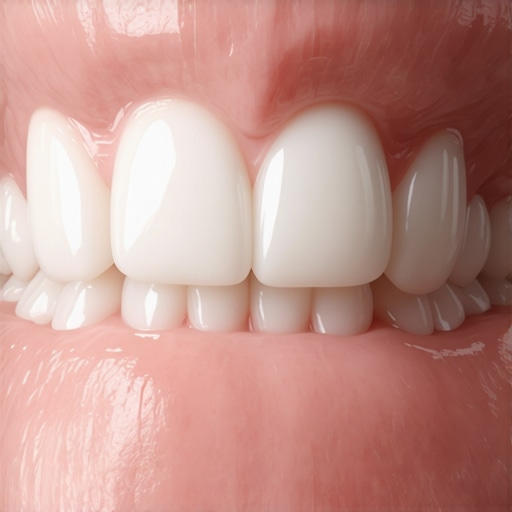
I remember the moment I first noticed my gums pulling away from my teeth—something that made my stomach tighten with worry. I was meticulously brushing, thinking I was doing everything right, yet those stubborn receding gums persisted. It felt personal, like my smile was betraying me after years of health. That lightbulb moment led me down a enlightening path, revealing that gum recession isn’t always about cavities or obvious decay. Sometimes, the reasons are subtle, sneaky even—but entirely manageable once you understand them.
Uncovering the Hidden Reasons for Receding Gums
If you’re like me, you might be puzzled. You’ve kept up with good oral hygiene, avoided sweets, and yet, your gums still seem to be retreating. The truth is, gum recession can happen even when cavities are nowhere in sight. It’s a topic that often flies under the radar but affects many silently. Factors like genetics, aggressive brushing habits, or even the presence of dental restorations such as crowns can play a role. I’ve learned through personal experience—and a lot of research—that knowing the why behind this phenomenon is the first step toward protecting your smile. For example, improper brushing techniques can cause enamel wear and gum erosion without any cavities. Moreover, some medications or even lifestyle factors like stress and diet influence gum health. Interestingly, a study published by the American Academy of Periodontology highlights that periodontal tissue can recede without the presence of plaque or decay, emphasizing that gum recession is about more than cavities alone. If you’ve been asking yourself, “Why are my gums receding even though I’ve never had a cavity?” then you’re in the right place. I’ll share the insights I wish I had known earlier, along with practical steps to keep your gums healthy and your smile confident. Ready to dive into the secrets of maintaining healthy gums? Let’s start with understanding what might be actually causing that receding sensation and how to address it effectively.
Master Your Daily Oral Hygiene Routine
Kickstart your day with a targeted cleaning approach. Use a soft-bristled toothbrush and gentle circular motions, avoiding aggressive scrubbing that can wear down gum tissue. Incorporate flossing into your routine twice daily to remove plaque between teeth, which can contribute to recession if left unchecked. Remember, consistent care prevents the buildup of harmful bacteria that can inflame gums and cause recession over time. My own experience with switching from a hard brush to a soft one instantly reduced gum irritation, illustrating the power of proper technique.
Enhance Your Brushing Technique
Use the Right Tools
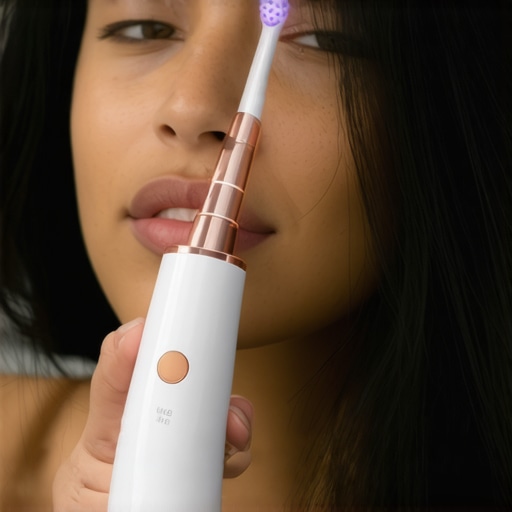
Select an electric toothbrush designed for gentle yet effective cleaning. For example, I started using an oscillating model, which provided consistent motion and reduced my manual error. Electric brushes also help in maintaining even pressure, essential in preventing gum damage—especially for those with crowns or sensitive areas.
Learn Proper Pressure Control
Applying too much force can erode enamel and pull back gums, akin to overwatering a plant. I once noticed my gums receding after a period of vigorous brushing; switching to a pressure sensor brush promptly corrected this. Practice light, controlled strokes, focusing on cleaning without aggressive pressure. This simple change yielded visible improvements within weeks.
Care for Restorations and Crowns Carefully
Dental crowns, if not maintained properly, may contribute to localized recession. Regular cleaning around crowns with specialized brushes helps prevent plaque accumulation that can affect surrounding gums. For durability, follow guidelines from experts like those in this resource to extend the life of your restorations and keep gum tissue healthy.
Schedule Regular Professional Cleanings
Deep cleanings are essential to remove tartar that cannot be eliminated at home. These appointments not only prevent gum disease but can also detect early signs of recession, allowing prompt intervention. I recall a cleaning where the hygienist identified early gum shrinkage, enabling me to adapt my habits accordingly—highlighting the importance of professional oversight.
Address Bruxism and Clenching Habits
Grinding your teeth exerts excessive pressure on your gums and supporting structures, leading to recession. Using a night guard, fitted professionally, acts as a cushion during sleep. Sharing my journey with a custom guard, I experienced less gum discomfort and protected my crown edges from undue stress. Consult your dentist about personalized solutions to guard your gums from mechanical damage.
Adopt a Healthy Lifestyle for Gum Support
Diet impacts gum health; reduce sugar intake that feeds harmful bacteria. Incorporate plenty of water and nutrient-rich foods like leafy greens and dairy to strengthen tissues. Avoid smoking, which constricts blood flow and delays healing. My own change to a balanced diet and quitting smoking visibly improved my gum resilience and reduced recession risks.
Protect Your Gums When Using Dental Restorations
Always follow specific care instructions, such as those outlined in this guide, to ensure longevity of crowns and prevent gum irritation. Proper cleaning techniques, combined with gentle handling, help sustain healthy tissue around restorations, reducing the risk of recession around these sensitive areas.
Monitor and Tackle Sensitivity Promptly
If you experience increased sensitivity along your gum line, address it immediately by consulting your dentist. They may recommend desensitizing treatments or evaluate for early recession signs. Quick action prevents minor issues from escalating into significant tissue loss, maintaining your overall oral health.
By systematically implementing these steps, you can actively preserve your gum tissue and protect your smile long-term. Remember, small, consistent actions like gentle brushing, routine professional care, and lifestyle adjustments vastly influence gum health and prevent recession from taking hold.
Many people believe that brushing harder means cleaner teeth, but in reality, aggressive brushing can cause more harm than good, leading to gum recession and enamel erosion. This common myth can be a trap; gentle, proper technique is actually more effective and safer, as highlighted by dental experts. Another misconception is that you only need to visit the dentist when something hurts—regular check-ups are essential for catching issues like early decay or gum disease before they become serious threats. For example, routine professional cleanings do more than refresh your smile; they play a crucial role in overall health, as detailed in studies by reputable sources.
Many assume that dental crowns require no special care once in place. However, improper maintenance can lead to microleakage and decay underneath, jeopardizing the restoration’s longevity. It’s vital to follow proper care instructions, including avoiding hard foods and using appropriate cleaning tools, which you can learn more about in this guide. Also, I’ve noticed many overlook the importance of family dentistry, mistakenly thinking it’s only for children. In fact, establishing a trusted family dentist ensures consistent, comprehensive care that adapts with your evolving needs. Think of your family dentist as a healthcare partner who understands your history and can prevent issues before they arise.
Why do many people overlook the nuance of proper oral hygiene and how it impacts long-term health?
It’s clear that focusing solely on quick fixes or superficial cleanliness ignores the complexity of oral health intertwined with systemic conditions like heart disease, diabetes, and pregnancy health. Researchers from the American Heart Association have shown that gum health reflects and affects overall cardiovascular well-being, emphasizing that neglecting nuanced care can have far-reaching consequences. This underscores the importance of a thorough, informed approach to routine cleaning, diet, and professional check-ups. If you’re following a routine that mainly involves brushing and neglecting other crucial aspects, you might be missing the bigger picture. To truly safeguard your smile, you should consider how your habits and dental practices integrate into your overall health plan. Remember, small details in technique or routine adjustments—like using appropriate tools and visiting your dentist regularly—can make a significant difference. Have you ever fallen into this trap? Let me know in the comments.
How do I keep my smile in top shape over time?
Maintaining long-term oral health requires more than just basic brushing and flossing; it calls for using the right tools and adopting effective techniques. One of my favorite investments is a high-quality electric toothbrush, specifically models with pressure sensors like the Oral-B Genius series. The built-in sensors alert me when I’m brushing too hard, protecting my gums and crowns from excessive force. I also swear by interproximal brushes for cleaning around crowns and braces—these small, firm-handled tools reach narrow spaces better than floss in some cases, aiding in plaque removal and preventing recession. In addition, I incorporate a water flosser, such as the Waterpik Sonic-Fusion, which combines flossing and brushing in one device, making daily routine more efficient and thorough.
Beyond tools, I rely heavily on professional-grade whitening and cleaning products. Using a desensitizing toothpaste weekly helps me maintain sensitivity, especially after whitening treatments, and reduces gum irritation. For instance, this article explains how proper post-treatment care can extend the lifespan of your results.
What’s the future of oral health maintenance?
Advancements in dental tech are rapidly evolving, with smart toothbrushes and AI-powered cleaning devices becoming more accessible. I foresee a future where personalized, app-connected tools will help us monitor and enhance our oral hygiene in real-time, potentially detecting early signs of recession or decay before symptoms even appear. Incorporating these innovations into regular routines could radically improve long-term outcomes and reduce invasive procedures.
Making your routine sustainable: Tips for longevity
Consistency is key. Regularly scheduled professional cleanings and check-ups—every six months—are vital, especially if you have crowns or other restorations. Remember to replace your toothbrush head every three months, or sooner if bristles fray; worn brushes aren’t effective and can cause gum trauma. Moreover, consider integrating gentle, low-abrasion polishing techniques, such as using a polishing cup and non-abrasive pastes, to keep crowns and natural teeth shining without damage. Here’s a guide on caring for crowns to ensure their longevity.
Always stay vigilant for signs of wear or sensitivity, and don’t hesitate to consult your dentist about advanced tools tailored to your specific needs. For example, laser gum therapy or resins that reinforce enamel are becoming more common for preventing recession and strengthening teeth. Don’t forget: a holistic approach—combining advanced tools, professional maintenance, and healthy habits—is your best defense against long-term oral health issues. Ready to upgrade your routine? Consider trying out a water flosser or an intelligent toothbrush today, and notice the difference in your gum sensitivity and overall health.
The Unexpected Truths Hidden in My Oral Health Journey
The biggest lesson I learned is that consistent gentle care outweighs occasional aggressive efforts. I used to think brushing harder was better, but I realized overdoing it was damaging my gums more than helping. Slow and steady with proper technique makes all the difference—something I wish I knew earlier.
Another insight was the importance of listening to my body. Sensitivity and discomfort are messages, not dismissible symptoms. Addressing them early, with guidance from trusted sources like professionals, prevented small issues from becoming big problems.
My experience also taught me that family-centric dental practices, such as family dentistry, are invaluable in maintaining long-term oral health. They understand your history, guide you properly, and make going to the dentist less intimidating.
Tools and Resources That Fully Transformed My Routine
I found that employing high-quality, sensitive tools like an electric toothbrush with pressure sensors, available through brands recommended in trusted sources, helped me avoid gum irritation. Using specialized brushes around crowns dramatically improved my ability to keep restorations clean.
Learning from comprehensive books such as The Art of Dental Care expanded my understanding of how vital daily habits are. Additionally, online educational content like resources about crowns helped me appreciate their role and care requirements better.
Champions for My Smile’s Future
What truly made a difference was my commitment to ongoing professional care, including regular cleanings, as highlighted in industry insights. This not only preserved my oral health but also caught early signs of recession, reinforcing the importance of proactive care.
In addition, adopting a holistic lifestyle—reducing sugar, quitting smoking, and managing stress—played a critical role. I realized that no tool or routine can substitute for a healthy lifestyle, which is fundamental to sustaining a confident smile for years to come.
Your Turn to Transform Your Dental Journey
Now, I encourage you to reflect on your own oral health habits. Small steps—like switching to a gentle toothbrush, scheduling that routine check-up, or learning proper flossing—can lead to significant improvements over time. Remember, your smile is your most powerful asset, and caring for it wisely today will pay dividends tomorrow.
What is one simple change you’re willing to try to improve your gum health? Share your thoughts below—I’d love to hear your journey toward a healthier, happier smile!