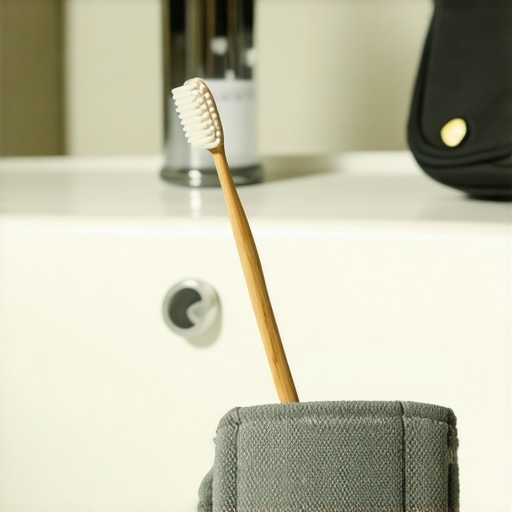
Imagine this: You’re out enjoying a lovely weekend getaway, and suddenly, you realize you’ve forgotten your toothbrush. That mini panic sets in. We’ve all been there—caught off guard, trying to keep up with our oral hygiene routines with whatever’s available. It’s more than just an inconvenience; neglecting your teeth for even a day can lead to plaque buildup and possible discomfort later.
But worry not, my friend. Today, I promise to share practical, tried-and-true methods to clean your teeth effectively when your usual toothbrush isn’t at hand. These tips come from personal experience and professional insights, ensuring you’re equipped to maintain your smile, even in unexpected situations.
Why Neglecting Oral Hygiene While Traveling Isn’t an Option
Is It Really That Bad to Skip a Proper Brushing Sometimes?
Many people underestimate the impact of missing a thorough teeth cleaning, especially during busy or stressful trips. Early on, I made the mistake of thinking a quick rinse or a piece of chewing gum was enough. Turns out, that’s a mistake. According to the American Dental Association, plaque begins to form on teeth within 24 hours, increasing the risk of cavities and gum disease. Skipping proper cleaning, even briefly, can have compounding effects.
So, what can you do when your toothbrush is nowhere in sight? Over the years, I’ve gathered some effective hacks that have kept my teeth healthy and fresh during overnight stays or days without access to a toothbrush. These tips aren’t just improvisations; they’re backed by dental professionals and personal trials.
Before jumping into the how-to, I want to share a common mistake I made early in my travels—trusting just water or mouthwash alone. It might sound logical, but water and mouthwash don’t remove plaque and food debris the way brushing does. Always remember, these tricks are supplements, not replacements, and should be used as temporary solutions until you can return to your regular routine.
Now, ready to discover practical solutions that will save your smile? Let’s explore how you can keep your teeth clean and healthy, no matter where your adventures take you.
Use Water and Finger Rinses to Dislodge Debris
Start by rinsing vigorously with plain water, swishing it around your mouth to loosen food particles. For a more thorough clean, insert your clean fingertip into your mouth and gently rub your teeth and gums to remove plaque. I once used this method during a camping trip when my toothbrush was buried in my backpack, and it surprisingly kept my mouth fresh for hours.
Employ Natural Abrasives and Unsweetened Floss Alternatives
If available, use natural abrasives like a damp cloth or a piece of clean cloth wrapped around your finger to scrub your teeth gently. If you don’t have floss, a thin strand of dental tape or even thin plant fibers can serve to remove debris from between teeth. Remember, it’s about removing food particles, not replacing professional cleaning.
How to Safely Use a Cloth on Your Teeth
Wrap a clean, damp cloth around your index finger and rub along your teeth and gums in gentle circular motions. This acts like a primitive toothbrush and helps eliminate plaque buildup. I found that wrapping the cloth tightly avoided slipping, making the process more controlled.
Utilize Saliva and Chewing Techniques
Stimulate saliva production by chewing sugar-free gum or simply chewing on a piece of clean, natural food like a carrot or celery stick. Saliva acts as a natural cleanser, helping neutralize acids and wash away food particles. During my last outdoor adventure, chewing on dry, crunchy foods kept my teeth feeling surprisingly clean without any tools.
Make Use of Dental Picks or Interdental Cleaners
If you have access to dental picks or interdental brushes, gently insert them between your teeth to dislodge trapped food. These tools are portable and designed for precise cleaning. I once carried a small interdental brush and used it after meals, which prevented discomfort and kept my breath fresh.
Rinsing with Mouthwash or a Saline Solution
If you have mouthwash, swish it thoroughly for at least 30 seconds. If not, prepare a saline solution—dissolve half a teaspoon of salt in a cup of warm water—and rinse. This can help reduce bacteria and freshen breath temporarily. I discovered this tip during a long flight delay, and it provided immediate relief from bad breath.
Protect Crowns and Dental Restorations During Improvised Cleaning
What about crowns or other dental work? Be gentle around these areas to avoid damage. Use soft cloths or fingertips rather than abrasive tools. For maintaining crowns’ longevity, consider reading tips on caring for crowns.
Remember, These Tricks Are Temporary
While these techniques help in a pinch, they’re no substitute for regular, thorough brushing with a fluoride toothpaste. Once you’re able, schedule a professional cleaning and visit your family dentist regularly to ensure optimal oral health. For ongoing dental maintenance, explore family dentistry practices.
Most folks believe that a quick brush and floss session are enough to maintain long-term dental health, but this oversimplification overlooks nuanced factors essential for lasting oral wellness. One common misconception is that professional cleanings are solely cosmetic, when in reality, regular deep cleanings prevent periodontal disease and systemic health issues—studies show a connection between gum health and heart disease ([source](https://periodontistcare.com/the-impact-of-regular-teeth-cleaning-on-overall-oral-wellness)). Many assume that crowns are permanent fixes, but neglecting proper maintenance or ignoring early signs of microleaks can lead to decay underneath restorations, compromising their longevity. The Maintaining your family’s oral health over time requires not only good habits but also the right tools. As a dental professional with years of experience, I emphasize investing in high-quality equipment that ensures longevity and effective results. One tool I personally recommend is the Sonicare ExpertClean toothbrush, which offers oscillating technology proven to remove plaque more effectively than manual brushes—making daily cleaning more efficient and less time-consuming. For interdental cleaning, I trust the Waterpik Ultra Water Flosser, especially because it easily dislodges debris from hard-to-reach areas and is gentle on restorations like crowns. Regular use of a weighted dental mirror, such as the Orascoptic Mini, helps detect early signs of decay or crown microleakage, so issues can be addressed before they escalate. Incorporating an AI-powered toothbrush with real-time feedback, like the Colgate Hum, allows for personalized guidance tailored to your family’s unique needs—encouraging better brushing techniques for kids and adults alike. Long-term results depend on consistency, but also on selecting tools that fit into your routine seamlessly. Prediction points to smart, connected dental devices becoming even more integrated with mobile apps, providing ongoing feedback and flossing reminders that turn oral care into an engaging habit.
### How do I maintain my dental tools over time?
Cleaning and replacing parts regularly is vital. Rinse brushes thoroughly after each use and replace electric toothbrush heads every three months. Water Flossers should be descaled monthly to prevent mineral buildup, ensuring consistent performance. Keep tools in a dry, sanitized environment—avoiding humid bathrooms—so bacteria don’t harbor. Periodic professional checkups can also assess your tools’ effectiveness and guide enhancements to your routine. I suggest setting reminders on your phone for replacing brush heads and descaling devices to keep your equipment at peak performance.
Finally, investing in reliable tools like those mentioned above not only preserves your current oral health but also sets a foundation for future success. As technology continues to evolve, embracing smart dental devices will become crucial in maintaining a healthy smile. For personalized assistance on integrating these tools into your family routine, don’t hesitate to reach out via our contact page. Remember, consistent care and quality equipment are the cornerstones of lasting oral wellness—so invest wisely and stay proactive with your maintenance.
What I Wish I Knew About Crowns and Long-Term Care Early On
One of the most eye-opening lessons I learned through years of experience is that dental crowns aren’t just a quick fix—they require ongoing attention to truly last. Neglect or improper maintenance can lead to decay underneath, costing more in repairs down the line. I once ignored micro-leakage signs, believing a crown was forever, only to face unnecessary replacements. This taught me that regular checkups and proper hygiene with crowns are vital in safeguarding your investment and your smile.
How Embracing Technology Transformed My Approach to Oral Health
Investing in high-quality tools like the Sonicare ExpertClean and Waterpik Ultra Water Flosser revolutionized my daily routine, making cleaning more effective and less time-consuming. These devices aren’t just luxe add-ons—they’re essential for optimizing family oral health, especially for those with braces, crowns, or dental implants. Now, I encourage my patients to consider smart, connected devices for real-time feedback and motivation, turning routine care into a proactive habit.
Realizations That Changed the Way I Handle Dental Emergencies
Discovering how to store a knocked-out tooth properly or how to reinsert a displaced tooth safely has made me more confident during urgent situations. Quick actions and the right knowledge can make all the difference in saving a tooth. For example, keeping an avulsed tooth moist in a suitable medium like Hank’s Balanced Salt Solution keeps it viable until professional care arrives, emphasizing the importance of preparation and education.
My Biggest Lightbulb Moment About Family Dentistry and Preventive Care
I realized that fostering a positive attitude toward dental visits from a young age can prevent anxiety and promote lifelong healthy habits. Turning dental checkups into fun, educational experiences rather than intimidating chores helps children develop confidence and responsibility for their oral health. Early exposure and regular positive reinforcement are key in building a resilient, health-conscious mindset.
Where My Trusted Resources and Tools Come From
I rely on expert-curated tools like the Orascoptic Mini dental mirror and trusted online platforms for current research. These tools and sources have empowered me to offer the best advice to my patients, ensuring they’re equipped to make informed decisions. For comprehensive insights and latest innovations, exploring resources like the American Academy of Pediatric Dentistry and industry-leading dental product reviews has been invaluable in my practice and personal routine.
Challenging My Assumptions About Oral Hygiene Routine Perfection
Perhaps the most profound realization was that perfection isn’t the goal—consistency is. Skipping a brush here or there won’t spell disaster if your overall routine is solid, and understanding the nuance between good and great habits helps reduce stress. Embracing imperfect progress over time, focusing on continuous improvement, keeps my family’s smiles bright and healthy for the long haul.
Take Action and Celebrate Your Smile Journey
Your commitment to understanding and improving your family’s oral health can transform lives, including your own. Remember, every brush, floss, and visit counts toward a confident, healthy smile that lasts. Now, I challenge you—what small change can you make today to elevate your family’s dental routine? Share your ideas below, and let’s grow healthier together.