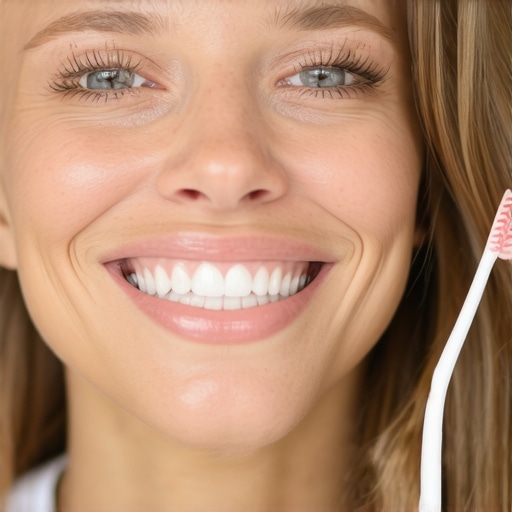
I remember the moment I first noticed my reflection and realized my teeth weren’t as bright as I wanted. I was diligently wearing my clear aligners, yet my smile seemed dull and stained. Frustration set in because, despite following the dentist’s instructions, I felt like I was battling a loses battle against plaque and discoloration. That lightbulb moment led me down a path of trial, error, and finally, effective routines that made a difference.
Why Keeping Your Teeth Clean Matters More Than Ever with Clear Aligners
When you wear clear aligners, maintaining good oral hygiene isn’t just about fresh breath; it directly impacts your treatment outcome and overall dental health. Unlike traditional braces, aligners are removable, which can tempt us to slack off on cleaning. But neglect can lead to cavities, staining, or even gum disease, which could derail your orthodontic progress. Plus, many don’t realize that poor oral hygiene during treatment can cause your aligners to stain or develop stubborn odors.
It wasn’t until I faced persistent staining that I understood how crucial it is to develop a tailored routine. According to a 2023 study published in the Journal of Dental Research, poor oral hygiene habits can increase the risk of decay and periodontal issues during orthodontic treatment. That’s a reality I experienced firsthand.
If you’ve started wearing aligners and wonder how to keep your teeth in pristine condition, you’re not alone. That’s precisely what I’ll help you transform today — turning cleaning frustration into a manageable, even satisfying, daily routine.
Is All the Effort Worth It Or Are Some Tricks Just Hype?
Early in my journey, I made the mistake of skipping my nightly brushing because I was tired or in a rush. It seemed minor at first, but over time, those missed nights added up, causing stains and minor discomforts. Trust me, neglecting your routine with aligners can have a ripple effect on your dental health.
If you’re skeptical — and I was too at first — I encourage you to consider whether your current routine truly works. As I learned, small adjustments can make a huge difference. For more tips on how to strengthen your smile daily, check out [this guide](https://periodontistcare.com/oral-health-routine-strengthening-your-smile-every-day) which emphasizes the importance of consistency.
Now, let’s dive into practical steps that will help you keep your teeth sparkling and your treatment on track — ones I wish I had known from the start.
Master Your Daily Cleaning Ritual
Start by rinsing your mouth with water to loosen any debris before you handle your aligners or brush. Then, take out your aligners carefully, holding them over a clean, dry towel to prevent accidental drops. Move to your toothbrush and use a soft-bristled brush, applying gentle pressure at a 45-degree angle to your gums, mimicking a sweeping motion that reaches beneath the gum line. Think of cleaning like brushing a delicate garden — aggressive scrubbing can damage the plants, so gentle strokes achieve the best results.
Prioritize cleaning your teeth thoroughly. Use fluoride toothpaste and a circular motion—almost like polishing jewelry—to remove plaque and surface stains. I recall once rushing through my brush, only to notice a stain linger afterward, signaling I missed a spot. That made me realize that patience pays off.
Pick the Right Tools for the Job
Invest in an electric toothbrush designed for orthodontic care. These brushes vibrate at high frequency, dislodging plaque more efficiently than manual brushes. For my treatment, I found that switching to an electric brush reduced residue buildup significantly. Pair that with interdental brushes or floss picks, especially designed for aligners, allowing you to clean between teeth where plaque hides. Think of floss as a mini bridge-cleaner—it slips into tight spaces where a toothbrush can’t reach, much like cleaning under a rug.
Clean Your Aligners Properly
Use a non-abrasive, antibacterial aligner cleaner or mild soap. Avoid hot water, which can warp the plastic—similar to how boiling can distort a plastic cup. Soak your aligners for at least 15 minutes, then gently brush off any remaining residue with a soft toothbrush. I once tried soaking my aligners in mouthwash, but the strong scent was overwhelming. Instead, regular soap kept them fresh without harsh chemicals. placeholder for image
Remember, cleanliness isn’t a one-time affair. Establish a routine: brush your teeth after every meal, rinse your aligners daily, and schedule weekly deep-cleaning sessions. This consistency prevents stains, odors, and bacterial buildup—saving your smile and treatment progress. It’s like maintaining a car engine: regular checkups keep everything running smoothly.
Keep Your Family Smiling Bright
If you have children or family members in treatment, teach them these steps with patience. Make cleaning fun by turning it into a game or challenge, reinforcing healthy habits early. For tips tailored to family routines and ensuring everyone gets proper care, explore family dentistry techniques. Teaching proper cleaning now sets the foundation for lifelong oral health, which benefits everyone in your household.
Many individuals believe that brushing twice a day and avoiding sugary snacks are enough to maintain optimal oral health, but the reality is more nuanced. A common myth is that flossing isn’t essential if you brush regularly; however, neglecting interdental cleaning can leave plaque trapped between teeth, increasing the risk of cavities and gum disease. In fact, recent studies suggest that over-relying on brushing alone may give a false sense of security, while the plaque between teeth remains untouched, leading to decay and periodontal issues. An advanced mistake many make is assuming that all mouthwashes are equally beneficial; yet, some contain alcohol and harsh chemicals that can irritate soft tissues or disrupt the natural oral microbiome. For personalized advice, consider exploring effective home practices.Maintaining a beautiful, healthy smile requires more than just routine brushing and flossing—it demands the right tools and consistent upkeep to ensure longevity. As someone deeply involved in family dentistry and cosmetic restoration, I recommend investing in high-quality, specialized equipment that makes a tangible difference. For instance, I personally swear by the Philips Sonicare DiamondClean Smart electric toothbrush because its adaptive cleaning modes and app integration help me track my brushing habits and identify areas needing extra attention. This kind of technology ensures thorough plaque removal, especially in hard-to-reach areas, which is crucial for preserving crowns and preventing decay. Regularly replacing your brush heads—ideally every three months—is vital, as worn bristles become less effective, compromising your long-term results. Using a water flosser, like the Waterpik Ultra, also dramatically improves interdental cleaning, especially for individuals with braces or implants, by removing plaque beneath the gum line more efficiently than floss alone. From my experience, pairing these tools with professional cleanings every six months maximizes the lifespan of dental restorations and prevents common issues like staining or gum recession. Looking ahead, I believe the integration of AI-driven dental devices will continue to evolve, providing personalized oral health maintenance plans that adapt to your unique needs. How can you sustain your oral hygiene over time? The key lies in routine, proper tool usage, and regular check-ins with your dentist. Don’t underestimate the power of innovative tools like ultrasonic scalers, which deliver deep cleaning while being gentle on your gums—an approach supported by recent research from the Journal of Clinical Periodontology. Incorporate these advanced devices into your routine, and you’ll notice a significant boost in your oral health. For example, schedule bi-annual professional cleanings and explore new home-care tech that suits your lifestyle. Ready to take your maintenance game to the next level? Start by trying an electric toothbrush with personalized app feedback—it’s a game changer for keeping your teeth and crowns in pristine condition. Remember, a proactive approach today preserves your smile’s brilliance tomorrow. For more insights on protecting your crowns and long-term results, visit this guide on crown maintenance or contact your dental professional for tailored advice.
Lessons That Changed My Approach to Maintaining Dental Health
- Realizing that consistency beats intensity in dental care made me rethink my nightly routine, leading to healthier teeth and fewer stains.
- Understanding that small, regular habits—like rinsing after meals—can significantly prolong the lifespan of crowns and aligners, saving time and money.
- Learning the importance of investing in quality tools, such as electric toothbrushes and water flossers, which have transformed my daily cleaning effectiveness and confidence.
My Top Picks for Smarter Teeth Maintenance Tools
- Philips Sonicare DiamondClean Smart Electric Toothbrush — Trusted for its adaptive modes, helping me reach every nook for optimal cleaning.
- Waterpik Ultra Water Flosser — Essential for thorough interdental cleaning, especially beneficial with orthodontic appliances.
- Gentle Aligner Cleaning Tablets — Non-abrasive cleansers that keep aligners fresh without damaging plastic.
Keep Smiling Bright and Strong
Taking control of your oral health isn’t just about hygiene—it’s about empowering yourself to preserve your smile’s beauty and functionality for years to come. Remember, a routine that incorporates quality tools and mindful habits will make all the difference. Your smile is worth the effort; start today, and witness the transformation both inside and out!
What’s the one habit you’re planning to change to improve your dental routine? Share below—I’d love to hear your goals!