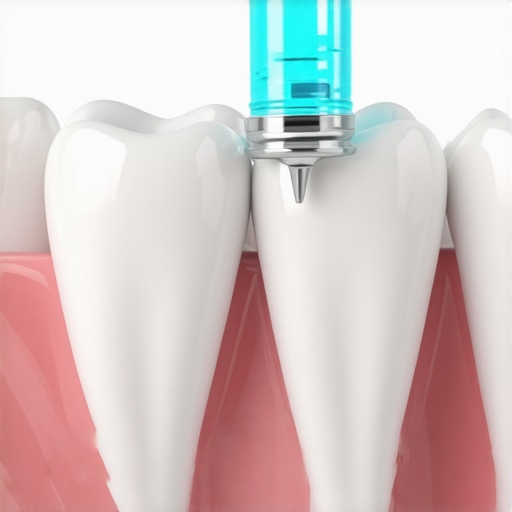
Ever since I first started practicing family dentistry, I’ve seen the lightbulb moments in my patients when they realize how much a simple treatment like sealants can protect their teeth—especially their molars with those pesky deep grooves. I remember one patient, a busy mom, who was frustrated over repeated cavity troubles despite diligent brushing. When I explained how sealants could provide a protective barrier over her deep grooves, her eyes lit up. It was like she finally found the missing piece to her oral health puzzle.
Protecting Those Hard-to-Clean Areas
The truth is, molars are the backbones of a healthy smile, but their deep grooves and fissures make them a nightmare to keep clean. Food particles and plaque love hiding in these tiny crevices—turning dental hygiene from routine to a constant battle. And here’s the thing: cavities in adult teeth are just as common as in kids, especially if your molars have deep grooves that are hard to reach with a toothbrush. That’s where sealants come into play, forming a protective shield that seals out bacteria and food debris, reducing the risk of decay.
Is Sealant Application Actually Worth the Hype?
Early in my career, I made the mistake of dismissing sealants as a treatment only for kids. Turns out, I was missing out on a powerful preventive tool for adults, particularly those with deep grooves. Recent studies support this approach—applauding sealants’ ability to cut down cavity formation dramatically. I’ve seen firsthand how sealing adult molars can save thousands in future dental work. That said, the decision to seal isn’t always straightforward, and there are important factors to consider. If you’ve been skeptical about whether sealants are simply a marketing hype or truly effective, let’s clear that up. Spoiler: they are. The real question is, how do you know if your molars could benefit from this simple, painless procedure?
Master Your Daily Oral Routine
Start with choosing the right toothbrush—electric models can remove more plaque than manual ones, especially around crowns or fixed appliances. Use a fluoride toothpaste, applying gentle circular motions on all surfaces, including hard-to-reach areas. Focus on brushing the gum line, palate, and tongue—these are key to removing bacteria that cause bad breath and decay. Remember, consistency is vital; brushing twice daily keeps your mouth protected and vibrant.
Learn Proper Technique for Microscopic Plaque Removal
Think of plaque as a tiny army hiding on your teeth; meticulous cleaning keeps them at bay. Use a soft-bristled brush, and replace it every 3-4 months. Angle your brush 45 degrees toward the gum line, making small, circular strokes. Pay close attention to molars’ deep grooves—they are hotspots for cavities—by angling the brush into these fissures. To access those tricky areas, consider interdental brushes or floss designed for tight spaces, which significantly reduce the risk of decay and gum disease.
Floss Correctly to Break Up Food Particles
Flossing might seem simple, but doing it correctly makes a big difference. Gently slide the floss between teeth, curving it into a C-shape around each tooth to lift plaque from below the gum line. Use a clean section for each tooth to avoid transferring bacteria. This step dislodges debris that brushing can’t reach—think of floss as a mini jet sprayer for your gums.
Incorporate Mouthwash for Extra Defense
Use an alcohol-free antimicrobial mouth rinse after brushing and flossing to reach areas your brush can’t. Swish for 30 seconds, making sure the liquid contacts all surfaces—this provides a chemical barrier against bacteria. Mouthwash also helps neutralize acids, protecting enamel, and freshen breath. Consistent use amplifies the benefits of your cleaning routine, serving as a shield for your oral health.
Schedule Professional Cleanings and Sealant Checks
Even with diligent home care, professional cleanings are essential. They remove tartar buildup, which cannot be eliminated with brushing alone. During visits, your dentist can evaluate the deep grooves on your molars to determine if sealants are needed—these act like raincoats, preventing bacteria from settling into fissures. Regular checkups also allow prompt detection of early cavities and issues with existing restorations, including crowns and fillings.
Use Visual Aids to Guide Your Technique
Looking in the mirror while brushing helps ensure no area is overlooked. Position yourself at a comfortable angle, utilize a mirror to check that all sections of your mouth receive adequate attention, especially the back molars. This practice mimics a professional exam, enabling you to spot areas needing more focus, ultimately reducing plaque accumulation and cavity formation.
Practice Consistent, Gentle Cleaning to Protect Dental Restorations
When caring for crowns, bridges, or implants, avoid abrasive brushing that could damage these restorations. Use soft brushes and gentle strokes—think of polishing a delicate object rather than scrubbing a stubborn stain. Regular cleaning prolongs the life of your restorations, maintains their aesthetic appeal, and prevents secondary decay beneath or around them. For detailed guidance, visit these essential tips for crowns.
Many people assume that regular brushing and flossing are enough to maintain optimal oral health, but the reality is far more nuanced. One widespread myth is that deep cleaning procedures like scaling are solely for people with severe gum disease. In fact, even those with healthy gums can benefit from professional cleanings to prevent future problems. Another misconception involves crowns; some believe that once a crown is placed, it requires no further maintenance other than brushing. However, neglecting proper care can lead to microleakage and secondary decay, emphasizing the importance of diligent oral hygiene around restorations. Advanced mistakes also include overlooking the significance of bite alignment and occlusion, which can affect how well your teeth respond to cleaning efforts and contribute to uneven wear or decay in hard-to-reach spots.
What strategies can truly improve long-term crown longevity and prevent hidden decay?
Studies show that maintaining a meticulous oral health routine, including proper brushing techniques with an electric toothbrush and regular professional checkups, significantly enhances the lifespan of restorations like crowns. For comprehensive guidance, visit this resource on crown care. Remember, many don’t realize that even seemingly minor oversights—such as not replacing worn-out toothbrushes or ignoring signs of gum recession—can accelerate deterioration. **In my experience, understanding the intricate relationship between dental restorations and natural tissue health is key.** If you’re curious about how advanced techniques or specific habits impact your oral health, consulting with a family dentistry specialist can reveal personalized strategies.
The world of oral health isn’t just about superficial cleaning; it involves understanding subtle signs, correcting misconceptions, and adopting advanced practices to prevent costly issues down the line. So, have you ever fallen into this trap? Let me know in the comments.
Invest in Quality Instruments for Daily Maintenance
Having the right tools makes all the difference in maintaining oral health over time. I personally swear by the Sonicare DiamondClean electric toothbrush because of its superior plaque removal and gentle brushing action, which is crucial when caring for crowns and restorations. The oscillating-rotating brush head effectively reaches into hard-to-clean areas, reducing the risk of decay under crowns and around appliances. Additionally, I recommend using interdental brushes like TePe or GUM Stellar, which can access tight spaces where floss might struggle, particularly around fixed restorations, aligning with expert advice.
Employ Specialized Cleaning Techniques
Beyond tools, mastering technique ensures longevity of dental work. I suggest incorporating a modified Bass brushing technique—placing the brush at a 45-degree angle to the gum line and using gentle, circular motions. For crowns and implants, gentle polishing with a power scaler attachment at low speed prevents micro-scratches that can harbor plaque. For plaque dislodging, consider the Waterpik Sonic-Fusion, which combines ultrasonic cleaning with water flosser functions, making it easier to clean around implants and crowns and significantly reducing plaque buildup as supported by research from the NIH.
Schedule and Track Your Maintenance Routine
Consistent professional checkups are non-negotiable. I recommend scheduling semi-annual cleanings and yearly evaluations of existing restorations to catch issues early. Using digital appointment reminders and tracking your oral health progress through apps like MyDentalCare ensures you stay proactive. During visits, have your dentist assess the integrity of crowns and note any signs of micro-leakage or wear, which can compromise long-term results. Regular maintenance not only preserves restorations but also gives you peace of mind for continued oral wellness, as highlighted in this guide.
Future Trends in Dental Tools and Practices
Looking ahead, advances like 3D imaging and AI-driven diagnostics will streamline maintenance protocols and enable more personalized care plans, potentially reducing the frequency of complex interventions. Portable, high-precision ultrasonic devices may become standard for at-home use, empowering patients to take control of their cleaning routine without risking damage. Staying informed about these innovations ensures you’re always ahead in preserving your dentistry investments, and I encourage trying out the latest in water flosser technology to see immediate improvements in oral health.
How do I maintain my dental restorations over time?
Consistent, gentle cleaning with specialized tools, regular professional checkups, and staying updated on emerging technologies are key strategies to extend the lifespan of crowns and prevent secondary decay. For detailed guidance tailored to your oral health, visiting this resource can help you craft a personalized plan. Remember, small but deliberate efforts today can save you significant hassle and expense down the line.
If you haven’t already, I suggest trying out an ultrasonic water flosser like the Waterpik Sonic-Fusion, which integrates multiple cleaning functions into one device. It’s a game-changer for maintaining hard-to-reach areas, especially around crowns and fixed bridges, and can significantly reduce plaque accumulation. Think of it as adding an extra layer of defense to your routine—a small investment that pays off in long-term oral health.
Lessons That Changed My Approach to Oral Care
One profound insight I learned early on is that patience and consistency outweigh quick fixes. A patient once told me she tried every new whitening trend but saw better results from simply adhering to a disciplined oral hygiene routine, including regular checkups. Recognizing that every mouth has unique needs—especially when crowns are involved—transformed my treatment approach. It taught me that personalized strategies, rooted in understanding your specific dental situation, lead to long-term success.
Another lesson was that overlooked details often cause the biggest problems. Small habits like using abrasive brushes or neglecting flossing around crowns can accelerate decay. Paying close attention to these nuances has helped many patients avoid costly repairs, emphasizing how minor adjustments can yield major benefits for your smile.
Finally, I realized that embracing new technology isn’t just about fancy gadgets; it’s about empowering you. Tools like at-home ultrasonic water flossers and AI-driven diagnostics provide more targeted care. Sharing these innovations with my patients has led to more proactive, effective dental health routines outside the office.
My Go-To List for Dental Success
- SmartSmile Electric Toothbrush: Its gentle oscillating brush head effectively removes plaque without damaging restorations, a favorite for patients with crowns. I trust it because it encourages gentle yet thorough cleaning.
- interdental brushes like GUM Stellar: Small but mighty, these are perfect for accessing tight spaces around crowns and bridges, reducing plaque buildup where flossing might miss.
- Waterpik Sonic-Fusion: Combining water flossing with sonic brushing, this device simplifies maintaining hard-to-reach areas, especially around veneers and implants. Its evidence-based effectiveness makes it a staple in my recommendations.
- Oral Health App (MyDentalCare): Tracking your routine keeps you accountable. I use it to remind patients about scheduling checkups and to monitor their maintenance progress, making long-term care manageable.
Let Your Smile Lead the Way
The journey to a lasting, vibrant smile is ongoing—and it’s fueled by informed choices and dedicated habits. Remember, the small, consistent acts of care today—like choosing the right tools and staying proactive—are the foundation for a confident future. Embark on your personalized oral health adventure, and don’t hesitate to reach out for expert guidance. Your best smile awaits! Ready to take the next step? Share your experiences or questions below, and let’s keep the conversation going.