
I remember the moment it hit me—standing in front of the mirror, noticing that my once youthful smile was starting to look a bit different. Suddenly, my teeth appeared longer, and I felt a pang of concern. Was I losing my grip on my own appearance? It was a lightbulb moment that led me down the path of understanding one of the most common—and often overlooked—issues in oral health: the apparent elongation of teeth as we age. If you’ve ever felt self-conscious about your smile or wondered why your teeth seem to be shrinking back into your gums over time, you’re not alone. Many folks experience this subtle transformation, but what’s really happening, and more importantly, how can you stop it? Today, I want to share what I’ve learned from personal experience and expert advice to help you maintain a youthful, confident smile for years to come.
The Real Reason Teeth Seem to Get Longer Over Time
Is this Change I see actually a sign of aging? Or something scarier?
One thing I initially misunderstood was that the teeth themselves somehow lengthen. The truth is, what’s really happening is gum recession. As we get older, our gums can gradually pull away from the teeth, exposing more of the tooth roots. This makes the teeth look longer and can even cause sensitivity. Early on, I made the mistake of ignoring minor gum recession, thinking it was just a normal part of aging. Big mistake. Ignoring gum health can lead to more serious issues down the line, including tooth loss. According to the American Academy of Periodontology, gum recession affects nearly 50% of adults over 30, and the problem tends to worsen without proper care. But here’s the good news: with some simple changes, you can halt or even reverse this process, preserving your smile’s youthfulness. If this sounds familiar, keep reading—I’ll walk you through practical steps you can start today to prevent your teeth from looking longer and to protect your overall oral health.
Establish a Daily Oral Hygiene Routine
Brush Properly and Consistently
Start with gentle brushing twice a day using a soft-bristled toothbrush. Use circular motions rather than harsh back-and-forth strokes to avoid damaging your gums. Incorporate a fluoride toothpaste to strengthen enamel. I remember the first time I consciously slowed down my brushing, noticing less gum irritation after a week—small change, big impact.
Floss Correctly and Regularly
Floss at least once a day, sliding gently between teeth to remove plaque buildup that toothbrushes can’t reach. Proper flossing can prevent bacteria from irritating gums and causing recession. When I flossed more thoroughly during my routine, I experienced less bleeding and healthier gums within days.
Adopt Smart Lifestyle Habits
Limit Sugar and Acidic Food Intake
Sugary and acidic foods promote plaque formation and erode enamel, weakening gum tissue. Reducing these helps preserve gum health. I cut back on soda and candy, replacing them with crunchy vegetables—my gums appreciated the switch. This simple step can make a noticeable difference over time.
Quit Tobacco Products
Smoking and smokeless tobacco impair blood flow to gums, increasing recession risk. Quitting improves circulation and aids healing. I personally found quitting challenging but rewarding, noticing healthier gums and a brighter smile after a few months. Consider seeking support if needed; it’s worth it.
Schedule Regular Dental Check-ups and Cleanings
Visit Your Dentist Twice a Year
Routine professional cleanings remove plaque and tartar that home care misses, preventing gum disease that causes recession. During visits, your dentist can detect early signs of gum issues. I scheduled my biannual cleanings without fail and caught minor recession early, saving me from more serious problems later.
Seek Professional Advice for Recession Early
If you notice your gums pulling away or teeth appearing longer, consult a dental professional promptly. Early intervention can include deep cleaning procedures, applying special treatments, or recommending customized care plans. My proactive approach allowed me to halt progression before more invasive procedures became necessary.
Consider Advanced Treatments When Needed
Gum Grafts and Other Procedures
In cases of significant recession, treatments like gum grafts can rebuild lost tissue. These procedures help restore a natural gum line and protect teeth from sensitivity and decay. I learned from my dentist that modern techniques make healing faster and results more natural-looking. Discuss this with your dentist if recession persists despite proper home care and lifestyle changes.
Stay Consistent and Informed
Maintaining gum health is an ongoing process that requires dedication. Regularly read reputable sources like oral health tips to stay updated on best practices. Practical knowledge combined with diligent care will keep your smile youthful longer.
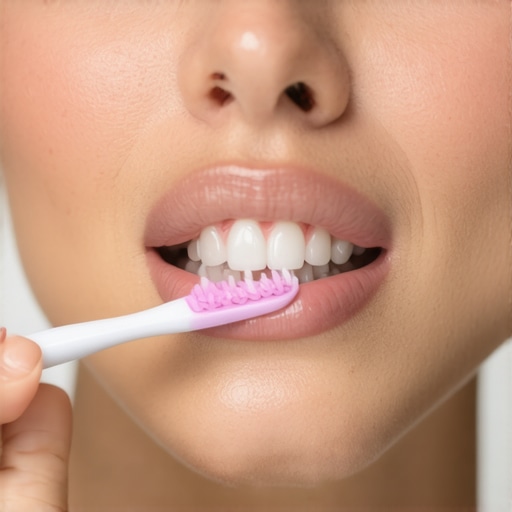
Many people hold firm beliefs about maintaining oral health, but some of these widely accepted ideas can actually be misleading or oversimplified. As a dental professional with years of experience, I’ve seen firsthand how misconceptions can lead to neglect of crucial practices or even cause harm. One of the most persistent myths is that strong teeth mean you’re doing everything right — but in reality, even healthy-looking teeth can hide underlying issues like early decay or gum disease. Conversely, some assume that whitening or cosmetic procedures alone can solve oral health problems, neglecting the importance of daily care and proper hygiene.
What Advanced Attention to Detail Reveals About Oral Care
For instance, many believe that brushing vigorously is the best way to keep teeth clean. However, aggressive brushing can damage gum tissue and enamel, accelerating recession and sensitivity. Instead, I advocate for gentle, effective techniques that protect delicate tissues, as emphasized in daily oral health routines. Additionally, there’s a common trap regarding professional cleanings: some think that once a year suffices. But evidence suggests that biannual cleanings, coupled with meticulous at-home care, are necessary to prevent plaque buildup and gum disease, which are silent threats.
Another nuance often overlooked is the role of family dentistry. Regular visits aren’t just about maintaining individual teeth but catching early signs of systemic health issues originating from oral infections. This interconnectedness is supported by research published in the Journal of Clinical Periodontology, highlighting the link between periodontal health and cardiovascular disease, reminding us that comprehensive care is vital.
Now, let’s address the sophisticated question that often puzzles even advanced patients: How does the success of crowns depend on proper placement and ongoing care? Proper crown placement isn’t just about aesthetics; it involves precise fitting to prevent gaps where bacteria can thrive, which could cause decay and encroach on the roots. Studies underscore the importance of proper crown-fitting techniques for longevity. Moreover, crowns require maintenance like any natural tooth—avoiding sticky foods, practicing impeccable oral hygiene, and scheduling regular check-ups. Neglecting these details can lead to failure within a few years, despite initial flawless appearance.
Finally, attention to thorough teeth cleaning goes beyond the superficial. Many assume that brushing and flossing alone are sufficient, yet professional cleanings eliminate tartar and address hidden plaque. Regularly engaging with reputable sources, such as advanced cleaning tips, enhances long-term health. Remember, the goal isn’t just a bright smile but an enduring foundation of health that supports your overall well-being.
Have you ever fallen into this trap of misconceptions? Let me know in the comments and share your experiences. Stay informed, stay proactive, and keep your smile healthy for years to come.
How Do I Keep My Dental Routine Effective Over Time?
Maintaining your oral health isn’t just about daily brushing and flossing; it involves selecting the right tools that fit your needs and ensuring they stay effective. I personally swear by using a sonic toothbrush because its high-frequency vibrations provide superior plaque removal, especially around crowns and bridges. I opted for models with built-in timers and pressure sensors—like the Oral-B Genius X—to prevent over-brushing and gum damage. These features help me maintain proper technique and ensure consistency, which is crucial for long-term results. Additionally, I recommend incorporating a water flosser, such as the Waterpik Ultra, which easily targets hard-to-reach areas and helps prevent gum recession. Regular replacement of toothbrush heads—every three months—is essential to avoid bacterial buildup and maintain optimal cleaning effectiveness. To stay on top of your game, consider investing in an at-home whitening kit that uses LED technology, like the AuraGlow, to keep your smile bright between professional visits. As technology evolves, expect more intelligent devices that monitor your brushing patterns and provide personalized alerts, further enhancing your oral care routine.
Why Choosing the Right Software Can Impact Your Dental Care
While tools are physical, digital solutions play a growing role. I utilize apps like my dental care tracker to log daily habits, set reminders for tool replacements, and schedule regular check-ups. These apps sync with your dentist’s system, allowing for personalized advice and early detection of issues. In the future, AI-powered software will predict potential problems based on your habits, guiding you to preventative actions before issues become severe.
Tools for the Long Haul and Keeping Results Consistent
Adopting maintenance tools like a tongue scraper (I prefer the metal tongue cleaner by Dr. Tung’s) can complement brushing and flossing by removing bacteria that cause bad breath and gum problems. For professional-grade cleaning, periodic visits for scaling and polishing ensure that plaque build-up doesn’t undermine your efforts at home. Remember, consistent use of these tools correlates directly with healthier gums, fewer cavities, and a confident smile. Don’t neglect the importance of keeping equipment clean—rinsing your toothbrush and flosser after each use and storing them in an upright, ventilated position prevents bacterial growth. To maximize longevity, follow your dentist’s recommendations meticulously and stay updated with new advancements in oral care technology.
Looking Ahead
The future of dental maintenance points toward smarter, integrated systems that monitor your oral health in real-time and provide instant feedback. Wearable devices might soon alert you to early signs of gum disease or decay, allowing preemptive care. Staying ahead means embracing these innovations and continuing to refine your routine.
If you haven’t already, I encourage you to try incorporating a high-tech sonic toothbrush into your daily routine and see how it elevates your care. Remember, proactive maintenance tools and strategies are your allies in preserving a beautiful, healthy smile for years to come. Regular check-ups and staying informed through reliable sources are the pillars of long-term success.
For personalized advice, don’t hesitate to reach out to my practice. Consistent, smart care today paves the way for vibrant oral health tomorrow.
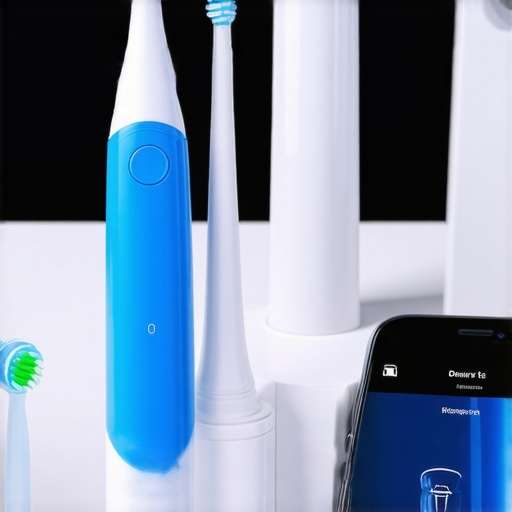
Visualize your ideal maintenance setup with a sleek sonic toothbrush, water flosser, and digital app—tools that make long-term oral health both manageable and effective.
Lessons from My Dental Journey That Changed Everything
One of the most eye-opening insights I’ve gained is that persistent myths—like brushing harder to keep cavities at bay—can actually cause harm. I once believed that aggressive brushing would strengthen my teeth, but it led to gum recession and sensitivity. A lightbulb moment for me was realizing that gentle, thorough cleaning is more effective and safer for long-term health. Another lesson was understanding that professional cleanings aren’t just about appearance—they are crucial in preventing the silent progression of gum disease. Personally, scheduling regular visits and being proactive about early signs of recession has saved me from more invasive procedures. Lastly, I learned that staying informed with reputable resources, like oral health tips, empowers you to make decisions that truly protect your smile over the decades.
Tools and Resources That Elevated My Oral Care Game
Over time, I found that adopting high-quality tools dramatically improved my routine. A sonic toothbrush, such as the Oral-B Genius X, offers superior plaque removal without damaging gums. Incorporating a water flosser, like the Waterpik Ultra, has helped me reach tricky spots and reduce gum irritation. I also started using a tongue scraper for a fresher mouth and fresher breath—small change, big confidence boost. To stay consistent, I rely on apps like my dental care tracker, which remind me of tool replacements and upcoming check-ups. These resources keep me aligned with best practices, ensuring my smile stays youthful and healthy.
Your Smile’s Future Is a Choice—Make It Bright and Healthy
Remember, maintaining that youthful smile and healthy gums isn’t a one-time effort but a lifestyle. Embrace proactive habits, use the right tools, and seek expert guidance when needed. The path to lifelong oral health is within your control, and every small step adds up to a big difference. Don’t wait for problems to appear—start today to protect and enhance your smile with confidence.
What’s the one change you’re excited to try first in your oral health routine? Share below and let’s support each other toward healthier, happier smiles!