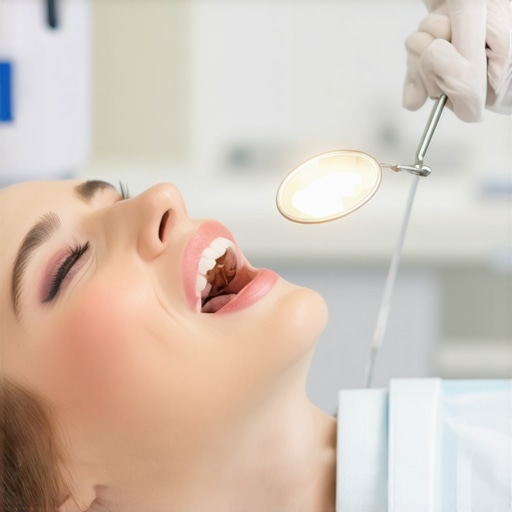
I remember the moment clearly—sitting in the dental chair, teeth polished, and suddenly my dentist tugged at my tongue with a curious glance. It felt peculiar, almost invasive. At the time, I didn’t realize that this quick check was actually a vital part of my overall health assessment. That lightbulb moment made me question: why do dentists focus on my tongue and throat every time I come in for a cleaning? And more importantly, what am I missing by not paying attention?
The Hidden Secrets Behind That Quick Tongue and Throat Check
Most people, myself included initially, thought these checks were just routine protocol—some kind of dental courtesy to keep the appointment moving. But in reality, your dentist is looking for clues that could indicate underlying health issues, far beyond cavities or gum disease. The tongue and throat can reveal early symptoms of infections, nutritional deficiencies, or even serious conditions like oral cancers. It’s easy to overlook small signs in our own mouths, especially if we’re focused solely on brushing and flossing, but these examinations can catch problems long before they become painful or dangerous.
In fact, studies show that regular oral examinations by trained professionals can significantly increase early detection of oral cancers, which has a high survival rate when caught early (source: [American Cancer Society](https://www.cancer.org)). This emphasizes why those quick scans are more than a courtesy—they’re a crucial health safeguard.
Have you ever wondered if those routine checks actually make a difference—or if they’re just another step in the dental visit? I used to dismiss them as unnecessary, but after witnessing friends face late-stage diagnoses that could have been prevented, I realized I’d been underestimating their importance.
But here’s where things get more interesting—and where many of us might make a mistake. Early on, I believed that brushing alone sufficed for oral health, neglecting the bigger picture that includes these vital examinations. Failing to appreciate their significance can lead to missing early signs of major health concerns. Curious to learn what other essential steps you might be overlooking in your routine? Keep reading, because understanding these aspects can truly transform how you care for your smile—and your health overall.
Start with a Proper Brushing Technique
Use a soft-bristled toothbrush and hold it at a 45-degree angle to your gums. Gently move the brush in circular motions, covering all tooth surfaces. For instance, I once took the time to watch a tutorial and practiced in front of the mirror, which dramatically improved my cleaning efficiency and prevented gum discomfort.
Incorporate Flossing into Your Routine
Slide floss gently between teeth, curving around each tooth to clean below the gumline. Be thorough but gentle—forcing floss can damage gums. I once struggled initially, but after watching a quick flossing tutorial, I noticed less bleeding and fresher breath within a week.
Use Mouthwash Wisely
Choose an antimicrobial mouthwash to reduce plaque bacteria. Swish for 30 seconds, ensuring coverage around all teeth. I once skipped this step, leading to a lingering bad taste, but now I see its role in maintaining overall freshness and preventing caries.
Maintain a Healthy Diet for Teeth Fortification
Avoid sugary snacks and drinks; instead, opt for crunchy vegetables, cheese, and nuts. These help clean teeth naturally and supply minerals. I experimented by replacing soda with water and added apple slices as snacks, which enhanced my enamel strength over time.
Schedule Regular Professional Cleanings
Visit your dentist at least twice a year for professional cleanings and checkups. During one visit, I requested a detailed examination, which uncovered early signs of gum inflammation, allowing me to act before problems worsened. Regular checkups are like a tune-up for your oral health, preventing costly issues later.
Caring for Crowns and Restorations
If you have crowns, consistent cleaning is vital. Use non-abrasive brushes and avoid sticky or hard foods that could dislodge or damage them. I learned this firsthand when a sticky toffee pudding caused minor crown chipping, emphasizing the importance of careful eating habits. Proper care extends their lifespan, as detailed in caring for crowns.
Utilize Effective Home Practices for Family Dental Health
Encourage children to brush thoroughly and make it fun. Use age-appropriate tools and supervise their technique. Implementing these steps in my household improved my kids’ oral hygiene and reduced cavity risks, demonstrating that consistent routines make a difference.
Recognize Early Signs of Oral Issues
Be alert to symptoms like bleeding, persistent bad breath, or sensitivity. Addressing these early can save discomfort and dollars. I once ignored mild sensitivity, which escalated into a cavity—prompt care early on could have prevented that.
While many assume that getting a dental crown is a straightforward solution for damaged teeth, there are nuanced considerations that many overlook. One prevalent misconception is that crowns are maintenance-free and will last forever without special care. In reality, improper oral hygiene around crowns can lead to microleakage, decay underneath the restoration, or even crown failure. For detailed tips on maintaining your crowns and ensuring their longevity, visit caring for crowns. Furthermore, many believe that once a crown feels perfectly fine, it doesn’t need re-evaluation. However, gradual wear, microfractures, or underlying decay may not be evident to the patient, which is why regular checkups are essential—think of them as a tune-up for your dental health, not just a quick cleaning. Advanced practitioners understand the importance of evaluating the fit and integrity of crowns periodically to prevent silent failures. An often-ignored aspect is how improper bonding procedures or using subpar materials can compromise crown durability and aesthetics over time. A common mistake is choosing the cheapest option without understanding the implications, leading to early replacement and higher costs in the long run. If you’re considering a crown or already have one, it’s crucial to understand that a crown’s success depends on meticulous placement, lifelong maintenance, and regular dental assessments—especially since, as highlighted by expert advice, even the best crowns can deteriorate without proper care. Another subtle nuance is the role of family dentistry in preventive maintenance. Many forget that a holistic approach involving tailored home routines, early detection of issues, and patient education significantly reduces the risk of unforeseen problems, preserving your smile’s health and functionality. Oral health isn’t just about treating problems—it’s proactively preventing them, which is especially vital when it involves restorative work like crowns. Moreover, advanced mistakes include neglecting to inform patients about the impact of lifestyle habits such as grinding or clenching, which can accelerate wear. As research indicates, night guards and behavioral modifications can extend the lifespan of crowns and improve overall oral health, as discussed at regular cleaning. Finally, many underestimate how interconnected their overall health is with oral health. Poor gum health, even with crowns, can lead to systemic issues such as cardiovascular disease, emphasizing the need for comprehensive family dentistry practices. Remember, your smile’s integrity depends on both expert procedures and diligent self-care. Have you ever fallen into this trap? Let me know in the comments!Maintaining your dental crown and overall oral health requires more than just good brushing habits; it demands the right tools and methods to ensure longevity and functionality. Personally, I swear by the use of an electric toothbrush with oscillating-rotating technology, like the Philips Sonicare ProtectiveClean, which offers superior plaque removal compared to manual brushes. Its timer feature ensures I don’t miss spots, especially around crowns and restorations, reducing the risk of plaque accumulation underneath or around the edges. Additionally, I incorporate interdental cleaning with a water flosser, such as the Waterpik Aquarius, which is gentle yet effective in reaching tight spaces between teeth and along gumlines, crucial for crown longevity.
How do I maintain my crowns and oral health over time?
Regular use of disclosing tablets helps me visualize areas I might miss during brushing, promoting a more thorough clean. I also schedule biannual dental checkups, during which my dentist evaluates the integrity of my crowns and assesses for any early signs of microleakage or decay underneath. For those with crowns, I recommend using a non-abrasive, fluoride-containing toothpaste—ProNamel, for example—that strengthens enamel without damaging delicate restorations. This comprehensive approach combines advanced tools and consistent routines, paving the way for long-term success.
Looking ahead, the trend is moving towards smart oral health devices that sync with smartphone apps, guiding users towards better technique and providing reminders for maintenance tasks. These innovations could revolutionize our ability to keep dental restorations in pristine condition, making daily care more personalized and effective. For now, I suggest trying out a water flosser if you haven’t yet—it’s a game-changer for maintaining crown hygiene and preventing gum disease. Remember, even the best tools require proper technique; check out this guide on caring for crowns to get started.
The Hardest Lesson I Learned About Crowns and Family Dental Care
Early in my dental journey, I believed that getting a crown was a quick fix, and once placed, I could forget about it. But I soon realized that overlooking proper maintenance and routine checkups could jeopardize the longevity of my smile—and my health. The lightbulb moment came when an experienced dentist explained how microleakage beneath a crown can be virtually invisible yet cause irreversible decay. This taught me that every aspect of family dentistry, from choosing the right materials to diligent home care, plays a crucial role in preserving oral health.
3 Myths About Crowns That Held Me Back
- Myth: Crowns are maintenance-free.
Reality: They require consistent care, good hygiene, and regular checkups to prevent complications like decay or crown failure. - Myth: Once a crown feels fine, it doesn’t need attention.
Reality: Silent issues like microfractures can develop, making scheduled evaluations essential. - Myth: All crowns last forever.
Reality: Materials matter, and wear and tear are inevitable without proper maintenance.
What Experts Won’t Tell You About Long-Term Crown Success
Professionals emphasize that meticulous placement, material choice, and patient education are vital for lasting restorations. For deep insights, I recommend reviewing this expert advice. It helped me understand the nuanced responsibilities involved in family dentistry, empowering me to take better care of my crowns and overall oral health.
Where to Go from Here
If you’re exploring crowns or want to improve your family’s dental routines, start by adopting the habits discussed in this article. Regular professional cleanings, personalized home care routines, and ongoing education can make a real difference. Visit this resource for tips on caring for crowns to ensure your smile stays healthy and confident for years to come.
Your Turn to Shine Bright
The journey toward optimal oral health and beautiful crowns begins with informed choices and consistent routines. Remember, your smile is a reflection of your overall well-being, and family dentistry is about safeguarding that for a lifetime. Don’t wait for problems to manifest—take action today and embrace the knowledge that keeps your smile radiant.
What’s been your biggest challenge in maintaining crowns or family dental routines? Share your experience below, and let’s learn together!
.