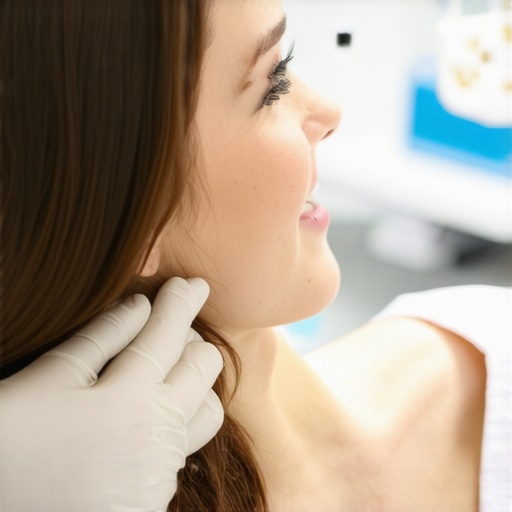
I clearly remember the day I first noticed something was off after a routine dental visit. Sitting anxiously in the chair, I felt a strange tenderness near my neck, yet I hadn’t experienced any pain or noticeable swelling. It sounds minor, but that moment sparked a deeper curiosity in me about what my dentist was really looking for when they palpated my neck and jaw. Turns out, those seemingly simple checks are far more important than most of us realize.
The Hidden Importance of Lymph Node Checks in Dental Visits
As a fellow dental enthusiast and someone deeply invested in oral health, I’ve come to understand that examining your lymph nodes isn’t just a routine formality; it’s a crucial part of early health detection. These small, bean-shaped glands are gateways to your immune system, and their swelling or tenderness can be early signs of infections or more serious conditions like cancers. During our regular checkups, we palpate these nodes because they can reveal underlying issues long before symptoms become obvious.
What I’ve learned from personal experience—and from many hours of research—is that early detection can make all the difference. A swelling that might seem insignificant now could be an early warning sign of something more serious down the line. For instance, studies show that detecting persistent lymphadenopathy at an early stage can significantly improve outcomes for head and neck cancers, which often hide behind the scenes until they’re advanced (American Cancer Society).
If you’re like I used to be—assuming that your dental checkup was just about clean teeth and fresh breath—you might be surprised to discover how vital those gentle neck massages actually are. And the best part? It’s a comfortable exam that can save your life by catching issues early.
Is Checking Your Lymph Nodes During Dental Exams Really Necessary?
Early in my practice, I made the mistake of dismissing this step as optional. I thought, “My mouth looks fine, so why bother?” That was a rookie move. Overlooking this simple check might mean missing silent signs of trouble—signs that could have been caught with a quick palpation. Since learning the importance firsthand, I now encourage everyone to understand that these checks are your first line of defense.
Curious if this sounds familiar? Have you ever wondered why your dentist asks you to turn your head just so or gently presses along your neck and jaw? It’s not just for making you comfortable—it’s potentially life-saving. For more insights into how regular dental visits contribute to your overall well-being, check out [this detailed post on the impact of regular teeth cleaning](https://periodontistcare.com/the-impact-of-regular-teeth-cleaning-on-overall-oral-wellness).
Staying proactive with your oral health isn’t just about avoiding cavities; it’s about safeguarding your entire health landscape. Next, let’s dive into what you can expect during those lymph node checks and how they fit into your overall care plan.
Start with Preparation and Positioning
Before your dentist begins, ensure you’re comfortable and relaxed. Sit upright or lean back slightly, allowing access to your neck and jaw. Think of it like preparing your workspace before a task — organization and comfort set the stage for a thorough exam.
Identify Key Areas for Palpation
Focus on the lymph nodes located along your jawline, under your ears, and at the sides of your neck. Use your fingers to gently press along these areas. Imagine mapping out a treasure hunt — pinpointing specific spots that could hold vital clues about your health.
Use Proper Technique for Palpation
Employ gentle, circular pressure with your fingertips — not too hard to cause discomfort, but firm enough to feel any swelling or tenderness. Picture it like tuning a musical instrument — subtle adjustments reveal hidden issues.
Assess Each Lymph Node Carefully
Check for enlargement, tenderness, or firmness. Typically, healthy lymph nodes are soft, small, and non-painful. If you notice swelling or discomfort, note the location and describe it to your dentist. It’s similar to inspecting a garden for signs of pests — early detection can prevent bigger problems.
Recognize Normal Versus Abnormal Findings
Understanding what’s normal helps you identify potential concerns. For instance, during my last check, I found a tender node near my jawline. It was a bit swollen but painless. I immediately noted it and discussed it with my dentist, which led to early investigation and peace of mind. Remember, persistent swelling or tenderness warrants professional attention.
Incorporate Routine Checks into Your Oral Care
Make lymph node checks a regular part of your dental visits. Think of it as a health power-up — simple, quick, and invaluable for early diagnosis. Complement this practice by maintaining good oral hygiene, like regular brushing and flossing, which can prevent infections that cause lymph node swelling.
Consult Professionals When in Doubt
If you detect abnormalities, don’t delay seeking professional advice. Your dentist or healthcare provider has the expertise to evaluate your findings thoroughly. Consider this step as calling in the experts when your DIY inspection uncovers a potential issue — better safe than sorry.
Additional Tips for Effective Self-Checks
Timing matters; perform checks when you’re relaxed and at ease. Use clean fingers and good lighting. Keep a record of any changes over time to share with your dentist. Remember, this small routine can be a lifesaver, catching issues early before symptoms appear or escalate.
By integrating these steps into your dental visits, you’re taking proactive control of your health. Think of it as customizing your own health dashboard — a simple act with potentially lifesaving results. For more insights into comprehensive oral health routines, visit this guide.
Many patients believe that once a dental crown is placed, their oral health maintenance becomes optional, but in reality, misconceptions like this can lead to long-term issues. For example, some think crowns are invincible and never require special care, yet neglecting proper maintenance can result in premature wear or even failure of the restoration. It’s essential to understand that crowns demand the same diligence as natural teeth, including regular cleaning and checkups, which can be further discussed in detail on this resource.
Another widespread myth is that crowns eliminate the risk of future decay. However, the margin where the crown meets the tooth remains vulnerable if not properly cared for, potentially leading to decay beneath the crown over time. This highlights the importance of routine professional cleanings and good oral hygiene practices.
A common mistake among patients is excessive focus on cosmetic appearance rather than functional longevity. While aesthetics matter, neglecting underlying issues such as bite alignment or gum health can compromise the crown’s longevity. Consulting with experts who understand the nuances of crown placement and maintenance, as outlined here can make a difference.
From an advanced perspective, strategic planning in crown design and placement can significantly impact its success. For instance, understanding the types of crowns—porcelain, zirconia, or ceramic—and their respective strengths helps avoid common pitfalls. An overly aggressive or poorly fitted crown can cause misalignment or damage adjacent teeth, leading to costly repairs.
What most people get wrong is the belief that crowns are merely covering a damaged tooth. Instead, they are part of a comprehensive oral health strategy that requires ongoing care. Ignoring this can lead to complications like gum recession or even implant failure. Being proactive by engaging in regular checkups and proper maintenance routines will extend the life of your crowns, as supported by research from the National Institutes of Health.
Have you ever fallen into this trap? Let me know in the comments. Remember, understanding the deep nuances of crown care is vital for preserving your natural-looking smile and overall oral health.Maintaining your dental crowns and overall oral health requires more than regular brushing; it involves the right tools and established routines that ensure longevity and optimal function. One essential device I swear by is the interdental brush with fine nylon bristles, such as the TePe Supreme, which allows for precise cleaning around crown margins and under bridges, areas that floss often misses. I personally include these brushes in my daily oral hygiene routine because they reach tight spots without damaging the restoration or gum tissue.
A second tool I recommend is a high-quality electric toothbrush equipped with a timer and pressure sensor—like the Oral-B Genius series. The gentle oscillation combined with real-time pressure alerts prevents excessive force that can loosen crowns or damage enamel, ensuring a thorough yet gentle clean. I’ve found that utilizing such technology helps me maintain consistent brushing habits, especially around restorations, which are more vulnerable to plaque buildup.
Beyond tools, adopting strong methods is key. Regular use of a fluoride rinse, such as Prevident 5000, strengthens the enamel at crown margins and helps prevent secondary decay beneath or around them. I integrate this into my routine after brushing and flossing, especially if I’ve consumed acidic foods or drinks. Consistency here is vital because, as clinical studies suggest, targeted fluoride application significantly improves the longevity of crowns and prevents complications (American Dental Association).
Looking ahead, advancements like blue light-assisted plaque removal devices are gaining popularity—they target bacteria more effectively and could revolutionize home care in the future. Keep an eye on innovations, but remember that proven tools and routines form the backbone of effective long-term maintenance.
### How do I keep my crowns and oral health working well over time?
The secret lies in meticulous cleaning combined with the right equipment. For long-term results, I highly suggest incorporating interdental brushes for detailed cleaning around crowns, along with a smart electric toothbrush for overall plaque control. Additionally, using a fluoride rinse strengthens the tooth structure and prevents decay at vulnerable margins. These small but impactful steps, supported by expert advice, will help preserve your smile’s beauty and function for decades.
To optimize your upkeep, consider trying a specialized tool like a water flosser, which I personally find effective for dislodging debris around crowns without causing damage. Regular professional cleanings complement this routine, further reducing risks of secondary decay and gum disease. For detailed guidance, consult sources focused on crown care, such as this helpful article on maintaining crowns with best practices here. Remember, investing in the right tools and actions today guarantees the health of your restorations tomorrow, so start integrating these tips into your daily routine and watch your smile stay bright for years to come.
Throughout my journey into oral health, I’ve uncovered some eye-opening truths that took me beyond the standard dental exam. One of the most profound lessons was realizing how an everyday lymph node check can be a silent guardian of your overall health. These small but mighty glands, often overlooked, can reveal early signs of illnesses before symptoms even appear—turning a simple exam into a lifesaving strategy.
Unexpected Lessons From the Front Lines of Oral Examination
- Small steps, big impact: What I once dismissed as routine palpation revealed more than just health—it became my first line of early detection. Learning to recognize swelling and tenderness transformed my approach from reactive to proactive.
- The power of intuition: Trusting my body’s signals during these checks helped me catch subtle changes early, emphasizing that listening carefully to your own body can empower your health journey.
- Knowledge is key: Educating myself about lymph nodes and their significance motivated me to advocate for comprehensive exams, inspiring others to do the same.
Tools and Tips You Can Use Today
- Incorporate self-checks: Use gentle circular pressure with your fingertips along your jawline and neck—approach it like exploring for treasures with care.
- Recognize normal vs. abnormal: Healthy nodes are small, soft, and painless. Persistent swelling or tenderness deserves professional attention.
- Schedule regular professional exams: Pairing self-awareness with routine dentist visits maximizes early detection potential.
Transform Your Dental Visits Into Health Inspections
Integrating lymph node checks into your regular dental routine isn’t just about teeth—it’s a commitment to your overall well-being. This simple act can uncover issues ranging from infections to serious conditions like head and neck cancers, making each visit an investment in your health. Want to delve deeper into how comprehensive dental care can serve as the foundation for whole-body health? Check out this essential guide for insightful strategies.
Remember, your body whispers before it screams—tuning into these signs through simple checks can empower you to seek help early and protect your future self. The next time you visit your dentist, consider how those gentle neck palpations are more than routine—they’re your personal health alert system.