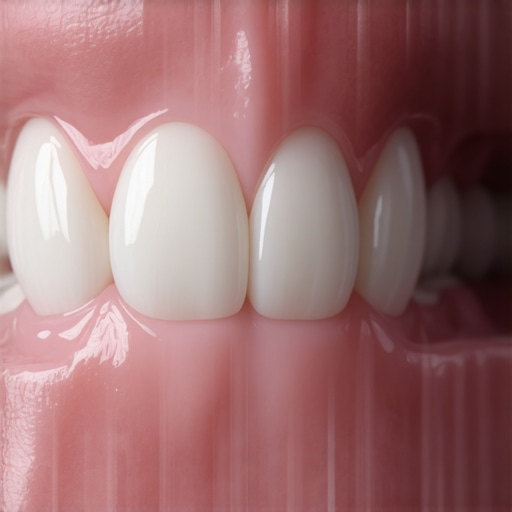
Picture this: I was sipping my morning coffee, feeling pretty good about my dental health, when suddenly I bit down on a stubborn piece of toast—and felt a strange, unexpected wobble in my molar. At first, I thought it was just my imagination, but that unease lingered. Turns out, that tiny bit of looseness was a sign. The pretty crown I’d placed a decade earlier was giving up the fight.
Why Does My Dental Crown Need Replacing After 10 Years?
Many folks don’t realize that dental crowns aren’t meant to last forever. They have a lifespan—usually around 5 to 15 years—depending on various factors like wear and tear, oral hygiene, and material quality. Over time, even the sturdiest crowns can crack, chip, or suffer from deterioration of the underlying tooth structure. I used to believe that once a crown was in place, it would last forever—that was my mistake. Early on, I overlooked the importance of regular check-ups and proper care, which can significantly extend the life of your crown. Maintaining your crown properly isn’t just about avoiding snap accidents; it preserves your overall oral health and saves you money in the long run.
Is Replacing a Crown Really Necessary?
Well, it depends. A crown that’s been in place for over a decade might face issues like decay underneath, loss of fit, or aesthetic decline. If you start noticing sensitivity, pain, or a change in how your teeth feel or look, don’t brush it off. Ignoring these signs can lead to more complicated—and costly—problems down the line.
But don’t worry—here’s the good news. In many cases, a simple replacement restores comfort, function, and smile confidence. I’ve learned that proactive dental care can prevent small issues from becoming emergencies.
Thinking about the longevity of your crown? Curious if it’s simply time for a check-up or a replacement? Let’s dig into the signs to watch for and what you can do about it. After all, a healthy, bright smile is worth protecting—whether it’s a brand-new crown or one that’s stood the test of time.
Prepare for the Replacement Process
First, schedule a consultation with your dentist to examine the existing crown and determine if replacement is necessary. During my visit, I explained my concerns about sensitivity and decided to proceed. Your dentist will take X-rays to evaluate the tooth underneath and assess any decay or damage. To ensure a smooth procedure, inform your dentist of any allergies or medical conditions. Proper preparation sets the stage for a successful replacement.
Remove the Old Crown Carefully
Loosen the Crown
Using a specialized dental instrument called a crown remover or a local anesthetic if needed, your dentist will gently detach the existing crown. Think of this step as carefully peeling off a sticker without tearing the paper underneath; it requires precision to avoid damaging the underlying tooth structure. During my appointment, I watched as the dentist used gentle pressure and a syringe of anesthetic to numb my gum area, making the process virtually painless. This step is critical to prevent further trauma.
Clean and Examine the Tooth
Once the crown is removed, the tooth is cleaned thoroughly. This involves removing any residual cement and inspecting for decay or fractures. I was surprised to find some minor decay underneath, which my dentist addressed immediately. Proper cleaning ensures there’s no debris left that could interfere with the new crown’s fit or promote future decay. It’s similar to cleaning a worn-out shoe before putting on a new sole—every detail counts.
Prepare the Tooth for the New Crown
Next, the tooth may need to be reshaped or built up with filling material to create an ideal surface for the new crown. This is akin to reshaping a foundation before constructing a new building—accuracy here determines the success of the final result. The dentist will also take impressions or digital scans of your tooth, which are essential for fabricating a crown that fits perfectly and matches your bite.
Fabricate and Place the New Crown
With impressions in hand, your dental lab crafts the new crown from materials like porcelain, zirconia, or metal—each chosen for durability and aesthetics. During this period, your dentist might fit a temporary crown to protect the prepared tooth. When the custom crown is ready, you’ll return for adjustment and cementation. I remember feeling concerned about the color match but was relieved when my dentist used a shade guide to ensure it blended seamlessly.
Final Adjustments and Care
After placement, your dentist will check your bite and make necessary adjustments. Proper care involves maintaining excellent oral hygiene—regular brushing, flossing, and avoiding hard or sticky foods that could dislodge or damage the crown. Using products like tips for crown longevity can extend your restoration’s lifespan. Consistent check-ups ensure the crown and underlying tooth stay healthy for years to come. Remember, a crown is not just an aesthetic upgrade but a functional part of your smile that deserves proper attention and routine maintenance.
Many people believe that once a dental crown is placed, it requires little to no attention, assuming it can last forever without issues. However, this misconception masks several nuanced aspects of oral health maintenance. For instance, it’s a common myth that crowns are completely maintenance-free. In reality, improper care or neglecting subtle signs can lead to premature failure. A crucial but often overlooked detail is the importance of evaluating the underlying tooth for decay or structural weakness, especially after many years of service. This step is vital because decay can develop unnoticed beneath the crown, compromising both the tooth and the restoration’s longevity. Regular check-ups and professional cleanings are your best allies in catching these issues early. Moreover, many assume that oral hygiene routines are the same for crowned teeth as for natural ones—that brushing and flossing don’t need special attention around crowns. In fact, improper flossing techniques can damage the cement seal, leading to decay or gum disease. To avoid this, learn correct techniques or consider using interdental brushes designed for crowns.
What advanced practices can help extend the lifespan of crowns beyond standard care?
Expert opinion emphasizes the role of technology and personalized oral care routines. For example, consulting specialists for tailored advice on brushing, flossing, and even diet can significantly impact crown durability. Additionally, recent studies suggest that using advanced imaging, like 3D scans, can detect micro-damage before it becomes problematic, saving complex and costly repairs later. Remember, crowns are a significant investment—not just financially but in your confidence and health. Being proactive, practicing diligent care, and understanding the nuances can make all the difference.
Have you ever fallen into this trap? Let me know in the comments. For broader insights on family oral health and ensuring your loved ones maintain healthy smiles, consider exploring family dentistry tips. Stay vigilant, because your teeth deserve expert attention at every stage of their lifecycle.
How do I keep my crowns and oral health in top shape over the years?
Maintaining your dental restorations and overall oral health requires the right tools and consistent techniques. Personally, I swear by using an ultrasonic sonic toothbrush like the Sonicare DiamondClean. Not only does it provide superior plaque removal, but it also helps prevent decay around crowns by reaching the gum line more effectively than manual brushes. Pairing this with a water flosser, such as the Waterpik Ultra, allows me to clean under and around crowns thoroughly, reducing the risk of plaque buildup that can lead to gum disease or decay underneath restorations.
Regular professional cleanings are also essential. I schedule my visits every three to four months, especially when I have crowns or other restorations. During these cleanings, my hygienist uses ultrasonic scalers that remove calculus and plaque that traditional methods might miss. For at-home care, I prefer using interdental brushes, like the EnviroCare Interdental Bristles, which are gentle yet effective at cleaning between teeth and around crowns without damaging the cement seal.
In the future, technology such as AI-powered dental monitoring apps could become commonplace, offering real-time feedback on your brushing and flossing techniques. This personalized approach will help detect early signs of issues before they escalate, extending the life of your crowns and natural teeth. According to recent research in dental technology advancements, integrating these tools into daily routines can significantly improve long-term outcomes.
What advanced practices make crown maintenance more effective?
One method I highly recommend is incorporating dental sealants around crowns and at vulnerable sites to create an additional barrier against decay. Additionally, using an electric toothbrush with pressure sensors prevents excessive force, which can damage delicate cement layers or cause gum recession. I also advise trying whitening mouth rinses like Crest 3D White Rinse twice a week, as they help maintain the brightness of the crown and adjacent teeth, supporting a confident smile.
To keep your crown restoration working well for years, it’s crucial to stay vigilant about your oral routine. Consider exploring expert advice on crowns and teeth cleaning to learn more about personalized care strategies. Remember, a proactive approach now can prevent costly repairs later—so why not try the method of using an ultrasonic toothbrush combined with water flossing today?
Maintaining your dental health isn’t just about tools—your habits and awareness matter just as much. Regular check-ups, diligent at-home routines, and embracing new technology are your best bets for long-term success.
The Hardest Lesson I Learned About crowns,oral health,teeth cleaning,family dentistry
One pivotal realization was that even the most durable crowns need ongoing attention. I used to think a crown was a set-it-and-forget-it solution, but neglecting routine check-ups and proper cleaning ultimately led me to an unexpected discomfort. Now, I understand that proactive care and regular inspections are essential to extend the lifespan of dental restorations and maintain overall oral health.
How Tailored Advice Transformed My Smile Routine
Personalized guidance from dental experts, like using specific tools such as interdental brushes and ultrasonic toothbrushes, made a huge difference. These recommendations helped me target areas that are often overlooked, especially around crowns, ensuring my smile stays healthy and bright for years. Learning what works best for my unique needs underscored the importance of consulting specialists and staying informed about advances in family dentistry.
Ignoring Subtle Signs Can Cost You More Than You Think
Spotting early symptoms like sensitivity or minor wobbling prevented a potential emergency. Waiting until pain or decay develops can lead to complex and costly procedures. My experience reinforced that paying attention to small changes and scheduling timely check-ups saves money and preserves your confidence in your smile.
Curated Recommendations for Durable, Healthy Smiles
Here are tools and resources that I trust to keep my crowns and overall oral health in top shape:
- Sonicare DiamondClean toothbrush: The superior plaque removal ensures thorough cleaning without damaging delicate cement layers.
- Waterpik Ultra Water Flosser: Reaches under crowns and between teeth, reducing the risk of decay and gum issues.
- Maintaining your crown tips from experts that have helped me extend my restoration’s longevity.
- Personalized dental consultations: Regular visits with specialists help catch micro-damage early, supporting a bright, healthy smile.
Trusting these resources has made a visible difference in my daily routines and long-term results.
Take Action Now: Protect Your Smile for the Future
Your dental health is an ongoing journey, and taking small, consistent steps can lead to lasting confidence and comfort. Whether it’s upgrading your tools, seeking expert advice, or simply paying attention to subtle signs, every effort counts. Remember, your smile is your most powerful asset—nurture it with care, curiosity, and courage. Why not start today by reviewing your daily oral routine or scheduling that check-up you’ve been postponing? Share your experiences below—what’s worked for you or what surprises you about crown care? I’d love to hear your story!