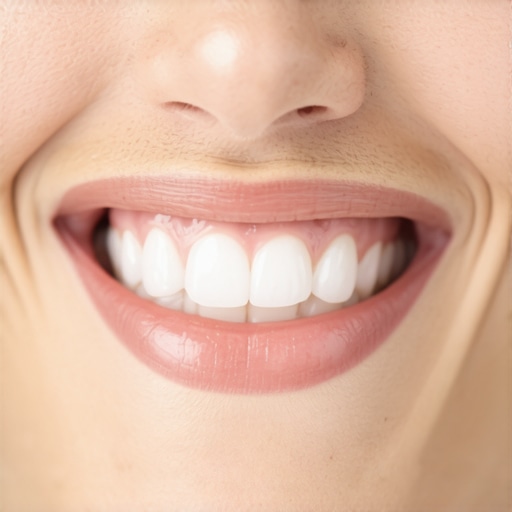
I still vividly remember the moment I looked in the mirror after a routine dental appointment and noticed something unsettling: my teeth looked duller, and I felt a tiny chip lurking where I hadn’t noticed before. It was a wake-up call—both embarrassing and frightening. That’s when I realized that even as an adult, I was overlooking a simple yet crucial aspect of my dental health: fluoride. It made me wonder—why do dentists recommend fluoride for grown-ups, too? And more importantly, what’s the real story behind this age-old cavity-fighter?
Discovering the Unexpected Power of Fluoride for Adults
Fluoride has long been hailed as a child’s dental hero, but as I dug deeper, I found evidence suggesting that it plays an equally vital role in adult oral health. You might think, “I brush regularly; isn’t that enough?” Well, not quite. As we age, our teeth undergo changes—enamel can thin, and the risk of decay persists or even increases. A surprising study published by the Centers for Disease Control and Prevention indicates that over 90% of adults will suffer from some form of tooth decay at some point in their lives. That’s a staggering number, isn’t it?
My mistake early on was dismissing fluoride as something only for children. I assumed that good brushing and flossing would suffice. But neglecting fluoride meant I was missing out on a proven method to reinforce my enamel and ward off cavities. It’s like building fortifications around your castle—no matter how vigilant you are, without the right defenses, damage can still happen. Maintaining your dental crowns and overall oral health requires more than just good hygiene; it requires the right protective measures, fluoride being a key player.
Have You Ever Felt That Sneaky Sensitivity or Noticed a Small Decay?
If you’ve ever experienced sudden tooth sensitivity or noticed a tiny dark spot, you’re not alone. These are signs that your enamel may be weakening, and heaven forbid, cavities might be starting to form. But here’s the good news: incorporating topical fluoride treatments or using fluoride toothpaste can significantly slow down or even reverse initial decay. It’s a straightforward, often overlooked step that could save you from costly procedures down the line.
Early in my journey, I made the mistake of believing that regular brushing was sufficient. Trust me, this is a common misconception. Incorporating fluoride was a game-changer. It’s not complicated but can make a big difference—especially if you get guidance from a professional. If you’re curious about how fluoride can help you maintain stronger, healthier teeth, I recommend checking out expert advice on crowns and teeth cleaning for comprehensive strategies.
Now, let’s look at what you can do today to protect your smile and keep those pearly whites shining. Because honestly, who wants to face that mirror moment with regret? Stay tuned for practical tips and expert insights—your teeth will thank you!
,
Establishing Your Daily Fluoride Routine
Start with selecting an effective fluoride toothpaste—look for one with at least 1350 ppm fluoride. I once switched to a fluoride-rich toothpaste during my nightly routine and noticed a reduction in sensitivity within two weeks. Brush thoroughly twice daily, ensuring you cover all surfaces for at least two minutes each time. Use a soft-bristled brush to prevent damaging delicate enamel, especially if you notice thinning areas.
Incorporate Fluoride into Professional Dental Visits
Schedule regular check-ups every six months. During these visits, ask your dentist about fluoride treatments—topical applications can boost your enamel’s resilience. When I underwent a professional fluoride application, I experienced fewer cavity concerns that year. These treatments are quick, painless, and significantly enhance your mouth’s defenses against decay.
Use Fluoride-Enhancing Products Strategically
Supplement your routine with fluoride mouth rinses or gels—these are especially useful if your enamel is already compromised. I remember trying a fluoride mouthwash with my evening rinse, and over time, my sensitivity issues became manageable. Apply these products as per the instructions, typically once a day, to reinforce your enamel outside brushing sessions.
Adopt Dietary Habits That Support Fluoride Effectiveness
Limit sugary snacks and beverages, which can undermine fluoride’s benefits by creating an acidic environment. Instead, opt for water and plain or fortified foods. After a sugary snack, I would rinse my mouth with water and then wait 30 minutes before brushing—this habit helps fluoride work longer by allowing saliva to remineralize and neutralize acids.
Be Mindful of Fluoride Overuse
While fluoride is beneficial, too much can cause fluorosis, leading to white spots on teeth. Moderate your intake—using a pea-sized amount of toothpaste and avoiding swallowing it. I learned this when advising my children, ensuring they used only a small amount. Consult your dentist if you’re unsure about your fluoride intake, especially if you have existing dental restorations or conditions.
Monitor and Adapt Your Routine
Keep track of any changes in your teeth’s appearance or sensitivity. If you notice new spots or increased discomfort, revisit your fluoride use habits and discuss them with your dental professional. For example, when I noticed a slight white patch, I adjusted my toothpaste to a lower-fluoride option and scheduled a check-up to prevent further issues.
Remember, integrating fluoride effectively into your daily routine isn’t just about brushing; it’s about making informed choices, leveraging professional treatments, and maintaining a balanced diet. Incorporate these steps consistently, and your teeth will thank you with strength and shine for years to come.
Many people believe that getting a dental crown is a quick fix for cosmetic issues or minor decay, but the reality is far more nuanced. A widespread misconception is that crowns are indestructible and require no special care, which isn’t true. In fact, improper maintenance can significantly shorten the lifespan of your crown, leading to costly replacements. For example, neglecting proper brushing and avoiding hard foods can cause cracks or dislodgement, underscoring the importance of following specific caring for crowns routines. Beyond that, many assume that crowns are purely cosmetic or only necessary after extensive damage—that’s an oversimplification. Crowns also restore function, protect weakened teeth, and improve overall oral health when used appropriately.
A common myth is that once a crown is placed, it’s a permanent fixture with no further issues; however, the underlying tooth can still develop decay if oral hygiene isn’t maintained. This leads to advanced problems like root infections or gum disease, which can jeopardize the crown and your natural teeth. Regular check-ups and professional cleanings are crucial, as they allow dentists to monitor crown integrity and identify early signs of trouble. Remember, understanding the role of crowns helps in making informed decisions about your dental health.
Now, let’s consider a question that challenges even savvy patients: How can you tell if a crown is failing before it becomes a major issue? The answer involves noticing subtle signs like increased sensitivity, a change in bite comfort, or a persistent rough edge. If you experience any of these, consult your dentist promptly. Delaying action can result in more extensive treatments, including root canals or extractions. To avoid such pitfalls, it’s wise to be proactive—schedule regular dental visits and communicate any new discomfort.
Stay vigilant, educate yourself on the intricacies of dental restorations, and you’ll preserve your smile longer. If you’re interested in how crowns fit into overall smile makeovers, or tips for extending their lifespan, check out our detailed guides. Remember, knowledge is power when it comes to maintaining oral health—don’t let myths and misunderstandings undermine your dental investments.
Keep Your Dental Work in Top Shape with the Right Tools
When it comes to caring for your crowns and maintaining long-term oral health, having the right equipment is crucial. I personally rely on a combination of precision tools and digital technology to ensure my daily routine is effective and efficient. One indispensable item is a high-quality interdental brush, specifically designed to reach the tight spaces around crowns and between teeth, preventing plaque buildup that standard brushes might miss. For example, I use the TePe Interdental Brushes because they come in various sizes, allowing me to customize my cleaning based on the tightness of my contacts.
Alongside manual tools, I’ve integrated ultrasonic dental scalers with a water irrigation feature during professional cleanings. This device, often used by dentists, helps remove calculus and plaque beneath the gum line without damaging sensitive tissue. Regularly using light, sonic toothbrushes—like the Sonicare ProtectiveClean—also contributes to preserving the integrity of crowns by providing thorough cleaning without excessive force, which can sometimes loosen restorations.
In addition, I utilize digital mouth mapping software synced with my smartphone. This advanced tool tracks my brushing and flossing habits, highlighting neglected areas and ensuring I stay consistent. Apps like Brush DJ or MyOralHealth provide reminders and education, making maintenance less of a chore and more of an empowering experience.
What Techniques Help Keep Your Dental Restorations Working Well?
Beyond tools, adopting proper techniques is vital. I ensure I brush for at least two minutes twice a day, using gentle, circular motions, especially around their margins. Flossing is similarly deliberate; I use waxed floss or water flossers to clear debris effectively without damaging delicate areas or crowns. Sometimes, I gently slide the floss beneath the crown edges to dislodge food particles, preventing secondary decay. Maintaining this routine consistently can dramatically extend the lifespan of your crown and oral health.
For those wondering about the future of dental maintenance, trends point toward smarter practices powered by AI and minimally invasive technologies. Innovations like 3D imaging aid in precise monitoring of restorations, and laser therapies are becoming standard for deep cleanings, reducing discomfort and healing time. Staying ahead with these advances is an investment in your smile.
How do you maintain your crowns over time? One key is scheduling regular dental checkups — ideally every six months — where your dentist can assess your restorations’ condition and perform professional cleanings. They might recommend supplementary tools like fluoride varnishes or prescription rinses tailored to your needs, further strengthening your teeth.
Remember, consistent maintenance involves more than just buying tools. It’s about adopting a comprehensive routine that combines effective equipment, proper techniques, and regular professional oversight. Starting with a quality interdental brush or a smart app today can set the foundation for healthier, longer-lasting restorations. For advanced tips tailored to your situation, consider consulting your dentist to personalize your care plan and explore cutting-edge options that will keep your smile shining for years to come.
As I reflect on my journey with dental health, I realize that the most impactful lessons often come from unexpected experiences. One of the biggest insights I gained was understanding the importance of proactive care, especially with crowns and maintaining overall oral health. It’s tempting to see dental restorations as a quick fix, but true longevity comes from dedicated, informed routines that go beyond routine visits.
The Hardest Lesson I Learned About Crowns and Long-Term Smile Confidence
- Every detail counts: Initially, I underestimated the significance of proper daily maintenance. A tiny food particle trapped beneath my crown led to discomfort, reminding me that even the smallest oversight can have bigger consequences.
- Professional guidance matters: Regular check-ups weren’t just about cleaning—they were opportunities to catch early signs of wear or decay. Consulting experts about the right tools and techniques revolutionized how I care for my restorations.
- Consistency beats perfection: Developing a routine with quality tools and habits made the difference between replacing a crown after five years or ten. Small daily efforts compound into lasting results.
- Understanding the role of education: Learning about how crowns integrate with your natural teeth helps you make better decisions—like avoiding hard foods that can cause cracks or chips.
- Trusting science over myths: I once believed whitening or DIY remedies could prolong crown life—only to realize that expert advice and proven practices safeguard your investment.
My Essential Tools for Crown Care and Better Oral Hygiene
Having the right tools truly makes a difference. I depend on a high-quality interdental brush for those hard-to-reach spots, and a gentle sonic toothbrush to avoid damaging delicate margins. Supplementing with fluoride rinses adds an extra layer of protection, especially at night. For a comprehensive approach, I recommend exploring caring tips for crowns that have helped me extend the lifespan of my restorations beyond expectations. Using digital monitoring apps has also empowered me to stay consistent and aware of my oral health progress.
Embrace Your Power to Transform Your Smile Today
The journey to a healthier, brighter smile centers on informed choices and continuous care. Whether you’re about to get a crown or already decked out with one, remember that your daily habits, professional guidance, and mindset shape your long-term success. Start small—schedule your next dental appointment, review your toolset, or adjust your routine—and watch how your confidence grows. Your smile’s future is in your hands, so why not make it radiant and resilient today?