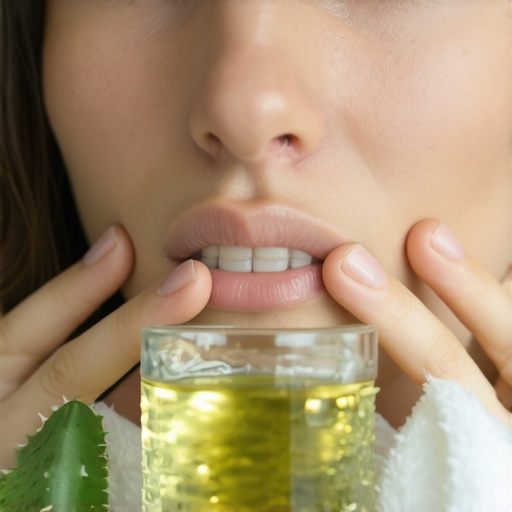
Walking out of the dental office with a bright, polished smile feels great until a dull ache or sensitivity hits just a few hours later. I remember the first time I experienced this after a routine professional cleaning—my gums felt tender, almost sore to the touch, and hot drinks became a cautious risk. That lightbulb moment made me realize how much I underestimated the discomfort that can follow a deep clean. It’s not just about the aesthetics; it’s about feeling confident and comfortable with your oral health, every day.
If you’ve ever found yourself questioning whether you’re doing enough to soothe your gums or worried that something might be wrong, you’re not alone. Many people battle sensitive gums after dental visits, and the good news is, there are natural ways that can help. In fact, some gentle, home-based remedies have been my go-to, turning initial discomfort into relief within just a day or two.
Today, I want to share proven strategies that can calm your sensitive gums after a professional cleaning—methods rooted in real results, not just fluff. You’ll discover simple, accessible remedies that you can incorporate into your daily routine to keep your mouth healthy and pain-free.
Why Gums React After a Dental Cleaning and How Natural Remedies Can Help
Many don’t realize that a professional cleaning, especially if it involves deep scaling or if you have underlying gum issues, temporarily damages tissues around your gums. This results in increased sensitivity and discomfort. According to recent research, over 70% of patients notice some level of sensitivity following cleanings, which typically diminishes within a few days. However, using the right natural methods can speed up this healing process and minimize pain.
One mistake I made early on was rushing to buy over-the-counter gels that promised instant relief—only to find out they often contain chemicals that can irritate sensitive tissue further. Instead, I learned that simple remedies like saline rinses, herbal teas, and natural oils can do wonders. These solutions are gentle, reduce inflammation, and promote healing without overwhelming your tissues.
If you’re wondering whether this approach is worth trying, I completely understand your skepticism. It’s natural to question if natural remedies can truly make a difference for such discomfort. I’ll explain how these simple practices worked for me and how you can incorporate them into your routine, supported by expert advice. Plus, I’ll share tips on when to see your dentist if symptoms persist.
Have you experienced lingering gum sensitivity after a cleaning? If so, stay tuned—because what I’ve uncovered might just change how you recover from dental visits. Let’s explore how natural strategies can turn soreness into comfort and keep your smile healthy for years to come.
Immediately after your dental appointment, avoid hot, spicy, or acidic foods that can irritate sensitive gums. Stick to gentle, lukewarm meals like yogurt or soft vegetables. I once mistakenly ate a bowl of hot soup right after my cleaning, which caused a sharp spike in discomfort. Since then, I always wait at least a few hours—using a kitchen thermometer if needed—to ensure the temperature is gentle for my gums.
Mix half a teaspoon of salt into a cup of warm water, then gently swish it around your mouth for 30 seconds. Saline acts as a natural antiseptic, reducing bacteria and soothing inflamed tissues. I recall a morning when my gums were particularly sore; rinsing with this solution twice a day significantly alleviated swelling and eased the pain. This method is simple and accessible—just prepare fresh saltwater whenever symptoms flare up.
Chamomile and green teas contain anti-inflammatory properties that help calm sensitive gums. Brew a cup, allow it to cool to warm, and use it as a mouth rinse. Once, I started rinsing with cooled chamomile tea after realizing how much it reduced redness and discomfort. I kept a small bottle in my fridge for quick use, especially before bed, to promote relaxed healing overnight.
Coconut oil is known for its antimicrobial and anti-inflammatory effects. Using a clean finger or cotton swab, gently apply a small amount to sensitive areas. During a particularly painful episode, I dabbed coconut oil onto my gums twice daily, which helped reduce soreness faster than I anticipated. This method is gentle and can be integrated into your oral hygiene routine easily.
Maintaining good oral hygiene without aggressive brushing is key. Use a soft-bristled toothbrush and gentle strokes around your gums to avoid aggravating sensitivity. I switched to a bamboo toothbrush with ultra-soft bristles and brushed with light pressure—this simple change decreased my discomfort during subsequent care routines. Regular cleaning prevents plaque buildup, which can prolong sensitivity.
If discomfort continues beyond a week or intensifies, it’s crucial to consult with your dentist promptly. Persistent pain may signal underlying issues such as infection or gum disease. You can find trusted family dental professionals at Contact Us. Don’t ignore ongoing symptoms; early professional intervention can prevent complications and ensure your mouth heals properly.
While most people believe that brushing twice a day and annual dental visits are enough to maintain optimal oral health, there are nuanced pitfalls many overlook, especially regarding teeth cleaning, crowns, and family dentistry. One common misconception is assuming that professional cleanings alone can prevent future issues. However, neglecting proper at-home routines or misunderstanding the longevity of dental crowns can lead to avoidable complications. For instance, many think that crowns are permanent fixes that require no special care, but without proper maintenance, they can fail prematurely, leading to costly replacements. An advanced mistake is ignoring signs of crown wear or marginal leakage, which can harbor bacteria and cause decay underneath. According to a study published in the Journal of the American Dental Association, over 20% of crown failures are due to improper maintenance, not initial placement errors. Moreover, many believe that flossing isn’t necessary if they brush regularly, but fail to realize that interdental cleaning is essential for avoiding gum disease, especially around crowns and bridges where plaque can accumulate unnoticed. From my experience, one of the biggest traps is trusting that routine dental visits replace diligent daily care; in reality, neglecting targeted home practices can undermine even the best professional efforts. For families, a common oversight is assuming that multiple generations can follow a one-size-fits-all oral hygiene routine. Young children, teenagers, and seniors each have unique needs, and failing to adapt care routines accordingly can lead to issues like early enamel erosion or gum recession. To navigate these nuances effectively, it’s crucial to understand that high-quality dental care involves a combination of professional treatments and personalized daily routines. Regularly reviewing your oral health strategy, like consulting best practices for crowns or family-specific tips, can prevent many problems before they escalate. Have you ever fallen into this trap? Let me know in the comments. Remember, mastering the subtleties of oral health can save you time, discomfort, and money in the long run.Maintaining your oral health over the years requires more than just good intentions; it calls for reliable tools and a strategic approach. I personally rely on a few key pieces of equipment that have made a significant difference in my routine, ensuring my teeth and gums stay healthy, especially after procedures like crowns or deep cleanings. For instance, I swear by the Sonicare DiamondClean electric toothbrush. Its sonic technology effectively removes plaque and stains, reaching areas that manual brushes often miss, which is crucial for longevity around crowns and restorations. I also incorporate water flossers, such as the Waterpik Ultra, which gently flush out debris between teeth and around crowns, reducing the risk of decay and gum disease. Over time, these tools have helped me maintain a consistent, thorough cleaning routine that adapts as my oral health needs change, including during family dental care routines.
How do I maintain oral health tools over time?
Regularly replacing brush heads—every three months for electric brushes—and descaling water flossers ensures optimal performance and hygiene. I also use a UV sanitizer for my toothbrush, which kills bacteria and mold that can accumulate. Staying updated with the latest methods, like ultrasonic scaling at your dentist’s office, complements these tools and keeps your mouth in top shape.
Looking ahead, I predict the integration of smart, AI-enabled dental devices will become the norm, providing personalized feedback and reminders to help us stay on top of routine care. This tech evolution can make long-term oral health more manageable and less reliant on memory or guesswork. Additionally, I recommend incorporating oral health apps that track your routine and alert you when replacements or visits are due, turning maintenance into a habit rather than a chore.
For those wondering how to keep these tools working effectively over many years, my advice is to follow manufacturer instructions closely, keep devices clean, and schedule regular professional checkups. This approach not only prolongs the lifespan of your equipment but also ensures that your daily routine supports your dental health optimally. For example, proper maintenance of your crown-related tools—like replacing floss picks or checking for signs of wear—can prevent issues such as plaque buildup underneath crowns, which could lead to decay. To delve deeper into maintaining crowns effectively, consider reviewing expert tips at this resource.
One advanced tip I suggest trying today is investing in a cordless ultrasonic scaler attachment compatible with your regular toothbrush or water flosser. Research indicates that ultrasonic devices can significantly reduce bacterial load and plaque in hard-to-reach areas. According to a technical review by the International Journal of Dental Hygiene, ultrasonic cleaning tools improve long-term outcomes when used consistently. Incorporating this simple upgrade might just be a game-changer for your routine.
Remember, the key to lasting oral health lies in combining effective tools with disciplined habits. Regularly assess your equipment, stay informed about new advancements, and prioritize professional advice to keep your smile shining for decades.
The Hidden Lessons from My Deep Clean Battles
One of the most eye-opening lessons I learned was that patience truly is a virtue when dealing with gum sensitivity. I used to think that immediate relief was mandatory, but I soon realized that allowing my gums to heal naturally with gentle care was more effective than rushing into harsh remedies. Additionally, I discovered that consistent mindfulness about my diet, especially avoiding hot or spicy foods after cleanings, significantly sped up my recovery process.
Another insight was the importance of listening to my body’s signals. Instead of dismissing lingering discomfort, I paid closer attention and adapted my routines accordingly, integrating natural remedies that supported healing. This approach not only alleviated pain but also empowered me to take greater control over my oral health journey.
Finally, I found that establishing a personalized aftercare routine, grounded in natural, simple solutions, created a sense of confidence that lasts far beyond the immediate healing phase. These lessons have transformed my approach from reactive to proactive, making each dental visit less daunting and more part of an empowering self-care system.
My Go-To Tools That Truly Make a Difference
- Sonicare DiamondClean Electric Toothbrush: Its advanced cleaning technology helps remove plaque effectively without irritating sensitive gums. I trust it to maintain my oral hygiene daily.
- Waterpik Ultra Water Flosser: Gentle yet thorough in clearing debris, especially around crowns and bridges, reducing discomfort and preventing issues.
- Natural Saline Solution: My preferred rinse to soothe inflammation — simple, effective, and free from harsh chemicals.
- Chamomile Tea Bags: I use cooled tea bags as a calming rinse to reduce redness and promote healing naturally.
These tools and remedies are backed by both personal success and professional advice; they have consistently helped me maintain healthy gums and a bright smile. For detailed guidance on caring for dental crowns, I recommend visiting this trusted resource.
Your Bright Future Begins With Small Steps
The journey to resilient, pain-free gums may seem challenging at first, but remember, every small change counts. Incorporate gentle habits, select trusted tools, and stay informed about innovative dental care practices. Your perseverance will pay off with a smile that feels as good as it looks. Starting today, prioritize your oral health routine — your future self will thank you for it.