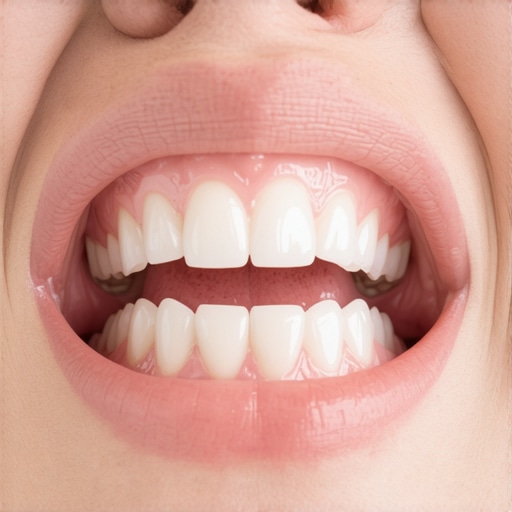
There was a night not long ago when I found myself grinding my teeth so fiercely during sleep that I woke up with a sore jaw and a visibly smoother, almost polished area on my front tooth. It was a lightbulb moment for me: stress wasn’t just making my mornings miserable; it was quietly eroding the very surface of my teeth. That realization prompted me to ask, “Could stress be silently destructing my enamel?” and I imagine many of you might have wondered the same.
Why Stress Might Be Waging War on Your Teeth
Let’s face it—stress is an unavoidable part of daily life. But did you know that chronic stress can have a surprising impact on your oral health? When stress levels stay high, our bodies respond by tightening jaw muscles, leading to teeth grinding or bruxism. Over time, this relentless pressure wears down the enamel—the sturdy outer layer protecting your teeth. And the sad part? Enamel doesn’t regenerate once lost, making damage permanent and increasing sensitivity or vulnerability to decay.
Is Stress-Related Tooth Wear Actually Worth the Hype?
Early on, I made the mistake of dismissing my grinding as a mere habit rather than a serious issue. I thought: “It’s just nighttime teeth clenching; no big deal.” That was a costly oversight. Over time, I noticed my enamel thinning, leading to increased sensitivity and even tiny chips. Ignoring these signs only worsened the problem, which is why I urge anyone noticing similar symptoms to seek professional advice. Often, addressing stress can go hand-in-hand with practical dental strategies, like protecting your crown or avoiding further damage. For tailored guidance, consider reaching out through our contact page.
Protecting Your Smile from Stress Damage
Now, here’s the good news—there are effective ways to shield your enamel and minimize stress’s toll. From lifestyle adjustments to seeking professional help, small changes can lead to powerful results. Let’s dive into what you can do today to strengthen your teeth and reduce stress-induced damage. But before that, I want to dig into one of the most common doubts I hear from friends and patients alike.
Start with a Routine Dental Checkup
Schedule a comprehensive exam with your dentist to assess enamel erosion and address ongoing issues. During the visit, ask about custom night guards to prevent grinding, which is a common stress response that damages enamel. Regular checkups catch early signs and give you tailored advice.
Use a Custom Night Guard to Prevent Grinding
Invest in a professionally fitted night guard, especially if you notice teeth chipping or jaw pain. Think of it as a shield for your teeth, absorbing the force of grinding much like a bumper bumper absorbs impacts on a car. I once wore a poorly fitted guard that caused discomfort, but after professional adjustment, my nighttime grinding significantly reduced, protecting my enamel.
Practice Stress Management Daily
Incorporate activities like deep breathing, meditation, or yoga into your routine to reduce overall stress levels. For instance, I set aside 10 minutes each evening for breathing exercises; this helped me relax my jaw muscles and decreased nocturnal grinding episodes. Consistent stress reduction directly correlates with less enamel wear.
Maintain Excellent Oral Hygiene Habits
Brush twice daily with fluoride toothpaste to strengthen enamel and remove plaque. Floss daily to prevent gum disease that can exacerbate enamel loss. Consider using an electric toothbrush for more effective cleaning, much like a power washer for cleaning surfaces—it’s about efficiency and thoroughness.
Adjust Your Diet to Support Enamel Health
Avoid acidic foods and drinks that soften enamel, such as citrus or soda. Instead, opt for calcium-rich foods like cheese, yogurt, and leafy greens, which serve as natural reinforcers, akin to investing in a building’s foundation. Incorporating these can help counteract some stress-related damage.
Limit Hard and Chewy Foods
Avoid biting into ice, hard candies, or tough meats, which can chip weakened enamel. Think of your teeth as a delicate sculpture; gentle handling prevents further damage. I once cracked a tooth eating popcorn, highlighting how important mindful eating habits are when enamel is compromised.
Use Remineralizing Products Carefully
Consider topical fluoride treatments or remineralizing mouth rinses recommended by your dentist. These act like patching small cracks early before they expand, much like sealing a small leak in a pipe to prevent bigger issues. Consult your dental provider for personalized recommendations.
Manage Bruxism Through Behavioral Strategies
Be aware of subconscious clenching during the day and take breaks to relax your jaw muscles. Setting reminders to check your jaw tension helps prevent damage. Over time, this awareness reduces enamel stress—it’s like decluttering your mind to prevent overload.
Stay Consistent and Vigilant
Adopt these practices consistently. Regularly review your oral health routine, and don’t wait for symptoms to worsen. I found that dedicated daily habits made a noticeable difference in protecting my enamel from stress wear, especially when combined with professional guidance.
Many assume that brushing once a day or visiting the dentist twice a year suffices for perfect oral health, but this oversimplification can lead to overlooked issues. A common myth is that all dental cleanings are equally effective; however, professional cleanings vary significantly depending on technique and frequency. For instance, some patients rely solely on rotary toothbrushes, believing they’re enough, but advanced plaque removal often requires manual precision and professional tools, as detailed in studies highlighting the importance of targeted scaling and root planning which you can explore through our article on [teeth cleaning secrets](https://periodontistcare.com/teeth-cleaning-secrets-effective-home-practices-for-family-dental-health).
Maintaining optimal oral health requires more than just routine brushing and flossing. Investing in the right tools can significantly enhance your ability to preserve your smile, especially when dealing with crowns, family dentistry, or long-term maintenance. As someone passionate about effective dental care, I personally rely on specific equipment and methods that deliver consistent results.
My Preferred Electric Toothbrush for Effective Cleaning
I swear by the Sonicare DiamondClean for its superior plaque removal and gum gently stimulation. Its sonic vibrations reach areas manual brushes often miss, ensuring thorough cleaning around crowns and hard-to-reach spots. Regular use of this device, combined with proper technique, makes a noticeable difference in maintaining oral health between professional cleanings. To maximize its benefits, I recommend pairing it with a remineralizing fluoride toothpaste for added enamel protection.
Advanced Plaque Detection Tools for Better Insights
While traditional flossing is essential, I incorporate an oral LED plaque detector, such as the PlaqueHD, into my routine weekly. This handheld device illuminates areas of plaque buildup, helping me identify spots I might have missed. Early detection allows me to target these zones with more precise cleaning, and this proactive approach prolongs the life of dental restorations and crowns. For detailed guidance on maintaining crowns and avoiding common pitfalls, check out our tips on crown longevity.
Monitoring Oral Health with Digital Periodontal Probes
To keep an eye on gum health, especially around family dentistry appointments, I use a digital periodontal probe. This tool provides accurate measurements of pocket depths, alerting me to early signs of gum recession or inflammation. Regular self-assessments paired with professional evaluations catch issues before they escalate, saving money and discomfort in the long run. Embracing technology like this aligns with the future of dentistry, where personalized monitoring enhances quality of care.
How do I maintain these tools over time?
Proper cleaning and storage are essential. After each use, rinse electric brushes thoroughly and replace brush heads every three months. Store devices in a dry, clean place to prevent bacterial growth. For advanced equipment like plaque detectors and probes, follow manufacturer instructions for sterilization and calibration. This routine ensures your tools remain effective and extend their lifespan.
Looking ahead, I predict that innovations like AI-powered oral scanners and smart toothbrushes integrated with apps will become standard. These will provide real-time feedback and personalized recommendations, further empowering patients to take control of their oral health at home.
If you’re ready to step up your oral maintenance game, start by trying a high-quality electric toothbrush combined with plaque detection tools. Remember, consistency is key. For tailored advice, don’t hesitate to reach out to our team for personalized recommendations that suit your dental needs.
What I Wish I Knew Before Worn Enamel Became a Reality
One of the most valuable lessons I learned was that early signs of enamel erosion are easier to address than waiting until sensitivity or chips appear. Catching these warning signs early through routine checkups can save you from extensive repairs and discomfort, highlighting the importance of consistent professional assessments.
The Power of Small Daily Actions That Made a Big Difference
Incorporating stress-reducing activities like meditation into my daily routine not only improved my mental health but also drastically reduced my nighttime grinding. Recognizing that lifestyle choices directly influence dental health was a pivotal realization that transformed my approach to self-care.
Secrets Dentists Keep That Changed My Perspective on Oral Hygiene
Professionals often emphasize the significance of advanced tools like plaque detection devices and specialized toothbrushes. Using these tools regularly, as I now do, provides insight that casual brushing might miss, helping me preserve my enamel and overall oral health effectively.
Resources That Became My Personal Dental Bible
Trusted guides like the articles on teeth cleaning at home and
crown maintenance have been instrumental in empowering me with practical knowledge. These resources provide actionable advice that complements professional treatments, fostering a proactive stance toward oral health.
My Final Spark of Inspiration for Your Dental Journey
Remember, safeguarding your smile from stress-induced enamel damage is a continuous journey. Embrace these lessons, adopt new habits, and don’t hesitate to seek personalized guidance to maintain the strength and beauty of your teeth for years to come. Your future self will thank you for making dental health a priority today.