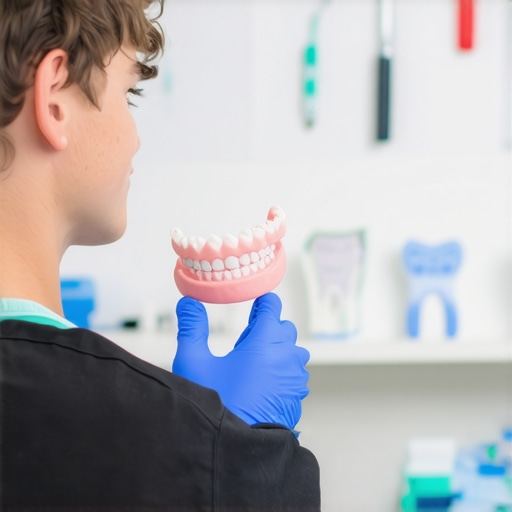
I remember the exact moment I realized I was losing the battle over my teenager’s gum health. It wasn’t a dramatic scene—no yelling, no tears—but a quiet, uncomfortable truth hit me while I was brushing my own teeth. I looked up in the mirror and caught my reflection, spotting my son’s unbrushed, slightly bleeding gums. That simple sight sparked a lightbulb moment: I had been doing everything wrong, and I needed a new, effective approach. If you’ve faced the frustration of trying to get your teen to care about their gum health, you’re not alone. It feels like trying to teach a brick wall—silent resistance and eye rolls included. But here’s the good news: I’ve discovered strategies that actually work, and I’m here to share them with you.
Why Do Teens Push Back on Gum Care? Understanding the Teen Mindset
Many parents assume that teenagers simply don’t care. They think it’s a phase, a rebellion, or a distraction. But the truth is, teens often lack the motivation because gum health doesn’t feel urgent or relevant to their fast-paced, image-conscious lives. Plus, their understanding of long-term health consequences isn’t fully developed, which makes immediate rewards or concerns much more compelling. Early on, I made the mistake of nagging and issuing stern commands, expecting compliance. Spoiler: it backfired. Instead of fostering cooperation, I created resentment. That’s when I realized I needed approach that builds trust and makes gum health personally meaningful. For more insight into how to make oral health appealing, check out [family dentistry focus](https://periodontistcare.com/family-dentistry-focus-building-a-lifetime-of-healthy-smiles). When you understand what’s going on inside your teen’s mindset, you’ll be better equipped to guide them positively. Now, let’s talk about the practical steps that turned things around in my own home—and can help you do the same.
Set Clear, Relatable Expectations
Begin by having a straightforward conversation with your teen about why gum health matters, connecting it to their personal goals like fresh breath or maintaining a bright smile. Use simple language and avoid sounding like a lecture. I once sat down with my son and explained how untreated gum issues can cause discomfort and impact confidence, much like a sports injury affects performance. This approach meant more than generic warnings; it gave him a tangible reason to care.
Use Visual Demonstrations
Show your teen how plaque buildup looks with a disclosing tablet or by inspecting their gums in the mirror. Visual cues are powerful — they make invisible problems visible. I handed my son a mirror and a disclosing agent, which temporarily stained plaque red, making the buildup unmistakably clear. Witnessing the difference motivated him to brush more thoroughly and regularly.
Incorporate a Fun, Rewarding Routine
Gamify their oral hygiene—set challenges, track streaks, or earn small rewards for consistent brushing. Think of it like training for a sport: small wins lead to bigger habits. When my daughter hit her third consecutive day of diligent brushing, she earned a badge on our family chart, sparking a friendly competition that increased her enthusiasm and compliance.
Choose Engaging Tools and Products
Select an electric toothbrush with a timer or a mouthwash with flavors they enjoy. The right tools turn routine care into something they look forward to. I introduced my teen to a rechargeable brush with different brushing modes and fun colors, which made the process feel less like a chore and more like a gadget adventure.
Make Oral Hygiene Part of Their Social Identity
Encourage pride in their appearance by emphasizing how good gum health contributes to their overall look and social confidence. Teens often respond well to peer influences and trends. I suggested that maintaining fresh breath and healthy gums helps them make a positive impression, which resonated with my son’s desire to feel confident with his friends and during dates.
Leverage Trusted Resources and Expert Advice
Share age-appropriate educational content from trusted sources, or consider a professional consult. Sometimes hearing it from a dentist reinforces the importance. I scheduled a casual visit to the dentist who explained in relatable terms how gum health impacts their smile, which helped my teen develop a sense of ownership. For more detailed insights, check out expert advice on crowns and teeth cleaning.
Stay Consistent and Lead by Example
Demonstrate good habits yourself—brush together, share tips, and show that you prioritize oral health. Consistency models behavior. I made it a family affair; mornings and evenings included everyone brushing, flossing, and sharing a laughs-over-mistakes, reinforcing that oral care is a regular family ritual.
Seek Professional Support When Needed
If resistance persists, consult your family dentist for tailored strategies or minimally invasive interventions. Sometimes, a professional cleaning or advice on crowns can significantly improve comfort and motivation. Remember, a dental visit isn’t just about check-ups but also about reinforcing habits and correcting issues early. To understand how crowns can boost confidence, explore how crowns can transform your smile.
Many people assume that simply brushing and flossing are enough to maintain optimal oral health, but this oversimplifies a complex system. For instance, widespread beliefs about teeth whitening often lead individuals to pursue aggressive treatments or use harmful over-the-counter products without professional guidance, which can damage enamel or cause sensitivity. Studies published in the Journal of Clinical Dentistry emphasize that improper whitening methods can erode tooth structure if not supervised by a dental professional. Moreover, a prevalent myth is that dental visits are only necessary when experiencing pain, but regular professional cleaning and exams are crucial for early detection of issues like gum disease and caries, which often develop silently. An overlooked nuance involves the significance of crown maintenance; many believe that crowns are permanent and require no special care, but neglecting proper cleaning of crowns and underlying tooth structures can lead to decay or crown failure. To avoid common pitfalls, I recommend consulting trusted resources and professional guidance, as outlined on our expert advice page. Remember, genuine understanding and routine care are essential—don’t fall for shortcuts that compromise your dental health. Regular checkups and personalized advice help prevent advanced problems and preserve your smile’s longevity. Have you ever fallen into this trap? Let me know in the comments.Maintaining your dental health over the long term requires more than just brushing and flossing; it demands reliable, quality tools that support your routines and help prevent issues down the line. One essential device I personally swear by is the Oral-B Genius X electric toothbrush. Its AI technology tracks your brushing habits, ensuring thorough cleaning and reducing plaque buildup, especially around crowns and hard-to-reach areas. Additionally, I highly recommend using a water flosser like the Philips Sonicare AirFloss Pro because it effectively removes debris and bacteria from spaces traditional floss may miss, preserving your gums and dental restorations. To keep your crowns shining and intact, I suggest regular use of a dedicated crown cleaning brush, which gently reaches beneath the crown margin without causing damage—this proactive approach can significantly extend the integrity of your dental work. For monitoring and maintaining your oral health, an app like Hive Smart Dental Tracker enables you to log daily routines, set reminders, and track progress, making compliance easier and habits more consistent. Looking ahead, the trend toward integrating smart technology into dental care is set to grow, offering more personalized and data-driven maintenance routines that will make preserving your smile even more effective.
How do I maintain my dental tools over time?
Proper cleaning of your electric toothbrush and water flosser is crucial for their longevity and effectiveness. Rinse toothbrush heads thoroughly after each use and replace them every three months or sooner if bristles fray. Clean your water flosser’s reservoir weekly with a mixture of white vinegar and water to prevent mold. Regularly inspecting your crown cleaning brushes for wear ensures they remain gentle yet effective. Using high-quality tools combined with consistent maintenance helps guarantee consistent results, reducing failures and minimizing the need for costly repairs or replacements. For more insider tips on maintaining crowns, explore our comprehensive guide. As you build your toolkit, don’t forget to schedule regular checkups with your family dentist to catch potential issues early and customize your maintenance plan. Remember, the key is consistency and diligent cleaning, making your tools work harder for you to keep that bright, healthy smile for years to come. Ready to upgrade your routine? Try incorporating a smart timer with your electric toothbrush today and notice the difference in your daily cleaning effectiveness.
The Unexpected Lessons That Changed My Approach to Teen Oral Health
One of the most impactful insights I gained was realizing that nagging or forcing compliance rarely works with teenagers. Instead, building trust and making gum health personally relevant turned things around. For example, connecting gum care to their desire for fresh breath or a confident smile made a significant difference, as highlighted in family dentistry focus. Also, I learned that visual cues like disclosing tablets are powerful motivators—they make invisible plaque visible, transforming routine brushing into a tangible challenge.
My Go-To Tools and Resources That Keep Me Steady
Over time, I found that having the right gadgets keeps my family on track. The Oral-B Genius X electric toothbrush, with its smart tracking, ensures a thorough clean, especially around crowns and restorations. I also rely on a water flosser like the Philips Sonicare AirFloss, which reaches places traditional floss might miss, helping prevent gum disease. For ongoing motivation, using apps such as Hive Smart Dental Tracker helps us log routines and celebrate consistency. These tools, combined with expert advice from trusted sources, make a real difference.
Why Making Consensus Inspired Me to Protect Our Smiles for Life
The biggest motivation to stick with my oral health routine is knowing the long-term benefits—like keeping crowns shiny and avoiding future dental procedures. Taking proactive steps, such as regular professional cleanings found in maintaining crowns, helps preserve my family’s smiles. It’s a journey that requires consistency, education, and a little patience, but the payoff is priceless. Remember, small daily choices compound into lifelong confidence and health.
Now It’s Your Turn to Elevate Your Dental Game
Understanding that long-term dental health extends beyond brushing and flossing can be transformative. Through personal experience, I’ve seen how tailored habits and reliable tools lead to better outcomes. If you’re ready to enhance your routine or tackle persistent challenges, explore reputable resources and consider professional guidance. The journey to healthier gums—and a more radiant smile—starts with you. How will you implement these insights into your daily routine today?