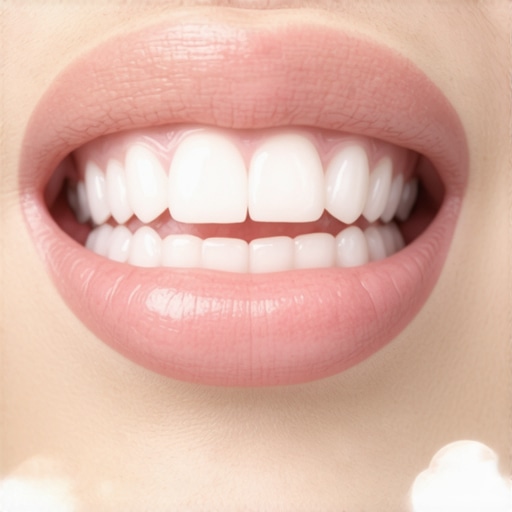
Ever had that strange, gritty sensation on your teeth after a busy day, when brushing just doesn’t seem enough? I used to brush relentlessly every evening, thinking I was doing everything right. But no matter how much I scrubbed, that fuzzy film kept creeping back, leaving me frustrated and questioning my oral hygiene routine. It was a lightbulb moment when I realized that the problem wasn’t just about cleanliness—there are underlying factors I was overlooking.
The Hidden Reasons Behind that Fuzzy Feeling
The sensation of teeth feeling fuzzy isn’t just in your head—it’s often caused by a buildup of plaque, a sticky film of bacteria that forms on your teeth. Over time, plaque can mineralize into tartar, which is much harder to remove with regular brushing alone. This visibility of plaque isn’t just about aesthetics; it’s a sign your mouth might be fighting a losing battle against bacteria that can lead to cavities and gum disease if left unchecked. Interestingly, the American Dental Association states that plaque starts forming within minutes after brushing, which underscores how critical consistent, effective oral care is.
Are You Falling Into These Common Mistakes?
In my early days, I made a mistake many people do—overlooking the importance of thorough cleaning techniques and relying solely on brushing. I didn’t realize that flossing and proper technique matter just as much as brushing. Neglecting these details allowed plaque to accumulate, giving me that fuzzy feel even after brushing. To avoid this, it’s essential to adopt a comprehensive oral health routine. Want to learn more? Check out teeth cleaning secrets for effective home practices.
In the next sections, I’ll guide you through simple, proven strategies—based on my personal experience and backed by dental experts—that will help you keep your teeth feeling fresh and clean all day long. Ready to ditch that uncomfortable fuzz? Let’s dive into the essentials of maintaining a bright, healthy smile.
Start with a systematic approach to brushing, targeting every surface of each tooth. Use a soft-bristled toothbrush held at a 45-degree angle to your gums, gently moving in circular motions. My personal trick was to set a timer for two minutes—initially messy, but seeing the bright timer helped me maximize coverage and avoid rushing. Consistency is key: brushing twice daily is the minimum, but adding a third session after meals greatly reduces plaque buildup.
Combine an electric sonic toothbrush with traditional flossing for superior plaque removal. When I first tried this, I struggled with flossing slip-ups. Then I learned to gently curve the floss around each tooth, moving up and down. Think of flossing as cleaning the tines of a fork—focused, precise, avoiding damage to your gums. This combo dislodges particles that brushing alone can’t reach, preventing the sticky film from forming and feeling fuzzy.
Don’t forget your tongue and cheeks—they harbor bacteria too. Scrape your tongue with a tongue cleaner or soft toothbrush, moving from back to front. In my experience, neglecting these areas caused persistent bad breath and that fuzzy sensation. Regularly cleaning them boosts saliva action, which is your natural defender against cavities. Don’t underestimate the power of a clean tongue in your oral hygiene arsenal.
Perform weekly visual inspections of your mouth—looking for red spots, swelling, or plaque streaks. I once noticed a small white patch that turned out to be early signs of irritation, prompting me to book a dental appointment early. Use a mirror, good lighting, and a clean finger or gauze to feel for rough patches. These micro-checks catch problems before they escalate, especially around crowns or tricky molars.
After brushing, carefully insert floss between teeth, rubbing gently against each side. Use a floss holder if manual dexterity is an issue. This habit can be as simple as a nightly ritual—my routine before bed. For crowns or bridges, special floss designed with a stiff end makes threading easier, ensuring no plaque hides in hard-to-reach areas. Effective flossing dramatically reduces tartar buildup beneath crowns, which can induce that uncomfortable feeling if left unchecked.
Consider Special Tools for Sensitive or Crowded Areas
If you have tight teeth or crowns, opt for an interdental brush or water flosser. I tried a water flosser after noticing my gums receding slightly—a common issue even with good hygiene. The pulsating water cleans along the gumline, massaging tissues and removing debris irritants. These tools are particularly helpful around crowns that trap food, making your routine more comprehensive and keeping your smile feeling fresh.
Schedule Periodic Professional Cleanings
Even with diligent home care, professional cleanings are essential. I go for a cleaning every six months—my dentist removes tartar I can’t reach with daily brushing. Plus, they examine for early signs of decay or gum issues, especially around crowns or restorations. Regular visits are the ultimate safeguard against the fuzzy plaque sensation and ensure long-term oral health.
Remember, integrating these precise, intentional steps transforms your daily routine into an effective shield against plaque, tartar, and discomfort. For more detailed strategies tailored to crowns or family dentistry, explore expert advice on crowns and teeth cleaning.
Many people believe that brushing thoroughly twice a day is enough to maintain optimal oral health, but this oversimplification ignores crucial nuances. For instance, the myth that a quick brush can eliminate all plaque persists, yet dental professionals emphasize the importance of meticulous technique and supplementary tools like floss and interdental brushes. Rushing through a quick brush might leave behind bacteria hiding in gum pockets or between teeth, which can lead to tartar buildup and gum inflammation over time.
Are You Falling for the Myth of the One-Size-Fits-All Dental Routine?
Most assume that the same routine works universally, regardless of individual dental conditions. However, people with crowns, bridges, or orthodontic appliances require tailored approaches. For example, standard floss isn’t always effective around crowns, and using specific interdental brushes can prevent food entrapment and plaque accumulation in these areas. Misapplying generic advice can inadvertently accelerate dental issues or damage existing restorations.
Another common misconception involves the belief that using a whitening toothpaste reduces plaque or bacteria significantly. While these toothpastes can brighten teeth, they often contain abrasives that may etch enamel or irritate gums if overused. In fact, relying solely on whitening products without professional guidance might mask underlying issues like decay or enamel erosion. Consulting your dentist ensures that whitening matches your overall oral health strategy, especially if you have crowns or sensitive teeth.
Many overlook the importance of understanding how different dental restorations interact with daily hygiene practices. For example, crowns can trap plaque in hard-to-reach spaces, and neglecting these areas can cause recurrent decay beneath the restoration. Regular professional cleanings are vital because they address these hidden zones and remove tartar that daily routines often miss. For insights into maintaining your crowns properly, explore tips for crown longevity.
Why Are Routine Checkups Critical Even for the Most Diligent?
People often believe that good daily hygiene replaces the need for dentist visits, but this couldn’t be farther from the truth. Routine checkups detect early signs of issues like micro-cavities, minor gum recession, or inflammation that aren’t immediately visible or felt. These early interventions prevent the progression of problems that might require more invasive procedures later, such as root canals or extractions. Regular visits also help in assessing how well your current hygiene practices are working and whether adjustments are needed.
There’s also the misconception that flossing causes gum recession. While aggressive flossing can contribute to damage, properly performed flossing promotes healthy gums by removing bacteria in interdental areas. Learning correct flossing techniques from professional guidance ensures gums stay healthy without risking trauma. To refine your flossing habits, consider consulting dos and don’ts for crowns and flossing.
Reflecting on these misconceptions reveals that maintaining oral health isn’t just about brushing more or using trendy products. It involves a nuanced understanding of your unique dental anatomy, restorations, and habits. Avoid the trap of simplified routines by seeking personalized advice and regular professional care. Remember, a well-informed routine combined with professional guidance can significantly enhance your oral health and save you from costly, preventable issues. Have you ever fallen into this trap? Let me know in the comments, and let’s keep the conversation going.
Maintaining your oral health isn’t a one-and-done task; it requires deliberate tools and consistent maintenance routines. Over the years, I’ve tested various equipment to keep my teeth in top shape, and some stand out as truly effective. A high-quality electric toothbrush, for example, isn’t just a fancy gadget—it’s proven to remove more plaque than manual brushing, especially when combined with a timer and pressure sensor that prevents gum damage. For my routine, I swear by the Oral-B iO Series, which offers oscillating-rotating action coupled with real-time feedback. It’s like having a personal hygienist every morning and night.
Complementing a good toothbrush, I rely on specific flossing tools. Regular floss is effective, but for crowns and bridges, I use Floss Threaders and interdental brushes with stiff bristles. These tools reach into tight spaces around restorations better than conventional floss, reducing plaque buildup beneath crowns—a crucial factor for longevity. A recent study from the Journal of Periodontology confirms that targeted interdental cleaning significantly lowers gum inflammation for patients with restorations.
Another game-changer in my toolkit is the Water Flosser. I use the Waterpik Ultra daily, especially at night. The pulsating water washes away debris lingering around crowns and under appliances, which can cause that persistent fuzzy feeling if overlooked. Dental professionals suggest that water flossers are particularly beneficial for individuals with braces or crowded teeth, as they reach areas traditional floss might miss.
Now, where do I see this trend heading? Advances in smart dental devices are on the horizon—think app-connected brushes that monitor your technique and suggest improvements in real-time. Companies are investing in AI-driven diagnostics that can detect early signs of decay or gum disease via ultrasonic or optical sensors integrated into everyday tools. Staying ahead means embracing these innovations while rigorously maintaining proven practices.
How do I keep my tools working effectively over time?
Regular cleaning and timely replacement are vital. For electric brushes, I rinse the head thoroughly after each use, and replace it every three months or sooner if the bristles fray—this prevents bacteria buildup and ensures optimal cleaning. Flossers and interdental brushes should be rinsed and stored in a dry place to prevent mold and bacteria. I even run my water flosser through a descaling cycle monthly to keep mineral deposits at bay. Investing in these small routines prolongs your tools’ lifespan and maintains their effectiveness, helping you avoid unnecessary dental issues down the line. For more on caring for your crowns and tools, check out tips for crown longevity.
Curious about the future? I predict that personalized oral health devices, integrated with AI and machine learning, will become mainstream, offering tailored routines based on your unique dental profile. Think of a toothbrush that memorizes your brushing habits, detects areas missed, and adjusts its action accordingly—like a coach that makes each session smarter and more efficient. It’s an exciting prospect that could make oral health maintenance more accessible and effective for everyone.
How do I maintain my dental tools for lasting performance?
Simple habits do the trick: rinse your toothbrush and flosser heads after each use, avoid sharing your tools, and store them upright in a well-ventilated container. Replace parts on schedule—don’t wait until bristles are frayed or devices stop working. Regular care of your equipment ensures they continue to perform effectively, giving you reliable results that support your ongoing oral health efforts. Remember, well-maintained tools are your first line of defense against plaque and tartar accumulation, underpinning your daily routine. Ready to upgrade your toolkit? Try the method I use with interdental brushes—they’re affordable, specific, and make a tangible difference in your crown care routine.
Lessons from the Real World of Dental Care
One of my biggest revelations was realizing that even the most diligent brushing can’t undo the effects of neglecting interdental cleaning. I used to focus solely on brushing, believing I was doing enough, until I noticed persistent fuzz on my teeth. That lightbulb moment taught me that true oral health requires tackling those hidden, hard-to-reach spots where plaque loves to hide. I also learned that the type of tools I use, like interdental brushes and water flossers, can make or break my routine—simple upgrades that had a profound impact. And perhaps most surprisingly, consistent professional checkups act as a safety net, catching issues early when they are easiest to fix, rather than waiting for that uncomfortable fuzzy feeling to show up again.
Your Next Step Toward Lasting Freshness
Ready to elevate your oral health game? Equip yourself with a high-quality electric toothbrush, like the expert-approved tools, and incorporate targeted interdental cleaning with products such as interdental brushes or a water flosser. These are investments in your smile’s longevity and comfort, especially around crowns and restorations that demand special attention. Remember, regular professional cleanings are essential—you’ll be surprised how much tartar and plaque can hide beneath your routine’s radar, leading to that persistent fuzzy feeling. Think of it as giving your mouth a deep spring cleaning every six months to keep problems at bay.
Smile with Confidence: The Power of Knowledge
Taking control of your oral health is a journey, not a destination. Embrace the nuanced understanding that routines should be tailored to your unique dental needs, especially if you have crowns, braces, or other restorations. Staying curious and informed—like exploring detailed guides on caring for crowns—empowers you to make smarter choices. Remember, the goal isn’t just to avoid the fuzzy feeling but to truly optimize your overall oral wellness, ensuring your smile remains radiant and healthy for years to come.