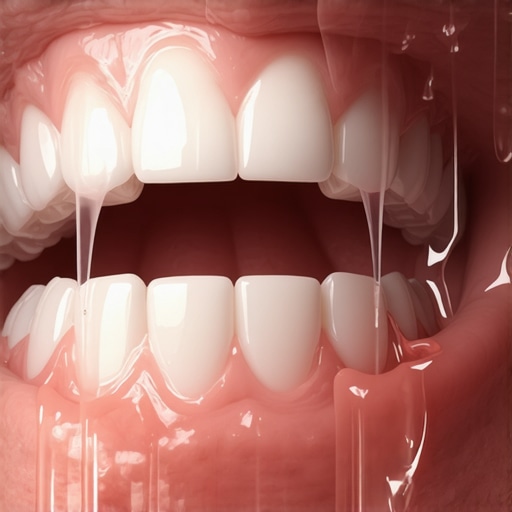
It was a morning like any other, but as I reached for my toothbrush, I suddenly remembered the last cavity I had—an annoying, inconvenient visit that left me questioning: why do I keep getting cavities despite brushing regularly? That’s when it hit me—saliva. Yes, that constantly flowing, often overlooked bodily fluid might just be your secret weapon against cavities. I used to dismiss saliva as just “mouth spit,” but over the years, I’ve learned it’s far more important in the battle to keep our teeth healthy than I ever imagined. If you’ve ever wondered why your teeth still decay despite diligent brushing and flossing, you’re not alone. The good news is, understanding and supporting your saliva’s natural defenses can dramatically reduce your risk of cavities. Today, I promise to share personal insights and practical tips to harness this incredible, natural defense more effectively.
Unlocking the Power of Saliva in Dental Health
Saliva does more than just moisten your mouth; it’s an active player in protecting your teeth. It neutralizes acids, helps wash away food particles, and supplies minerals that repair early tooth decay. Early in my journey, I made a simple mistake—thinking salivary flow wasn’t that crucial—that led to a mini wave of cavities. It wasn’t until I learned about how saliva’s buffering capacity fights the acids produced by bacteria that I realized my mistake. Supporting saliva production became my priority, and I started noticing a difference.
Have you ever experienced a dry mouth or noticed your saliva flow diminishes at times? If so, you’re not alone. Many people don’t realize how vital saliva is, until they notice increased tooth sensitivity or plaque buildup. According to recent studies, saliva quality and quantity are directly linked to cavity formation, making it essential to nurture this natural defense.
In this article, we’ll explore how to maintain optimal saliva flow, dispel common misconceptions, and incorporate easy practices into your daily routine. If you’ve faced persistent cavity issues or dry mouth, this guide might hold the key to a healthier, cavity-free smile.
Stimulate Saliva Production Actively
One effective way I increased my saliva flow was by chewing sugar-free gum after meals. The act of chewing mimics the natural process of salivary stimulation, much like pedaling a bike to keep it moving smoothly. I noticed that chewing for about 10 minutes post-eating kept my mouth moist and helped wash away acids and food particles effectively. Use xylitol-based gum, as it also inhibits bacteria responsible for decay. Consistently doing this fosters a healthier environment in your mouth. For personalized advice, consider consulting your dental professional.
Optimize Hydration and Dietary Choices
Staying well-hydrated is crucial; I started drinking more water throughout the day, aiming for at least 8 glasses. Drinking water not only boosts saliva volume but also helps dilute acids. Incorporate crunchy, water-rich vegetables like celery and cucumbers into your meals—they act as natural toothbrushes, helping to clean teeth and stimulate saliva. Limit intake of sugary or acidic foods that can deplete saliva buffers and erode enamel. Remember, supporting your saliva depends heavily on consistent hydration and smart food choices. Review your oral hygiene routine regularly to stay on track.
Enhance Saliva Flow with Lifestyle Habits
I’ve found that avoiding caffeine and tobacco, which dry out the mouth, significantly improved my saliva production. Also, managing stress through meditation or exercise helps maintain balanced salivary glands. I adopted a habit of taking brief breaks during work to sip water and do gentle jaw exercises—this kept my glands active. If dry mouth persists, it may point to underlying health issues; consult your family dentist for tailored strategies. Making these small but consistent lifestyle adjustments can dramatically support your body’s natural defenses against cavities.
Use Humidifiers and Environment Control
In my case, I noticed my dry mouth was worse during seasons with dry air. Using a humidifier in my bedroom increased moisture in the air, which in turn helped keep my mouth moist overnight. This simple environmental tweak prevented waking up with a parched mouth and decreased cavity risk. Additionally, avoiding mouth-drying medications without consulting a healthcare provider is important. Environment plays a subtle yet impactful role in saliva production—integrate this understanding into your daily health practices.
Maintain Regular Dental Checkups and Cleanings
Finally, I prioritize scheduling professional cleanings at least twice a year. These sessions remove plaque and tartar that harbor bacteria producing acids. During appointments, I ask for advice on saliva-boosting techniques and tailored oral care routines. Remember, even the best natural defenses need professional support. Learn more about the benefits of regular professional cleanings and their role in overall oral wellness. Supporting your saliva is an ongoing process; consistency is key to a cavity-free smile.Many patients believe they understand the basics of dental care, but in reality, there’s a wealth of nuances that even some dental professionals might overlook. One common misconception is that brushing alone is sufficient for comprehensive oral hygiene, yet studies show that proper flossing and professional cleanings are equally vital for removing plaque from areas toothbrushes can’t reach effectively.
Is flossing really indispensable, or is brushing enough for cavity prevention?
Recent research published in the Journal of Dental Research indicates that neglecting interdental cleaning significantly increases the risk of periodontal disease and secondary decay, challenging the oversimplified narrative that brushing suffices. Furthermore, many assume that dental crowns and restorations don’t require special maintenance, but without proper care, missteps like using the wrong flossing technique can trap debris and accelerate decay around crowns. For expert advice on maintaining your dental restorations, visit our detailed guide. \nAnother widespread myth involves the necessity of fluoride—many believe it’s only beneficial for children, but emerging evidence suggests that adult teeth also benefit substantially from fluoride exposure, especially in preventing root cavities and erosion. According to a 2020 review in Public Health Dental Journal, fluoride application remains a core component of adult oral health strategies. \nAn advanced question I often encounter is: How does oral microbiota diversity influence cavity development, and can we manipulate it for better outcomes? Recent microbiome studies, such as those summarized in the Journal of Oral Microbiology, reveal that maintaining a healthy, diverse microbial community in your mouth can naturally hinder pathogenic bacteria, offering a new frontier in preventative dentistry. Instead of focusing solely on bacteria eradication, supporting beneficial microbes through diet and oral probiotics might be more sustainable long-term. \nRemember, the key to sustained oral health lies in understanding these subtleties. Small mistakes—like using the wrong toothbrush or neglecting to replace your toothbrush regularly—can undermine your efforts. Always stay informed and consult your dental professional for personalized advice. Supporting your routine with accurate knowledge can dramatically improve your oral health journey. Have you ever fallen into this trap? Let me know in the comments.When it comes to keeping your teeth in optimal condition over the years, having the right tools and habits makes all the difference. Personally, I swear by a high-quality electric toothbrush like the Oral-B Genius series, which I’ve used consistently for over five years. Its oscillating-rotating technology ensures thorough plaque removal, especially around crowns and hard-to-reach areas. Coupled with a smart timer, it guarantees I brush for the recommended two minutes, preventing incomplete cleaning sessions. Additionally, I incorporate interdental cleaning devices such as Water Flossers, specifically the Waterpik Aquarius, which I find especially effective for cleaning around dental restorations and bridging gaps in my family’s dental routines.
Investing in a good magnifying mirror with LED lighting has profoundly changed my approach to self-care. It allows me to inspect areas that might be missed during regular brushing, helping me catch early signs of plaque buildup or gum irritation. Regular use of tools like these empowers you to maintain oral health proactively.
On the software side, I utilize eco-friendly, fluoride-rich toothpaste like Tom’s of Maine, which supports enamel health and reduces the risk of decay without harsh chemicals. For long-term results, I plan my dental checkups every six months, aligning with recommendations from professionals like those at family dentistry. These visits include professional cleanings that remove calculus buildup that cannot be thwarted by brushing alone.
Looking ahead, I believe the future of dental maintenance will involve smart sensors integrated into toothbrushes and oral health apps that provide real-time feedback and personalized care reminders. Recent advancements in oral microbiome research, such as the work published in the Journal of Oral Microbiology, suggest that supporting beneficial bacteria through targeted probiotics could be a game-changer for cavity prevention.
How do I keep my dental tools working effectively over time?
Proper maintenance of your dental equipment like toothbrush heads, interdental cleaners, and oral irrigators is essential. Rinsing brushes after use and replacing brush heads every three months prevents bacterial buildup and ensures optimal performance. Similarly, descaling water flossers and replacing filter cartridges regularly extend their lifespan and maintain their efficacy.
Remember, using tools designed for your specific needs and maintaining them diligently can dramatically improve your oral health results. Incorporate routine checks of your dental tools into your weekly habits, and you’ll notice fewer issues over the years. For expert guidance on tailoring your dental toolkit, consult your dental professional. Start experimenting with one of these tools today—perhaps a magnifying mirror or a new interdental cleaner—and observe how it enhances your routine. Small investments in quality and maintenance can lead to significant, long-lasting benefits for your oral health.
What I Wish I’d Known About Saliva and Oral Health Sooner
One of the most valuable lessons I discovered is that supporting my saliva production isn’t just about avoiding dry mouth—it’s a proactive step in cavity prevention. I once thought that brushing and flossing alone were enough, but understanding saliva’s role in neutralizing acids completely changed my approach. Recognizing this shifted my daily routine, including dietary choices and hydration habits, leading to noticeable improvements.
A second insight was realizing how environmental factors, like dry indoor air, play a subtle yet significant role in oral health. Incorporating simple fixes like using a humidifier made a big difference in maintaining consistent saliva flow, especially during winter months or dry climates.
Lastly, seeking personalized advice from dental professionals who understand the nuances of saliva and oral microbiota has been invaluable. Their tailored recommendations empower me to support my natural defenses rather than solely relying on products or treatments.
Tools and Resources That Transformed My Dental Routine
Over time, I’ve come to trust a few essential tools that genuinely support saliva production and overall oral health. The Oral-B Genius electric toothbrush, with its oscillating-rotating technology, ensures thorough cleaning and stimulates gums. Adding the Waterpik Aquarius water flosser to my routine has helped clean around crowns and bridges more effectively—it’s a game-changer for maintaining hard-to-reach areas. For monitoring my oral health, a bright LED magnifying mirror has given me peace of mind, allowing me to spot early signs of plaque buildup.
In terms of reading, books like “The Oral Microbiome Revolution” broadened my understanding of how microbial diversity influences cavity formation and overall health. These resources have equipped me to make informed decisions, from diet adjustments to probiotic support.
Your Path to a Thriving Smile Starts Here
Taking control of your oral health by nurturing your body’s natural defenses is empowering and achievable. Small daily steps, like staying hydrated, choosing saliva-stimulating foods, and consulting with dental professionals, can lead to long-term benefits. Remember, your smile reflects your overall health so investing in it pays off.
What has been your biggest realization about maintaining oral health naturally? Share your experiences below—I’d love to hear how supports like saliva have made a difference in your journey.
,