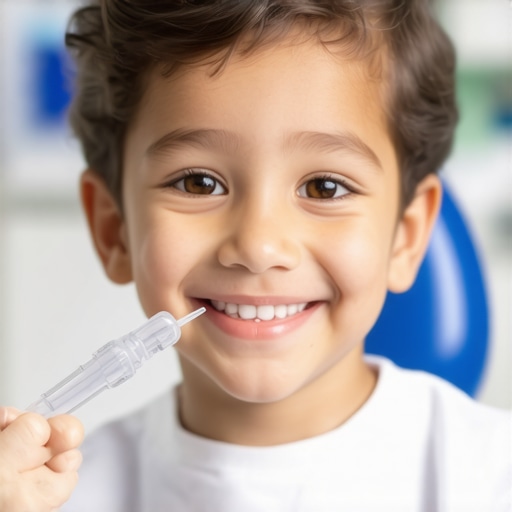
I remember the moment vividly—seeing my child’s tiny, precious tooth wobble and then finally fall out way earlier than I had expected. My first instinct was simple: celebrate! But beneath the joy, an uneasy feeling crept in. What does this mean for her growing smile? Later, I discovered that losing a baby tooth prematurely can sometimes mean more than just a quick visit to the dentist; it might also mean your child needs a spacer to keep their teeth aligned properly.
Don’t Let Missing Teeth Shift Your Child’s Smile
When a tooth exits the stage earlier than planned, it leaves behind a gap that isn’t just a cute little space—it’s a potential train wreck for your child’s dental harmony. Without intervention, adjacent teeth can drift into the empty spot, causing misalignment, crowding, and as my dentist explained to me, even affecting how adult teeth come in later. This could turn a simple lost tooth into a bigger orthodontic puzzle down the road.
Will a Spacer Hold Off Future Problems?
From my personal experience, I initially thought that just waiting for the adult tooth to come in would suffice. But I learned the hard way that timing is crucial. A spacer acts as a placeholder, maintaining the necessary space for the adult tooth to emerge correctly. According to a study from the American Association of Orthodontists, early intervention with spacers can significantly reduce the need for more invasive procedures later, saving your child from discomfort and expensive treatments.
Are you confronting the anxiety of your child losing a tooth prematurely and unsure whether a spacer is necessary? You’re not alone. Many parents face this dilemma, and understanding the importance of spacers can make all the difference. So today, let’s explore why a simple spacer can be a game changer—and how you can ensure your child’s smile stays on track.
Place the Spacer Early and Correctly
When your child loses a tooth prematurely, acting quickly matters. I remember the day I called our family dentist to schedule the spacer placement. The dentist explained that placing the spacer within the first week helps preserve the necessary space for adult teeth. She used a simple analogy—think of it as a bookmark for your child’s future smile—making sure the space isn’t claimed by neighboring teeth.
Be Precise During Fitting
During the appointment, the dentist measured the gap and custom-made the spacer. I watched as the spacer was gently fitted into the space, ensuring it wasn’t too tight or loose—both could cause issues. The key is to keep the spacer secure yet comfortable, preventing any shifting of adjacent teeth or discomfort. This step reminds me of fitting a crown—precision ensures longevity and comfort, much like how crowns can transform your dental confidence.
Educate and Monitor Your Child
After placement, I explained to my child that the spacer was like a tiny guard for her teeth—protecting her future smile. Regular check-ups are essential; during these visits, the dentist evaluates the spacer’s fit and adjusts if necessary. I also learned that maintaining good oral hygiene helps prevent bacterial buildup around the spacer, which could cause inflammation or discomfort. For at-home routines, I recommend thorough brushing and daily flossing—these are vital for overall family dental health.
Manage Discomfort Effectively
My experience was a bit messy—initially, my daughter complained of slight soreness. The dentist advised using warm salt water rinses and over-the-counter pain relief if needed. Monitoring her progress, I ensured she avoided hard candies or sticky foods that could dislodge or damage the spacer. This proactive approach aligns with the advice found in how to reduce swelling of a tooth infection at home, but tailored for preventive care.
Stay Prepared for Future Treatments
Using a spacer can simplify subsequent orthodontic procedures, saving your child from complex treatments later. I kept a log of each appointment and the spacer’s condition, which proved helpful during follow-up visits. If you notice any changes—such as increased discomfort or the spacer shifting—consult your dentist promptly. Maintaining consistent dental care routines is vital, and I often revisit dos and don’ts for maintaining dental crowns to ensure overall oral health.
While many believe that good brushing and annual check-ups are enough to maintain optimal oral health, the reality is far more nuanced. One widespread myth is that if your teeth look clean, they are healthy, but surface cleanliness doesn’t always indicate underlying issues like gum disease or early cavities. Dental calculus, or tartar buildup, can hide beneath the gum line, making professional cleanings essential for detecting hidden problems. Also, some assume that crowns and fillings last forever—that’s false; they degrade over time and require careful monitoring, as detailed in expert advice on crowns and teeth cleaning. Many neglect the importance of targeted home care routines, overlooking the effectiveness of flossing and specialized rinses tailored to individual needs. A common mistake is believing that teeth whitening treatments damage enamel—yet, when performed correctly and under professional supervision, they are safe and effective. It’s crucial to understand that regular teeth cleaning significantly boosts overall oral wellness beyond just aesthetics. Advanced issues often stem from poor understanding of subtle signs like gum recession or enamel erosion, which can be mistaken for normal aging. This misinterpretation delays necessary interventions, leading to more complex problems down the line. Interestingly, many overlook how lifestyle factors—for example, diet, smoking, or Vaping—directly influence oral health, sometimes more than routine care. According to research, professional cleanings combined with lifestyle adjustments create the best defenses against deterioration. Are you falling prey to any of these misconceptions? Understanding these nuances can save your smile from unnecessary damage. Remember, a comprehensive approach combining professional care, correct habits, and awareness of advanced symptoms is essential for lasting oral health. For tailored advice, consider consulting your dentist or visiting our contact page. Let’s ensure your oral hygiene practices are truly effective—because every detail counts for your confidence and well-being.Maintaining your oral health over time requires more than just good brushing habits; it involves the right tools and a strategic approach. I personally prefer using a high-quality, electric toothbrush, like the Sonicare DiamondClean, because its sonic vibrations effectively disrupt plaque beyond what manual brushes can achieve, especially in hard-to-reach areas. Pairing this with interdental brushes, such as TePe Interdental Brushes, allows me to floss effectively where traditional floss might miss, especially between larger gaps or around crowns. Regular use of fluoride rinses enhances enamel resistance, a crucial step supported by research indicating they strengthen teeth against acid attacks.
Another essential tool I rely on is a tongue scraper—like the Orabrush—which helps remove bacteria and reduce bad breath. Incorporating these tools into my daily routine has significantly improved my long-term oral health and preserved my restorations.
Looking ahead, I predict that advances in AI-powered dental devices will further personalize oral care, detecting early signs of decay or gum issues via smartphone syncs. This personalized approach aims to catch problems before they escalate, saving time and money.
How do I maintain my dental tools and techniques over time?
Proper maintenance of your dental tools is critical. Rinsing electric toothbrush heads thoroughly after each use prevents bacterial buildup. Replacing toothbrush heads every three months ensures optimal cleaning efficacy, aligning with ADA recommendations. Interdental brushes should be cleaned with soap and water after each use; keeping them dry prevents mold growth. Regularly inspecting your tools for wear and tear ensures they function correctly, helping you avoid unnecessary trauma or ineffective cleaning. Additionally, scheduling semi-annual professional cleanings and check-ups ensures that your home routines complement your dental provider’s care, contributing to sustained oral wellness. For details on professional care routines, see this helpful guide.
To keep your smile shining bright, consider integrating these advanced tools into your daily routine and maintaining them diligently. Adopting such habits now can prevent costly dental issues later, and staying informed with the latest in dental technology and techniques will keep you ahead in your oral health journey. Remember, consistent care and the right equipment make all the difference in achieving lasting results—so why not give a high-quality electric toothbrush a try today?
Reflecting on my journey, I realize that every smile tells a story—sometimes of early lessons, sometimes of missed opportunities. Addressing issues like premature tooth loss or misaligned teeth can seem daunting, but the truth is, taking proactive steps now can safeguard your child’s future smile in countless ways.
Small Steps, Big Impact: The Lessons I Wish I Learned Sooner
- Early intervention is your biggest ally: Waiting might seem easier, but timely placement of spacers or sealants can prevent complex orthodontic problems later, saving your family money and stress.
- Understanding the whys behind treatments makes a difference: Knowing that a spacer acts as a guardian for emerging adult teeth helped me appreciate its importance and reduced my child’s discomfort during the process.
- Prevention is more than just brushing: Regular dental visits, proper tools like interdental brushes, and lifestyle choices collectively preserve your family’s oral health long-term, beyond what daily brushing can achieve.
- Empower your child with knowledge and habits: Teaching kids to care for their teeth early fosters independence and ensures they develop lifelong habits that keep their smiles vibrant.
- Stay curious and informed about new technologies: From high-tech toothbrushes to AI-driven diagnostics, embracing innovations can make routine care more effective and engaging.
Must-Have Tools for Maintaining Bright Smiles
My trusted toolkit now includes a Sonicare DiamondClean electric toothbrush for superior plaque removal, interdental brushes like TePe for hard-to-reach spots, and fluoride rinses to strengthen enamel. Using a tongue scraper like Orabrush helps eliminate bacteria, and professional cleanings are scheduled biannually for comprehensive care. These tools, combined with staying informed through expert resources, form the backbone of my family’s dental routine.
Ignite Your Passion for Healthy Smiles
Every positive change you make in your oral health practices brings you closer to a future of confident, joyful smiles. Don’t wait for problems to appear; act today and witness the transformation of your family’s dental wellness. Remember, each small effort compounds over time—your smile’s best days are ahead.
What’s one dental habit you’re excited to improve or try? Share your thoughts below and inspire others on their journey to healthier smiles!
For more personalized advice, consider reaching out through our contact page. Let’s keep your family’s smiles shining brightly for years to come!