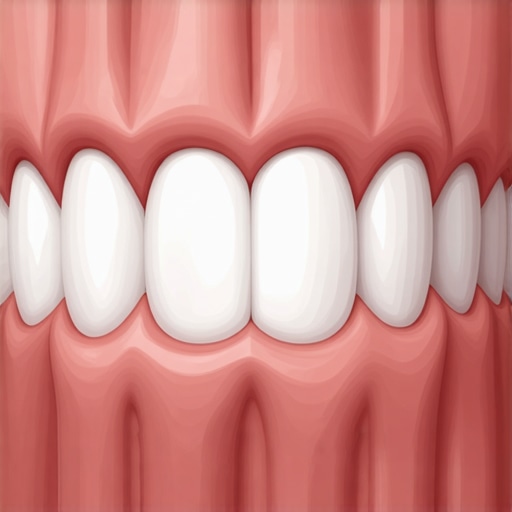
It hit me unexpectedly one morning—standing in front of the mirror, my reflection showing gums that seemed to have mysteriously crept back from my teeth. I had always prided myself on diligent brushing, flossing, and routine dental visits. So why was I waking up to a slightly longer smile and gums that looked a little less healthy? That moment was a lightbulb, sparking my curiosity about a perplexing dental mystery: why do gums recede even when your oral hygiene game is on point?
Your Gums Might Be Trying to Tell You Something
Gum recession can feel like a personal betrayal. You think you’re doing everything right, yet somehow, your gums are pulling away from your teeth. This is more common than most people realize, and it’s not always a sign that you’re neglecting your dental care. Sometimes, it’s a signal that there’s more going on beneath the surface.
In my early days of facing this issue, I made a crucial mistake. I believed that brushing harder would sweep away plaque better—mistake! Overzealous brushing can actually damage your gums, leading to recession, rather than preventing it. It took some digging and consultation with a trusted periodontal specialist to understand that effective cleaning isn’t about brute force; it’s about technique and the right tools.
But why exactly does this happen, especially when the hygiene seems impeccable? Several factors come into play—genetics, gums that are more delicate, certain medications, or even habits like teeth grinding. Some conditions, like periodontal disease, quietly eat away at the tissue supporting your teeth, often without obvious symptoms. Did you know that even people with excellent oral hygiene routines can develop gum recession? According to studies, up to 40% of people with healthy gums still experience this issue, which strongly suggests that factors beyond simple brushing are involved. That’s why understanding the root causes is vital.
So, if you find yourself in this boat—waking up to a slightly different smile, feeling sensitivity, or noticing your gums look different—it’s worth exploring. Don’t dismiss these signs as minor or inevitable. Addressing gum recession early can save your teeth and keep your smile attractive for years to come.
In the following sections, I’ll guide you through practical steps to uncover the real causes behind your receding gums and share strategies that have helped me and many others restore their oral health. After all, knowing what’s going on is half the battle won. Ready to dive into what truly influences gum health and how you can take control? Let’s start by examining some common misconceptions and risks associated with gum recession—things I wish I had known before my own journey began.
Master Your Brushing Technique to Protect Gums
Start by switching to a soft-bristled toothbrush—like gently sweeping a feather across your gums—aiming to clean without causing damage. I once used an old, stiff toothbrush and noticed increased gum sensitivity. After switching, I realized gentle strokes are more effective and safer, preventing further recession. For optimal results, adopt the Modified Bass method by angling your brush toward the gum line at 45 degrees. This targeted approach removes plaque without harming delicate tissue. Learn more about proper brushing at home dental practices.
Incorporate Proper Flossing Habits
Flossing isn’t just about removing food particles—it’s vital for disrupting plaque buildup along the gum line. Use a gentle sawing motion, sliding the floss carefully between teeth and hugging the curve of each tooth. I once rushed and snapped the floss, which irritated my gums; now I floss meticulously, and my gums have become healthier. For added benefit, opt for waxed floss that glides smoothly, preventing cuts or abrasions that could exacerbate recession. Remember, flossing at least once daily reinforces gum health and prevents further recession. Discover effective flossing techniques at home practices.
Schedule Regular Professional Cleanings
Think of professional cleanings as routine tune-ups for your oral engine. During a cleaning—called prophylaxis—a hygienist meticulously removes tartar and plaque deposits that even the best brushes can’t reach. I used to believe brushing was enough until my hygienist pointed out hidden deposits beneath the gumline. Regular cleanings every six months can halt early recession and spot issues before they worsen. Ask your dentist or hygienist about specialized periodontal treatments if you’re experiencing symptoms; they can tailor strategies to your needs. To understand the impact of cleanings on overall health, check out their significance.
Address Underlying Habits and Conditions
Habits like teeth grinding or clenching exert excessive force on gums and bone, accelerating recession. I caught myself clenching during stressful days—an action that, over time, worsened my gum line. Using a night guard—custom-made by your dentist—can absorb these forces, protecting your tissues. Additionally, medications like certain antihypertensives may contribute to dry mouth, which reduces saliva’s natural protective effect and accelerates recession. Regular dental assessments can identify such issues early, allowing for targeted interventions. For comprehensive guidance, explore tips for managing grinding.
Optimize Your Diet for Gum Health
Nutrition plays a crucial role—think of it as fuel that keeps your gums resilient. Incorporate foods rich in vitamin C, omega-3 fatty acids, and antioxidants to support tissue repair and reduce inflammation. I added more berries and fatty fish to my meals, noticing decreased gum bleeding and improved healing. Conversely, cutting down on sugary snacks and acidic drinks prevents plaque accumulation and enamel erosion. Proper hydration—drinking plenty of water—maintains saliva flow, essential for neutralizing harmful acids. For detailed dietary strategies, visit family dental tips.
,Many people believe that routine teeth cleaning alone is enough to maintain optimal oral health, but this is a common misconception. In fact, focusing solely on surface-level cleaning can lead to overlooked issues like gum disease and cavity formation beneath the surface, especially if proper techniques aren’t used. For example, aggressive brushing may seem beneficial, but it can cause gum recession and enamel erosion, ironically worsening your oral health. A study published in the Journal of Periodontology highlights that improper brushing techniques are responsible for nearly 30% of gum recession cases, underscoring the importance of correct habits. Furthermore, many assume that dental crowns are foolproof solutions for damaged teeth, yet they require meticulous maintenance. Poor care, such as neglecting regular cleaning or using abrasive products, can compromise the longevity of a crown and lead to secondary decay. Learn more about maintaining your dental crowns with proper care tips. Another myth involves family dentistry being solely about children’s dental needs. In reality, comprehensive family dentistry covers all ages, emphasizing preventative care that adapts to evolving oral conditions over a lifetime. Neglecting this can lead to overlooked risks, like early signs of gum disease or wisdom tooth impaction, which become more complicated if ignored. Advanced issues like these are often missed in routine checkups when practitioners focus only on visible problems. So, what most people miss is the importance of personalized, ongoing care tailored to your specific oral health status, not just periodic cleaning. If you think you might be falling into this trap, it’s worth consulting with your dentist to develop a nuanced, proactive plan. For an in-depth look at how regular cleanings impact your overall wellness, check this resource. Additionally, the nuances of how crowns can enhance your smile go beyond their initial placement; they require maintenance, especially considering factors like biting force and hygiene habits. Addressing these subtleties can significantly extend the life of your restoration. Remember, the devil is in the details—small habits and misconceptions can dramatically influence your oral health trajectory. Are you aware of these hidden pitfalls? Let me know in the comments!Maintaining your oral health over the long term requires more than just daily brushing and flossing; it involves using the right tools and established routines that support your unique needs. From high-quality equipment to innovative software, I’ve curated a set of resources that I personally trust to keep my smile healthy and functional. These tools not only help me maintain my teeth and gums but also allow me to monitor progress and make adjustments as needed.
Invest in a Sonic Toothbrush for Effective Cleaning
Unlike traditional manual brushes, a **Sonic Toothbrush** delivers up to 40,000 strokes per minute, providing superior plaque removal and gum stimulation. I personally use a **Philips Sonicare DiamondClean**, appreciating its precision and gentle yet thorough cleaning action. Its different brushing modes allow me to tailor my routine—especially beneficial when managing sensitivities or crowns. The advanced sonic technology reaches deep into periodontal pockets, preventing plaque buildup that could otherwise lead to recession.
Utilize a Dental Monitoring App to Track Your Progress
Modern technology offers innovative solutions such as **Dental Monitoring** apps that connect your smartphone to your dental care routine. I use this app to send periodic photos to my dentist for review, allowing early detection of plaque accumulation or gum issues. This proactive approach helps me stay ahead of potential problems, especially during busy periods or when traveling. As the trend shifts toward personalized dentistry, incorporating such digital tools becomes essential for long-term success.
Employ a Water Flosser for Gentle but Effective Plaque Removal
For sensitive gums or areas hard to reach with traditional floss, I rely on a **Water Flosser** like the **Waterpik Ultra**. It uses a pulsating water jet to clean along the gumline without abrasion. I find it particularly useful after meals when I’m on the go, providing a quick yet effective cleaning that supports healthy gums and prevents recession, especially around crowns where food traps are common.
Schedule Regular Professional Cleanings and Checkups
Despite my diligent routine, I recognize the importance of professional cleanings. I schedule semi-annual visits with my hygienist, who uses ultrasonic scalers to remove calculus and assess my gum health. Regular exams help catch early signs of periodontal disease or crown issues, keeping my oral environment in check. This habit aligns with the latest research, emphasizing that routine professional care significantly impacts overall oral wellness.
Future Trends: Smart Dental Devices and AI Integration
Looking ahead, I predict a surge in **smart dental devices** integrated with AI that personalize cleaning routines and offer real-time feedback. Devices like smart toothbrushes connected to health apps will provide data-driven insights, enabling more precise maintenance. According to a study in the *Journal of Dental Research*, AI-driven diagnostics are set to revolutionize preventive care, making oral health management more accessible and effective than ever.
How do I keep my tools and routines effective over time?
Consistency is key. I set reminders in my calendar to replace toothbrush heads every three months and update my dental monitoring app regularly. I also stay informed by reading trusted sources like this article on the importance of routine cleanings to reinforce my habits. The key takeaway: adopting advanced tools and staying proactive ensures lasting results.
I encourage you to try integrating a **water flosser** into your daily routine—it’s one of the simplest yet most effective upgrades for supporting healthy gums and preserving crowns. Remember, the right tools, combined with consistent care, can make all the difference in maintaining your beautiful smile for years to come. Want personalized advice on selecting tools suitable for your needs? Contact me through this page.
The Toughest Lessons From My Personal Battle with Gum Talk
One of the most eye-opening realizations I had was that gum recession isn’t always about neglect or poor hygiene. Sometimes, despite everything seeming perfect, genetic predispositions or subtle habits silently contribute to gum health decline. Recognizing that even diligent care has its limits taught me to be more observant and proactive in seeking personalized advice. Another unexpected lesson was how crucial soft techniques are—pushing harder with your brush doesn’t clean better; it can damage. Switching to gentle, precise methods changed my approach entirely. Lastly, I learned that early signs of gum issues are often discreet—sensitivity, slight discoloration, or minor bleeding—so staying alert and engaging with professionals at the first hint can save your smile in the long run.
Tools and Resources That Changed My Approach to Smile Care
My secret weapon remains a high-quality sonic toothbrush like the Philips Sonicare DiamondClean, which effectively removes plaque without harming delicate gums. For maintaining hygiene, I swear by a water flosser such as the Waterpik Ultra; it reaches where traditional floss can’t and is gentle enough for sensitive areas. I also rely on digital monitoring apps that connect with my dentist for timely feedback—making routine check-ins effortless and insightful. Lastly, I keep learning from trusted sites like this resource to stay ahead of new trends and techniques. These tools have proven invaluable in my journey to maintain healthy, resilient gums and a confident smile.
Keep Your Smile Bright and Strong—Here’s Your Moment
Embracing a proactive, mindful approach to oral health isn’t just about looking good—it’s about feeling secure in your health and enjoying the confidence that comes with a vibrant smile. Your gums are more than just tissue—they’re the foundation of your entire dental health. Start small: upgrade your daily routine with gentle, effective tools, stay informed through reputable resources, and schedule regular professional care. Remember, every positive action you take today builds a healthier, happier smile for tomorrow. Don’t wait for warning signs—make your oral health a priority now. How will you start prioritizing your gum health today? Share your thoughts below.