
It happened so suddenly I barely had time to react. I was mid-sentence when I felt the strange sensation—an awkward wobble in my mouth—and then, to my shock, my dental crown popped out right in front of my family at dinner. Panic set in. I was scrambling to figure out what to do, feeling vulnerable and pretty unprepared. That lightbulb moment hit me hard—what’s the best way to store a crown before I can get to the dentist?
Why Proper Storage of a Fallen Crown Can Save Your Smile
If you’ve ever had a dental crown come loose or fall out unexpectedly, you know how stressful it can be. But here’s the thing—timing and proper storage can make all the difference in whether your crown can be re-cemented successfully or not. A misplaced or poorly stored crown can lead to complications, infections, or even the need for costly replacements. Proper storage ensures that your dentist can do their job smoothly and minimizes the risk of further damage.
From personal experience, I learned that rushing to the dentist without thinking about how to preserve the crown might seem minor, but it impacts the entire repair process. Early on, I made the mistake of just placing the crown in my pocket without any protection—big mistake! The crown got scratched, which complicated the re-cementing process, and I had to go back for more work. I want to help you avoid that pitfall and keep your crown safe until professional help arrives.
Is Saving Your Crown Actually Worth the Effort?
Many people dismiss the importance of preserving a fallen crown, thinking they can always get a new one later. But the truth is, reusing the original crown is often faster, less expensive, and results in a better fit. Plus, it’s reassuring to know you’re doing everything possible to maintain your smile’s integrity. I’ve seen firsthand how proper handling can save time and money—and your confidence. For more insights, check out this article on how crowns can boost your confidence.
So, if you’ve recently experienced a crown falling out, or are worried about safety and preservation, keep reading. I’ll walk you through exactly how to store that precious piece of your smile properly. That way, you can head into your dental appointment feeling prepared and confident.
Secure a Clean Container
As soon as your crown pops out, grab a small, airtight container or a clean, moist cloth pouch. Think of it as packaging a precious jewel—your goal is to protect it from dirt, dust, and potential damage. I remember once slipping my crown into a dry tissue, which caused scratches—big mistake that delayed re-cementing. Keep the crown moist and clean to preserve its integrity.
Keep the Crown Moist
Moisture is crucial. Place the crown in a glass of milk or saline solution if available; these fluids help preserve the material and the cement bond. If neither is accessible, keep it in your mouth gently, or place it between your gum and cheek. This ensures the adhesive doesn’t dry out, which can compromise reattachment success.
Handle with Care
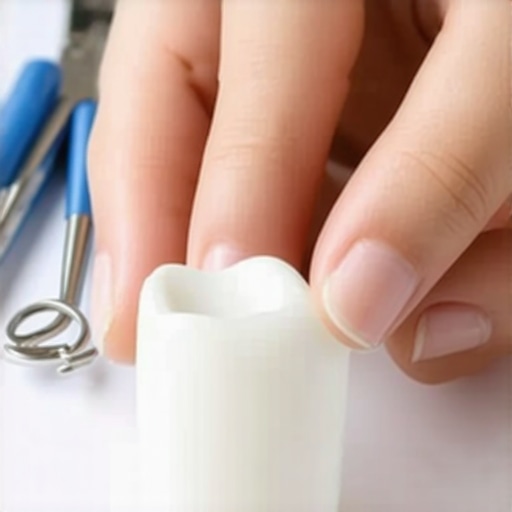
Use gloves or wash your hands thoroughly before touching the crown. Avoid gripping the crown with fingernails or metal objects that could scratch or deform it. Remember, the crown is delicate—think of it as a fragile heirloom. Once I learned this, I carefully wrapped my crown in plastic wrap, preventing any scratches during transit.
Assess the Crown for Damage
Before heading to the dentist, inspect the crown for chips, cracks, or damage. If it appears flawed, inform your dentist immediately. Sometimes, a damaged crown might need replacement, but often, minor chips can be repaired if preserved correctly.
Time Is of the Essence
Visit your dentist ASAP. The sooner, the better; delays can cause the tooth to shift or further damage to the remaining structure. When I experienced my mishap, I called my dentist within an hour. They advised me on proper storage and scheduled an appointment, which resulted in a smooth re-cementing process.
Additional Tips for Maintaining Your Crown
Always follow your dentist’s advice regarding crown care and maintenance. Regular cleaning and check-ups can prevent issues. To extend the life of your crown, use non-abrasive toothbrushes and floss carefully—especially when dealing with crowns, which can trap food and plaque if not cleaned properly. For effective home hygiene routines, explore secret home cleaning tips.
Remember, handling your dental crown with care during emergencies isn’t just about saving a piece—it’s about protecting your smile’s overall health. Keep these steps in mind, and you’ll improve your chances of a successful reattachment, saving time and money in the long run.
 When it comes to dental crowns and overall oral health, many misconceptions persist, often leading patients to make costly or ineffective decisions. Let’s dig deeper into some underestimated nuances that even seasoned practitioners sometimes overlook, challenging popular beliefs with an expert perspective.
Are All Crowns Created Equal, or Is There More Behind Material Choices?
Many assume that the type of material—porcelain, gold, or composite—is purely aesthetic. However, each material has distinct properties affecting longevity, biocompatibility, and how it interacts with the surrounding tissues. For instance, newer ceramics may seem superior, but they can be more brittle and prone to chipping if not properly handled. Experts emphasize that selecting the right crown depends on detailed assessment of bite forces, enamel compatibility, and patient habits—considerations often ignored in general conversations. Consulting specialized [caring tips for crown longevity](https://periodontistcare.com/caring-for-crowns-essential-tips-for-longevity-and-shine) can help prevent premature failures.
One common myth is that crowns are maintenance-free. In reality, neglecting routine check-ups and proper cleaning can lead to decay at the margins or gum inflammation. Advances in dental adhesive technology now mean that improper application can cause microleakage, leading to secondary decay—a nuanced point that many overlook. Regular inspections using modern imaging techniques can preempt such issues; see how [deep cleaning](https://periodontistcare.com/the-impact-of-regular-teeth-cleaning-on-overall-oral-wellness) supports crown health and overall wellness.
The ‘Oops’ Factor: Ignoring Subtle Signs of Failure
One major pitfall is dismissing minor discomfort or slight changes in bite as insignificant. Many patients believe that if their crown isn’t falling out, everything is fine. But small signs like persistent sensitivity, slight shifting, or gum recession around the crown can signal underlying problems, such as cement failure or marginal leakage. If unnoticed, these issues can escalate into more complex and expensive treatments. Timely intervention—guided by thorough understanding of crown interfaces—is crucial. Keep an eye on these subtle cues and consult your dentist promptly to avoid ‘silent’ failures that might otherwise go unnoticed.
Furthermore, avoid the trap of overreliance on DIY repair kits or home remedies. While tempting, improperly sealed or re-bonded crowns can cause further damage or infection. An experienced professional can evaluate whether a crown can be repaired or needs replacement, which sometimes involves a nuanced assessment of material integrity and the surrounding tissue health.
Have you ever fallen into this trap? Let me know in the comments. Navigating the world of oral health requires a nuanced understanding—deeper than just brushing and flossing. Keep informed to make the best choices for your smile!
Investing in Reliable Equipment for Long-Term Success
Maintaining your dental crowns and overall oral health isn’t just about good habits; having the right tools makes a significant difference. Personally, I swear by a Sonicare Eco™ electric toothbrush. Its dynamic cleaning action vibrates at 62,000 strokes per minute, effectively removing plaque around crowns without causing unnecessary wear. Unlike manual brushes, this device reaches deep into crevices, reducing the risk of decay at margins—a common issue if neglected. Regular use of such advanced equipment aligns with recommendations from experts emphasizing technology’s role in preventive dentistry.
Why a Water Flosser Is a Game Changer
I transitioned to a Waterpik Water Flosser after experiencing minor gum bleeding despite daily flossing. Its pressure-controlled jet can dislodge food and plaque trapped in difficult-to-reach areas around crowns or braces, which traditional flossing often misses. The pulsating water helps stimulate gum tissue, improving circulation and reducing inflammation—crucial for long-term crown and periodontal health. Dental studies, such as the one published in the Journal of Clinical Dentistry, confirm water flossers’ effectiveness at maintaining periodontal stability when used correctly.
Utilizing Software for Oral Health Tracking
Beyond physical tools, I rely on digital tracking apps that remind me of cleaning schedules, fluoride treatment days, and dental check-up appointments. Consistent monitoring helps catch issues early, reducing costly repairs or replacements of crowns. As technology advances, AI-driven apps are increasingly capable of analyzing images of your teeth, providing personalized advice and alerting you to potential problems—making long-term maintenance smarter and more proactive.
Predictions for Future Oral Care Technologies
Looking ahead, I predict a surge in smart dental devices integrated with IoT—Internet of Things—allowing real-time monitoring of oral health metrics. Wearable sensors and home-use smart toothbrushes might connect directly with your dentist, enabling remote diagnostics and tailored interventions. This evolution aims to make oral health management more precise, accessible, and less invasive, ultimately extending the lifespan of crowns and preserving overall mouth wellness.
How do I keep my Crown and Oral Hygiene Tools in Top Shape?
Implementing a routine of using high-quality equipment like the ones mentioned, combined with proper maintenance tips, ensures the longevity of your dental investments. Regularly replacing accessories—such as flossing tips or toothbrush heads—prevents bacteria buildup and maintains efficacy. Also, scheduling professional cleanings helps keep your crown margins tight and free of plaque buildup, as advised in expert guidelines.
If you’re interested in elevating your oral care routine, I highly recommend trying a water flosser for that extra cleaning power. It’s a small investment that can save you from future complications and additional costs. Remember, combining technological tools with diligent habits is the secret to keeping your crowns and teeth healthy for years to come.
3 Surprising Lessons I Discovered About Crowns and Family Dentistry That Changed My Approach
- Trusting superficial solutions can backfire—deep understanding of materials and techniques truly matters for longevity.
- Timeliness beats everything—waiting too long to address issues with crowns or oral health can lead to costly complications.
- Personal routines and the right tools make a difference—investing in quality dental care equipment pays dividends in oral health.
- Transparency from professionals about subtle signs of crown failure or oral disease can save you from surprises down the line.
- Education is ongoing—becoming proactive with information from trusted sources can keep your smile radiant and healthy longer.
My Go-To Resources for Keeping Crowns Strong and Smiling Bright
- Caring tips for crown longevity: Offers practical advice directly from dental experts to extend the life of your crowns.
- Regular teeth cleaning insights: Reinforces how consistent professional care supports overall oral health, including crowns.
- Home care secrets: Easy-to-follow routines to keep your smile clean between professional visits.
- Contact specialists: When in doubt, expert guidance ensures your crown and oral health are in good hands.
Your Smile’s Future Starts Now
Remember, maintaining your dental crowns and overall oral health is an ongoing journey. Every proactive step you take today builds a brighter, healthier tomorrow. Don’t wait for discomfort or damage to remind you of their importance—invest in your smile now, and it will reward you for years to come. Whether it’s through better tools, trusted resources, or simply staying informed, your efforts can make a world of difference.
Have you ever tried a new tool or technique that significantly improved your dental care routine? Share your experiences below—your story might inspire someone else to take that first, crucial step toward lifelong oral health.