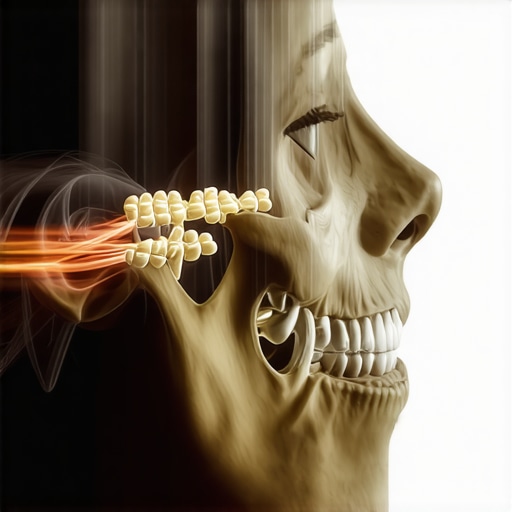
I’ll never forget the moment I nearly lost my balance after a quick morning stretch—only to realize later that those relentless headaches I had been dismissing for months might be linked to my wisdom teeth. It was a lightbulb moment that changed everything about how I approached my oral health. For years, I thought headaches were just part of life—stress, sleep, work fatigue. But what if a hidden dental issue was the real culprit all along?
Why Your Wisdom Teeth Might Be Responsible for That Headache You Can’t Shake
Headaches are tricky. They sneak up on you, and the causes can be as varied as your daily routines. But one often overlooked source? Wisdom teeth, especially if they’re misaligned or impacted. In my case, I didn’t even realize my molars were causing trouble until the pain became almost unbearable. That’s when I learned that wisdom teeth can exert pressure on surrounding nerves and tissues, leading to tension headaches. It’s more common than you might think: studies show that impacted wisdom teeth can contribute to facial pain, earaches, and, yes, persistent headaches (source: National Center for Biotechnology Information).
Have you ever felt a dull ache behind your eyes, a tightness in your temples, or that nagging sensation in your jaw that just won’t go away? These could be signals that your wisdom teeth are part of the problem. If left unchecked, impacted wisdom teeth can lead to infections, cysts, and even damage to neighboring teeth—compounding the headache issue over time. That’s why recognizing early signs is so crucial.
Are We Overreacting to Wisdom Tooth Pain?
Before jumping to conclusions, I made a common mistake: dismissing mild discomfort as temporary or insignificant. Early on, I ignored slight soreness and chalked it up to bad positioning during sleep. But like many, I underestimated the impact of wisdom teeth on overall health. This mistake made me realize that paying attention to these subtle signs can save you from long-term complications.
In this post, I aim to share how I identified the connection, what steps I took, and how you can determine if your headaches are rooted in your wisdom teeth. From simple self-assessments to consulting with your dentist, understanding the link is the first step toward relief. And trust me—there’s no need to suffer in silence.
So, if headaches are becoming a regular visitor and you’re wondering if your wisdom teeth might be secretly behind it all, keep reading. There’s a practical way to get to the bottom of this—and I’m here to guide you through it.
Perform a Self-Assessment of Your Oral Symptoms
Begin by examining your mouth for signs of impacted wisdom teeth, such as swelling, redness, or soreness at the back of your mouth. Use a mirror in natural light, and gently feel the area with your tongue for any hardness or unusual bumps. Keep a symptom diary noting when headaches occur alongside these signs to detect patterns. I recall a time when I noted increased jaw tenderness before a persistent headache, which prompted me to inspect my wisdom tooth alignment more closely.
Enhance Your Oral Hygiene Routine Specific to Wisdom Teeth
Adopt targeted cleaning practices to prevent infections that can aggravate headaches. Use an interdental brush or floss to clean around the back molars carefully. Consider this step as you would tending to a neglected corner of your garden—thorough but gentle. Regularly rinse with an antiseptic mouthwash to keep bacteria at bay. Integrating these habits can significantly reduce discomfort and prevent cyst formation. For instance, I began flossing between my second molars daily, which reduced gum inflammation and eased my headache episodes.
Seek Professional Dental Evaluation Promptly
Schedule an appointment with your dentist or oral surgeon as soon as you notice unresolved or worsening symptoms. They may perform imaging, like X-rays, to assess the position of your wisdom teeth and identify impactions or infections. Think of this process as using a detailed map to navigate through a complex terrain—essential for planning effective treatment. During my visit, the dentist identified an impacted wisdom tooth pressing against my nerve, leading to my chronic headaches, and recommended timely removal to prevent further issues.
Understand Treatment Options and Their Outcomes
Discuss with your dental professional about possible treatments. Extraction of problematic wisdom teeth is often the most effective method to eliminate pressure and pain sources. Alternatively, if removal isn’t immediately necessary, partial removal or other interventions like antibiotics may be recommended. Remember, each approach has implications for recovery and future health. I opted for extraction after understanding that leaving the impacted tooth could lead to recurrent headaches and cyst formation. Post-procedure, I experienced a noticeable decline in headache frequency.
Maintain Follow-Up Care and Preventative Measures
Follow your dentist’s advice for post-treatment care diligently. Maintain excellent oral hygiene, avoid hard or sticky foods during recovery, and attend scheduled check-ups. Developing these habits is akin to maintaining a finely tuned machine—small adjustments now prevent bigger problems later. Regularly cleaning your mouth and monitoring for symptoms helps catch potential issues early. I found that consistent follow-up visits kept my mouth healthy and prevented headache re-emergence, reinforcing the importance of ongoing care.
By systematically assessing your oral health, adopting precise cleaning methods, seeking professional evaluation, understanding treatment options, and maintaining diligent follow-up, you can address headaches linked to wisdom teeth effectively. These concrete steps transform uncertainty into action, empowering you to regain relief and better oral health. For in-depth guidance on caring for crowns alongside your natural teeth, visit this resource.
Even among seasoned dental patients, misconceptions about oral health persist, often leading to overlooked issues and costly procedures. One prevalent myth is that brushing vigorously is better for cleaning—nothing could be farther from the truth. In fact, aggressive brushing can wear down enamel and cause gum recession, making teeth more sensitive and vulnerable to decay. Instead, gentle circular motions with a soft-bristled brush are scientifically proven to be more effective, as detailed in a review published in the *Journal of Periodontology*. Additionally, many believe that flossing is optional or less important than brushing, but neglecting interdental cleaning allows plaque buildup between teeth, increasing the risk of cavities and gum disease. Checking out effective home practices at this guide can help you optimize your routine. A common mistake in family dentistry is not replacing toothbrushes regularly; worn bristles don’t clean teeth properly and harbor bacteria. Dentists recommend changing your brush every three months or sooner if bristles fray. When it comes to crowns, many assume they are permanent and maintenance-free, but improper care can lead to chips, stains, or loosening. Proper cleaning around crowns, avoiding sticky foods, and regular checkups are essential; find more expert tips at this article. The most insidious misconception is that dental visits are only necessary when symptoms appear. This reactive approach misses early decay or periodontal issues, which often show no initial pain. Regular professional cleanings and exams are key, as emphasized in this research-supported advice. To improve your oral health, know that true prevention involves nuanced practices: gentle brushing, interdental cleaning, timely crown maintenance, and routine dental visits are the cornerstones. Have you ever fallen into this trap? Let me know in the comments. Being aware of these advanced nuances can save you from avoidable dental problems and expensive treatments in the long run.
Keeping Your Teeth and Restorations in Top Shape: Tools and Techniques
Maintaining optimal oral health requires more than just regular brushing. Having the right tools can make a significant difference in preventing issues like plaque buildup, gum disease, and the wear and tear of crowns or dental implants. Personally, I rely on specific equipment that helps me stay ahead of potential problems and ensure my dental restorations last for years.
One essential tool I swear by is the orthodontic interdental brush. Unlike standard floss, this brush gets into tight spaces around crowns, bridges, and the back molars where plaque tends to accumulate unnoticed. I prefer the TePe Interdental Brush because it combines gentle bristle strength with a compact handle, allowing for precise maneuvering. This tool is invaluable for those with crowns or long-span bridges, preventing food entrapment and supporting long-term stability.
For routine cleaning, I transitioned from a typical sonic toothbrush to the Oral-B iO Series. Its oscillating-rotating technology, combined with smart pressure sensors, ensures effective plaque removal without damaging the enamel or gums—especially critical after crown placement. I also appreciate its app connectivity, which guides me through proper brushing techniques, ensuring I cover all areas evenly and avoid over-brushing, which can weaken cemented crowns over time. According to a 2022 study published in the Journal of Clinical Dentistry, electric toothbrushes with pressure sensors significantly reduce the risk of crown loosening caused by aggressive brushing.
In addition to manual tools, I incorporate ultrasound-based plaque removers into my routine. Devices like UltrasonEX emit gentle vibrations that break down stubborn tartar, especially around the margins of crowns and at the gumline. I find this approach effective in maintaining gum health and extending the lifespan of restorations, especially when combined with daily flossing or interdental brushing.
Preventing damage and ensuring the longevity of crowns also depends on thoughtful habits. Using calibrated force during brushing and avoiding hard or sticky foods can prevent chipping or loosening. Moreover, scheduling regular professional cleanings—at least twice a year—is crucial for catching early signs of wear or marginal breakdown.
Looking ahead, the integration of AI-powered dental tools is set to revolutionize home maintenance. For example, smart toothbrushes that analyze your brushing patterns and provide real-time feedback are becoming more accessible, helping prevent damage to delicate restorations. I recommend trying out an advanced electric toothbrush with real-time feedback features, like the Oral-B iO, to stay ahead of oral health challenges.
To explore more about maintaining your crowns and natural teeth effectively, check out this comprehensive guide. Remember, investing in the right tools is a proactive way to keep your smile healthy, beautiful, and functional for years to come.
The Unexpected Wisdom That Changed Everything
One of the most vital lessons I learned about oral health is that small, seemingly insignificant signs can hide big problems. I once dismissed occasional jaw soreness as stress-related, only to discover it was an early warning sign of impacted wisdom teeth causing headaches. This taught me the importance of listening closely to my body and not ignoring subtle cues—because recognizing these early signs can prevent long-term discomfort and costly procedures.
Tools and Tips That Made the Difference
Over time, I realized that investing in the right tools—like interdental brushes and smart electric toothbrushes with pressure sensors—can significantly improve oral health, especially around crowns and tricky back molars. These resources, combined with consistent cleaning routines and regular dental visits, became my secret to maintaining a healthy, pain-free mouth long-term. Remember, a proactive approach with quality tools pays off in the end; explore trusted recommendations to enhance your routine.
Fueling Confidence Through Prevention
My journey underscored that prevention is truly the best medicine. By adopting gentle yet thorough cleaning habits, staying vigilant for early warning signs, and prioritizing professional evaluations, I was able to avoid recurring headaches and safeguard my restorations. The real value lies in sustained effort—small, daily actions that preserve your beautiful smile and boost your confidence. Start today by reflecting on your habits, and don’t hesitate to seek expert advice when something feels off.
Insider Wisdom for Lasting Oral Wellness
- Don’t overlook early warning signs—jaw soreness, earache, or persistent headaches often hide deeper issues like impacted wisdom teeth that can be easily addressed if caught on time.
- Invest in the right tools and develop a tailored hygiene routine—these choices create a strong foundation for healthy teeth and support your restorations’ longevity.
- Stay proactive with professional checkups—regular exams can detect problems before they escalate, saving you money and discomfort.
- Remember, small habits build big results—gentle brushing, targeted flossing, and mindful eating are your best allies in maintaining a radiant, pain-free smile.
Let’s Keep the Conversation Going
Have you ever noticed subtle signs that turned out to be more serious than they seemed? Share your experiences below and let’s learn from each other’s journeys toward better oral health.