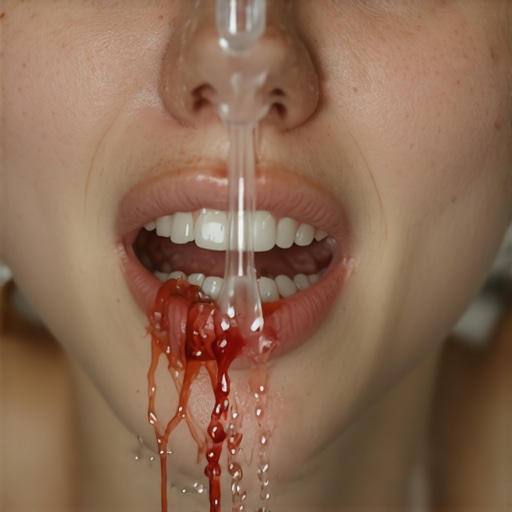
I remember the first time I used my water flosser, thinking it would be a quick and efficient way to clean those hard-to-reach spots. Instead, I was greeted with a concerning sight: bright red blood splattering onto my mirror. It was a lightbulb moment—I realized I might be doing something wrong. That initial bleeding puzzled me, made me worry, and honestly, it discouraged me from sticking to my daily routine.
What’s Behind Gums Bleeding When Using a Water Flosser?
Here’s the truth: it’s often more common than you might think, especially among those with delicate or inflamed gums. If your gums bleed only during water flosser use, it could be a sign that your gums are sensitive or that there’s underlying gum disease. When I first experienced this, I mistakenly thought that water flossing was damaging my gums. Turns out, it’s a typical response for many and not necessarily a sign of something serious—but it shouldn’t be ignored either.
Is Flossing With a Water Flosser Actually Worth the Hype?
Before panicking, I had to uncover whether water flossing was truly beneficial or just another dental fad. I found that when used correctly, water flossers effectively remove plaque, improve gum health, and can serve as a good alternative for those who find traditional flossing difficult. But if your gums bleed, it might mean you’re doing something wrong, or your gums need some extra care. Early on, I made the mistake of using too high pressure settings, which worsened my bleeding. Learning how to adjust my water flosser properly made all the difference.
If this rings a bell, you’re not alone. Many people face this issue, and it’s crucial to understand why it happens and how to address it. Keep reading, and I promise we’ll go through simple, practical steps to turn this frustrating experience into a healthy habit that benefits your smile.
,
Adjust Your Water Pressure for Gentle Cleaning
Start by setting your water flosser to the lowest pressure. I remember my first attempt—turning it all the way up because I thought more pressure meant better cleaning. Instead, my gums reacted with bleeding. A practical tip is to gradually increase pressure, testing your tolerance. Think of it like watering delicate plants; gentle streams do the job without damage. Adjust the dial slowly, and if you notice bleeding, dial it back.
Use Proper Technique to Protect Gums
Hold at a 90-Degree Angle
Hold the flosser tip at a 90-degree angle to your gum line, similar to how you’d approach painting a fine detail—precise and gentle. Move slowly along the gum contour, allowing the water jet to reach between teeth without forcing it. During my own practice, I found that quick, sweeping motions caused more bleeding, while slow, deliberate movements improved my gum health over time. Consistency is key—aim for at least 30 seconds per quadrant.
Avoid Directing Water Straight Into Gums
Instead of shooting water straight into the gum tissue, target the area just above the gum line. Think of it as watering the base of a plant rather than splashing water onto the leaves. This reduces irritation and helps the water dislodge plaque gently. I once accidentally aimed the jet directly into bleeding gums; after adjusting my angle, the bleeding decreased significantly, fostering healthier gums.
Establish a Routine and Know When to Seek Help
Make water flossing a daily habit but pay attention to your body’s signals. If bleeding persists despite proper technique and pressure adjustments, it could indicate underlying issues like gingivitis. Don’t ignore persistent bleeding—schedule a consultation at [family dentistry](https://periodontistcare.com/family-dentistry-focus-building-a-lifetime-of-healthy-smiles) to assess your gum health. Additionally, for detailed guidance about maintaining your crowns and ensuring they stay in top shape, visit [caring for crowns](https://periodontistcare.com/caring-for-crowns-essential-tips-for-longevity-and-shine).
Incorporate Complementary Practices for Better Outcomes
Water flossing works best alongside regular brushing and professional cleanings. Consider adding mouthwash approved for sensitive gums, like those recommended by dental experts. Regular professional cleaning helps eliminate tartar buildup that water flossers can’t reach. Remember, each step enhances your oral health—details available at [regular teeth cleaning](https://periodontistcare.com/the-impact-of-regular-teeth-cleaning-on-overall-oral-wellness). Keeping your gums healthy isn’t just about tools but consistent care and awareness.
 Many believe they know the basics of maintaining a healthy smile, but in reality, there’s a lot more beneath the surface that most overlook. For instance, a common myth is that all dental issues are visible or painful, leading many to ignore early signs of gum inflammation or subtle enamel erosion. However, studies show that periodontal disease can progress silently, causing significant damage before symptoms appear, making regular professional check-ups essential.
Another often-missed nuance is the importance of personalized dental care. Every individual’s mouth is unique, yet many follow generic routines that may not suit their specific needs. For example, choosing the wrong toothpaste or neglecting the health of existing crowns can cause complications down the line. Consulting with a family dentistry expert can help tailor a routine that addresses your unique oral landscape.
What advanced techniques can detect hidden dental issues before they become serious?
Advanced imaging technologies, such as digital X-rays and 3D scans, allow dentists to identify problems like bone loss or mini cracks invisible to the naked eye. These tools not only enhance early detection but also aid in planning precise treatments. According to a study published in the Journal of Clinical Dentistry, such imaging can improve diagnosis accuracy by up to 30%, ultimately saving patients from invasive procedures later. Remember, proactive care is always better than reactive treatment—so if you haven’t had a comprehensive exam recently, it’s worth scheduling a visit. Proper maintenance of dental restorations, like crowns, is another critical aspect. Many assume crowns are maintenance-free, but neglecting routine checks can lead to decay underneath or misfit issues. Regular evaluations and professional cleanings help extend the lifespan of your restorations and prevent more complex problems. You can learn more about how crowns contribute to both function and aesthetics in our detailed guide.
It’s also crucial to understand that neglecting minor issues now can lead to more significant problems later. For example, a small chip or wear on a crown might seem negligible but can harbor bacteria, risking infection or further erosion. Staying vigilant with daily routines and professional advice ensures your smile remains healthy and confident. So, the hidden nuance here is recognizing the importance of personalized, proactive, and technologically-augmented care, rather than settling for generic advice. Have you ever fallen into this trap? Let me know in the comments.
Keep Your Smile in Top Shape with the Right Tools
Maintaining oral health isn’t just about brushing and flossing; it involves using specialized tools that ensure your teeth and gums stay healthy over years. Personally, I swear by a few select items that have made a real difference in my routine. For instance, I use the Sonicare DiamondClean Smart Electric Toothbrush because its brush head oscillates at 62,000 movements per minute, providing a thorough clean without damaging enamel. I find that manual brushing can’t replicate that level of efficiency, especially around crowns and bridges, which are more susceptible to plaque build-up. Additionally, the Waterpik Ultra Water Flosser has been a game-changer for my gum health, especially since I had sensitive gums early on. Its adjustable pressure settings allow me to target problematic areas gently, minimizing bleeding and irritation. As research in dental tools advances, expect smarter devices with integrated AI to customize your cleaning patterns automatically, further enhancing long-term results.
Complementing these tools, I rely heavily on software like professional dental advice apps that help track my routine and remind me when to replace brush heads or schedule cleanings. Staying consistent with the right equipment extends your crowns’ longevity and improves overall oral health, which is why investing in quality tools is crucial.
How do I maintain my dental tools for durability?
Proper maintenance starts with regular cleaning. Rinse my electric toothbrush heads thoroughly after each use, allowing them to air dry to prevent mold. Water flossers should be cleaned monthly by running a vinegar and water solution through the device to remove mineral deposits. Store all tools in a dry, clean area away from contaminants. Additionally, periodically replace toothbrush heads or flosser tips—most manufacturers recommend every three months—to ensure maximum efficacy. By keeping your tools in top condition, you ensure they work effectively over time, leading to sustained dental health.
Long-Term Effects: How Consistent Tool Use Pays Off
Using effective tools consistently has shown measurable benefits. Studies highlight that regular water flosser use reduces bleeding and pocket depth in gum tissues after just a few weeks, with lasting effects over months if maintained diligently. Likewise, high-quality electric brushes can remove up to 10% more plaque than manual brushing. Investing in these tools isn’t just a short-term fix; it builds a foundation for a healthier smile for years to come. Expect future innovations such as smart toothbrushes that sync with your phone, providing feedback on brushing patterns and highlighting areas needing extra attention, as outlined in the latest dental technology reviews. Embracing these advances can help you scale your dental health efforts seamlessly.
Strategic Scaling and Family Care
If you’re caring for children or managing family dental health, select tools that are user-friendly and durable. For kids, consider electric toothbrushes with engaging designs and timers to instill good habits early. For the whole family, a multi-user water flosser with adjustable settings ensures everyone’s needs are met without sharing equipment, which reduces cross-contamination. Regular professional checkups amplify the benefits of your daily routine, ensuring crowns, fillings, and gums stay healthy. For a comprehensive approach, consult your dentist regularly about tools that can be integrated into your family’s ongoing dental care routine.
Now, I encourage you to try upgrading your current toothbrush with a high-tech model like the Sonicare DiamondClean. Its superior cleaning power and gentle modes adapt to sensitive areas, helping maintain crowns and reduce long-term complications. Remember, excellent tools paired with consistent habits unlock the full potential of your oral health. When in doubt, reach out through our contact page for personalized recommendations tailored to your smile’s unique needs.
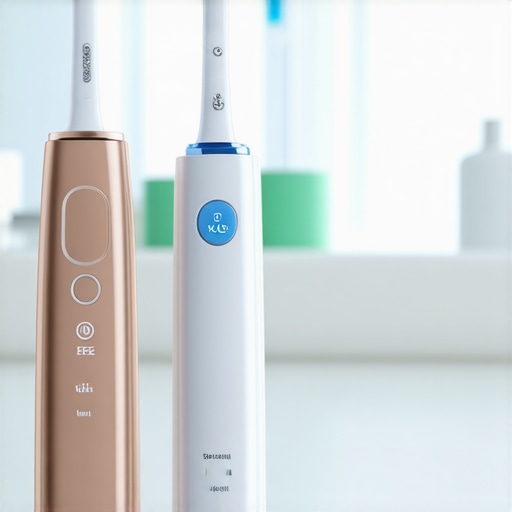
Image prompt: Close-up of a modern electric toothbrush and water flosser on a bathroom counter, emphasizing advanced dental tools designed for long-term oral health. Alt text: Modern toothbrush and water flosser for dental maintenance. Title: Advanced Dental Tools for Long-Term Oral Care.
What My Water Flossing Revelation Taught Me About Gentle Care
One of the most valuable lessons I learned was that patience and proper technique triumph over brute force. I used to think cranking up the water pressure would achieve a deeper clean, but I discovered that gentle, targeted water flossing not only reduces bleeding but also enhances gum health over time. This insight transformed my routine and encouraged me to listen to my body’s signals, emphasizing that effective care often lies in mindful precision rather than intensity.
The Surprising Secret to Extending Your Crowns’ Lifespan
Many overlook the importance of customized maintenance for crowns, assuming they require the same care as natural teeth. I found that using gentle whitening products recommended for crowns and avoiding abrasive brushing helps maintain their shine and prevents damage. Incorporating regular check-ins with my dentist, especially through tools I trust, ensures any issues are caught early, thus safeguarding my investment in a confident smile. For personalized guidance, consider consulting experts at professional dental advice.
How Embracing Technology Revolutionized My Dental Routine
The advent of smart dental devices changed the game for me. From electric toothbrushes that adapt to my brushing style to water flossers with customizable settings, technology offers real-time feedback and tailored care. These innovations are not just gadgets but tools that empower me to take control of my oral health daily. Investing in quality tools like the advanced dental tools enhances health outcomes and makes routine maintenance more efficient and satisfying.
Could Your Daily Routine Be Hidden Saboteurs?
Sometimes, seemingly minor habits undermine our oral health. Nail-biting, sugary snacks, or neglecting to rinse after meals can accumulate and lead to issues that compromise crowns and gums. I realized that small adjustments—like using a straw for acidic drinks or incorporating oil pulling—can make a significant difference. These tweaks, combined with professional advice, create a resilient foundation for a brighter, healthier smile. For further tips on strengthening your routine, explore daily strengthening strategies.
What Are Others Missing About Long-Term Smile Success?
- Personalized Care Matters: Not all routines suit everyone—getting tailored advice from professionals can prevent costly mistakes.
- Technology Is a Game-Changer: Embracing smart tools transforms everyday habits into effective health investments.
- Silent Signals Shouldn’t Be Ignored: Bleeding gums or sensitivity may seem minor but often indicate deeper issues that need early intervention.
My Essential Tools for Lasting Dental Confidence
I swear by a combination of high-quality electric toothbrushes, water flossers, and professional-grade whitening kits that are gentle on crowns. Brands like Sonicare and Waterpik are backed by research and user reviews I trust. Regular checkups and professional cleanings, detailed in the impact of professional cleaning, amplify the benefits of these tools and preserve your investment in your smile. Remember, the right equipment, maintained diligently, makes all the difference in long-term oral health.
Believe in the Power of Small Steps to Transform Your Smile
Your journey to a healthier, more confident smile is a series of deliberate, consistent choices. Taking the time to learn proper water flossing techniques, investing in reliable tools, and staying informed about your specific needs can yield remarkable results. The future of oral health is about smart, personalized routines that adapt as you grow older. So, why not start today? Your smile deserves the best care possible—embark on this path and watch your confidence blossom.
What subtle change have you considered making to enhance your dental routine? Let me know below!