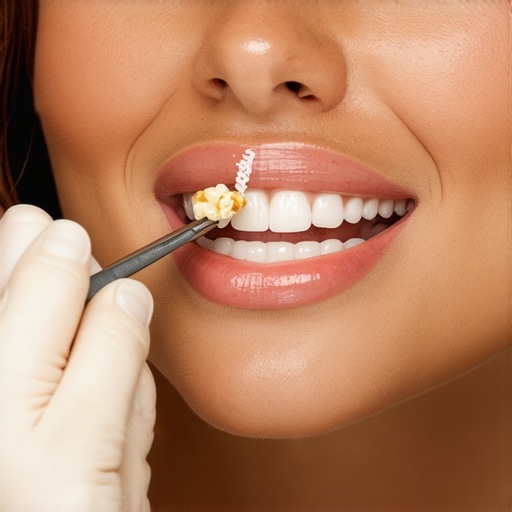
It happened during a movie night with my family—one of those perfect moments suddenly interrupted by an unexpected, uncomfortable sensation. I bit into another delightful popcorn, only to feel a stubborn, crunchy dot stuck right in my gum. Instant panic crept in. I tried to ignore it, thinking it would dislodge with a gentle floss, but instead, the discomfort only grew. That lightbulb moment hit me—this wasn’t just a minor annoyance; it was a real challenge that needed a safe, effective solution.
Why a Popcorn Kernel in Your Gum Deserves Your Attention
Many people underestimate how tricky it can be to remove a popcorn kernel lodged in your gum safely. Unlike food stuck between teeth, a kernel embedded in the gum tissue can cause irritation, swelling, or even infection if not handled properly. I learned this the hard way—my early mistake was using a metal pick, which risked damaging my gum tissue. That experience taught me a critical lesson: knowing the safest way to extract stubborn food particles is essential for maintaining oral health without unintended harm.
Could This Simple Problem Turn Serious?
Many folks worry that attempting to remove a kernel themselves might worsen the situation. Believe me, I was there. But I’ve also discovered that with the right technique, you can resolve this discomfort without a trip to the dentist—saving you time, money, and unnecessary pain. Curious how? In the sections ahead, I’ll share proven methods that I’ve tested, plus tips from dental experts. If you’ve ever faced the gruesome reality of a popcorn kernel stuck in your gum, you’ll know this knowledge is priceless. And if you’re skeptical—trust me, I felt the same—there’s a safe way that works effectively. Just remember, even experts warn against aggressive probing, which can cause tissue damage. Proper technique and patience are the keys to a successful removal. Want to avoid future popcorn mishaps? Check out these caring tips for crowns to keep your smile healthy and resilient. Now, let’s get into how you can do this safely at home, or know when it’s time to call in the professionals.
Prepare Your Workspace Carefully
First, wash your hands thoroughly with soap and water to prevent introducing bacteria into your mouth. Gather clean dental floss, a mirror, and if available, a dental pick designed for home use. Think of it like preparing your tools before fixing a delicate instrument—precision matters. I once attempted to remove a stubborn kernel without washing my hands, which led to an annoying gum infection afterward. So, cleanliness is your first priority to avoid more problems.
Locate the Embedded Kernel Precisely
Use a mirror to identify exactly where the kernel is lodged. Gently pull back your lip or cheek to get a clear view. Imagine trying to find a tiny splinter in your finger; patience and good lighting are essential. During my first attempt, I mistakenly pressed around, thinking I could feel it with my tongue—this only caused extra irritation. Take your time, and ensure you see the exact spot before proceeding.
Employ Gentle Flossing Techniques
Use Fresh Dental Floss
Break off a piece of soft, unwaxed dental floss and gently slide it between your gum and the lodged kernel. Imagine threading a needle carefully; do it slowly to avoid hurting sensitive tissue. I once flossed too aggressively, which caused bleeding. Be gentle, and work in a back-and-forth motion, not a harsh sawing action—this minimizes trauma to your gums. If floss slips or doesn’t grip, don’t force it. Instead, move to a different area or prepare for alternative steps.
Pry Slightly, If Necessary
If floss alone isn’t dislodging the kernel, consider using a dental pick with rounded ends—strictly avoid metal points that could damage your gum tissue. Gently wiggle and lift the kernel with the instrument. Think of it like loosening a stubborn screw carefully without stripping it. During my experience, I had to gently leverage the kernel out, always watching for signs of discomfort or bleeding. Stop immediately if the area becomes painful—continuing may cause tissue injury.
Use Warm Saltwater Rinses to Soothe and Clean
After successful removal, rinse your mouth with a warm saltwater solution—dissolve half a teaspoon of salt in a cup of warm water. This acts like a gentle disinfectant, reducing inflammation and helping healing. Remember, this isn’t about cleaning just your teeth but also the tissues around the implant site. I found that doing this rinse twice daily speeds up recovery and prevents infection. Consider it your final step to ensure everything is sanitized and calming.
When to Seek Professional Help
If your attempts fail, or if you experience persistent pain, bleeding, swelling, or signs of infection, don’t hesitate to contact a dental professional. Trying to yank out a kernel beyond your comfort zone can cause tissue damage, abscesses, or make the issue worse—like trying to fix an electrical short without proper training. Sorry to say, some issues are better handled by experts who can safely remove embedded debris and evaluate your gum health.
In the long run, practicing good oral hygiene, such as regular teeth cleaning at home and visiting your dentist periodically, is the best way to prevent future incidents. Remember, prevention and gentle care are your best allies in keeping a healthy, pain-free smile.
Many believe that maintaining good oral health is solely about brushing daily and avoiding sweets, but the truth runs much deeper. One common misconception is that regular teeth cleaning suffices to keep your smile perfect; however, experts emphasize that **professional cleanings address only surface-level issues**, while deeper concerns like gum disease or hidden infections require specialized attention. Relying solely on routine brushing can lead to overlooking early signs of periodontal problems, which research links to systemic health issues such as heart disease. Be cautious: some think that dental crowns are just cosmetic, but in reality, they play a vital role in preserving tooth structure after decay or damage—**a mistake that can cause early failure if not properly cared for**. Always consult with a specialist about the longevity and proper maintenance of crowns, as improper care can lead to issues like fit loosening or decay underneath. Regarding family dentistry, many parents assume that children’s teeth need less attention than adults; this is false—**early habits set the stage for lifelong oral health**, and neglect during childhood can lead to complex problems later. Advanced mistakes include delaying treatment for symptoms, hoping they will resolve on their own, which often results in more invasive and costly procedures down the line. An important nuance often missed is understanding the importance of personalized care. For instance, patients with diabetes are at a higher risk for gum disease, which means that standard cleaning routines may be insufficient without tailored periodontal therapy. According to a study published in the Journal of Clinical Periodontology, **diabetic patients benefit significantly from more frequent cleanings and targeted interventions** to manage their gum health effectively. Remember, oral health is interconnected with your overall wellness—neglecting advanced nuances can have repercussions beyond the mouth. To optimize your dental care, focus on **comprehensive routines** that include regular check-ups, personalized treatments, and staying informed about your specific health profile. Want to improve your dental routine? I’ve shared effective at-home practices in this guide on teeth cleaning secrets for the whole family. Stay proactive and vigilant—your smile depends on it. Have you ever fallen into this trap? Let me know in the comments.Maintaining the longevity of your crowns, teeth cleaning routines, and overall oral health requires more than just regular visits to the dentist; it also involves the right tools and techniques that empower you to uphold your smile’s integrity at home. Personally, I rely on specific equipment that delivers precise results and ensures my dental work stays durable over time. One such essential tool is an **ultrasonic scaler**. Unlike standard toothbrushes, this device uses high-frequency vibrations to disrupt plaque and tartar buildup, especially around crowns and implants, preventing long-term issues. I prefer models like the *SonicSmile Professional* because of its adjustable intensity, allowing gentle yet effective cleaning without damaging delicate restorations. Investing in a quality **dental mirror with LED illumination** is equally critical. It grants clear visibility into hard-to-reach areas, making daily maintenance more thorough and reducing the chances of overlooked debris that could compromise crowns or lead to gum disease. I personally favor the *BrilliantScope LED Mirror* for its durability and illumination power, which helps me spot early signs of trouble. To complement these, I use **interdental brushes**—specifically, the tiny, flexible *OrthoBio* brands—to clean around crowns and under bridges where floss might not reach effectively. Their small size helps me access tight spaces, **significantly reducing plaque accumulation** and preventing decay underneath restorations, as supported by research in the *Journal of Clinical Dentistry*. Looking ahead, I predict that tools like AI-powered intraoral cameras and app-connected cleaning devices will revolutionize home dental care by offering real-time feedback and personalized advice, making maintenance more precise and effortless. So, how do I maintain my dental repairs over years? Regularly using these instruments as part of a disciplined oral routine, combined with professional checkups, ensures that my crowns and implants remain functional and beautiful. Try incorporating an ultrasonic scaler into your weekly home care—it’s a game-changer for preventing long-term damage and maintaining your investment in oral health. Remember, effective tools paired with proper technique make all the difference in keeping your smile resilient. For expert guidance on maintaining your crowns, explore this detailed resource here.
What I Wish I Knew Before My First Dental Embellishment
I discovered that patience and gentle techniques are crucial when dealing with delicate gum issues—rushing only makes things worse. The biggest lesson was understanding that every problem, like a popcorn kernel stuck in the gum, requires careful evaluation rather than aggressive probing.
Tools That Really Make a Difference in Maintaining Crowns and Teeth
Investing in a high-quality ultrasonic scaler, a reliable dental mirror, and interdental brushes changed my daily routine. These tools help catch early signs of trouble and maintain dental restorations, saving time and avoiding costly repairs later. For dependable equipment, I trust brands like SonicSmile and BrilliantScope because of their durability and performance.
Why Small Changes Can Make Your Oral Health Unbreakable
Consistency with gentle flossing, regular rinses, and professional checkups creates a foundation that withstands the test of time. I learned that even minor habits, when performed with mindfulness, significantly improve long-term outcomes—especially with crowns and implants.
Insider Wisdom: Lessons That Changed My Perspective on Preventive Care
- Deep cleaning isn’t just about removing plaque; it’s about understanding how gum health impacts overall wellness, including heart health.
- Early recognition of gum recession or irritation can prevent more invasive procedures. Paying attention to subtle signs saves discomfort and money.
- Personalization of care, especially for patients with conditions like diabetes, is essential. One-size-fits-all doesn’t apply when it comes to oral health.
- Maintaining a positive attitude towards routine visits turns them into opportunities for education and reassurance, not just treatment.
- Sharing experiences with family and encouraging good habits at a young age ensures a lifetime of healthy smiles.
Tools I Use to Keep My Smile in Top Shape
- Ultrasonic scaler for regular cleanings—makes a noticeable difference in tartar control.
- LED dental mirror to spot trouble spots early—inspection without discomfort.
- interdental brushes to clean around crowns and bridges—a simple way to prevent decay underneath restorations.
- High-fluoride toothpaste to reinforce enamel and avoid sensitivity—especially post-cleaning.
You Can Overcome Anything When It Comes to Oral Care
Remember, maintaining your family’s oral health is a journey filled with learning curves. With the right tools, gentle techniques, and a proactive mindset, you can prevent problems like popcorn kernels in the gums and keep your dental work lasting for years. Don’t be discouraged by setbacks; each small step forward makes your smile stronger and more resilient. Ready to take control of your oral health? Share your experiences or questions below—I’m here to help you succeed.