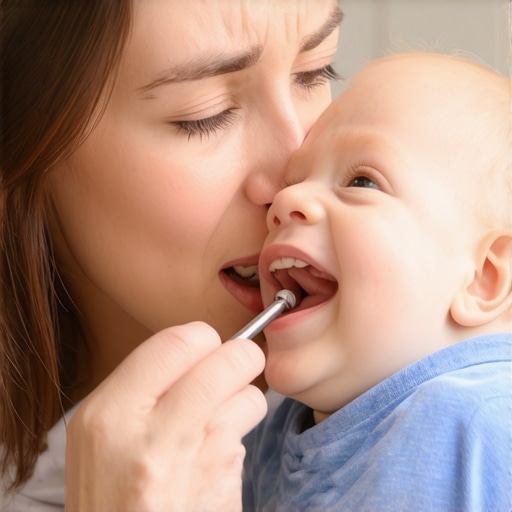
I’ll never forget the moment I looked away for just a second during my child’s bedtime routine and heard a little gag. When I rushed over, my heart sank—there it was, a tiny, loose baby tooth, swallowed right before my eyes. Panic? Slightly. Confusion? Absolutely. I realized that even though I was somewhat familiar with dental emergencies, this new, unexpected situation threw me for a loop. The truth is, many parents face the unsettling question: What should I do if my child swallows a loose baby tooth? Today, I want to share what I learned from that lightbulb moment—combining personal experience with the latest expert advice—to help you handle such moments calmly and effectively.
Why Swallowing a Baby Tooth Can Shake Your Confidence
As parents, we want to protect our kids from every possible mishap, but sometimes, accidents happen at the worst possible moments. The scenario of a child swallowing a loose tooth is surprisingly common, yet it catches many parents off guard. I remember feeling helpless, wondering if I should take my child to the doctor immediately or just wait and see. It turns out that many parents worry about what could happen next—could this lead to choking, a digestive issue, or something more serious? The good news is, with a bit of knowledge and prompt action, most situations resolve without complication. Plus, understanding the facts can ease your mind and prepare you to handle the situation confidently.
What if I Panicked and Overreacted Early On?
Admittedly, in those initial moments, I made a classic mistake: I assumed I needed to rush to urgent care immediately. That was unnecessary, and it actually delayed me from providing some simple reassurance to my child. I learned that most swallowed teeth pass harmlessly through the digestive system within a day or two—similar to other small objects. The key is to stay calm and observe your child for any signs of distress. According to the American Dental Association, most swallowed objects are processed safely, but being aware of certain warning signs can make all the difference. Now, let’s look at how to approach this situation without panic and with a plan of action that keeps your child’s safety and comfort a priority.
Assess the Situation Immediately
As I learned firsthand, the first step is to stay calm and evaluate your child’s condition. Check if your child shows signs of choking, difficulty breathing, or pain. If your child coughs or struggles, perform the Heimlich maneuver and call emergency services. For minor cases where your child seems fine, proceed to the next step calmly.
Ensure Your Child Swallows Safely
Introduce some water and encourage your child to swallow. This helps move the tooth down the digestive tract. Think of it as guiding a small boat down a river; gentle encouragement ensures smooth passage. Remember, most swallowed teeth pass through harmlessly within 24-48 hours.
Keep a Close Watch for Symptoms
Observe your child’s behavior closely over the next day. Watch for signs like stomach discomfort, vomiting, difficulty swallowing, or abdominal pain. If any of these occur, contact a healthcare professional immediately by visiting our contact page. The key here is vigilance, not panic.
Provide Comfort and Reassurance
Reassure your child that everything is okay. Anxiety can make the situation more stressful for both of you. Use this moment to teach them about the importance of dental health, linking it to friendly conversations about family dentistry, like in family dentistry. A calm, positive attitude helps reduce fear and builds trust.
When to Visit Your Dentist
If your child exhibits persistent discomfort or if you’re concerned about the swallowed tooth, schedule an appointment with your dentist. Regular dental check-ups, such as those discussed in oral health routines, can help prevent mishaps and maintain overall oral health. Your dentist can perform X-rays and ensure that no residual pieces remain or that no complications have arisen.
Prevent Future Incidents
Creating a safe environment during play and bedtime can reduce such accidents. Keep toys and small objects out of reach, and educate your child about the importance of being careful. Remember, proper oral hygiene and routine dental visits are foundations that support their developing smile, as highlighted in effective home dental practices.
Handling a swallowed baby tooth might seem scary at first, but with a calm approach and practical steps, you can navigate the situation effectively. Familiarity with these actions turns a potential crisis into a manageable moment, helping your child stay safe and confident in their growing smile.
Many People Miss the Details That Make a Difference in Oral Care
While most understand basic oral hygiene practices, a deeper look reveals common misconceptions that can hinder optimal dental health. For example, many believe that brushing harder cleans better, but in reality, excessive force can damage gums and enamel. According to a study published in the American Journal of Preventive Dentistry, gentle brushing combined with proper technique is far more effective and safe.
Myth: Crowns Are Just Cosmetic Fixes
Some think dental crowns serve only aesthetic purposes, but they are vital for restoring function and preventing further decay. Advanced dentists often use crowns to reinforce structurally compromised teeth, which, if neglected, could lead to extraction. For the best long-term results, regular maintenance like avoiding hard foods and attending follow-up appointments is crucial. Learn more about the importance of crown care tips.
The Hidden Risks of Skipping Routine Cleanings
Many underestimate the impact of regular cleanings, assuming daily brushing suffices. However, plaque and tartar buildup beneath the gum line can lead to periodontal disease, which has been linked to systemic conditions such as heart disease. Regular professional cleanings, as discussed in this comprehensive guide, are essential to remove these hidden threats and maintain overall wellness.
What Are the Nuances That Even Experienced Dentists Sometimes Overlook?
One subtle but important aspect is the material compatibility of crowns with a patient’s natural dentition. For instance, ceramic crowns may stain or chip if not properly selected and maintained. Additionally, advanced considerations include the impact of occlusion and bite dynamics on crown longevity, which might be overlooked without thorough assessment. For expert insights, see this article on modern crown techniques.
Beware of the “One-Size-Fits-All” Approach in Dentistry
Every patient is unique, and so should be their treatment plan. Overgeneralizing can lead to overlooked issues or suboptimal results. Personalized care, including tailored home routines found in this resource, ensures that you address your specific oral health needs effectively. Remember, a nuanced approach often makes the difference between good and excellent dental health.
Have you ever fallen into this trap? Let me know in the comments. Improving our understanding of these nuances helps us make smarter choices and achieve healthier smiles.
How do I keep my dental tools working optimally over time?
Maintaining the effectiveness of your oral health tools is crucial for long-term success. Personally, I swear by using ultrasonic toothbrush cleaners, like the Oral-B Sonicare UV Sanitizer. It not only removes plaque and bacteria from the toothbrush head but also prolongs its lifespan, ensuring that your brushing remains effective. Regularly replacing brush heads—ideally every three months—is non-negotiable, as worn bristles diminish cleaning efficiency. For flossing, I recommend trying water flossers such as the Waterpik. They’ve transformed my approach by providing a superior clean, especially around crowns and bridges, where traditional floss can be challenging to maneuver. These devices help maintain gum health and prevent plaque buildup that could jeopardize your crowns or dental implants.
What tools do I recommend for effective at-home maintenance?
Advanced tools like the Interdental brushes—specifically the TePe brand—are game-changers for cleaning tight spaces between teeth and around restorations. I use them daily to remove debris that regular brushing might miss, preventing the accumulation of plaque and tartar that can lead to periodontal issues or damage crowns. Additionally, incorporating a comprehensive oral health routine with fluoride rinse enhances remineralization and fights sensitivity, especially for those with crowns or delicate enamel.
Long-term results require smart maintenance approaches
Thinking ahead, emerging technologies like AI-powered toothbrushes are changing the game. Devices such as the Oral-B iO utilize sensors to monitor your brushing habits and give instant feedback, which can significantly improve your technique. In my view, leveraging these smart tools can make daily maintenance more effective and personalized. As the field evolves, I predict that integrating data analytics with dental care will become standard practice, enabling us to catch issues early and tailor treatments more precisely.
Scaling your oral health practices for the whole family
Must I buy separate tools for every family member? Not necessarily. I recommend adjustable sonic toothbrushes with multiple brush head options, which can be customized for different ages and preferences. Educate your kids early about maintaining their tools—regular cleaning and proper storage prevent bacteria transmission and extend the lifespan of appliances. Establishing a family-oriented routine, informed by expert advice, is key to ensuring everyone’s oral health is protected over time.
Maintaining crowns and restorations without hassle
To keep crowns shiny and functional, routine care is essential. I regularly use specialized cleaning tips such as gentle interdental brushes and avoiding abrasive toothpaste. Avoiding hard foods and sticky candies also preserves my crowns’ integrity. Remember, regular check-ups with your dentist can catch early signs of wear or issues, helping you intervene before problems escalate.
Where do I see oral health technology headed?
I believe that the future will see even more integration of wearable sensors that monitor saliva composition, early decay detection, and personalized treatment plans. Developing smarter, more autonomous tools will empower us to take charge of our dental health from home, reducing the reliance solely on professional visits. To stay ahead, I encourage trying out current innovations like AI-enhanced toothbrushes and app-connected flossers, which can generate data to inform your dental routine effectively.
Incorporating these advanced tools and techniques into your daily routine can significantly boost your long-term oral health. Don’t hesitate to experiment with devices like ultrasonic cleaners and water flossers—they’re investment in a healthier, more confident smile. Explore how experts recommend caring for crowns for sustained results and make smart choices today!
Three Secrets I Discovered About Oral Care That No One Tells You
- Often, I underestimated the importance of gentle techniques in maintaining crowns and preventing damage. Using the right tools, like interdental brushes, changed my approach entirely, and I wish I had embraced this sooner to prolong my restorations.
- The simplest habits, such as consistent professional cleanings, have a profound impact. I learned that skipping routine visits can hide small issues that escalate into major problems, emphasizing that prevention truly saves trouble in the long run.
- Paying attention to your body’s signals can prevent costly repairs. Early discomfort or unusual sensations around crowns and fillings might seem minor, but they often indicate underlying concerns that require prompt professional attention.
Tools and Tips That Elevated My Oral Health Journey
Investing in practical devices like ultrasonic toothbrush cleaners and water flossers truly transformed my daily routine. I trust products such as the latest crown care resources for expert advice, ensuring my restorations last and my gums stay healthy. Additionally, educational materials like the book Teeth Cleaning Secrets have deepened my understanding of effective at-home practices that complement professional care and keep my smile bright.
Your Next Step Toward Confident Smiles
Empower yourself by embracing informed, consistent oral health practices today. Remember, a healthy smile isn’t just about aesthetics; it’s a vital part of your overall wellness. Whether it’s scheduling regular check-ups or investing in the right tools, every small step builds toward lasting confidence. What’s one new habit you’re willing to try this month to improve your dental health? Share your thoughts below—your journey to healthier smiles starts now!