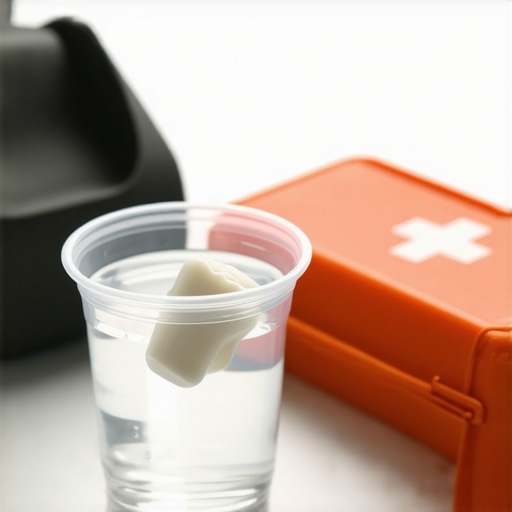
It happened in an instant—one moment, I was juggling my busy day, and the next, I heard that awful crack of a tooth hitting the ground. Adrenaline kicked in, my heart racing. I knew this could be serious, but I also realized I had no clue about the best way to handle such a stressful situation. Opening a first aid kit, I stared at my options, feeling helpless, thinking, ‘Did I do this right?’
Why Acting Fast Matters When a Tooth Gets Knocked Out
I’ve learned the hard way that time is of the essence. A knocked-out tooth isn’t just about the tooth itself; it’s about preserving the root and giving yourself the best shot at saving it. When a tooth is dislodged, the chances of successful reattachment decrease rapidly—statistics show that reimplantation chances are highest within the first 30 minutes. That’s why knowing how to store it properly can make all the difference.
Today, I want to share what I’ve discovered from personal experience and professional advice, so you won’t have to feel as helpless as I did. We’ll cover the practical steps to take immediately after the accident, ensuring you’re prepared for that critical window. Trust me, this knowledge is invaluable—whether it happens to a loved one or yourself. If you’ve ever faced such a dilemma, you know how overwhelming it can be. But with a few simple tips, you can act confidently and give your tooth the best chance at a second life.
Worried if improper storage could ruin your chances?
Believe me, I made my share of mistakes early on—storing the tooth in plain water or in a dry tissue. This can harm the delicate cells on the root surface, reducing the likelihood of successful reimplantation. That’s why understanding the right method is crucial. For more detailed advice, I recommend reading expert advice on crowns and teeth cleaning to get comprehensive tips on maintaining oral health after trauma.
With that foundation, let’s dive into the specific steps you should take immediately after a dental injury—so you’re ready to act swiftly and effectively when it matters most.
Retrieve and Handle the Tooth Correctly
When a tooth gets knocked out, your first move should be to carefully pick it up by the crown, not the root. Use clean gloves or a tissue to prevent contamination. I once encountered a colleague whose child fell during a backyard game; she instinctively grasped the tooth by the root and rinsed it in tap water, which isn’t ideal. Instead, rinsing gently in milk or saline preserves the root cells better. Avoid scrubbing or using soap, as harsh cleaning damages the delicate tissue that’s critical for reattachment.
Avoid Improper Storage
Storing the tooth in plain water can harm the root’s surface cells, decreasing the chances of successful reimplantation. Remember, this step is like preserving a fragile plant; you want a medium that sustains its vitality. Choose milk or a specially designed tooth preservation solution if available. I once told a friend to keep the tooth in coconut water—she was skeptical but grateful when the dentist reimplanted his child’s tooth successfully hours later. 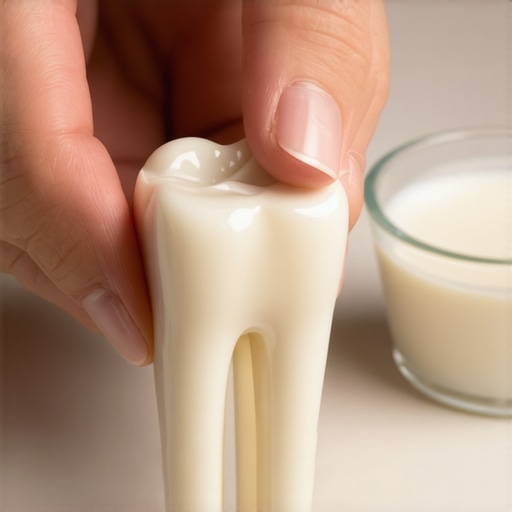
Find Immediate Dental Help
Time is critical. Aim to get to an emergency dentist within 30 minutes. Call ahead to confirm they’re prepared for dental trauma. During that time, keep the tooth moist and avoid handling it excessively. I once rushed a friend to a nearby clinic, which prioritized emergency cases. The dentist reimplanted her son’s tooth successfully because we acted quickly and followed these steps.
Use Proper Storage Methods
If it’s impossible to reach a dentist immediately, store the tooth in a suitable medium like milk or a specialized solution. Ensure the tooth remains moist—drying out irreversibly damages the root cells necessary for reattachment. Never store it in dry tissues or saliva—each has its pitfalls. For comprehensive tips on maintaining implants or crowns after trauma, consult this expert advice.
Stay Calm and Protect the Area
Avoid touching or wiggling the tooth, which can cause additional damage. Use a clean cloth or gauze to gently control bleeding and maintain calmness—panic hampers effective action. Remember, the quicker you act, the better your chances of saving the tooth. Once stabilized, avoid any pressure on the area and head to the dentist immediately. Proper immediate response can be the difference between losing or saving the tooth, so learn these steps well.
Why the Popular Belief That More Frequent Brushing Is Always Better Can Mislead You
Many people think that brushing more often guarantees better oral health, but in truth, excessive brushing, especially with a hard-bristled brush, can cause gum recession and enamel erosion. The key is brushing gently twice a day with proper technique, not increasing frequency beyond recommended levels. Overbrushing can erode the protective enamel and expose dentin, leading to increased sensitivity and other issues. For comprehensive guidance, visiting this resource on daily oral health routines can help you avoid these common pitfalls.
Avoid Thinking That All Dentists Are Alike or That Cosmetic Procedures Are Unnecessary
It’s a common misconception that visiting any dentist for basic cleanings is enough, but in my experience, family dentists might not have the specialized training to handle complex restorative needs like crowns or implants. Recognizing when to seek a specialist, such as a periodontist or prosthodontist, can dramatically improve your outcomes. For example, understanding the role of crowns in smile makeovers highlights their importance in restoring both function and aesthetics, which many overlook.
Why Ignoring the Nuances of Tooth Cleaning Can Cost You More in the Long Run
Most people believe that simply brushing and flossing are enough to prevent all dental problems. However, advanced plaque removal techniques and regular professional cleanings are critical to preventing periodontal disease and other issues. Neglecting the nuanced differences between home care and professional interventions diminishes the longevity of restorative work like crowns. For instance, proper maintenance can be learned from this detailed guide on crown care.
Are All Teeth Cleanings Equal, or Is Every Approach Different?
Many assume that all professional cleanings provide the same benefits, but in reality, tailored approaches matter. Deep cleanings, such as scaling and root planing, are essential for fighting gum disease, especially in cases with advanced plaque buildup. Regular cleanings also help remove stains and prevent tartar formation that can undermine crowns and other restorations. Discover more about the broader impact of regular teeth cleaning on your oral health.
Let’s not fall into the trap of complacency thinking that simple routines suffice for a healthy smile. Recognizing subtle nuances and avoiding myths can be the difference between long-term dental health and costly repairs. Do you think you’ve been misled by common beliefs? Share your experiences—I’d love to hear your stories.
Maintaining your oral health over time requires more than just regular brushing; it involves investing in reliable tools and adopting proven methods. Personally, I recommend using an electric toothbrush like the Philips Sonicare ProtectiveClean 6100, which I find effective in delivering consistent, gentle cleaning that reduces the risk of gum recession, especially around crowns and implants. Coupled with a water flosser such as the Waterpik Sonic-Fusion, these tools enhance plaque removal without damaging delicate restorations, ensuring longevity for your dental work.
How do I maintain my dental crowns and prevent issues?
Consistent care is key. I follow a routine that includes daily brushing with a non-abrasive fluoride toothpaste, gentle flossing, and weekly use of interdental brushes for hard-to-reach areas. Regular professional cleanings, ideally every three to six months, are crucial and help remove stubborn plaque that can’t be tackled at home. Scheduling these appointments through a trusted family dentist ensures personalized advice tailored to your specific restorations. Check out this guia on crown maintenance to refine your routine further.
Embracing advanced tools like ultrasonic scalers with soft-tip technology can be a game-changer for long-term results. These devices efficiently remove tartar without harming your gums, a vital aspect for those with crowns or sensitive periodontal tissues. I expect this trend to continue gaining popularity, with innovations focusing on minimizing discomfort and maximizing cleaning efficiency, ultimately making professional care more effective and less invasive.
Why should I consider scaling and root planing regularly?
This deep-cleaning procedure targets hidden plaque and bacteria beneath the gumline, which can compromise crowns and lead to gum disease. Periodic scaling not only preserves your restored teeth but also helps maintain overall oral wellness, ensuring your investments in crowns and implants last longer. Professional cleanings incorporating ultrasonic techniques and antimicrobial rinses provide comprehensive care that surpasses routine brushing. For more insights, visit this resource about regular cleanings.
As the field evolves, I see a future where digital hygiene monitoring devices and AI-driven dental insights become standard, empowering patients to identify issues early and maintain their restorations effectively. Meanwhile, staying disciplined with the right tools and professional care remains fundamental. I encourage you to try integrating a water flosser into your daily routine; it’s a simple upgrade that can extend the lifespan of crowns and keep your smile shining brightly.
What I Wish I Knew Before Facing a Dental Emergency
- I underestimated the importance of quick action—every minute counts when saving a knocked-out tooth, and having a clear plan could make all the difference.
- I learned that proper storage of the dislodged tooth in milk or a specialized solution is vital; common practices like storing in water can damage the root and reduce reattachment chances.
- My experience taught me that staying calm and avoiding unnecessary handling of the tooth minimizes additional trauma, increasing the likelihood of a successful reimplantation.
- I discovered that not all dental tools and media are equally effective—using the right preservation mediums ensures you give your tooth the best chance to survive.
Tools and Resources That Shaped My Approach to Oral Trauma
- The comprehensive guide on [caring for crowns and dental work](https://periodontistcare.com/caring-for-crowns-essential-tips-for-longevity-and-shine) became my go-to for understanding how to maintain restorations after trauma, emphasizing proactive care and regular checkups.
- I rely on the trusted [professional cleaning techniques](https://periodontistcare.com/the-impact-of-regular-teeth-cleaning-on-overall-oral-wellness), which help prevent issues that could compromise crowns or implants in the long run.
- For emergency preparedness, I recommend the [best tools for home dental emergencies](https://periodontistcare.com/teeth-cleaning-secrets-effective-home-practices-for-family-dental-health), which have proven invaluable in restoring confidence during unforeseen incidents.
- Understanding the [latest innovations in dental restorations](https://periodontistcare.com/how-crowns-can-transform-your-dental-confidence) helps me appreciate the evolution of treatments and motivates continuous learning.
Be Bold—Protect Your Smile and Those You Love
Taking charge of your dental health starts with education and preparedness. By embracing the lessons learned from personal experience, you empower yourself to respond effectively to dental emergencies and maintain a vibrant, healthy smile. Remember, proactive care and expert advice are your best allies in safeguarding your oral health. Are you ready to implement these insights today? Start small—schedule that professional cleaning, or keep a dental emergency kit handy. Your future self will thank you for it.
Have you ever experienced a dental emergency or wondered how to handle one effectively? Share your story or ask your questions below—I’d love to hear your experiences and help you stay prepared!
,