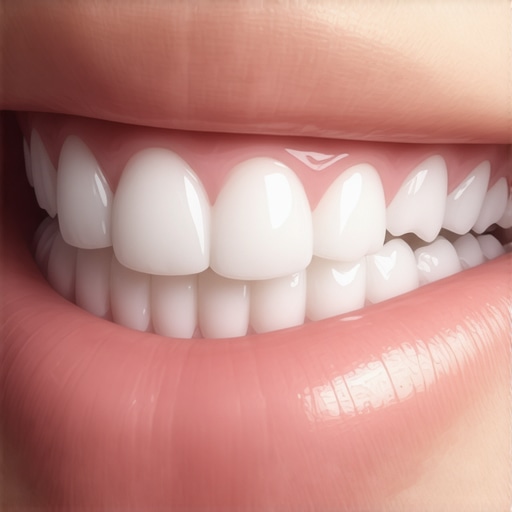
I remember the moment vividly—the dull ache, the slight puffiness on my gums, and the unsettling thought: “Why just around this one tooth?” Swelling localized around a single tooth can be more than just a nuisance; it’s often a sign that something needs attention, and ignoring it can lead to bigger problems down the line. I’ve been there, puzzled and frustrated, trying to figure out whether to brush it off or rush to the dentist.
If you’ve ever experienced swelling around just one spot in your mouth, you’re not alone. It can stem from various causes, like infection, cavity, or even gum disease, but pinpointing the reason is key to treatment. Today, we’re going to peel back the layers and get to the root of this common issue.
The Mystery of Localized Gum Swelling
Wondering If This Is Serious and When to Act?
Many folks, myself included at one point, worry whether swelling around a specific tooth is something minor or a sign of severe trouble. Early on, I made the mistake of ignoring the warning signs—thinking maybe it would go away on its own. Spoiler: It didn’t. That delay only made the problem worse.
Research shows that even minor swelling can escalate into more serious conditions if left untreated, like abscesses or bone loss. A visit to a qualified periodontist or family dentist can provide clarity and save you pain and money later. For a comprehensive look at oral health tips that can prevent such issues, I recommend visiting [this helpful resource](https://periodontistcare.com/oral-health-tips-every-family-should-follow-in-2025).
Are you facing this issue right now? If so, understanding the causes and acting promptly can make a world of difference. Now, let’s explore the common causes behind swelling localized around a single tooth and what you can do about it.
Pinpoint the Cause of the Swelling
Inspect and Identify
Begin by examining the affected area for signs of infection, such as pus, redness, or bleeding. Use a mirror to get a clear view, and gently press around the swelling—if it causes pain or tenderness, note the specific spot. This tactile approach can help determine if the issue involves decay, gum infection, or a broken filling. In my case, I recalled a recent sugary snack, which might have contributed to decay. This quick self-assessment can guide your next steps.
Implement Immediate Home Care Measures
Reduce Inflammation and Pain
If the swelling is uncomfortable, rinse your mouth with warm saltwater—dissolve half a teaspoon in a glass of warm water and swish gently. This natural antiseptic helps reduce bacterial load and eases swelling. I applied this method after noticing initial discomfort; the swelling diminished slightly, providing temporary relief. Over-the-counter pain relievers like ibuprofen can also manage pain effectively. Remember, these are short-term measures; professional care is essential.
Maintain Optimal Oral Hygiene
Gentle Cleaning Prevents Escalation
Brush your teeth carefully around the affected area with a soft-bristled toothbrush to prevent further irritation. Floss gently to remove debris stuck between teeth, which could contribute to infection. Avoid aggressive scrubbing, as it can worsen inflammation. In my experience, consistent cleaning prevented additional buildup, which helped contain the problem temporarily. Staying diligent with routine care can stop minor issues from worsening.
Schedule a Professional Dental Evaluation
See Your Dentist Promptly
While home remedies provide temporary relief, a dentist’s assessment is crucial for accurate diagnosis. Book an appointment with a family dentist or periodontist—early intervention can prevent complications like abscesses or bone loss. When I finally visited my dentist, they confirmed a small cavity requiring a filling, which explained the localized swelling. Regular visits, as discussed in family dentistry tips, help catch issues early, saving you discomfort and expense.
Follow Through with Recommended Treatments
Adhere to Professional Advice
Your dentist may perform procedures such as fillings, root canals, or deep cleaning, depending on the cause. Post-treatment, you might need to adjust your oral hygiene routine or schedule follow-up visits. For prosthetics like crowns, proper care is vital; see crowns maintenance guidance. Ensuring you follow instructions can help prevent recurring swelling and preserve your oral health.
Monitor and Prevent Future Issues
Adopt Good Habits
Consistent flossing, brushing twice daily with fluoride toothpaste, and regular dental checkups form a strong defense against localized infections. Incorporate effective home practices from teeth cleaning tips. For ongoing protection, consider avoiding excessive sugary or acidic foods, which feed bacteria. My own routine adjustment, reducing late-night snacks, significantly decreased incidences of localized swelling over time.
When it comes to oral health, many believe they know the basics, but beneath that surface lie nuanced truths that can significantly impact your well-being. One common myth is that brushing harder cleans more effectively. In reality, aggressive brushing can erode enamel and damage gums, leading to sensitivity and recession. The key is to use gentle, circular motions with a soft-bristled toothbrush, as recommended by experts in dental hygiene. Overlooking the importance of consistent, professional cleanings is another mistake; routine visits don’t just prevent cavities but also catch early signs of serious issues like gum disease and bone loss, which are often silent until advanced stages. I’ve seen many patients underestimate the value of these appointments, thinking daily brushing suffices.
Some believe that getting a crown is a simple fix that lasts forever. However, the longevity of crowns depends on materials used, oral hygiene habits, and professional care. Poor maintenance can lead to discoloration, secondary decay, or crowns becoming loose. Furthermore, many assume that dental procedures are one-size-fits-all, ignoring the personalized approach needed for effective results. Advanced concepts in family dentistry emphasize tailored treatment plans that consider a patient’s unique oral anatomy and lifestyle, ensuring longer-lasting health benefits.
A less obvious misconception involves teeth whitening. Many think that over-the-counter products are just as effective as professional treatments. Not so—DIY options often lack the necessary concentration of bleaching agents and can cause damage or sensitivity if misused. Moreover, the misconception that whiteness equals health can be misleading; a bright smile doesn’t necessarily indicate good oral health if underlying issues like cavities or gum disease are present.
From my experience, an critical nuance often missed is the importance of secondary prevention—maintaining existing restorations like crowns, bridges, and fillings. For instance, crowding or shifting teeth over time can jeopardize these restorations if not monitored regularly. Additionally, some patients overlook the impact of diet—acidic foods wear down enamel, making teeth more vulnerable to decay and sensitivity, especially around existing restorations.
Let’s address a common question among more advanced readers: How does saliva composition influence the success of restorations like crowns and implants? Saliva plays a crucial role in neutralizing acids and providing minerals for remineralization. An imbalance—whether due to medication, illness, or dehydration—can increase the risk of decay around restorations or even impede their integration. Research highlights that managing factors affecting saliva can extend the lifespan of dental work significantly. To optimize your oral environment, consider consulting with your dental professional on ways to support healthy saliva production.
Ultimately, understanding these nuances can elevate your dental care from routine to optimal. Regularly reviewing your habits, staying informed about advances, and working with a knowledgeable family dentist can help you avoid common pitfalls and maintain a healthier, brighter smile. Have you ever fallen into this trap? Let me know in the comments.Maintaining your oral health over time requires more than just regular brushing and flossing; it involves leveraging the right tools and methods to ensure lasting results. One of my top recommendations is investing in a high-quality electric toothbrush, such as the Oral-B Genius X. Unlike manual brushes, this device features oscillating-rotating technology that cleans more effectively, especially around crowns and implants, reducing plaque buildup and helping prevent decay. I personally use the Genius X daily because its real-time feedback guides me to brush thoroughly and avoid common pitfalls like applying too much pressure, which can damage gums.
Another essential tool is a water flosser, like the Waterpik Aquarius. This device is particularly effective for cleaning around dental restorations, braces, and hard-to-reach areas. From my experience, regular water flossing significantly decreases inflammation and improves gum health compared to traditional string floss, especially when combined with interdental brushes for tight spaces.
For maintaining crowns and preventing secondary decay, I rely on an electric flosser with specialized tips designed for prosthetic areas. Proper maintenance of crowns involves not only regular professional check-ups but also daily attention using tailored tools—this approach greatly prolongs their lifespan.
In addition to physical tools, employing an advanced oral health app like BrushUp helps me track my brushing habits, remind me of scheduled check-ups, and even provides tutorials to refine my technique. Digital tools like this keep me accountable and encourage consistent care.
Looking ahead, the future of oral health management points toward smart devices integrated with AI, capable of analyzing your brushing and flossing patterns to provide personalized advice. Prediction models suggest that within the next decade, such innovations will make maintaining dental restorations and detecting early signs of issues even more effortless.
### How do I maintain dental tools over time?
Cleaning your electric toothbrush and water flosser regularly with antibacterial solutions, replacing brush heads every three months, and following manufacturer instructions extend their effective lifespan. I also sterilize tips and heads weekly to prevent bacterial buildup.
Incorporating these tools into your daily routine can dramatically improve your long-term oral health, especially when used alongside professional guidance. Don’t hesitate to try advanced practices like using a water flosser for targeted cleaning around crowns—it’s been a game-changer in my maintenance routine. For more tips on keeping your crowns in pristine condition, check out this detailed guide. Remember, consistency and the right equipment are your best allies in achieving a healthy, confident smile for years to come.
What I Wish I Knew Before Ignoring a Tiny Swelling
One of the most valuable lessons I learned is that even minor, localized swelling in the mouth shouldn’t be ignored. It’s often a sign that your oral health needs attention, and addressing it early can save you from discomfort and costly procedures later. My lightbulb moment came when an overlooked bump turned into a painful abscess, making me realize that swift action and professional advice are irreplaceable. Never underestimate the importance of listening to your body’s signals—early intervention is key to maintaining a healthy, confident smile.
Tools and Resources That Elevated My Dental Care Routine
Over the years, I’ve discovered some game-changing tools to keep my crowns and natural teeth in top shape. A high-quality electric toothbrush, like the Oral-B Genius X, ensures thorough cleaning without damaging delicate restorations. Complementing this, a water flosser, such as the Waterpik Aquarius, helps me reach tight spots around crowns and implants effectively. For continuous motivation and tracking, I use the BrushUp app, which keeps me accountable and informs me of proper techniques. These resources are backed by expert advice and have truly made a difference in my oral health journey.
Challenging My Assumptions About Dental Health
One myth I finally debunked was the idea that brushing harder cleans better. Gentle, circular motions with a soft-bristled brush are what’s truly effective, especially around sensitive areas. I also learned that routine visits and professional cleanings are not optional but essential, catching issues before they escalate. Additionally, understanding the longevity and care needed for crowns changed my approach—regular maintenance and personalized treatment plans, like those discussed here, keep them functioning beautifully. Recognizing these nuanced truths has empowered me to take control of my oral health with confidence.
The Power of Proactive Prevention and Personalized Care
Investing in personalized dental care and prevention tactics—like using tailored flossing methods and supporting saliva production—has dramatically improved my outcomes. I’ve found that diet plays a role too; reducing acidic foods helps safeguard restorations and natural teeth. Regular consultation with a family dentist, as highlighted in the family dentistry articles, ensures I stay ahead of potential issues. These habits reinforce that with the right knowledge and tools, maintaining a resilient, beautiful smile becomes an achievable lifelong goal.