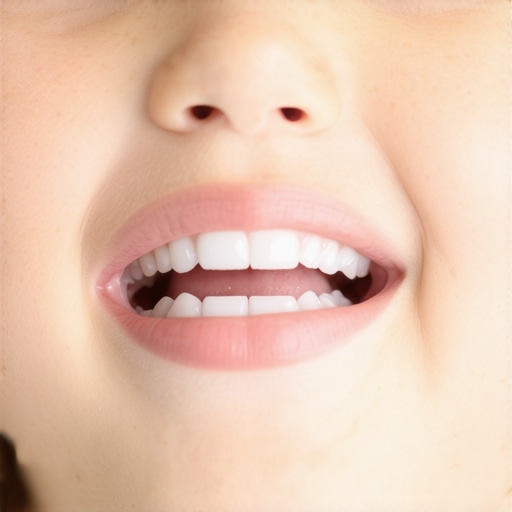
It was a typical Saturday morning when I noticed something that instantly made my stomach drop—a small, chalky white patch on my toddler’s front tooth. At first, I brushed it off as nothing, but soon I found myself obsessively inspecting every smile, wondering if I’d missed something. That moment was a lightbulb for me, revealing how little I truly understood about early dental signs in children. If you’re like me, your initial reaction might be worry or confusion—what does this mean? Is it cavities? A sign of poor hygiene? Or something more serious?
Today, I want to share how I uncovered the real reason behind those white spots and, more importantly, how I took action to protect my child’s oral health. We’ll explore the causes, how to spot them early, and effective ways to address them—all based on firsthand experience.
Discovering the Hidden Signs of White Spots on Your Child’s Teeth
Understanding why these white spots appear is the first step towards ensuring your child’s smile stays healthy and bright. Initially, I thought they were just harmless marks or leftover residue from eating, but I soon learned that they could be an early indicator of demineralization, which, if left untreated, might develop into cavities. Interestingly, according to research from the American Academy of Pediatric Dentistry, early white spots can actually be reversible with proper care, which was a relief to me—and hopefully to you too. For more on practical oral health strategies, check out [effective home practices for teeth cleaning](https://periodontistcare.com/teeth-cleaning-secrets-effective-home-practices-for-family-dental-health).
If you’re facing this problem or want to prevent it from happening, I encourage you to stay with me. I’ll walk you through what I did, what mistakes I made early on, and how you can turn things around before it’s too late.
Is It Just Cosmetic? The Fear That Holds Many Parents Back
One mistake I made initially was assuming that white spots were purely cosmetic and not urgent. I thought they would fade or fix themselves over time, which is a common misconception. But ignoring these signs can lead to more serious issues like cavities or enamel erosion. Recognizing this early can save you from costly treatments down the line. If you’re skeptical about whether to act quickly or wait, rest assured that early intervention can make a significant difference. For insights on how regular teeth cleaning can help, read [the impact of regular teeth cleaning](https://periodontistcare.com/the-impact-of-regular-teeth-cleaning-on-overall-oral-wellness).
My own oversight was not consulting a dental professional sooner, which delayed necessary treatment. This experience taught me that trusting your instinct and seeking professional advice promptly is crucial. If you want expert guidance on crowns and teeth cleaning, you can explore [expert advice on crowns](https://periodontistcare.com/expert-advice-on-crowns-and-teeth-cleaning-for-lasting-results). Now that I’ve shared my journey, I hope you won’t hesitate to take swift action if you notice similar signs in your child’s smile. Up next, I’ll cover practical steps you can take to address and prevent these white spots—so keep reading!
Start with a Thorough Home Cleaning Routine
Identify the white spots early by observing your child’s teeth regularly. Use a soft-bristled toothbrush and fluoride toothpaste, gently brushing twice daily. I remember one morning when I noticed my toddler’s teeth after breakfast; I immediately used a child-friendly toothbrush and emphasized gentle strokes. This simple step can remove plaque and residue, preventing early demineralization. For expert tips, you might want to explore home practices for family dental health.
Incorporate Enamel-Strengthening Foods and Supplements
Feeding your child foods rich in calcium and phosphates boosts enamel mineralization. Incorporate dairy products, leafy greens, and nuts into their diet. During a recent lunch, I added a handful of almonds and cheese, knowing these help remineralize enamel. This step supports natural repair of early white spots. Think of it like fueling a fortress—strengthening walls from within. Consistency is key, and for additional dietary guidance, see oral health tips for families.
Supplement with Fluoride Treatments if Recommended
Fluoride helps speed remineralization and suppresses bacterial growth. Use fluoride rinses or gels designated for children, but always consult your dentist first. I learned this the hard way when I applied too much fluoride without professional advice, causing temporary sensitivity. A quick visit to the dental professional ensures proper application. Think of fluoride as a repair crew patching up weakened areas—a crucial step in reversing white spots.
Schedule Professional Dental Evaluation for Precise Action
Once home interventions are underway, schedule a dental appointment. A dentist can perform diagnostics like visual exam or even use lasers to assess enamel health. I remember struggling to decide whether to wait or seek help; finally, I booked a visit after a week of persistent spots. The professional cleaned and applied fluoride varnish, which visibly improved my child’s smile. Don’t delay—early intervention can prevent further decay. Find a trusted family dentist through family dentistry resources to ensure comprehensive care.
Maintain Consistent Dental Visits and Education
Keeping regular check-ups, ideally every six months, helps monitor enamel health and catch issues early. Teach your child proper brushing and flossing techniques, making it fun with colorful brushes or stories. I turned family dental visits into a game, encouraging my child to narrate their brushing routine. This consistency builds habits vital for preventing white spots and cavities. Remember, dental health is a marathon, not a sprint—consistent care yields the best results.
While many believe they understand the essentials of dental care, there’s a surprising number of misconceptions that can compromise your oral health. One prevalent myth is that all crowns are alike, leading individuals to choose cheaper options without understanding the nuances. In reality, different crown materials offer varying benefits and longevity, and selecting the right one depends on your specific needs. Moreover, many assume that regular teeth cleaning is merely cosmetic; however, research from the American Academy of Periodontology emphasizes its crucial role in preventing disease and maintaining overall wellness. Skipping routine visits might save time or money initially, but it can result in more costly treatments later.
Which oral health practices truly make a difference in long-term success?
A common oversight is neglecting the importance of proper home care combined with professional interventions. For example, neglecting to ask your dentist about the ideal type of toothbrush or floss for your unique situation can undermine your efforts. Additionally, many underestimate the impact of familial habits—like sharing utensils or not supervising children’s brushing—which can escalate issues quickly. For comprehensive strategies, see effective home practices for family dental health.
Let’s examine some specific misconceptions that often trip people up:
**Myth 1: Crowns are only for aesthetic purposes**
Contrary to popular belief, crowns serve as essential restorations that protect weakened teeth, restore function, and prolong oral health. Choosing a crown solely based on appearance without understanding its protective benefits can lead to premature failure, especially if you opt for a material that doesn’t suit your biting force or lifestyle. For more insights on how crowns function within comprehensive dental treatments, visit understanding the role of crowns in modern smile makeovers.
**Myth 2: Flossing is optional if you brush well**
Many overlook the critical role flossing plays in removing plaque from areas your toothbrush can’t reach. Skipping floss can allow tartar buildup, leading to gum disease and cavities. Recent studies highlight that individuals diligent with brushing but neglectful of flossing still face significant risks. Incorporate daily flossing to maximize oral health benefits; for guidance on effective techniques, check impact of regular teeth cleaning.
**Advanced Question: How do subtle oral habits influence the lifespan of dental restorations?**
Many people wonder whether behaviors like teeth grinding or using abrasive toothpaste affect crowns and fillings. The truth is, even minor habits can cause micro-damage over time, decreasing the longevity of restorations. For example, bruxism subjects crowns to excessive stress, increasing fracture risk. Using inappropriate cleaning products can erode surfaces prematurely. To protect your investments, learn about care techniques from caring for crowns. Remember, preventive habits are your best defense against costly replacements.
So, have you ever fallen into this trap of misconceptions? Let me know in the comments. Stay vigilant about what you think you know, and keep your smile healthy for years to come.Maintaining your oral health over the years requires more than just good habits; it demands reliable tools and strategies that support long-term success. As a dental professional and passionate advocate for family oral health, I’ve curated a set of equipment and techniques that I personally use and trust to keep dental work, such as crowns and fillings, in optimal condition. Incorporating these into your routine can dramatically improve the longevity of your dental restorations and overall oral wellness.
High-Quality Sonic Toothbrushes for Precise Cleaning
In my practice and daily routine, I swear by electric sonic toothbrushes like the Philips Sonicare DiamondClean. The powerful sonic vibrations provide a gentle but thorough clean, reaching deep between teeth—a feat manual brushes often can’t achieve effectively. Personal use has shown me that regular use reduces plaque buildup significantly and helps maintain the integrity of crowns and veneers. These brushes also often come with customizable pressure sensors, preventing excessive force that could damage restorations over time. Given the trend toward smarter oral health devices, I predict a future where toothbrushes will incorporate AI to adapt brushing patterns to individual needs, further extending the lifespan of dental work.
Smart Flossing Technology for Better Access
Traditional flossing is important, but I recommend incorporating tools like the Waterpik Water Flosser or flossers with built-in pulsation features. These devices help dislodge plaque in hard-to-reach areas around crowns and bridges, which are prone to bacterial accumulation if neglected. Personally, I find water flossers invaluable after meals, especially for clients with limited dexterity or those who have restorations sensitive to abrasive flossing methods. Regular use not only maintains gum health but also prevents microleakage around restorations, which can be a silent threat to their longevity. To keep your dental restorations pristine, I suggest trying a water flosser at least once a day—your restorations will thank you.
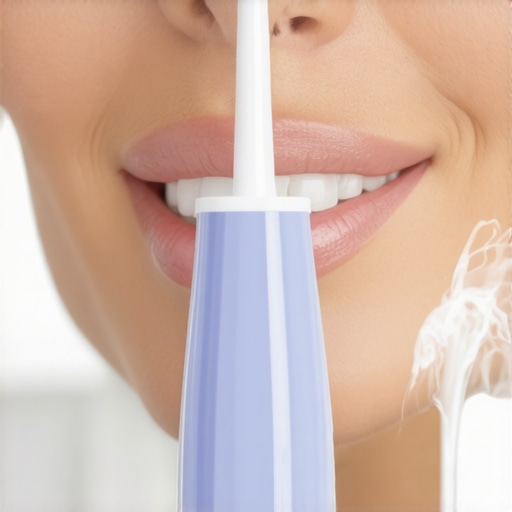
Imagine a close-up of a modern water flosser demonstrating its pulsating jet—an essential, high-tech tool for long-term oral health.
An Effective Rinsing System with Fluoride Boosters
My personal routine includes using fluoride mouth rinses like PerioGard or CariFree, especially when strengthening enamel around crowns or after complex procedures. These products deliver a concentrated dose of fluoride directly to vulnerable areas, promoting remineralization and protecting against secondary decay. Always follow your dentist’s recommendations when selecting and using these rinses; overuse can be counterproductive, but when used correctly, they serve as a vital line of defense. As the field evolves, I anticipate more personalized rinsing solutions leveraging biomimetic technology to restore and preserve dental tissues more effectively.
Digital Monitoring Tools to Sustain Oral Health
Beyond physical tools, I highly recommend integrating digital apps like Dental Monitoring or Philips Sonicare’s app to track your brushing and flossing habits. These apps provide feedback, reminders, and progress reports, making it easier to stay consistent and assess your improvement over time. For families, especially those with children, gamifying oral care can instill lasting habits. Early adoption of these technologies helps catch potential issues before they escalate, and I believe future developments will include even more sophisticated AI diagnostics—potentially enabling remote assessments by your dentist.
How do I maintain my dental tools over time?
Proper maintenance is critical. Regularly replace brush heads every three months, clean water flosser nozzles weekly, and store devices in dry, clean environments. For electronic tools, follow manufacturer cleaning instructions—most suggest rinsing with warm water and avoiding harsh chemicals. Keeping tools in top shape ensures consistent performance and prolongs their lifespan, ultimately protecting your crowned teeth or fillings from preventable damage. For comprehensive care, consult tips on maintaining crowns. Start implementing one advanced maintenance tip today—try upgrading to a sonic toothbrush and schedule regular replacement of your brush head, and you’ll notice significant improvements in your oral health outcomes.
The Hardest Lesson I Learned About crowns,teeth cleaning,family dentistry,oral health
One of my most significant revelations was realizing how overlooked some simple precautions can be to long-term dental health. I once thought that once a crown was placed, my job was done. However, understanding that regular maintenance, like careful cleaning and honoring the durability of crowns, can extend their lifespan was a game-changer. It taught me that proactive care beats reactive repairs every time.
3 Myths About crowns,teeth cleaning,family dentistry,oral health That Held Me Back
I used to believe that crowns are purely cosmetic and that brushing isn’t as crucial once they are in place. Additionally, I thought teeth cleaning was only necessary if my teeth looked dirty. Dispelling these myths helped me see that Crowns require the same diligent care, and routine cleanings are vital for everyone, regardless of age. Read more about myths and facts on [effective home practices for family dental health](https://periodontistcare.com/teeth-cleaning-secrets-effective-home-practices-for-family-dental-health).
What Experts Won’t Tell You About crowns,teeth cleaning,family dentistry,oral health
One insider secret is that personalized dental routines, including specialized tools like sonic toothbrushes, can drastically improve the longevity of crowns and implants. Many underestimate how technologies like water flossers and AI-driven apps can help maintain oral health better than traditional methods. Drop by [impact of regular teeth cleaning](https://periodontistcare.com/the-impact-of-regular-teeth-cleaning-on-overall-oral-wellness) for more tips on staying ahead in your dental care routine.
Curated Resources for Elevating Your Dental Game
I trust the comprehensive guides and product recommendations at [family dentistry resources](https://periodontistcare.com/family-dentistry-focus-building-a-lifetime-of-healthy-smiles). Their insights on choosing the right tools, from advanced toothbrushes to effective rinses, have transformed my approach. Additionally, the expert advice on crowns and longevity from [caring for crowns](https://periodontistcare.com/caring-for-crowns-essential-tips-for-longevity-and-shine) has been invaluable for my family’s dental health journey.
Your Next Step Starts Today
Don’t wait until discomfort or visible issues appear—take charge of your oral health now. Embrace innovative tools like sonic toothbrushes and digital monitoring, and schedule regular professional evaluations. Remember, every healthy smile is built on consistent, informed action. Your dental future is in your hands—make it a bright one.